An above-ground pool needs replacing when structural rust, wall separation, or large liner damage compromises its integrity, while simple repairs like small tears, pump failures, or rust spots can extend its life. Most pools last 7 to 15 years and a 30-minute full inspection helps determine which option is more cost-effective. Regular maintenance, including pH checks and seal inspections, can add 3 to 5 years to the pool's lifespan, often making repair the smarter financial choice.
Every above-ground pool owner faces the same question at some point. This guide helps you tell the difference between a fixable problem and a sign that replacement is the smarter choice.
Quick Verdict: In short, most above-ground pools last 7 to 15 years. Minor issues like small tears, rust spots, or pump failures are usually repairable. Major structural rust, large liner damage, or wall separation typically signal replacement. A simple cost comparison often makes the answer clear.
Tip: Before you decide, inspect every part of your pool. Many owners replace too early because they miss easy repairs. A full assessment takes about 30 minutes and can save you hundreds of dollars.
Key Takeaways
- An above-ground pool typically needs replacement when structural rust or wall damage compromises its integrity beyond safe repair.
- Replacing a pool liner is one of the most common and cost-effective repairs that can extend your pool’s life by 5 to 10 years.
- According to the Pool and Hot Tub Alliance, regular maintenance like checking pH levels and inspecting seals can add 3 to 5 years to your pool’s lifespan.
- The average cost to repair an above-ground pool is $250 to $1,500, while replacement ranges from $3,500 to $6,000 according to HomeAdvisor data.
- A professional inspection costs $95 to $200 and provides a clear recommendation backed by structural expertise.
What Are the Main Signs of Wear and Tear?
Your pool shows its age in several ways. Knowing what to look for helps you act before small problems become big ones.
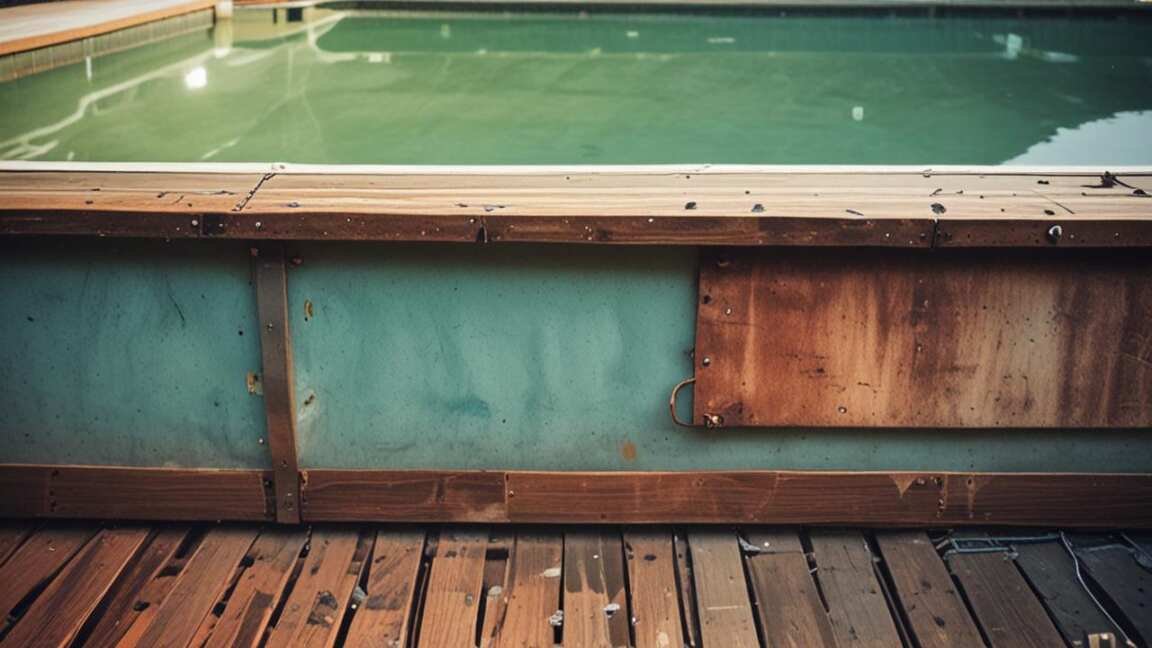
The most common signs include visible rust on metal walls or uprights, liner fading or tearing, pool wall separation from the top rail, and pump or filter issues. Each problem falls into a different category of severity.
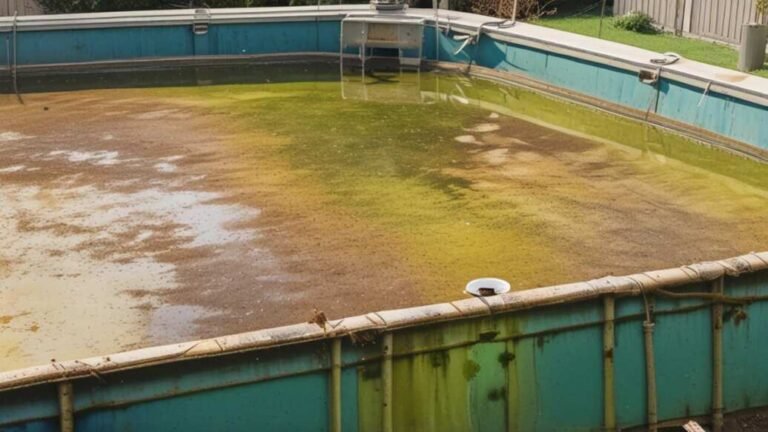
Differentiate between cosmetic and structural damage. Surface rust that does not pit the metal is usually cosmetic. Rust that flakes away or creates holes is structural. A small liner tear above the waterline is one thing. A large tear at the bottom seam is another.
Important: Always check the bottom rail and the skimmer area first. These two spots see the most moisture and often hide early damage. Catching rust here early means a simple patch rather than a full wall replacement.
Visual and Performance Clues
- Water level drops faster than normal. This points to a leak in the liner or at a fitting.
- Cloudy or green water despite chemical balance. This can indicate a filter or pump that is failing.
- Visible bulges or waves in the wall. This signals structural weakness or ground movement.
- Rust streaks running down the walls. Water is getting between the liner and the wall, causing hidden damage.
- The pump runs louder or vibrates. Bearings or seals may be wearing out.
How to Assess Your Pool’s Condition
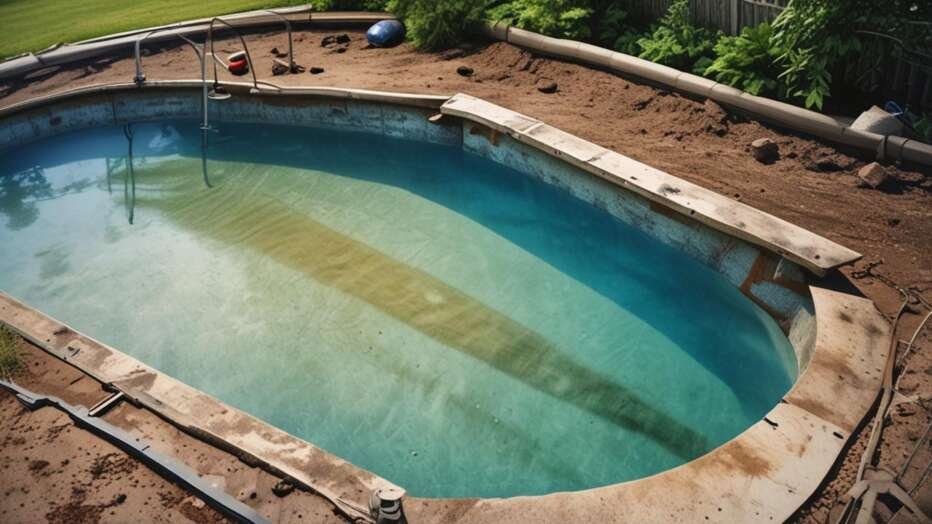
A systematic inspection takes the guesswork out of your decision. Follow these steps to build a complete picture.
- Drain the pool to the lowest return jet. Do not drain it completely unless you have a repair plan. Empty pools can collapse or shift.
- Inspect every inch of the liner. Look for tears, thin spots, fading, and seam separation. Mark each area with tape.
- Check all metal components for rust. Focus on uprights, top rails, bottom rails, and skimmer plates. Use a screwdriver tip to test suspicious spots.
- Test the pump, filter, and skimmer. Run the system and check for leaks, unusual noise, or low pressure.
- Examine the ground beneath and around the pool. Look for erosion, settling, or soft spots that could affect stability.
- Calculate the age of your pool. If it is older than 12 years and has multiple issues, replacement is usually the better value.
What Common Repairs Can You Make?
Most above-ground pool problems have a repair path. Understanding what you can fix helps you avoid unnecessary replacement.
Liner Repair and Replacement
A damaged liner is the most common issue. Small tears above the waterline can be patched with a vinyl repair kit. Larger tears, seam failures, or widespread fading require a full liner replacement. According to HomeAdvisor, liner replacement costs $1,200 to $2,000 including installation. This repair alone can give your pool another 5 to 10 years of use.
Warning: Do not use duct tape or household adhesives on pool liners. They contain chemicals that damage vinyl and cause bigger tears. Always use a vinyl patch kit designed for pool use.
Pump and Filter Repairs
Pumps often fail on the seal or the motor. A leaking pump seal costs about $40 to $80 and takes an hour to replace. A burned-out motor costs $150 to $400 to replace. Filters need new cartridges or sand every 3 to 5 years. According to the Association of Pool and Spa Professionals, pump repairs are the second most common pool repair behind liner issues.
Structural Rust Repairs
Surface rust on uprights or top rails can be sanded and painted with a rust-inhibiting paint. Use a product like Rust-Oleum Stops Rust for metal pool parts. If the rust has pitted or created holes, the component needs replacement. Individual uprights cost $20 to $50 each. A full set of wall panels costs $600 to $1,200.
When Should You Replace Instead of Repair?
Replacement makes sense when the repair costs approach half the cost of a new pool. Here are the clear replacement triggers.
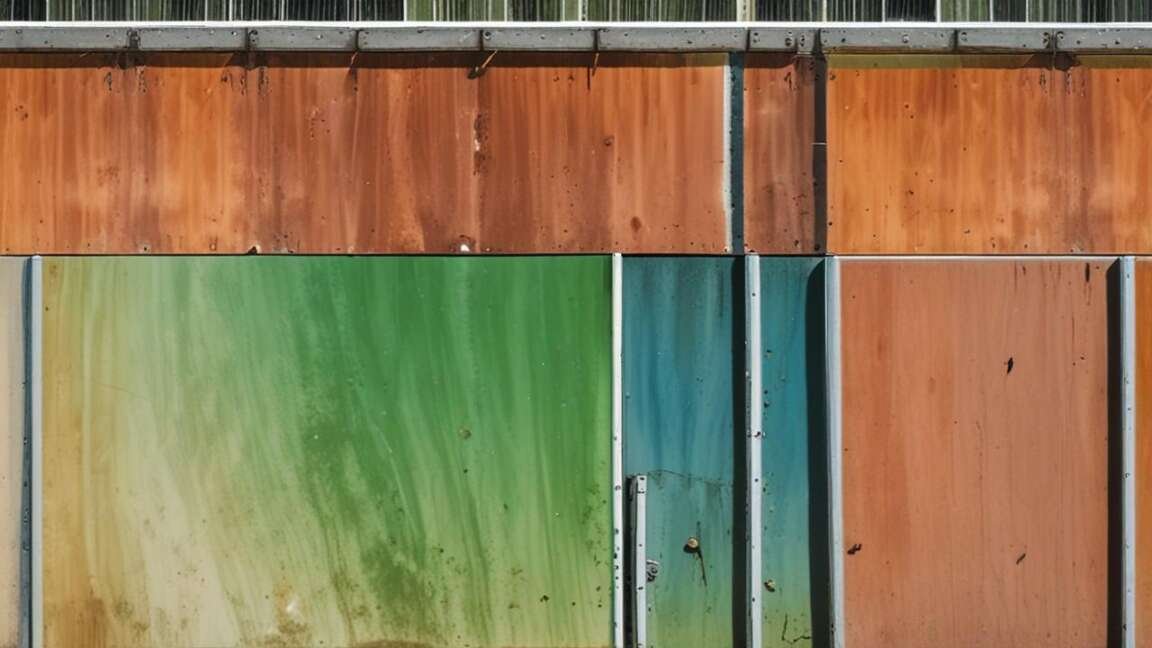
- Rust has eaten through multiple wall panels. Patching one spot is possible. Patching several means the structure is compromised.
- The pool is over 12 years old and has two or more major issues. Repairing an old pool is like patching a tire with no tread.
- The liner has failed under the waterline near the bottom seam. This type of tear often signals wall rust or ground movement.
- The pool has shifted or settled unevenly. Leveling a pool is difficult and expensive. An unlevel pool stresses the walls.
- You want a larger size or different shape. Upgrading sizes at this point makes replacement the logical choice.
Costs and Timeline
| Issue | Repair Cost | Replacement Cost | Time to Fix | Best Option |
|---|---|---|---|---|
| Small liner tear | $10 – $30 | N/A | 1 hour | Repair |
| Liner replacement | $1,200 – $2,000 | $3,500 – $6,000 | 1-3 days | Repair |
| Rust on 1-2 uprights | $20 – $100 | N/A | 2-4 hours | Repair |
| Multiple rusted walls | $600 – $1,200 | $3,500 – $6,000 | 2-5 days | Replace |
| Pump motor failure | $150 – $400 | $500 – $1,200 | 1-2 hours | Repair |
| Pool is 12+ years with 2+ issues | Varies (likely $1,000+) | $3,500 – $6,000 | 1-2 weeks | Replace |
Tip: Use the 50% rule. If the total repair cost is more than half the price of a new pool, replace it. A new pool gives you a warranty, modern materials, and better efficiency.
Common Myths vs Facts
Myth 1: A leaking liner always means you need a new pool
Fact: Many liner leaks are simple to patch. According to the Association of Pool and Spa Professionals, over 60% of liner leaks are caused by small punctures that a vinyl patch kit can fix in under 30 minutes. Only replace the liner if the tear is near the bottom seam, covers more than 12 inches, or the vinyl has become brittle.
Myth 2: Rust always means the pool is unsafe
Fact: Surface rust on uprights or top rails is cosmetic. Sand it down and treat it with a rust converter. According to the Pool and Hot Tub Alliance, rust becomes a structural concern only when it has created holes or deep pitting in the metal. A simple screwdriver test can confirm the difference.
Myth 3: You must drain the pool completely to inspect or repair it
Fact: Quite the opposite. Draining an above-ground pool completely can cause the walls to collapse inward or the liner to shift. Most inspections and repairs can be done with the water level lowered to just below the skimmer. Only drain fully when replacing the liner, and follow the manufacturer’s instructions carefully.
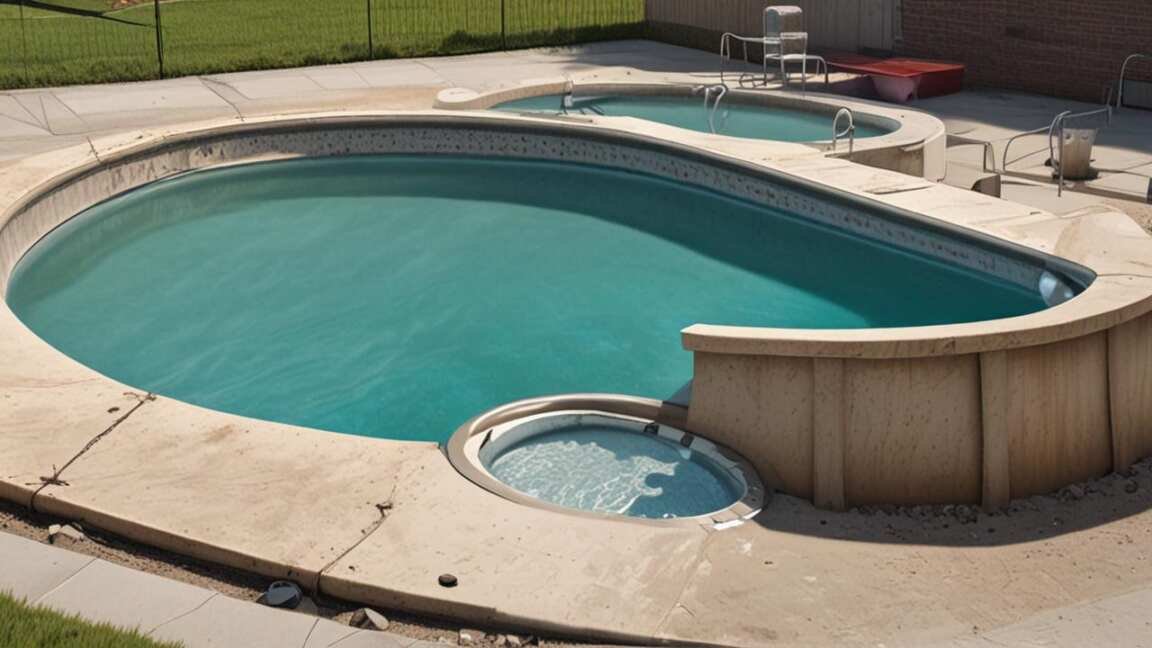
Pro Tips for Extending Your Pool’s Life
These five practices can add years to your pool’s lifespan and reduce the need for major repairs.
- Maintain proper water chemistry. Test pH, alkalinity, and chlorine levels weekly. Imbalanced water accelerates liner wear and metal rust. According to the Centers for Disease Control and Prevention, proper water chemistry also prevents algae and bacteria growth.
- Keep the pool covered when not in use. A solar cover reduces UV exposure, which is the main cause of liner fading and brittleness. UV damage can cut a liner’s life from 10 years to 5 years.
- Inspect and clean the skimmer basket and pump strainer weekly. Debris buildup forces the pump to work harder, which wears out seals and motors faster.
- Treat rust spots as soon as you see them. A small spot that takes 10 minutes to sand and paint today can become a hole that requires a wall replacement next year.
- Winterize correctly every fall. Freeze-thaw cycles damage liners, walls, and plumbing. Use a winter cover, drain all water from the pump and filter, and add winterizing chemicals.
Resources and Tools
Use these trusted resources to help make your decision and complete your repair or replacement.
- Pool and Hot Tub Alliance (PHTA) – Industry standards and consumer guides for pool maintenance and safety.
- HomeAdvisor (now Angi) – Cost data and contractor listings for pool repair and replacement.
- Association of Pool and Spa Professionals (APSP) – Technical guidelines and best practices for pool care.
- Centers for Disease Control and Prevention (CDC) – Water quality guidelines and health tips for pool owners.
- Vinyl Liner Patch Kit – DIY repair kit for small liner tears, available at most hardware and pool stores.
Frequently Asked Questions
How many years does an above-ground pool typically last?
According to the Pool and Hot Tub Alliance, a well-maintained above-ground pool lasts between 7 and 15 years. Pools with resin walls and stainless steel parts last on the longer end. The key factor is consistent maintenance and early repair.
Can I repair rust on the pool walls myself?
Yes, for surface rust. Sand the area with 80-grit sandpaper until you reach clean metal. Wipe away dust and apply a rust-inhibiting primer and paint made for metal. For rust that has created holes or deep pitting, the wall panel needs replacement.
How much does it cost to replace an above-ground pool liner?
Liner replacement typically costs $1,200 to $2,000 including the liner itself and installation. The cost varies based on pool size, liner thickness (20-mil liners cost more than 20-mil options), and your location. You can save $300 to $500 by doing the install yourself.
Is it safe to patch a pool liner underwater?
Yes, but only for small tears. Use a vinyl patch kit designed for underwater use. Clean the area with a pool brush, apply the patch, and press firmly for 60 seconds. Underwater patches are temporary. Drain the pool for a permanent fix.
When should I call a professional for a pool assessment?
Call a professional if you see rust holes, wall separation, or if the pool has shifted unevenly. A professional inspection costs $95 to $200. They can give you a written estimate for repairs versus replacement, which helps with budgeting and insurance claims.
Final Thoughts
Knowing whether to repair or replace your above-ground pool comes down to three things: the type of damage, the age of the pool, and the cost comparison. Minor issues like small tears and surface rust are almost always repairable. Structural rust, wall separation, or a pool older than 12 years with multiple problems points to replacement. A 30-minute inspection and a simple cost comparison will give you your answer.