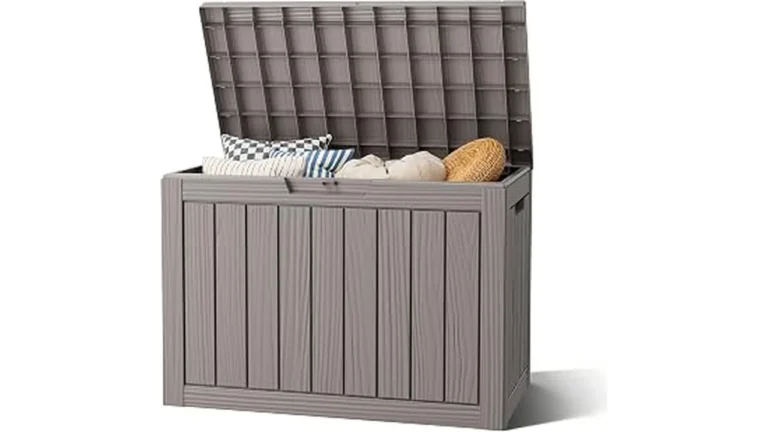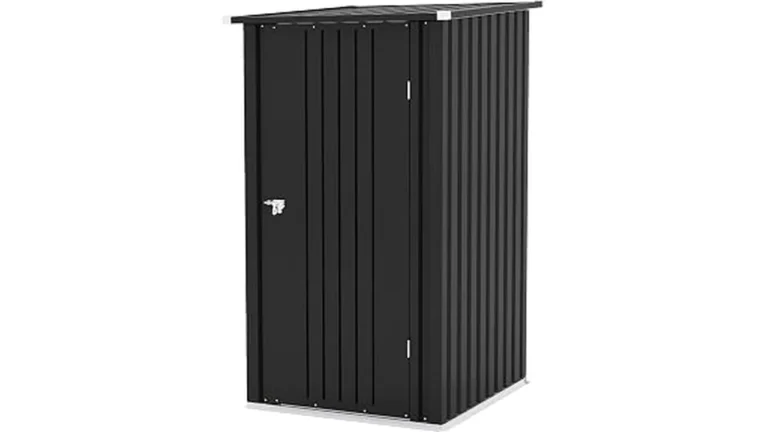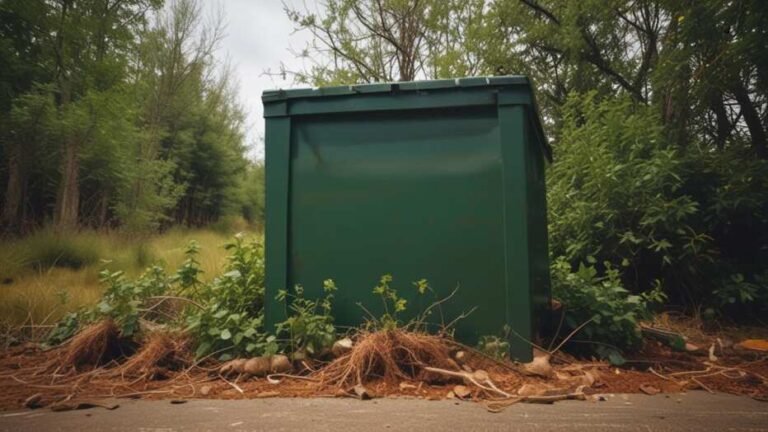
A deck box is worth buying for a side yard when you need weatherproof storage for outdoor cushions, gardening tools, or pool supplies, as it keeps them dry, organized, and off the ground while protecting against rain, pests, and UV damage. Choosing a narrow or low-profile deck box made of resin or polypropylene maximizes functionality without blocking walkways in tight spaces. This approach beats open shelving or plastic bins for maintaining a clutter-free, organized side yard.
A side yard often turns into a cluttered pathway for garden hoses, muddy boots, and pool chemicals. You need storage that handles these items without making your walking space feel smaller.
This guide helps you decide if buying a deck box for a side yard solves the mess without breaking your budget.
Quick Verdict: Simply put, a deck box is worth it for a side yard if you need to store outdoor cushions, gardening tools, or pool supplies in a spot that gets rain or sun. It keeps items dry, organized, and off the ground. Success depends on choosing the right size and material for your specific narrow space.
Key Takeaways
- A deck box provides dedicated weatherproof storage that protects side yard items from rain, pests, and UV damage.
- Choosing a narrow or low-profile deck box maximizes functionality without blocking walkways in tight side yard spaces.
- Resin and polypropylene deck boxes offer the best balance of durability, weight, and weather resistance for outdoor use.
- A deck box beats open shelving or plastic bins for keeping a side yard clutter-free and well organized.
- Measuring your side yard width and accounting for swing-out lids is essential before you buy a deck box.
What Are the Best Uses for a Deck Box in a Side Yard?
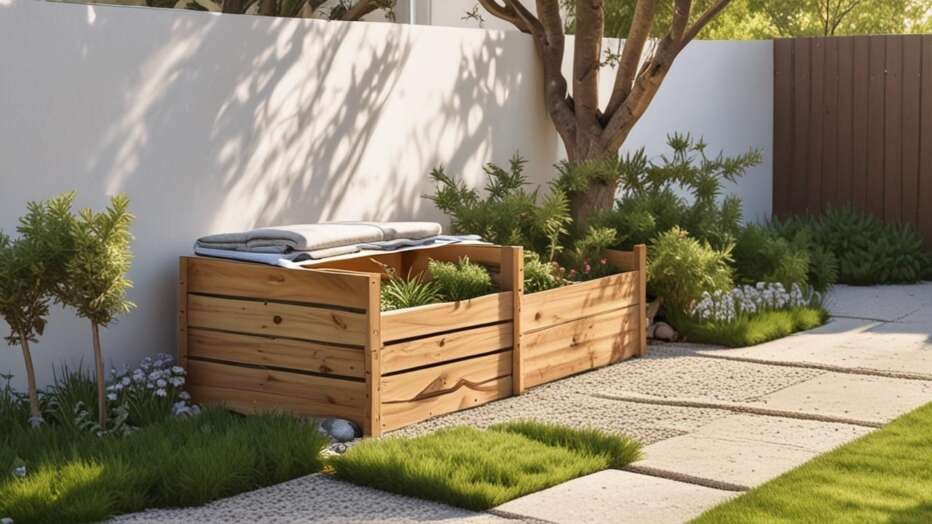
Side yards serve as high-traffic corridors. You walk through them to get to the backyard. They often hold essential but messy equipment. A deck box for a side yard turns this space into functional storage rather than a dumping ground.
According to the National Association of Home Builders, maximizing outdoor living space is a top priority for homeowners. A deck box helps you reclaim that space. Here are the five most practical uses for a deck box in your side yard:
- Garden hose storage: Keep hoses coiled and off the ground. This prevents kinks and extends the life of the hose.
- Gardening tools: Store trowels, pruners, gloves, and kneeling pads in one central spot.
- Pool and outdoor toys: Toss pool noodles, floaties, and beach towels inside after a swim.
- Outdoor cushions: Protect throw pillows and chair cushions from rain and morning dew.
- Pet supplies: Keep leashes, waste bags, and outdoor dog toys organized near the back door.
Quick Comparison: Deck Box vs. Alternatives
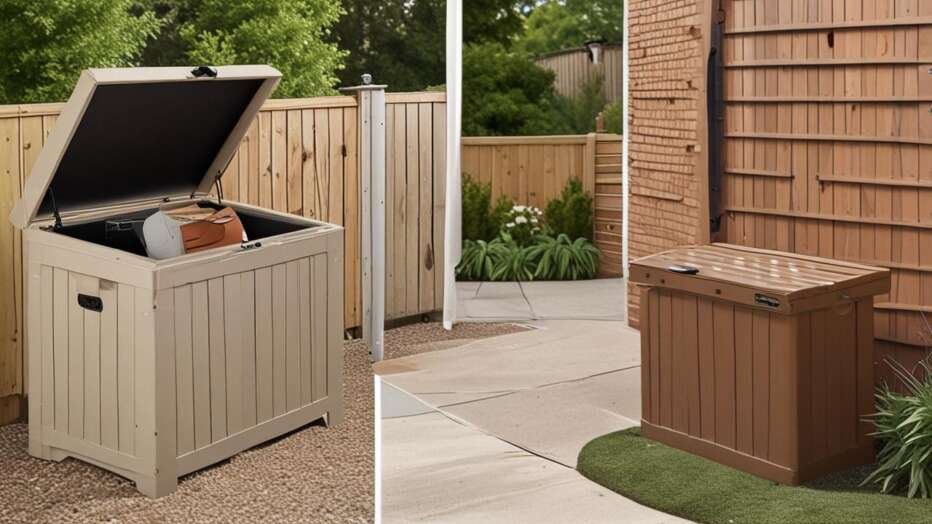
You have several options for side yard storage. This table shows how a deck box compares to other common solutions.
| Feature | Deck Box | Open Shelving | Plastic Bins | Wall-Mounted Rack |
|---|---|---|---|---|
| Weather Protection | Excellent | Poor | Good | Moderate |
| Space Efficiency | High | Medium | Low | High |
| Aesthetics | Clean, hidden | Cluttered look | Cluttered look | Sleek |
| Cost | $$ | $ | $ | $$ |
| Security | Lockable | None | None | None |
Key Features to Look For
Not all deck boxes are built the same. A cheap box may crack under the sun or let water pool inside. Here are the features that matter most for side yard use.
- Material: High-density polyethylene (HDPE) or polypropylene resin resists cracking and fading. Avoid thin plastic that feels flimsy.
- Weather resistance: Look for UV protection to prevent fading. Sealed seams and a raised floor help keep contents dry.
- Size and profile: Measure the width of your side yard. Standard boxes are 20 to 30 inches wide. Slim models fit spaces as narrow as 15 inches.
- Weight capacity: Check the lid weight rating if you plan to sit on it. Standard lids support 200 to 300 pounds.
- Lockability: Some boxes have built-in locks. Others accept a standard padlock for added security.
- Assembly: Most resin boxes snap or screw together in under 30 minutes. Wood or metal models may require more effort.
Tip: Measure the width of your side yard and the swing arc of the lid. A deck box with a gas-piston lid is easier to use in tight spaces where you cannot fully open a top-hinged lid.
Material Comparison Table
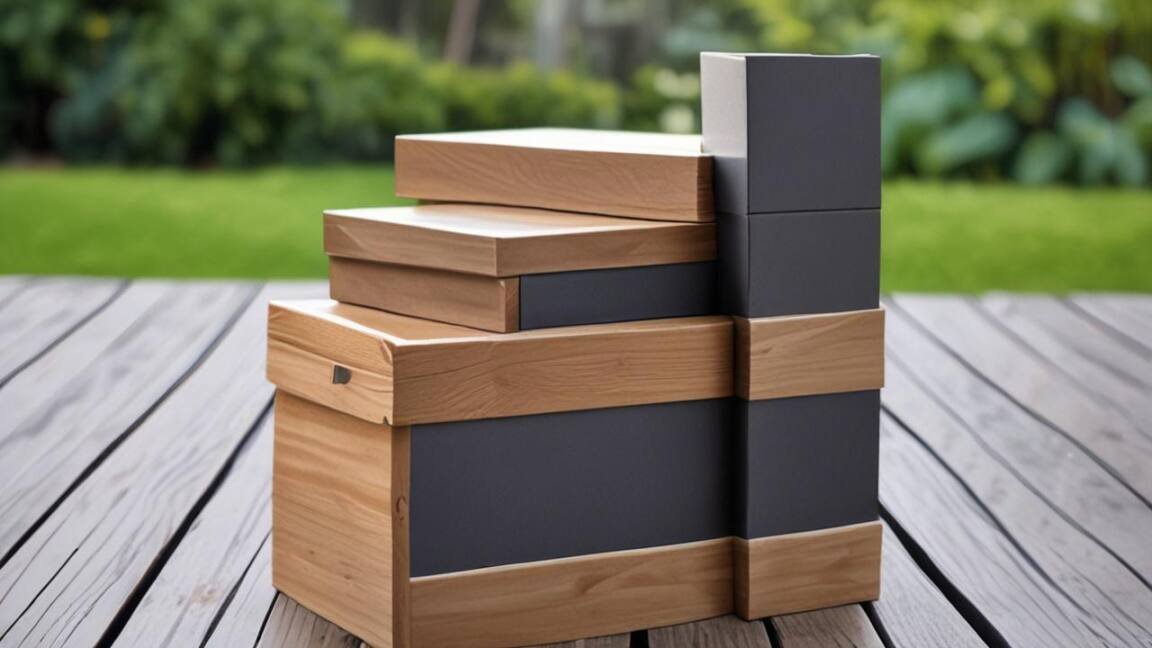
Choosing the right material determines how long your deck box lasts. This table breaks down the four most common materials used in outdoor storage boxes.
| Material | Durability | Weather Resistance | Maintenance | Cost |
|---|---|---|---|---|
| Resin / Polypropylene | High | Excellent | None required | $$ |
| Metal (Steel / Aluminum) | Very High | Good (rust risk in wet areas) | Moderate | $$$ |
| Wood (Cedar / Pine) | Medium | Moderate (requires sealing) | High (staining, sealing) | $$$ |
| Fabric / Polyester | Low | Moderate | Low | $ |
Step-by-Step Guide to Choosing Your Deck Box
Follow these five steps to pick the perfect model for your side yard. Skipping the measurement step is the most common mistake buyers make.
- Measure your side yard width and depth. Use a tape measure to find the narrowest point. Write down the clearance width and depth available.
- Decide what items you need to store. List everything you plan to put inside. This helps you calculate the cubic feet of storage you need.
- Choose the right material for your climate. Resin works best for rainy areas. Metal suits dry climates but may rust in humid zones. Wood needs yearly sealing.
- Check the lid operation in tight spaces. Decide between a top-hinged lid and a front-hinged chest. Gas-piston lids help if the box sits against a wall.
- Read reviews for water leakage issues. Look for specific feedback about pooling water, cracked hinges, or fading after six months of use.
Warning: Do not assume a deck box is 100% waterproof. Most models are water-resistant. If you store electronics, pet food, or dry chemicals, place them inside a sealed plastic bag before putting them in the box.
Common Myths vs. Facts
Many homeowners hesitate to buy a deck box because of outdated ideas. Here are the most common myths about using a deck box for a side yard.
Myth: A deck box is just a plastic bin.
Many people think a deck box is the same as a cheap plastic storage tote. Fact: Deck boxes are built with UV-resistant materials and reinforced lids. They withstand outdoor elements and can support the weight of a person sitting on top.
Myth: All deck boxes keep water out completely.
No deck box is 100% waterproof over time. Fact: Most are water-resistant, not waterproof. Look for models with raised floors, sealed seams, and drainage channels to handle heavy rain.
Myth: A side yard is too narrow for a deck box.
Side yards often feel tight, so homeowners assume no box will fit. Fact: Many brands make slim or low-profile deck boxes specifically designed for narrow spaces. You can find models as slim as 15 inches wide.
Pro Tips for Getting the Most Value
Take these extra steps to make sure your deck box lasts and stays useful all year round.
- Elevate the box slightly using pavers or a wooden pallet. This prevents water from seeping in through the bottom and promotes airflow underneath.
- Use cedar blocks or silica gel packs inside the box to absorb excess moisture. This stops mildew from forming on cushions and fabrics.
- Clean the box twice a year with mild soap and water. Dirt buildup can trap moisture and cause the exterior to fade or crack.
- Apply a UV protectant spray on resin or plastic boxes every 12 months. This extends the life of the box and keeps it looking new.
- Anchor the box to the wall in high-wind areas. Use straps or brackets to prevent the box from tipping over during storms.
Resources and Tools
The following brands and organizations offer reliable information and products for outdoor storage solutions.
- Keter – Known for durable resin deck boxes and outdoor storage solutions.
- Rubbermaid – Offers tough, weather-resistant storage boxes for outdoor use.
- Suncast – Specializes in deck boxes with built-in seating and slim designs.
- National Association of Home Builders – Provides research on maximizing outdoor living spaces.
- Consumer Reports – Publishes independent reviews on outdoor storage products.
Frequently Asked Questions
Will a deck box get moldy in a side yard?
Mold can form if moisture gets trapped inside. Choose a box with ventilation slots or drain holes. Elevate the box slightly with pavers to allow airflow underneath.
Can I leave a deck box outside in winter?
High-quality resin boxes can handle freezing temperatures. Check the manufacturer temperature rating before winter arrives. Avoid overfilling the box in winter because contents may expand.
How much weight can a deck box hold?
Most standard deck boxes hold between 100 and 250 pounds of gear. The lid usually supports 200 to 300 pounds of seated weight. Always check the spec sheet before buying.
What size deck box fits in a side yard?
Measure the width of your walkway first. Standard deck boxes are 20 to 30 inches wide. Slim models are available at 15 to 18 inches wide for tighter spaces.
Is a deck box worth it for just a hose and gardening tools?
Yes. A dedicated box keeps coiled hoses clean and prevents garden tools from rusting. It also removes visual clutter from a small walkway and makes your side yard feel more organized.
Final Thoughts
A deck box turns a messy side yard into a functional outdoor storage area. It protects your gear from the elements and keeps your walkway clear. For most homeowners, the investment pays off in daily convenience. Choose a size and material that matches your specific space.