
Effective slow cooker safety involves properly cleaning the appliance before each use and ensuring food reaches safe internal temperatures during the cooking process. Key practices include starting with thawed ingredients when possible, preheating the cooker if required by the recipe, and using the correct temperature setting to keep food out of the bacterial danger zone. To prevent burns and electrical issues, always handle hot components with care, check the cord and cooker for damage regularly, and follow the manufacturer's instructions for operation and storage of leftovers.
Many people love using their slow cooker. It makes cooking easy. But sometimes, folks aren’t sure about the best way to keep things safe.
This can be a little confusing when you’re just starting out. Don’t worry! We’ll walk through it step by step.
Key Takeaways
- Properly cleaning your slow cooker is vital for food safety.
- Knowing the right temperatures ensures food is cooked safely.
- Storing leftovers correctly prevents foodborne illnesses.
- Always follow your slow cooker’s manual for best practices.
- Handling hot parts of the slow cooker needs care to avoid burns.
- Regularly checking your appliance for damage is important.
You’ll learn how to use your slow cooker safely and make delicious meals without any worries. Let’s get started on making your kitchen a safe and happy place.
Why Slow Cooker Safety Tips Matter
Slow cookers are wonderful for busy people. You can toss ingredients in and let them cook for hours. This convenience is fantastic.
However, like any kitchen appliance, there are safety rules to follow. These rules help prevent common problems. These problems can include food not cooking enough or bacteria growing.
For beginners, these safety tips might seem like a lot to remember. But they are really quite simple. They just help you get the most out of your slow cooker safely.
Understanding Your Slow Cooker
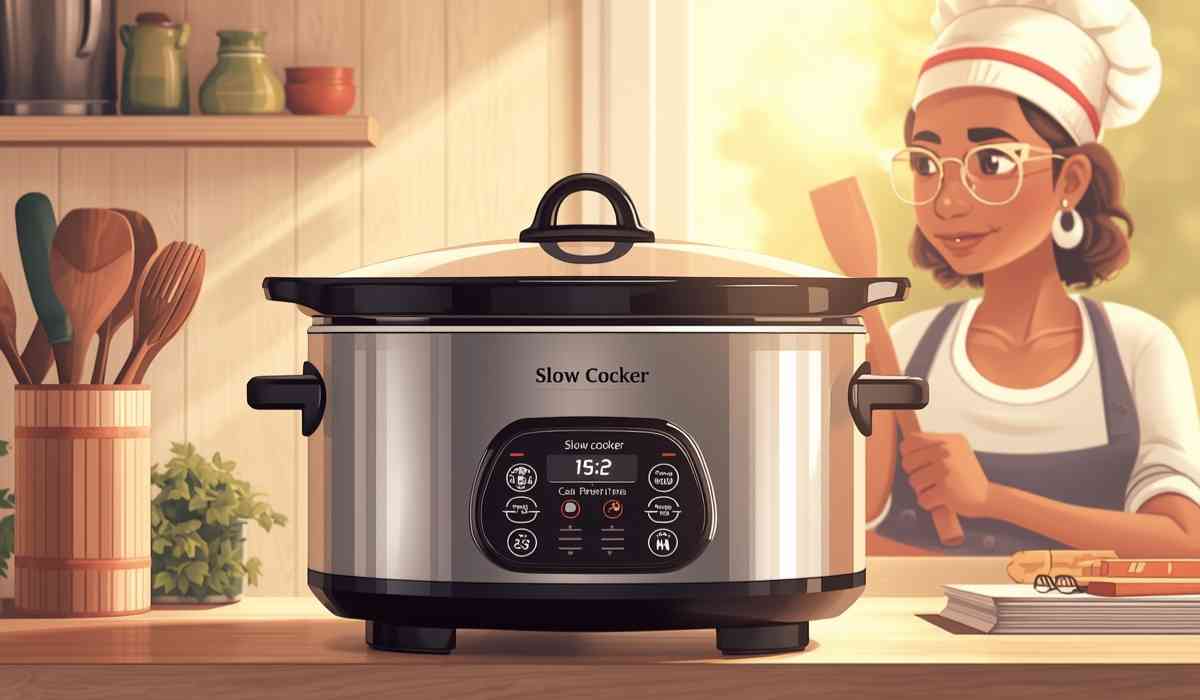
A slow cooker, also called a crock-pot, is an electric pot. It cooks food at a low temperature. This usually takes several hours.
Most slow cookers have a ceramic or stoneware pot. This pot sits inside a metal casing with a heating element. A glass lid goes on top.
The gentle heat cooks food evenly. This makes meats tender and flavors blend nicely.
The Importance of Cleanliness
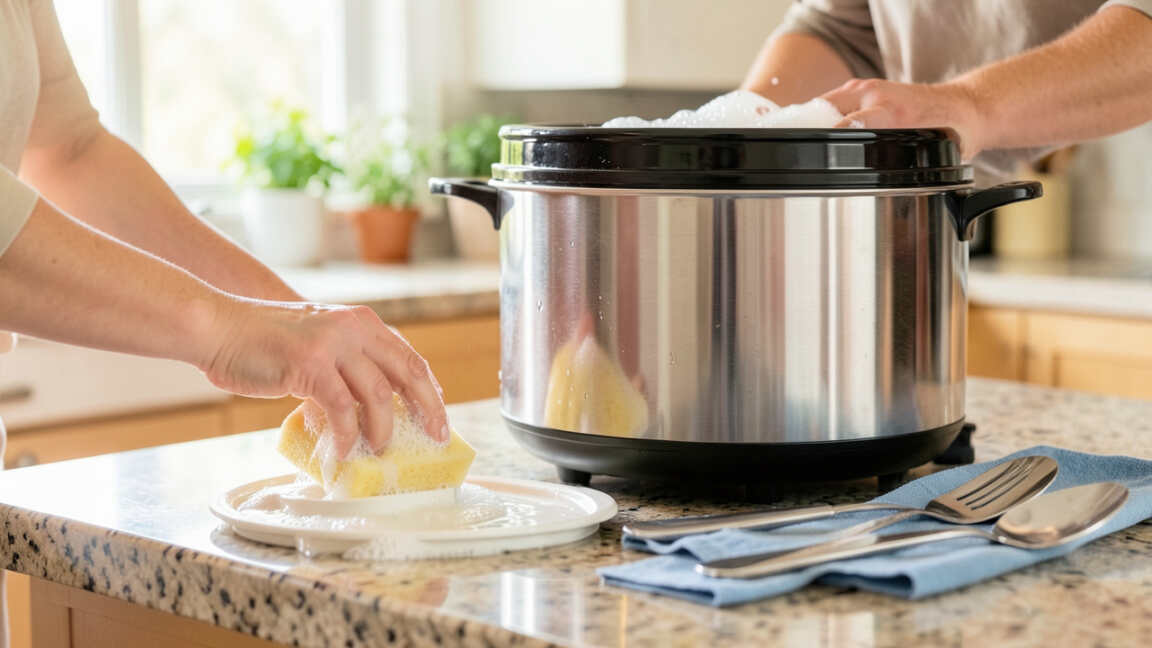
Keeping your slow cooker clean is the first step to safety. Before you even start cooking, make sure the pot is clean. Wash it with warm, soapy water after each use.
This removes any leftover food particles. It also gets rid of grease. Food bits can become a place for germs to grow.
If you let them build up, they can make your food unsafe. Don’t forget the lid and the outside of the cooker. Wipe down the heating unit casing too.
A clean cooker means safer food for you and your family.
Cleaning Your Slow Cooker
Cleaning is usually straightforward. Most slow cooker inserts are dishwasher safe. Check your manual to be sure.
If not, hand washing is easy. Use a soft sponge or cloth. Avoid using harsh scrubbers that could scratch the pot.
For tough, stuck-on food, you can soak the insert in warm water for a bit. Then, wash it as usual. Make sure the cooker is unplugged and cool before cleaning.
This prevents any accidental shocks or burns.
Temperature and Food Safety
Food safety is a big part of slow cooking. Slow cookers cook food at low temperatures. This is great for flavor.
But it means you need to be mindful of food safety rules. The goal is to get food into the “danger zone” for the shortest time possible. The danger zone is between 40°F and 140°F (4°C and 60°C).
Bacteria can grow quickly in this temperature range. Your slow cooker should bring food up to a safe temperature to kill these bacteria. Most slow cookers reach 200°F to 300°F (93°C to 149°C) on low or high settings.
This is hot enough to cook food safely.
Cooking Temperatures
When using your slow cooker, make sure it heats up properly. Foods should reach an internal temperature of 165°F (74°C) to be safe. This is especially true for meats and poultry.
You can use a food thermometer to check. Insert it into the thickest part of the food. If it’s not at 165°F, let it cook longer.
Some recipes might seem like they’re done at lower temperatures, but for safety, aim for that 165°F mark. This ensures any harmful bacteria are killed.
Low vs. High Setting
The low setting typically cooks food over 6-8 hours. The high setting cooks food over 3-4 hours. Both settings will eventually bring food to the same safe temperature.
The difference is how long it takes to get there. Foods that are tougher or need more time to soften are often best on low. Delicate foods or when you’re shorter on time can use high.
Always ensure your recipe has enough liquid. This helps distribute heat evenly and prevents drying out.
Preheating and Starting Your Cooker
It’s often best to preheat your slow cooker. Some people put frozen meat directly into the slow cooker. This is generally not recommended for safety reasons.
Frozen meat can take too long to thaw and cook through. This means it stays in the danger zone for too long. Bacteria can multiply.
Always thaw meat completely in the refrigerator or microwave before adding it to the slow cooker. Once thawed, you can add it to the preheated cooker.
Thawing Foods Safely
The safest way to thaw frozen foods is in the refrigerator. This can take a day or two for larger items. Another safe method is using the microwave.
Cook the food immediately after microwaving. Never thaw food at room temperature on the counter. This is a breeding ground for bacteria.
Once your food is thawed, you can safely add it to the slow cooker.
Filling Your Slow Cooker Correctly
Don’t overfill your slow cooker. It should be at least half full but no more than two-thirds full. If it’s too full, the food won’t cook evenly.
The heat can’t circulate properly. This can leave some parts undercooked. If it’s too empty, the food might cook too quickly.
This can dry it out or even burn it. Following this guideline helps ensure your food cooks safely and perfectly.
Liquid Levels
Make sure your recipe has enough liquid. Liquids help transfer heat. They also prevent food from drying out.
If a recipe doesn’t call for much liquid, consider adding a bit more. Broth, water, or even juice can work. This helps keep things moist and ensures even cooking.
Too much liquid can make food watery, though. Stick to recipe suggestions or add just a little extra if needed.

Using the Lid
Always cook with the lid on. The lid traps steam. This steam helps cook the food.
It also keeps the moisture inside. Lifting the lid too often lets heat escape. This can slow down the cooking process significantly.
It might even prevent your food from reaching a safe temperature. Try to resist the urge to peek too often. Your slow cooker is designed to work best with the lid sealed.
Handling Hot Cooker Parts
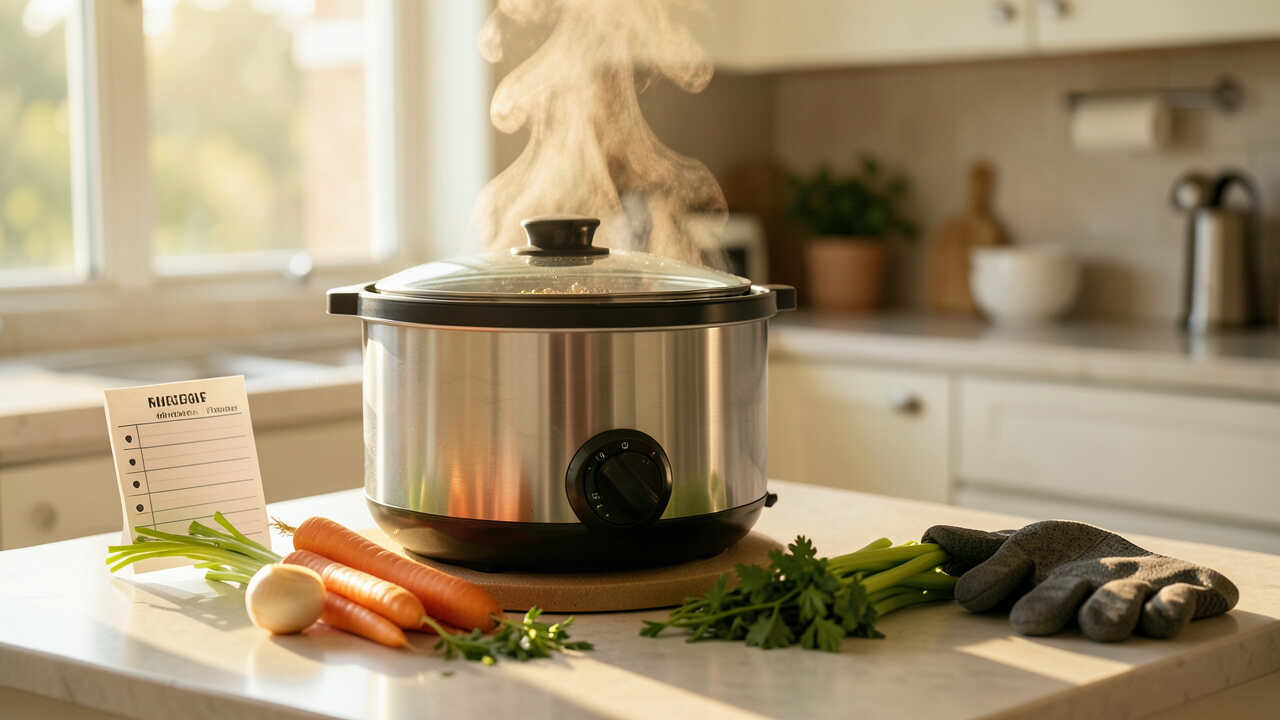
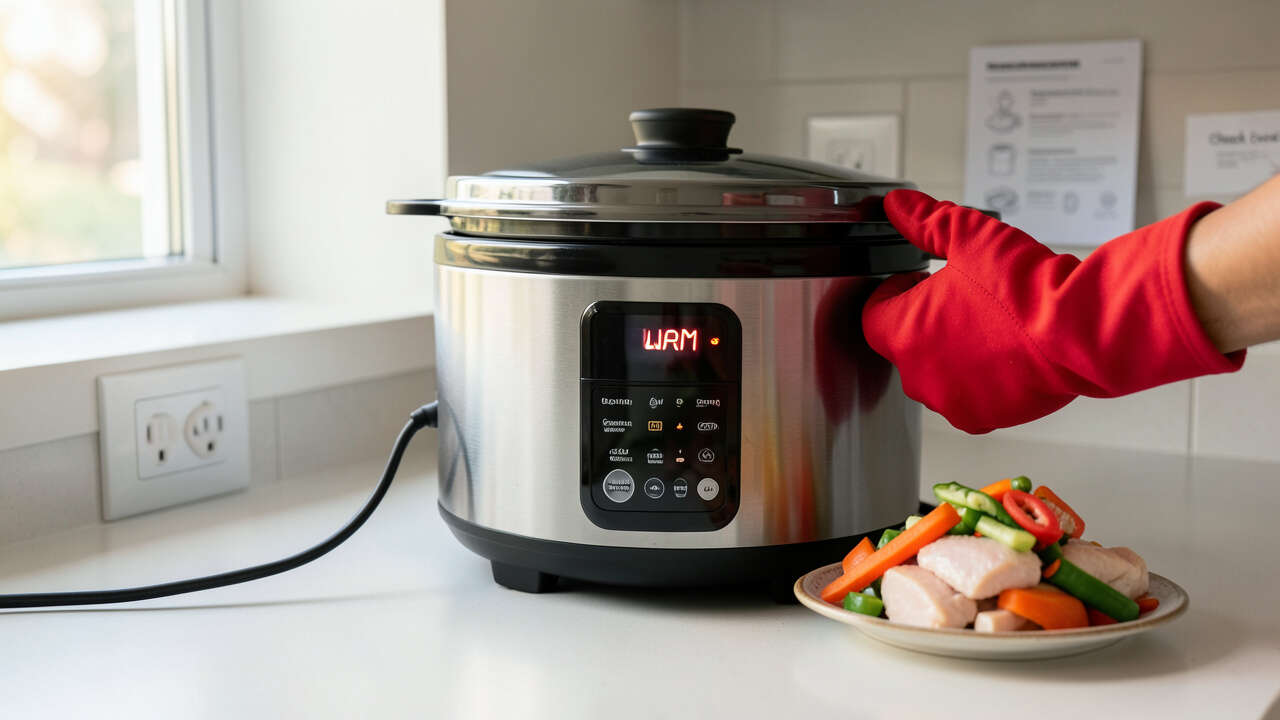
Slow cookers get very hot. The ceramic insert, the metal casing, and the lid can all cause burns. Always use oven mitts or pot holders when touching any part of the cooker.
Lift the lid away from you. This directs the hot steam upwards, away from your face and hands. Be careful when removing the hot insert from the cooker base.
Set it down on a heat-resistant surface like a trivet.

Storing Leftovers Safely
Once your meal is cooked, you’ll want to store leftovers properly. Let the food cool slightly before putting it in the refrigerator. However, don’t leave it out at room temperature for more than two hours.
If the room is very warm, this time is cut down to one hour. Bacteria grow fast on food left at room temperature. Divide large amounts of leftovers into smaller containers.
This helps them cool down faster in the fridge. Use leftovers within 3-4 days for best quality and safety.
Reheating Leftovers
When you reheat leftovers, make sure they are heated thoroughly. They should reach an internal temperature of 165°F (74°C). You can do this in the microwave or on the stovetop.
If reheating in the slow cooker, set it to high. Stir occasionally. Never reheat food more than once.
If you’re unsure if leftovers are still good, it’s best to discard them.
Maintenance and Care
Take good care of your slow cooker. Always unplug it when not in use. Check the cord and plug for any damage.
If you see any frayed wires or cracks, stop using the cooker. Contact the manufacturer for repairs or a replacement. Don’t immerse the electrical base in water.
This can damage the appliance and create a safety hazard. Keep the cooker in a well-ventilated area while it’s cooking.

Troubleshooting Common Issues
Sometimes, slow cookers can have issues. If your cooker isn’t heating at all, check that it’s plugged in. Ensure the dial is set correctly.
If the food seems undercooked, it might be because the cooker isn’t reaching the right temperature. This could be due to not enough liquid, overfilling, or the cooker itself having a problem. Refer to your manual for specific troubleshooting tips for your model.
FAQ Of Simple Slow Cooker Safety Tips
Question: Can I put frozen meat directly into my slow cooker?
Answer: It is not recommended to put frozen meat directly into your slow cooker for safety reasons. Thaw meat completely in the refrigerator or microwave before adding it to ensure it cooks through safely and quickly.
Question: How long can I leave cooked food in the slow cooker on warm?
Answer: Most slow cookers have a “warm” setting. This setting is designed to keep food at a safe temperature for a short period, typically 1-2 hours. For longer storage, refrigerate the food promptly.
Question: Is it safe to cook a whole chicken in the slow cooker?
Answer: Yes, you can cook a whole chicken. Ensure it fits comfortably, is not overcrowded, and has enough liquid. Cook until the internal temperature of the thickest part reaches 165°F (74°C).
Question: What should I do if my slow cooker smells like burning plastic?
Answer: If your slow cooker smells like burning plastic, unplug it immediately. Do not use it. This could indicate an electrical issue or melting parts.
Contact the manufacturer or consider replacing the appliance.
Question: Can I use my slow cooker if the lid is slightly cracked?
Answer: It’s best to avoid using a slow cooker with a cracked lid. A cracked lid can let heat and moisture escape, affecting cooking performance and potentially leading to uneven cooking. It may also be a safety concern.
Final Thoughts
Using your slow cooker safely makes meal preparation enjoyable and worry-free. Always focus on cleanliness, correct cooking temperatures, and proper storage of leftovers. Following these simple guidelines ensures your meals are not only delicious but also safe for everyone to eat.
Enjoy your cooking!

![9 Things You Can Cook On An Indoor Electric Grill (Beyond Meat)[1]](https://creativehouseblog.com/wp-content/uploads/2026/04/9_Things_You_Can_Cook_On_An_Indoor_Electric_Grill_Beyond_Meat1-768x448.jpg)
![Essential Ingredients For Bread Makers[1]](https://creativehouseblog.com/wp-content/uploads/2026/03/Essential_Ingredients_For_Bread_Makers1-768x448.jpg)
![How to Stop a Toilet Cistern Running[1]](https://creativehouseblog.com/wp-content/uploads/2026/05/How_to_Stop_a_Toilet_Cistern_Running1-768x403.jpg)
![8 Benefits Of Cooking With A Steam Oven[1]](https://creativehouseblog.com/wp-content/uploads/2026/04/8_Benefits_Of_Cooking_With_A_Steam_Oven1-768x448.jpg)
![How to Descale an Electric Kettle Easily[1]](https://creativehouseblog.com/wp-content/uploads/2026/03/How_to_Descale_an_Electric_Kettle_Easily1-768x448.jpg)