
Thinking about getting a pizza oven for your backyard? That’s fantastic! While the idea of making amazing pizzas at home is super exciting, there are a few important things to consider first.
Don’t worry, it’s not as tricky as it sounds. We’ll walk you through 9 Things You Should Know Before Using a Pizza Oven at Home. By the end, you’ll feel ready to go.
Let’s find out what you need to know to get started on making delicious homemade pizza!
Key Takeaways
- You’ll learn about the different types of pizza ovens and how to pick the right one.
- Understanding fuel sources like wood, gas, or pellets is important for your oven choice.
- Proper placement and safety measures for your pizza oven are essential.
- Knowing how to preheat your oven correctly makes a big difference in pizza quality.
- Basic cooking techniques and temperature control are key to great pizza.
- Cleaning and maintenance will keep your oven working well for a long time.

Choosing the Right Pizza Oven
Types of Pizza Ovens
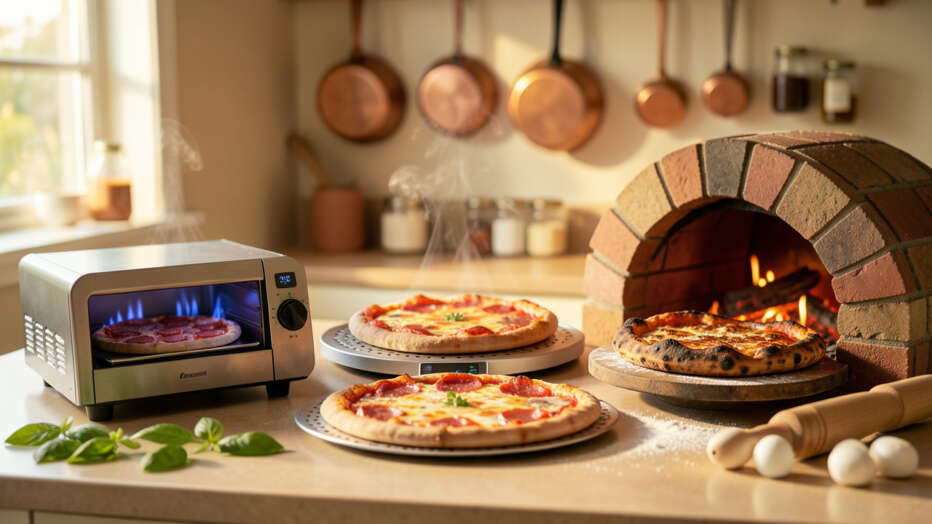
When you’re thinking about bringing a pizza oven home, you’ll find there are a few main kinds. Each one cooks pizza a little differently and has its own benefits. Knowing these will help you pick the best fit for your needs.
Wood-Fired Pizza Ovens
These are the classics! Wood-fired ovens use burning wood to create very high temperatures. This gives pizzas a unique, smoky flavor and a crispy crust that many people love.
They can take a little longer to heat up, and you need to manage the fire. But for that authentic taste, many think it’s worth it.
Gas Pizza Ovens
Gas ovens are super convenient. They use natural gas or propane and heat up much faster than wood-fired ones. You can easily control the temperature with a knob, just like your kitchen stove.
They don’t give that smoky flavor, but they’re great for quick and consistent cooking.
Pellet Pizza Ovens
Pellet ovens use compressed wood pellets as fuel. They offer a good balance between the flavor of wood and the ease of gas. You just fill a hopper with pellets, and the oven feeds them automatically.
They get very hot and can cook pizzas fast. They’re a popular choice for home users.
Electric Pizza Ovens
Electric pizza ovens are the simplest to use. You just plug them in! They are great for indoor use or for people who want a no-fuss option.
They might not reach the super high temperatures of wood or gas ovens, but they can still make delicious pizzas, especially for smaller gatherings.
Fueling Your Pizza Oven
The type of fuel your pizza oven uses is a big deal. It affects how it heats, the flavor it adds, and how easy it is to use. Let’s look at the common fuel options.
Wood
Using wood is a traditional way to cook. It gives your pizza a wonderful smoky taste and cooks at very high temperatures. You’ll need to learn how to build and maintain a fire.
Different types of wood can add slightly different flavors. Hardwoods like oak or maple are good choices.
Propane or Natural Gas
Gas is very easy to use. You connect a tank of propane or your home’s natural gas line. The oven heats up quickly and the temperature is easy to control.
This is great if you want to cook often without a lot of fuss. It’s a reliable option for consistent results.
Wood Pellets
Pellets are small, compressed pieces of wood. They burn cleanly and efficiently. Many pellet ovens have an automatic feeder, so you don’t have to constantly add fuel.
They provide a nice wood-fired flavor without the work of managing logs. They are a modern and popular choice.

Oven Size and Capacity
Think about how many pizzas you plan to cook at once. Pizza ovens come in different sizes. A small oven might only fit one pizza, while a larger one could fit two or more.
If you plan to entertain a lot, you’ll want a bigger oven. For a couple or small family, a smaller one might be just right.
Placement and Safety First
Where you put your pizza oven is very important for safety and convenience. You need to make sure it’s on a stable, non-flammable surface. Keep it away from buildings, fences, trees, and anything that could catch fire.
Always check the manufacturer’s recommendations for safe distances.
Ventilation
Pizza ovens produce smoke and heat. Make sure there is good airflow around the oven. If you’re using a wood-fired oven, you’ll need to consider where the smoke will go so it doesn’t bother neighbors or yourself.
Never use a pizza oven indoors unless it’s specifically designed for that and has proper ventilation.
Weather Protection
Pizza ovens can get very hot, and they are often made of materials that can be affected by the weather. If possible, place your oven in a spot where it’s protected from heavy rain or snow when not in use. Some people use covers or build simple shelters to keep their ovens in good condition.
Preheating Your Pizza Oven
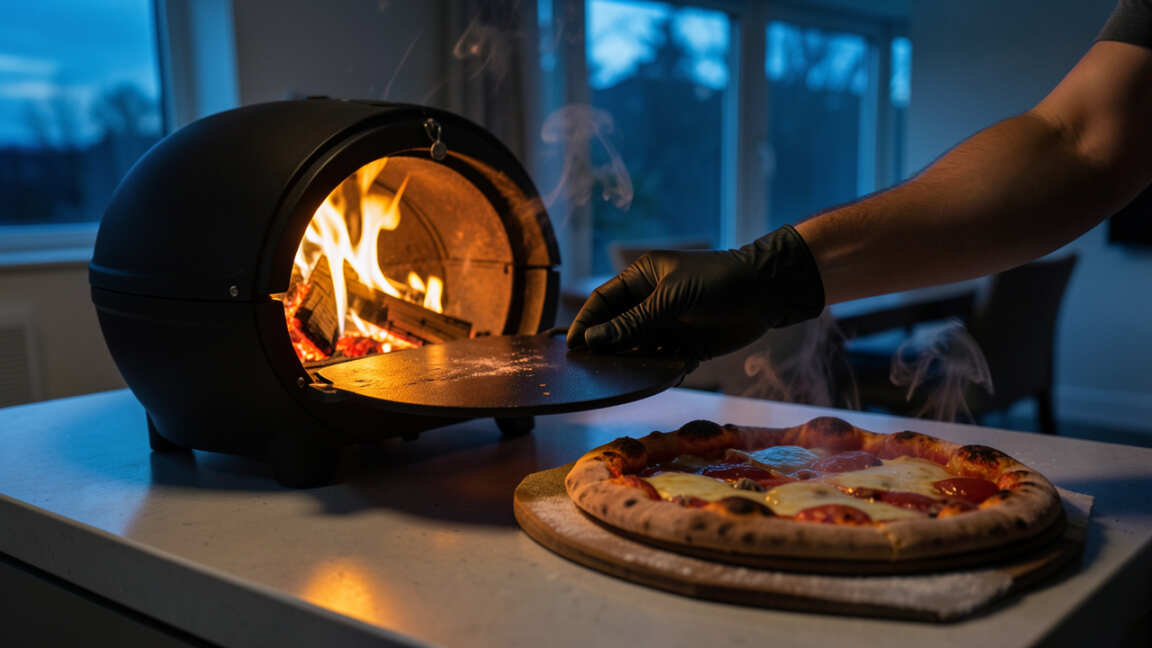
This is one of the most important steps! Pizza ovens need to get very hot to cook pizza properly. You can’t just turn it on and throw a pizza in.
For most ovens, you need to preheat them for at least 30 minutes, sometimes up to an hour. The cooking surface (the stone or deck) needs to reach the right temperature.
Knowing the Right Temperature
Wood-fired and high-temperature ovens often cook pizzas in 60 to 90 seconds. This means the oven needs to be around 750-900°F (400-480°C). Gas and pellet ovens can also reach these temperatures.
Electric ovens might be a bit lower, but still need to be very hot.

Cooking Techniques
Once your oven is hot, it’s time to cook! Using a pizza peel to slide your pizza into the oven is key. Make sure the peel is well-floured or use semolina so the pizza doesn’t stick.
Once the pizza is in, you might need to turn it once to ensure even cooking. Watch for the crust to puff up and the cheese to bubble and brown.
Managing the Heat
If you’re using a wood-fired oven, you’ll need to keep adding small pieces of wood to maintain the heat. For gas ovens, you just adjust the dial. The goal is to keep the oven hot enough to cook the pizza quickly without burning the toppings before the crust is done.
Pizza Dough and Toppings
The kind of dough you use matters. A Neapolitan-style pizza uses a simple dough that’s stretched thin. Other styles might use thicker dough.
Don’t overload your pizza with too many toppings, as this can make it soggy and harder to cook evenly. Less is often more with pizza!
Cleaning and Maintenance
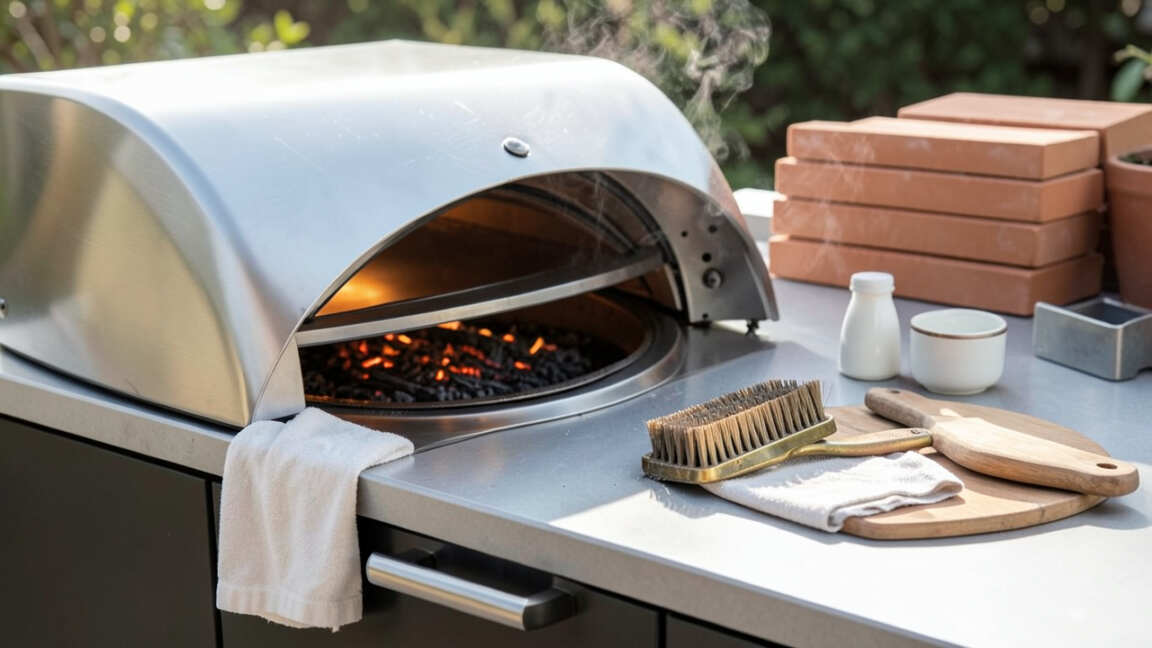
After you’ve enjoyed your delicious homemade pizzas, it’s time to clean up. Most pizza ovens are pretty easy to clean. For wood-fired ovens, let the ash cool completely, then brush it out.
For gas ovens, you might need to wipe down the exterior. Regularly checking for any wear and tear will keep your oven working for years.
Protecting Your Oven
Keeping your oven covered when it’s not in use will protect it from the elements. This is especially important if it’s not stored in a shed or garage. This simple step can prevent rust and damage, ensuring your oven lasts a long time.
Frequently Asked Questions
Question: How long does it take to heat up a pizza oven?
Answer: It varies by type. Gas and pellet ovens might heat up in 15-30 minutes. Wood-fired ovens can take 30 minutes to over an hour to reach cooking temperature.
Question: Can I cook other things in a pizza oven besides pizza?
Answer: Yes! Many people cook bread, roasted vegetables, meats, and even desserts in their pizza ovens. The high heat is great for many types of cooking.
Question: Do I need a special pizza stone?
Answer: Most pizza ovens come with a pizza stone or deck. This surface gets very hot and helps cook the pizza crust evenly and make it crispy.
Question: How do I know when the pizza is done?
Answer: Look for a puffed-up, nicely browned crust and melted, bubbly cheese. The cooking time is usually very short, often just 1-3 minutes.
Question: Is a pizza oven expensive to run?
Answer: Fuel costs can vary. Wood is often the cheapest, while gas costs depend on prices. Pellet costs are also a factor.
Overall, running a pizza oven at home is generally affordable for the delicious results you get.
Final Thoughts
Getting a pizza oven is exciting! You’ve learned about the different types and fuels. You know where to put it and how to keep it safe.
Preheating is key, and simple cooking methods work best. Remember to clean up afterward. With these tips, you’re ready to make some amazing pizzas right in your own backyard.
Enjoy the process and the delicious outcomes!

![Food Processor Attachments Explained Simply[1]](https://creativehouseblog.com/wp-content/uploads/2026/03/Food_Processor_Attachments_Explained_Simply1-768x448.jpg)
![9 Features You Didn’T Know Smart Appliances Have[1]](https://creativehouseblog.com/wp-content/uploads/2026/04/9_Features_You_DidnT_Know_Smart_Appliances_Have1-768x448.jpg)
![9 Breakfast Ideas Using A Waffle Maker[1]](https://creativehouseblog.com/wp-content/uploads/2026/04/9_Breakfast_Ideas_Using_A_Waffle_Maker1-768x448.jpg)
![How To Spot Slow Leaks At Home Before They Grow[1]](https://creativehouseblog.com/wp-content/uploads/2026/05/How_To_Spot_Slow_Leaks_At_Home_Before_They_Grow1-768x403.jpg)
![7 Mistakes That Ruin Wine Storage At Home[1]](https://creativehouseblog.com/wp-content/uploads/2026/04/7_Mistakes_That_Ruin_Wine_Storage_At_Home1-768x448.jpg)
![Why Air Fryers Use Less Oil[1]](https://creativehouseblog.com/wp-content/uploads/2026/03/Why_Air_Fryers_Use_Less_Oil1-768x448.jpg)