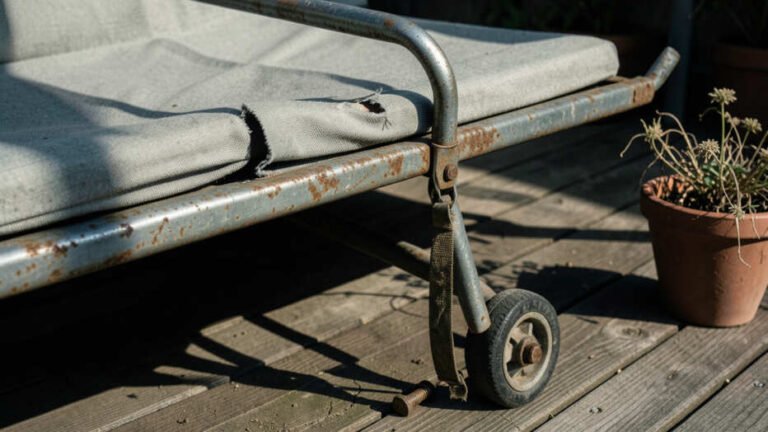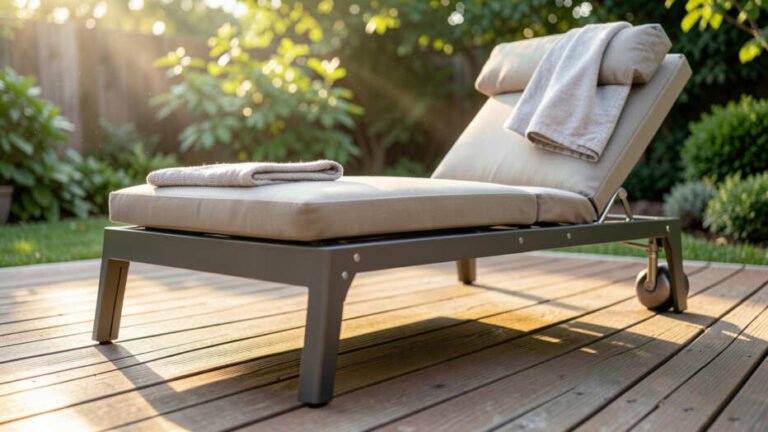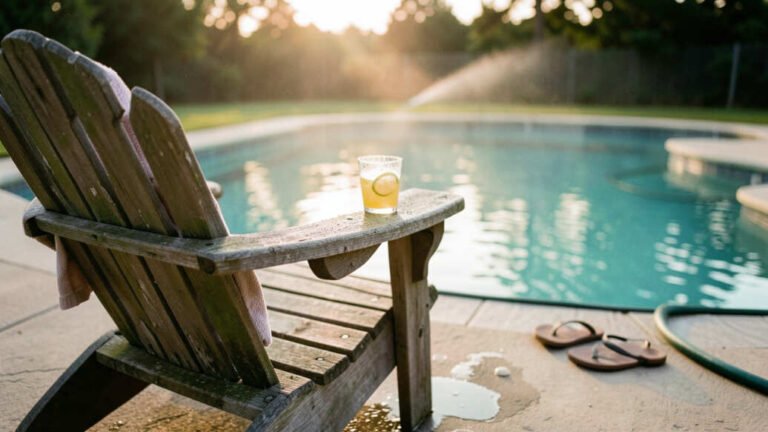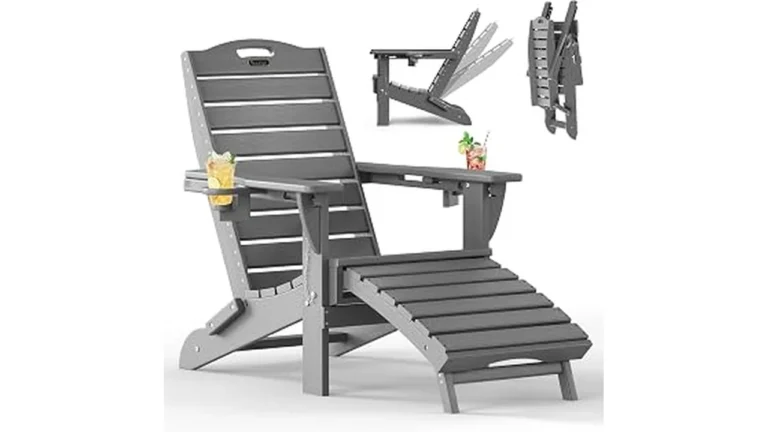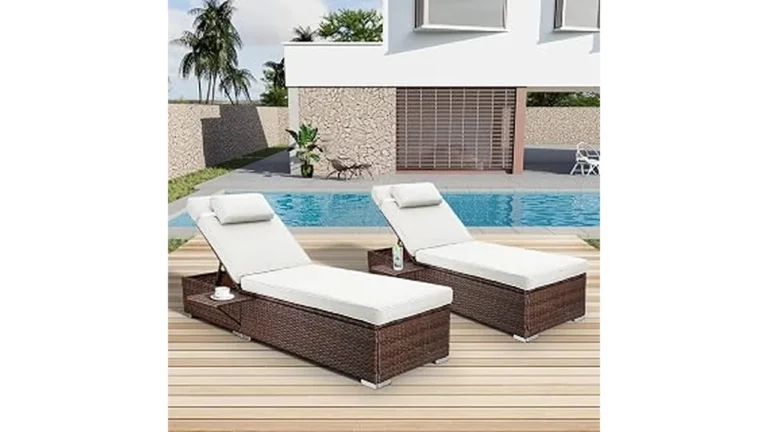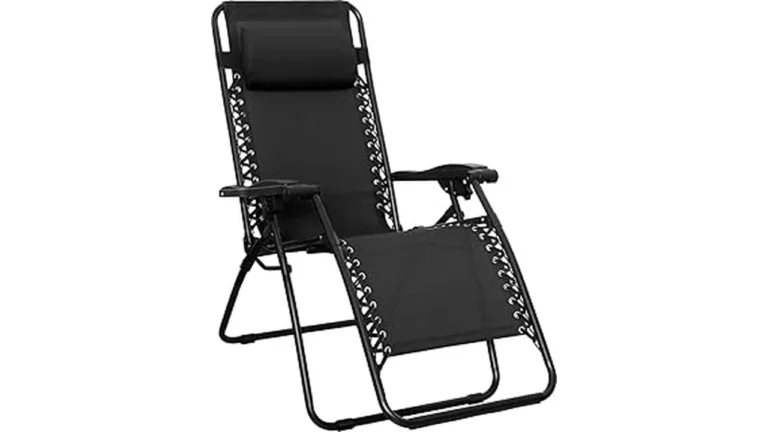
In a busy home, outdoor chairs typically need replacement every 2 to 5 years, with material quality, daily usage, and sun exposure being the primary factors that determine exact lifespan. Aluminum frames can serve for 5 to 7 years with regular use, while resin and plastic chairs often require replacement after 2 to 3 years due to UV damage and structural wear. Conducting biannual inspections for cracks, rust, or instability ensures timely replacement before safety is compromised, preventing accidents and maximizing value.
A busy home puts outdoor chairs through constant use and weather changes. This guide helps you find the right time to replace your outdoor chair based on material, care, and daily habits.
Simply put, most outdoor chairs in a busy household last between 2 and 5 years before needing replacement. Factors like material quality, sun exposure, and usage frequency heavily influence this timeline. Inspecting your chairs every six months helps you replace them safely and on time.
Key Takeaways
- Resin and plastic chairs in busy homes usually last 2 to 3 years before fading or cracking from UV exposure.
- Aluminum frames can hold up for 5 to 7 years even with daily use, as long as they do not show structural bending.
- Teak wood outdoor chairs can last 10 years or more with annual oiling, but neglected teak cuts its lifespan to 3 to 5 years.
- Wicker or rattan furniture has the shortest lifespan, often wearing out within 2 to 3 years in covered outdoor areas.
- Replacing cushions every 2 to 3 years is a cost-effective way to refresh your setup without buying new frames.
How Does Usage Affect Outdoor Chair Replacement?
The wear and tear on outdoor furniture depends heavily on how many people use it and how often. A chair used by three kids for daily snacks ages faster than a chair used once a week by adults.
According to, outdoor furniture in high-traffic zones can lose its structural integrity up to 40% faster than furniture in light-use settings. Busy homes create constant stress on the frame, joints, and finish.
- Daily use: Expect to replace chairs every 2 to 3 years, especially resin or wicker types.
- Weekly use: Chairs last 4 to 6 years with proper care and covers.
- Seasonal use: Furniture stored indoors during winter can last 7 to 10 years or more.
What Are the Expected Lifespans by Material?
Each material reacts differently to sun, rain, and body weight. Knowing this helps you plan your replacement budget and schedule.
| Material | Busy Home Lifespan | Main Weakness |
|---|---|---|
| Resin / Plastic | 2 to 3 years | UV fading and cracking |
| Aluminum | 5 to 7 years | Dents and scratches |
| Steel | 3 to 5 years | Rust and corrosion |
| Teak Wood | 5 to 8 years | Needs yearly oiling |
| Wicker (PE) | 2 to 4 years | Weave loosening |
Tip: Choose aluminum or teak if you run a daycare, host large parties, or have active teenagers. These materials handle heavy loads and frequent moving without quick degradation.
How to Inspect Your Outdoor Chairs for Damage
Regular inspections help you catch problems before a chair breaks during use. Set a reminder to check your chairs every spring and fall.
- Flip the chair over and check the frame for cracks, rust, or bent parts. This is often where hidden damage starts.
- Sit on the chair and shift your weight side to side. If you feel wobbling or hear creaking, the joints may be loose or broken.
- Run your hand along the armrests and seat edges. Splinters in wood or fraying in wicker mean the surface is breaking down.
- Check the legs for rust rings or moisture stains. Metal legs sitting on wet grass rust from the bottom up.
- Look at the screws and hardware. If you see missing bolts or stripped holes, the chair may need more than a simple repair.
Warning: If a metal chair shows rust on load-bearing parts (legs or seat brackets), replace it immediately. Rust weakens the structure silently, and the chair can collapse under weight.
Common Myths vs Facts About Outdoor Chair Replacement
Many homeowners replace chairs too soon or keep them too long because of misinformation. Here are the most common myths and the real facts you need to know.
Myth: Wicker furniture lasts forever since it is made of natural material.
Natural wicker breaks down fast in sunlight and rain. Fact: Most modern wicker is made from polyethylene (PE) rattan. This synthetic version lasts 2 to 4 years in a busy home, while natural wicker often needs replacing within 1 to 2 years.
Myth: If the frame looks fine, the chair is safe to use.
Visual checks alone miss internal decay. Fact: According to, pressure on the joints often reveals hidden cracks that cause sudden collapse. Always test the chair with your full body weight.
Myth: More expensive chairs never need replacing.
High cost does not guarantee an infinite lifespan. Fact: Even premium teak and aluminum sets need maintenance and eventual replacement. A $500 chair may last 8 to 10 years, but it still wears out with daily use in a busy home.
How to Extend the Life of Your Outdoor Chairs
You do not always need to buy new sets. Smart maintenance can add 2 to 3 years to your current furniture.
- Wash chairs with mild soap and water every two weeks during peak season. This removes pollen, bird droppings, and salt that eat away at the finish.
- Store cushions indoors when not in use. Freeze-thaw cycles break down foam and fabric in one season.
- Apply a UV protectant spray to resin and plastic chairs once a month. This slows down the fading and cracking process.
- Use breathable covers during winter. Plastic tarps trap moisture and cause mold. Fabric covers prevent mildew buildup.
- Tighten all bolts and screws at the start of each season. Loose hardware creates extra stress on the joints and leads to early breakage.
Tip: A simple furniture repair kit with replacement screws, wood filler, and rust remover can fix most common issues. This costs under $20 and can save you from buying a whole new set.
What Is the Best Material for Long-Lasting Outdoor Chairs in a Busy Home?
If you are shopping for new chairs and want the longest possible lifespan, focus on two materials. Aluminum offers the best balance of weight, strength, and rust resistance. Teak provides unmatched durability if you are willing to oil it once a year.
A study from shows that powder-coated aluminum frames resist UV damage and corrosion better than any other metal option. This makes them ideal for busy homes near the ocean or in high-humidity areas.
- Best overall: Powder-coated aluminum. Lasts 5 to 8 years even with heavy daily use.
- Best budget: High-density resin. Lasts 2 to 4 years but costs much less than wood or metal.
- Best classic look: Teak wood. Can last over 10 years with proper oiling, but needs more care.
- Best for covered patios: PE rattan wicker. Looks stylish and lasts 3 to 5 years under a roof.
How to Tell If It Is Cheaper to Repair or Replace Your Outdoor Chair
Not every worn-out chair needs to go to the dump. Some problems are easy and cheap to fix. Others are clear signs that it is time to replace your outdoor chair.
| Problem | Repair Cost | Replace Cost | Verdict |
|---|---|---|---|
| Squeaky joints | $5 (lubricant) | $50 – $200 | Repair |
| Torn cushion | $30 – $60 | $100 – $300 | Repair |
| Rust on frame | $10 – $20 (sand & paint) | $50 – $200 | Repair if surface |
| Cracked plastic leg | Not repairable | $40 – $100 | Replace |
| Broken wicker weave | $15 (glue & patch) | $80 – $250 | Repair if small |
Resources and Tools
Use these trusted sources and tools to help you maintain your outdoor furniture and decide when it is time to replace your outdoor chair.
- The Home Depot – Shop for replacement cushions, covers, and repair kits for outdoor chairs.
- Consumer Reports – Read independent reviews on outdoor furniture durability and material ratings.
- American Society for Testing and Materials (ASTM) – Learn about official standards for outdoor furniture safety and material testing.
Frequently Asked Questions
How long do resin outdoor chairs really last?
Resin chairs typically last 2 to 4 years in a busy home with direct sun exposure. UV rays make the plastic brittle over time. Using covers can extend this lifespan by about one year.
Is it cheaper to replace just the cushion or the whole chair?
Replacing cushions is usually cheaper. According to, buying new cushions costs $30 to $80, while a full chair replacement can cost $100 to $300.
How often should I replace outdoor furniture if it is under a covered patio?
Covered furniture lasts 1 to 2 years longer than fully exposed furniture. A set that lasts 3 years in the sun can last 5 years under a solid roof. Moisture protection is the main factor in this difference.
What is the number one sign that an outdoor chair needs replacing?
The biggest sign is a safety risk. If a chair wobbles, has a crack in the frame, or shows rust on load-bearing parts, you should replace your outdoor chair right away. Do not wait for a complete failure.
Can I just paint over rust on a metal chair to make it last longer?
You can sand and paint surface rust on a steel chair, but structural rust that pits the metal is dangerous. Painting over deep rust hides the problem. Replace the chair if the metal feels weak or flaking.
Final Thoughts
Choosing the right material for your busy home makes a big difference in replacement costs and safety. Check your chairs every season for signs of rust, cracks, or wobbling before someone gets hurt. A simple maintenance routine helps your outdoor space stay ready for the whole family.