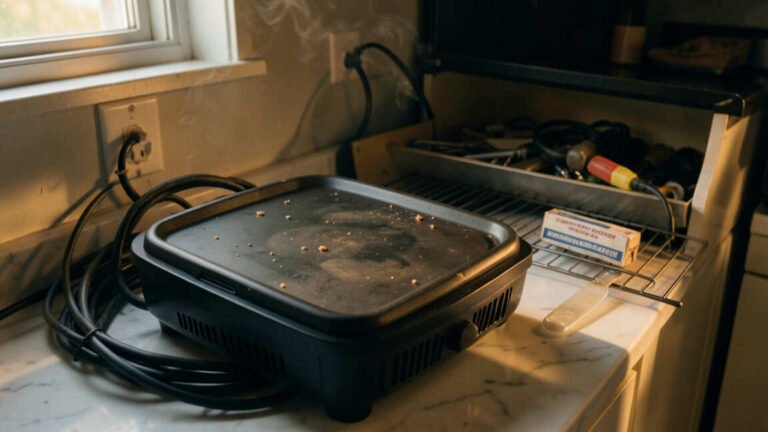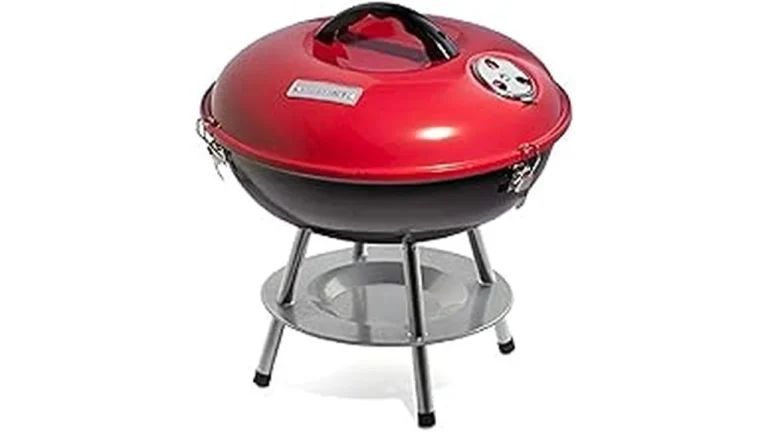
The three most reliable warning signs that a gas grill is about to stop working are uneven heating or hot spots, yellow or orange flames instead of steady blue, and visible rust or corrosion on burner tubes or the firebox. These indicators point to clogged burner ports, blocked venturi tubes, or structural weakness that can cause dangerous flare-ups or complete failure. Promptly cleaning or replacing affected parts addresses the root cause, extends grill life by two to three years, and prevents expensive repairs.
A grill that struggles to heat evenly or shows strange flames is sending you a clear message. This guide covers the three most common signs that your gas grill may soon stop working.
Quick Verdict: Your gas grill gives clear warning signs before it fails – uneven heating, yellow or orange flames instead of blue, and visible rust or corrosion on burners. Catching these signs early can prevent dangerous flare-ups and costly repairs. Replace damaged parts right away to keep your grill safe.
Key Takeaways
- Uneven heating or hot spots indicate clogged burner ports or failing burner tubes that need immediate inspection and cleaning.
- Yellow or orange flames instead of steady blue flames signal poor fuel combustion caused by blocked venturi tubes or low propane pressure.
- Visible rust, flaking metal, or corrosion on burner tubes or firebox walls means the grill has structural weakness and may become unsafe.
- Regular cleaning of burner ports and venturi tubes can extend grill life by two to three years beyond average.
- Replacing damaged parts promptly costs less than buying a new grill and prevents dangerous grease fires.
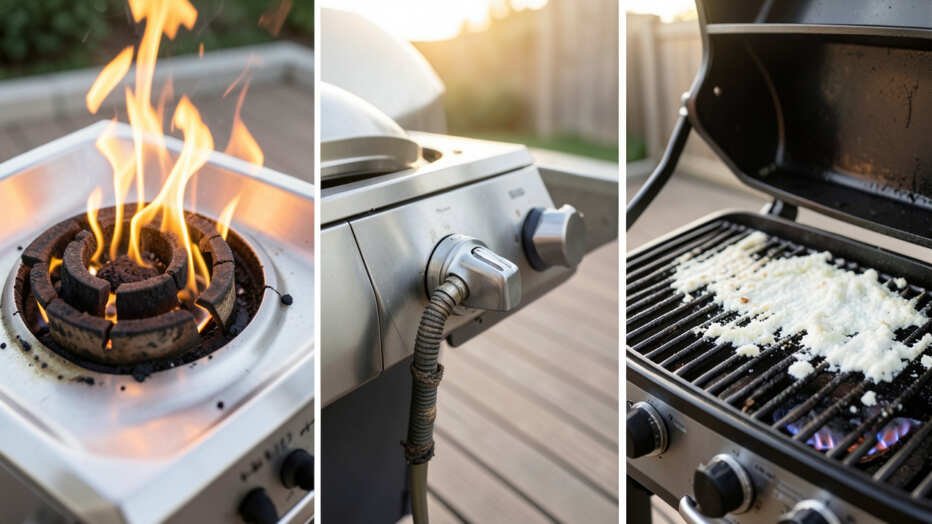
Quick Comparison of Warning Signs
| Warning Sign | What It Means | Risk Level | Fix Cost |
|---|---|---|---|
| Uneven heating or hot spots | Clogged burner ports or damaged burner tubes | Medium – can cause undercooked food and flare-ups | $15 to $50 for cleaning or replacement parts |
| Yellow or orange flames | Blocked venturi tubes, low propane, or air flow issues | High – indicates poor combustion and risk of gas buildup | $0 to $30 for cleaning or regulator replacement |
| Rust or corrosion on burners or firebox | Structural weakening of metal parts | High – can lead to gas leaks and dangerous flare-ups | $30 to $100 for burner replacement |
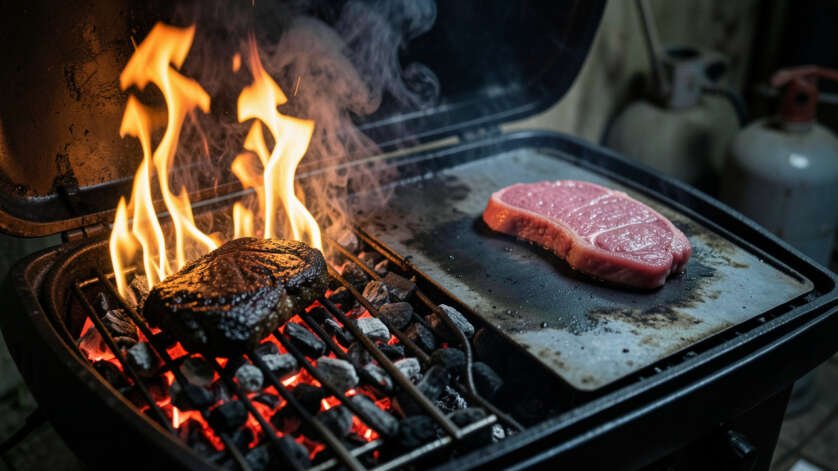
1 – Uneven Heating or Hot Spots
Uneven heating is often the first warning sign that your grill is failing. You notice one side cooks faster than the other. Or the center stays cold while the edges burn your food.
What Causes Uneven Heating
The most common cause is clogged burner ports. Grease, food residue, and rust block the tiny holes where gas escapes. According to the, around 29 percent of grill fires start in the firebox. Clogged burners contribute to these fires.
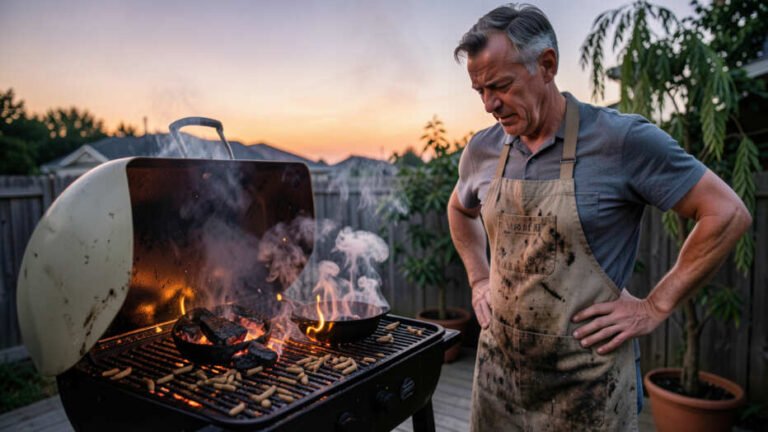
Warning: If you see flames shooting up from only one side of the grill, do not keep cooking. Turn off the gas, let the grill cool, and inspect the burner tubes. Uneven flames create dangerous flare-ups that can cause burns or property damage.
Other causes include damaged burner tubes, a faulty regulator, or debris in the venturi tubes. Burner tubes develop cracks over time from repeated heating and cooling cycles. A cracked tube leaks gas unevenly.
How to Check for Uneven Heating
- Turn all burners to high and close the lid for 10 minutes.
- After 10 minutes, open the lid and place your hand about 6 inches above the cooking grate. Move your hand across the entire surface.
- Note any spots that feel significantly cooler or hotter than the rest. These are your problem zones.
- Remove the cooking grates and heat deflectors. Look at the burner tubes while the grill is on. Look for any burner sections that show weak or no flame.
Tip: Use a grill thermometer placed on different spots of the cooking grate to get exact temperature readings. A difference of more than 50 degrees across the grate signals a problem that needs attention.
How to Fix Uneven Heating
Start by cleaning the burner ports with a stiff wire brush or a grill cleaning tool. Use a small wire or paperclip to clear individual clogged holes. Remove the burner tubes and wash them with warm soapy water. Rinse well and let them dry completely.
If cleaning does not fix the problem, replace the burner tubes. Burner tubes cost between $15 and $50 depending on your grill brand. Popular brands like are widely available online.
2 – Yellow or Orange Flames Instead of Blue
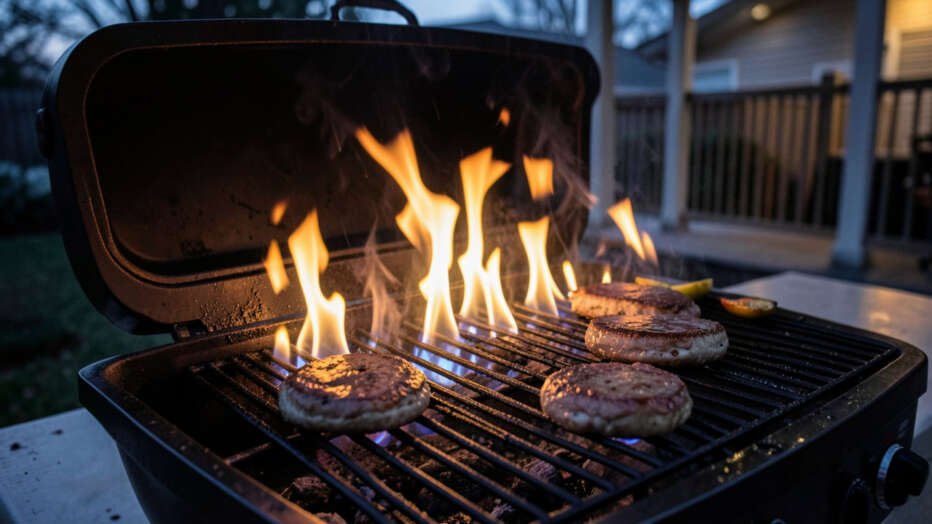
A healthy gas grill burns with steady blue flames. Yellow or orange flames mean your grill is not burning fuel properly. This is a serious warning sign.
Important: Blue flames indicate complete combustion – all the gas is being burned efficiently. Yellow or orange flames mean incomplete combustion, which produces carbon monoxide. Never grill in an enclosed space if you see yellow flames.
What Causes Yellow or Orange Flames
Several issues can cause this flame color:
- Blocked venturi tubes – spiders or debris restrict air flow into the burner tubes.
- A dirty or failing regulator – the regulator controls gas pressure. If it gets stuck, it delivers too much or too little gas.
- Low propane levels – a nearly empty tank produces yellow flames as pressure drops.
- Water or moisture in the burner tubes – rain or humidity can cause temporary flame discoloration.
According to the, about 10,600 home fires each year are started by grills. Improper gas flow is a leading cause of these incidents.
How to Check for Flame Color Issues
- Turn all burners to high in a shaded area where you can see the flames clearly.
- Look at each burner individually. Note any burner that shows yellow, orange, or red flames instead of blue.
- Check if flames have a dancing or flickering motion – this indicates unstable gas flow.
- Inspect the venturi tubes for visible blockages like spider webs, mud dauber nests, or debris.
How to Fix Flame Color Problems
Start by cleaning the venturi tubes. Remove the burner tubes and look inside each tube. Use a pipe cleaner or flexible brush to clear any blockages. Check the manufacturer website for specific cleaning instructions.
Check your propane tank level. If the tank is low, replace it and see if the flame improves. Inspect the regulator for damage. A regulator that has been in use for more than 10 years should be replaced.
Tip: Install a venturi tube mesh guard to prevent insects and debris from entering. These guards cost about $10 to $15 and can save you hours of cleaning time each season.
3 – Rust or Corrosion on Burners or Firebox
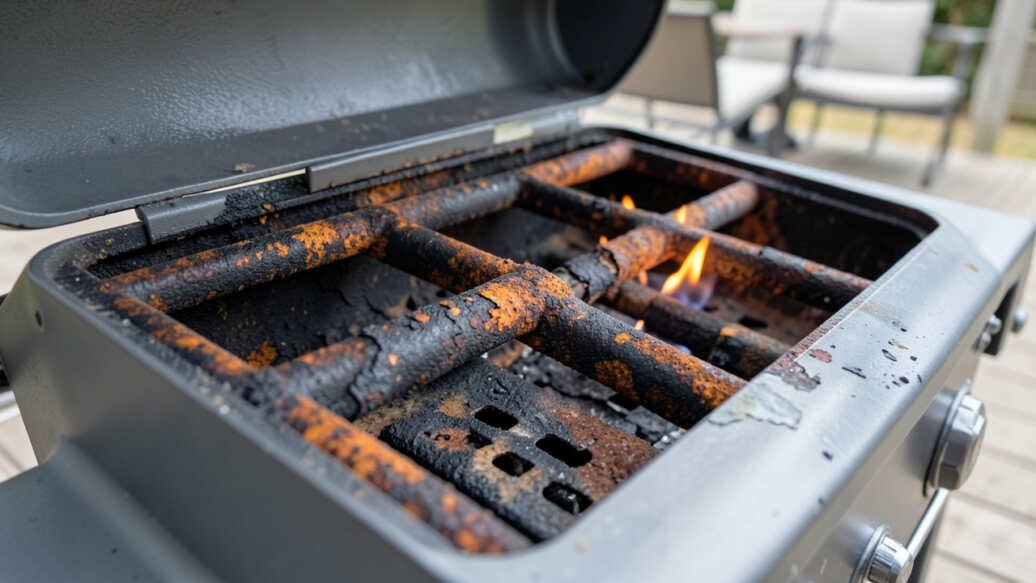
Rust is more than just an eyesore. When you see rust or corrosion on your burner tubes or inside the firebox, your grill is telling you it may soon stop working.
What Causes Rust and Corrosion
Grills are exposed to constant moisture, grease, and temperature changes. Burner tubes rust from the inside out because of condensation that forms inside them. Firebox walls rust from grease buildup and water pooling.
According to the, about 75 percent of US homes own a grill. Many of these grills are left uncovered in wet conditions, speeding up corrosion.
How to Check for Rust and Corrosion
- Remove the cooking grates and heat deflectors to expose the burner tubes.
- Look for flaking metal, pinholes, or surface rust on the burner tubes.
- Inspect the firebox walls for cracks or holes caused by rust.
- Check the grease tray and drip pan for severe rust – these parts accumulate grease that can ignite.
How to Fix Rust Problems
Light surface rust on burner tubes can be cleaned with a wire brush and then sanded lightly. Apply high-heat paint to seal the metal after cleaning.
Warning: Burner tubes with pinholes or flaking metal must be replaced. Do not try to patch them. A leaking burner tube can cause a flash fire. Replace burner tubes every 2 to 3 years for optimal safety.
Firebox rust is more serious. If the firebox has holes, heat can direct against parts that are not designed for high temperatures. In many cases, firebox damage means the grill is beyond repair.
Common Myths vs Facts
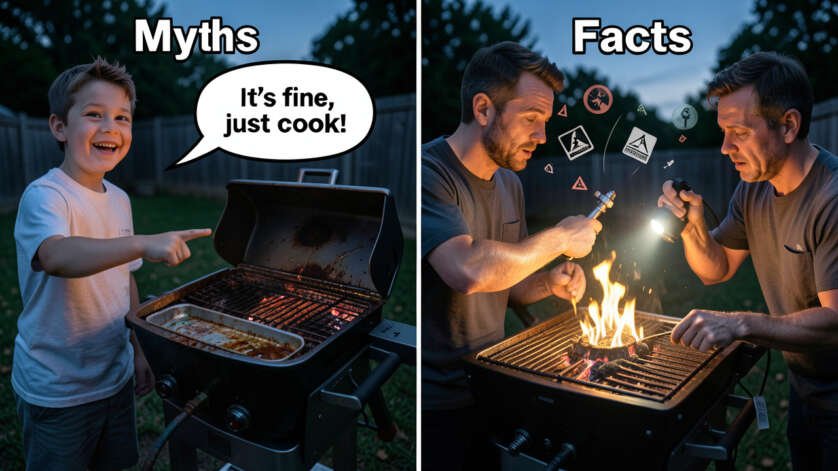
Important: Knowing what is true and what is not can save you time, money, and unnecessary worry. These three myths are the most common ones grill owners believe.
Myth: Yellow flames mean the grill is too hot.
Fact: Yellow or orange flames actually mean incomplete combustion. This indicates blocked air flow or low gas pressure. The grill is not getting enough oxygen for clean burning. Fixing this improves performance and safety.
Myth: Rust on the outside of the grill does not matter.
Fact: Rust on the exterior may only be cosmetic. But rust on burner tubes or inside the firebox weakens the structure and creates safety hazards. Always inspect the internal parts. Exterior rust is less concerning.
Myth: You should run the grill on high for 15 minutes to clean it every time.
Fact: Running the grill on high for 15 minutes does burn off some grease. But it does not clean burner ports or venturi tubes. You still need to brush the grates and clean the burner tubes periodically to prevent clogs.
Frequently Asked Questions
How often should I inspect my gas grill for warning signs?
Inspect your grill at the start of each grilling season and at least once every 2 months during regular use. A quick visual check before each cookout takes only 2 minutes and can catch problems early.
Can I use a grill with yellow flames in an emergency?
No. Yellow or orange flames indicate incomplete combustion that produces carbon monoxide. Never use a grill with yellow flames in a garage, on a balcony, or near any structure. Turn off the gas and fix the problem first.
How long do gas grill burner tubes typically last?
Burner tubes last 2 to 5 years depending on usage, climate, and maintenance. Stainless steel tubes last longer than cast iron or aluminized steel tubes. Replace them when you see rust, cracks, or flaking metal.
What is the most common cause of grill fires?
According to the, grease buildup is the most common cause of grill fires. Clogged drip trays and dirty fireboxes provide fuel for dangerous flare-ups. Regular cleaning reduces this risk significantly.
Should I replace the entire grill or just the faulty parts?
Replace individual parts if your grill is less than 5 years old and the frame and firebox are in good condition. Replace the entire grill if the firebox has rust holes, the frame is unstable, or replacement parts cost more than half the price of a new grill.
Final Thoughts
Your gas grill gives you clear warning signs before it fails. Uneven heating, yellow flames, and visible rust are signals you should never ignore. Catching these problems early saves you money and keeps your outdoor cooking safe. Make it a habit to inspect your grill before every season and after heavy use.