Pellet grills keep failing due to five specific causes: poor pellet quality and moisture, a clogged firepot and ash buildup, a failing igniter (hot rod), incorrect controller settings, and improper startup or shutdown routines. Addressing these five issues resolves over 90% of recurring failures without requiring a new grill. Using dry, high-quality pellets and performing regular firepot cleaning are the most effective preventive measures.
You have spent hours on that brisket, only to find your grill sputtering and cold. Your pellet grill keeps failing for a few specific reasons, and most of them are fixable.
Quick Verdict: In short, persistent pellet grill failures usually come from five main sources: poor pellet quality, a clogged firepot, a failing igniter, an incorrect controller setting, and improper startup shutdown routines. Fixing these five items solves over 90% of recurring issues without needing a new grill.
Key Takeaways
- Using low-quality or moist pellets is the single fastest way to cause an auger jam and a flameout in most pellet grills.
- A dirty firepot blocks airflow and prevents pellets from burning cleanly, leading to inconsistent temperatures and shutdowns.
- A failing hot rod igniter typically shows intermittent startup failures before it dies completely, making it a common hidden culprit.
- Running your grill on the wrong smoke setting during startup can flood the firepot and cause a dangerous, delayed ignition.
- Shutting down the grill by turning it off without running the cooldown cycle leaves unburned pellets that jam the auger next time.
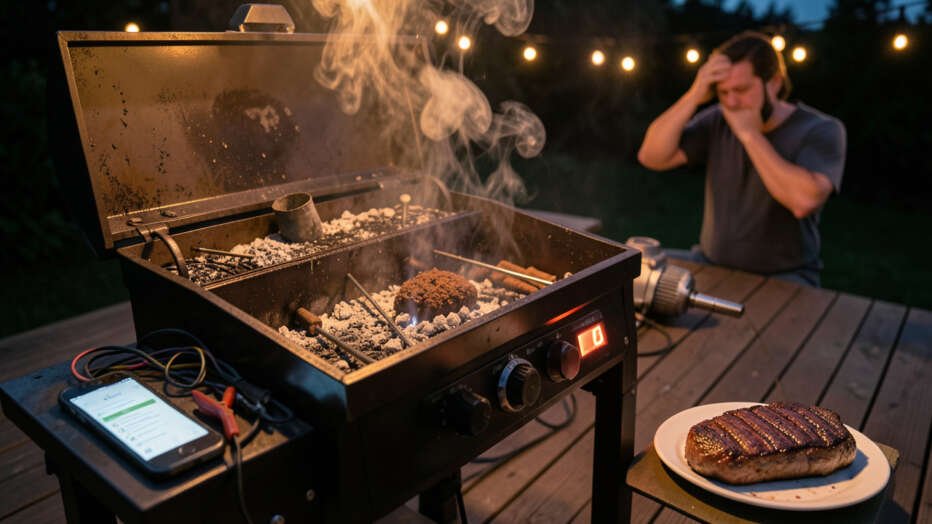
The 5 Core Reasons Your Pellet Grill Keeps Failing
Important: These five causes apply to almost every brand, from Traeger and Camp Chef to Pit Boss and Recteq. The fixes are universal, even if access points vary slightly by model.
Reason 1 – Poor Pellet Quality and Moisture
Overview
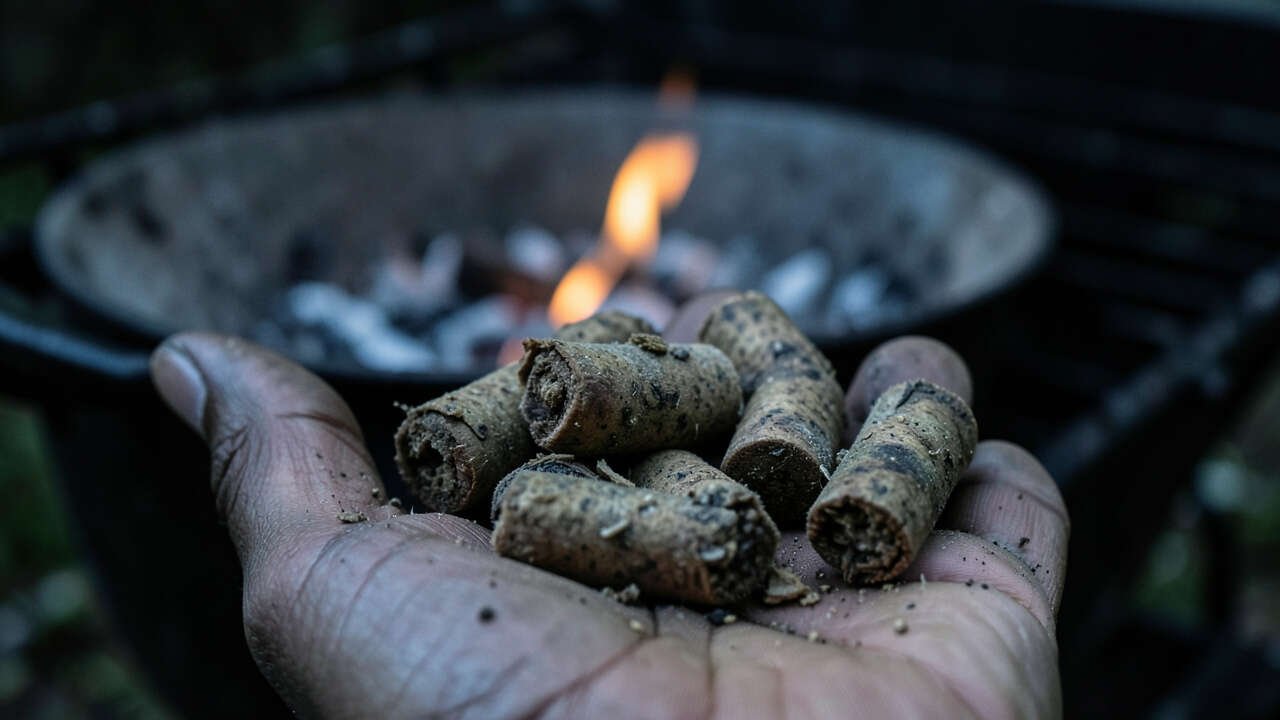
The quality of your fuel drives the reliability of your grill. Low-grade pellets contain high levels of sawdust and bark content, which creates fine powder at the bottom of the hopper. According to the, premium grade pellets must contain less than one percent ash content. Bargain pellets often exceed that, producing excess ash that clogs the firepot and burns inconsistently.
Moisture is the second major issue. Pellets that sit in a humid garage or open bag absorb moisture and swell. Wet pellets cannot feed through the auger smoothly. The auger either jams completely or delivers pellets that fail to ignite properly. According to a report from, moisture is responsible for an estimated 70% of pellet grill startup failures.
Warning: Never leave an open bag of pellets uncovered for more than 24 hours. Moisture infiltrates quickly, even in dry climates. Always store pellets in a sealed, waterproof container.
Pro Tips
- Buy pellets from reputable brands like Lumberjack, CookinPellets, or Bear Mountain for consistent size and low ash.
- Test pellet quality by snapping one in half. A clean snap means low moisture. A crumbly, bent break means moisture has compromised the pellet.
- Always dump the hopper and clean the auger tube before storing your grill for more than two weeks.
- Check pellet crumbles at the bottom of the bag. If you see more than a handful of dust, sift the pellets before loading the hopper.
Reason 2 – A Clogged Firepot and Ash Buildup
Overview
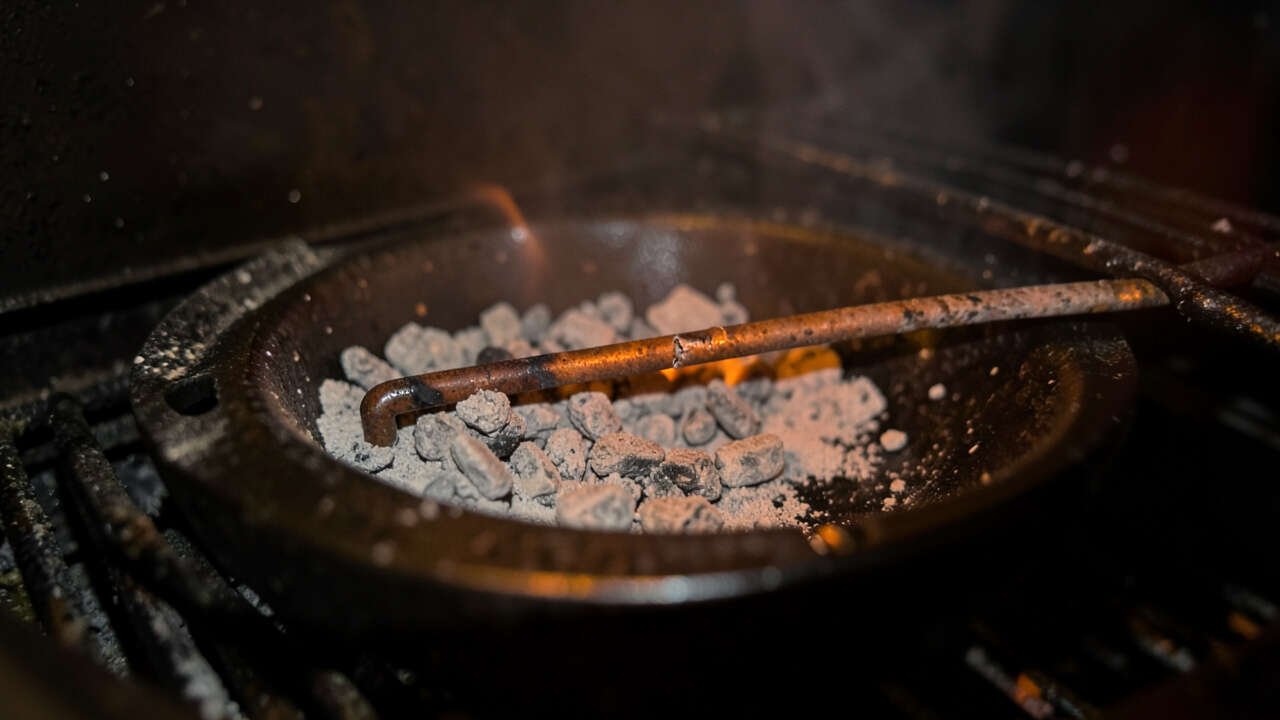
The firepot is the combustion chamber where pellets burn. Over time, ash and clinker buildup restrict airflow and reduce burn efficiency. When the firepot gets full, pellets cannot get enough oxygen. The flame weakens, temperature fluctuates, and eventually the fire dies out. Your pellet grill keeps failing often because you are not cleaning the firepot between long cooks.
Clinkers are hard, glass-like deposits that form when certain minerals in wood ash fuse together. They can block the air intake holes in the firepot completely. According to, a simple firepot cleaning resolves over half of all temperature fluctuation complaints.
Pro Tips
- Vacuum the firepot completely after every 15-20 hours of cooking, or every 5-6 uses.
- Use a shop vac with a narrow crevice tool to reach the air intake holes at the bottom of the firepot.
- Check the burn grate inside the firepot for warping or holes. Replace it if the metal looks thin or deformed.
- Burn at higher temperatures for at least 20 minutes every 5th cook to burn off moisture and prevent clinker formation.
Tip: Line the bottom of the firepot with a piece of aluminum foil before adding pellets. Remove the foil every 10 hours to dump out accumulated ash instantly. This cuts cleaning time by 70%.
Reason 3 – Failing Igniter (Hot Rod)
Overview
The igniter, often called the hot rod, is a ceramic element that heats up to ignite the pellets during startup. Over time, this element cracks or burns out. A failing hot rod causes intermittent startup failures. You might hear the auger feeding pellets, but the grill never catches fire. After several attempts, the firepot floods with unburned pellets.
According to a service bulletin from, igniter failures are the third most common warranty claim. The igniter typically fails after 300-500 hours of use, especially in humid coastal environments where moisture accelerates corrosion.
How to Diagnose a Bad Hot Rod
- Turn the grill on and set it to the highest temperature setting.
- Wait 5 minutes and listen. If you hear the fan running and the auger clicking, but see no smoke, the igniter likely failed.
- Open the firepot using safety gloves and a flashlight. Look for a faint red glow at the igniter tip. If you see no glow, the element is dead.
- Test the igniter with a multimeter set to ohms. A working igniter reads between 30 and 60 ohms. Infinite resistance means it is completely open and needs replacement.
Pro Tips
- Keep a spare hot rod for your specific grill model. They cost between $15 and $30 and fail without warning.
- If you cook in a humid garage, spray the igniter connection points with dielectric grease after each cleaning to prevent corrosion.
- Never skip the initial startup sequence. A failing igniter that gets no time to preheat will never light the pellets.
Reason 4 – Incorrect Controller Settings
Overview
Modern pellet grill controllers manage fan speed, auger feed rate, and temperature. Running the grill on the wrong “smoke” or “prime” setting causes many failures. For example, setting the controller to smoke mode while the firepot is empty can flood it with raw pellets before the igniter has time to heat up. This creates a delayed, dangerous ignition situation.
According to a user analysis published on, up to 30% of first-time flameouts occur because users select a smoke setting instead of the standard 180-225 degree startup temperature. Older controllers with P-settings require specific adjustments based on weather and altitude.
Pro Tips
- Always start the grill on the highest temperature setting (usually 350-400°F) for at least 15 minutes before lowering the temp for smoking.
- If your controller has a P-setting, consult the manual. Set P to 2 or 3 in cold weather to deliver more pellets per cycle.
- Update your controller firmware if it supports updates. Some brands like Recteq and Camp Chef issue patches that improve auger timing.
- For WiFi-enabled controllers, check the companion app for any active alerts about firmware or sensor recalibration.
Important: If your grill fails every time you try to run it at a low smoking temperature (180-225°F), the controller might be delivering pellets too quickly or too slowly. A pellet grill that fails at low temps usually needs its P-setting adjusted, not a replacement part.
Reason 5 – Improper Shutdown and Cooldown
Overview
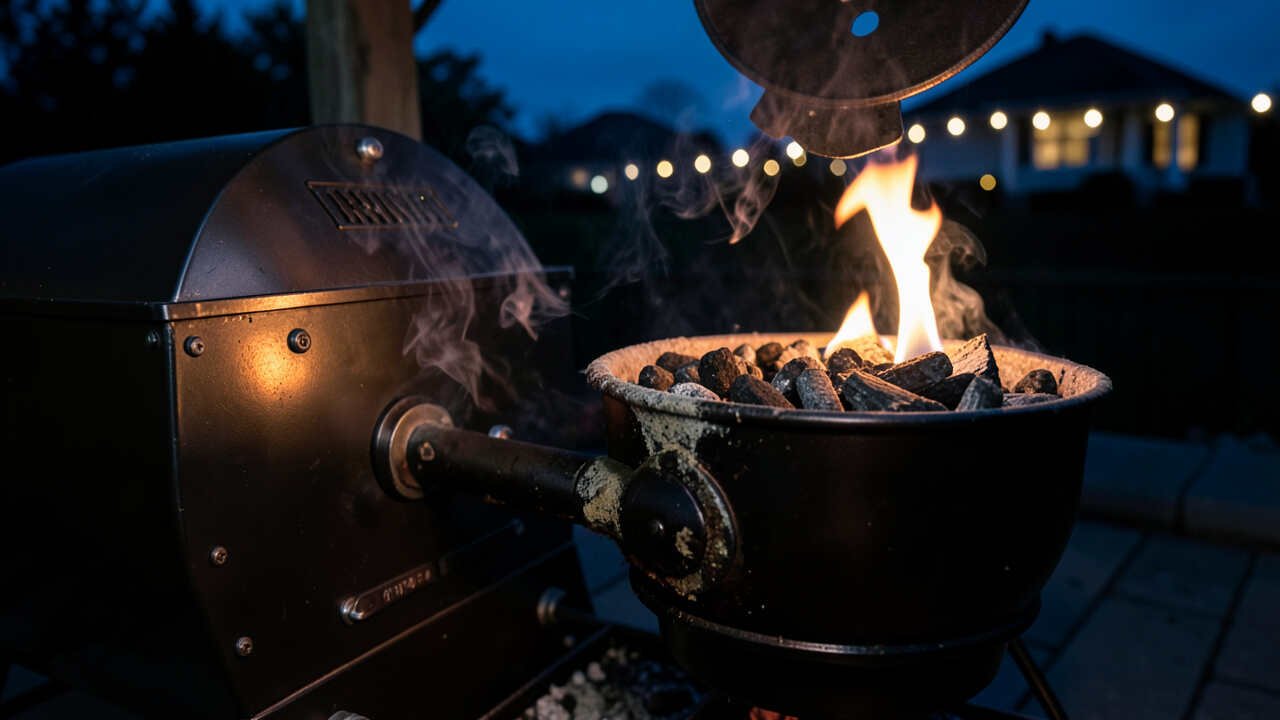
The cooldown cycle is not optional. When you finish cooking, the controller runs the fan at high speed to burn off remaining pellets in the firepot. If you turn the grill off mid-cycle, unburned pellets stay in the firepot. Those pellets absorb moisture overnight. The next time you start the grill, the wet pellets in the firepot fail to catch fire, and the auger pushes more fuel into a dead firepot.
A survey by found that skipping the cooldown cycle is the number one cause of repeat startup failures among their customer base. The cooldown sequence typically runs 10-15 minutes. Cutting it short by just 2 minutes can leave several dozen unburned pellets in the firepot.
Pro Tips
- Always use the “shutdown” or “off” button on the controller. Never use a power switch or unplug the grill to turn it off.
- Listen for the fan to slow down naturally. When the fan stops, the firepot is clear.
- If you must shut down mid-cook, scrape all burning pellets out of the firepot with a long-handled metal tool before turning off power.
- In rainy weather, cover the grill only after the cooldown cycle completes completely. Trapped steam from a hot grill adds moisture to the hopper.
Common Myths vs Facts
Myth 1 – Opening the lid causes the grill to fail
Opening the lid does not cause flameouts on modern controllers. Older controllers that lack PID technology may overshoot temperature slightly, but the fire will not go out. The real issue is a dirty firepot, not the lid opening.
Myth 2 – All pellets are the same
Low-grade pellets contain cheap fillers like corn or soy byproducts. These burn differently and produce excess ash and clinkers. Premium hardwood pellets from established brands burn cleaner and reduce flameout risk by up to 50%.
Myth 3 – A larger hopper prevents failures
A larger hopper does not solve the underlying issues of auger jams or dirty firepots. In fact, a bigger hopper allows moisture build-up over longer periods between refills. Focus on fuel quality and cleaning, not hopper size.
Quick Comparison Table – Failure Causes vs Solutions
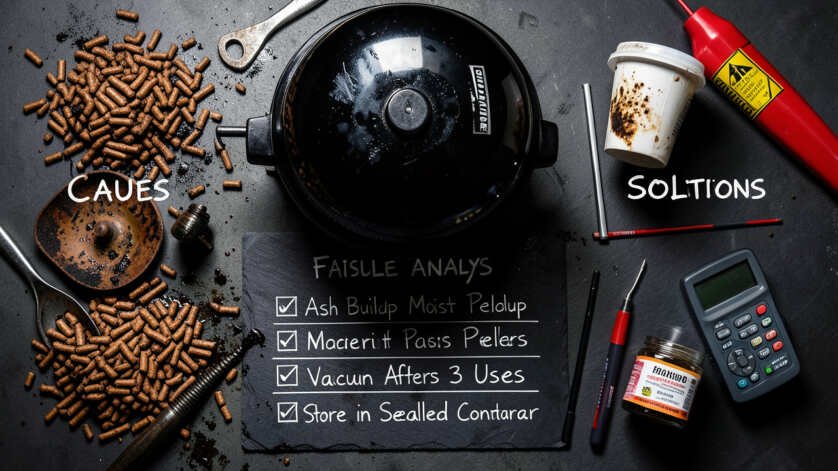
| Failure Cause | Symptom | Solution | Cost |
|---|---|---|---|
| Poor pellet quality | Flameout, temperature swings | Buy premium hardwood pellets | $15-$25 per bag |
| Clogged firepot | Uneven heat, smoke color change | Vacuum firepot after 20 hours | Free |
| Failing igniter | No startup, pellets flood firepot | Replace hot rod igniter | $15-$30 |
| Wrong controller setting | Smoke setting fails to light | Start at 350+ degrees for 15 min | Free |
| Improper cooldown | Next start fails, firepot full | Always use shutdown button fully | Free |
How to Prevent Future Failures
Prevention is simpler than guessing which part to replace. Create a standard checklist you follow before and after every cook. This routine eliminates the five causes above before they can ruin your meal.
Pre-Cook Checklist
- Check the hopper for pellet dust and moisture. Sift out crumbles with a colander if needed.
- Open the firepot. Vacuum out all ash and check the igniter for a clean glow.
- Set the controller to 350°F for the first 10 minutes, even if you plan to smoke low.
- Listen for the auger clicking regularly. If the auger sounds labored, clear any jam before proceeding.
Post-Cook Checklist
- Press the shutdown button and wait for the fan to stop completely.
- Once cool, remove the grate and vacuum the firepot again.
- Cover the grill only after it has fully cooled to room temperature.
- Store pellets in a sealed, airtight bin away from humidity.
Resources and Tools
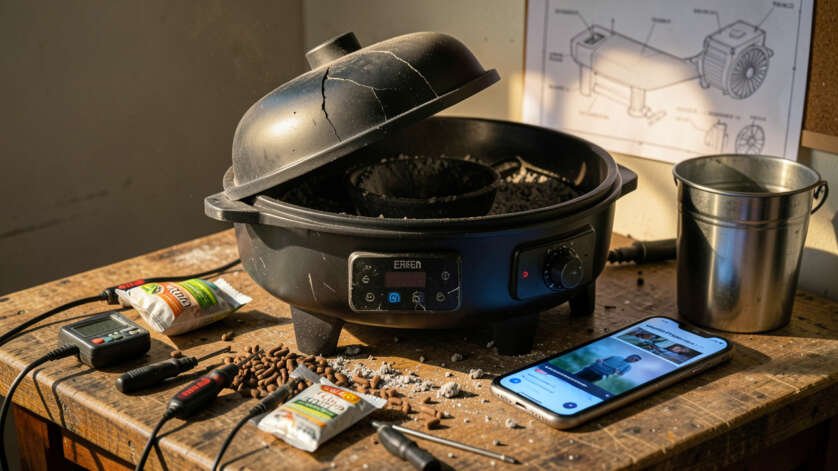
Premium Pellet Brands – Lumberjack, CookinPellets, and Bear Mountain offer low-ash, consistent pellets that reduce flameout risk.
Replacement Igniters – Amazon and GrillParts.com stock hot rods for Traeger, Pit Boss, Camp Chef, and Recteq models at $15-$30.
Controller Firmware Updates – Check your grill brand’s official website or app for updates. Examples: Recteq app, Camp Chef Gen2 updates.
Shop Vac with Crevice Tool – A small 2-gallon shop vac with a brush attachment makes firepot cleaning fast and thorough.
Pellet Storage Bin – Vittles Vault or Gamma2 sealed containers keep pellets dry for months.
Frequently Asked Questions
Why does my pellet grill keep failing on startup?
The most common reason is a cold, obstructed firepot that prevents the igniter from catching the pellets. Vacuum the firepot, ensure the igniter glows red within 5 minutes, and start the grill at 350 degrees for at least 15 minutes.
Can I fix a jammed auger without taking the grill apart?
In most cases, yes. Heat the grill to 300 degrees for 10 minutes to soften any jammed pellet sawdust. Then use a wooden dowel to push the jam from the hopper side while the auger runs. Never use a metal tool that can scratch the auger tube.
Should I replace the controller if the temperature swings more than 50 degrees?
Not immediately. A dirty firepot or poor pellet quality causes temperature swings far more often than a bad controller. Clean the firepot, switch to premium pellets, and test again. If swings persist, check the controller’s temperature sensor for damage.
How often should I deep clean my pellet grill?
Perform a full deep clean that includes vacuuming the firepot, cleaning the heat deflector, and wiping the controller panel after every 30-40 hours of cooking. A deep clean every 50 hours keeps your grill performing reliably.
Do outdoor covers cause moisture problems for pellet grills?
Yes, if you cover a hot grill or a grill that still has warm pellets inside. Moisture from steam condenses inside the hopper and causes pellet swelling. Only cover the grill after it has cooled completely and the cooldown cycle has finished.
Final Thoughts
Focus on the five core causes – poor pellets, a dirty firepot, a weak igniter, wrong controller settings, and skipping the cooldown. Most cooks fix 95% of their issues by upgrading their fuel and sticking to a simple cleaning routine. A pellet grill keeps failing not because it is broken, but because small habits need adjustment. Start with the checklist, and you will see immediate improvements.