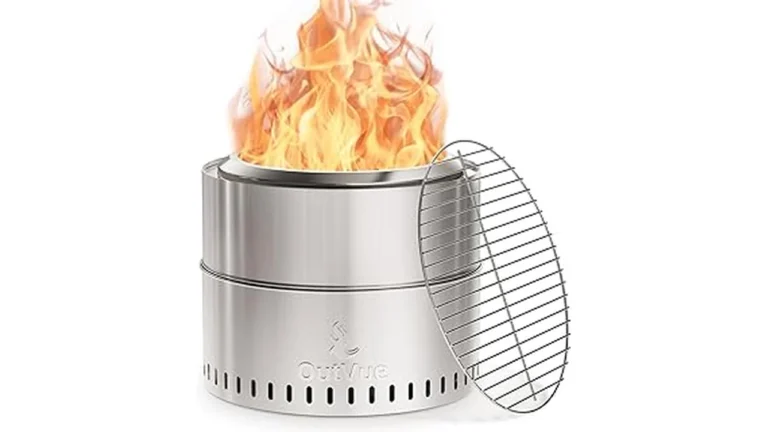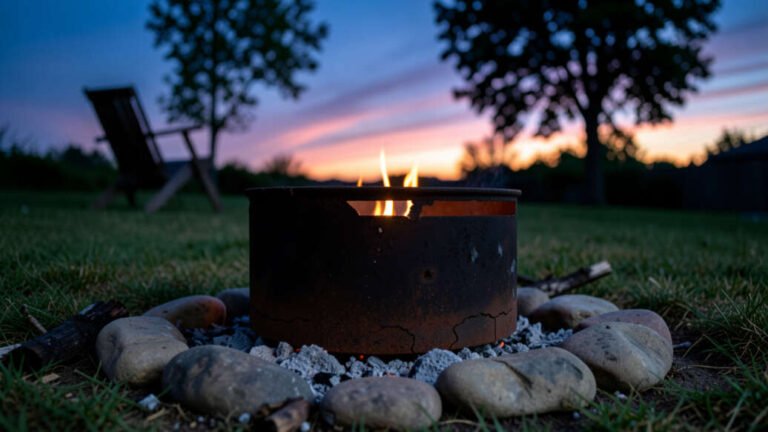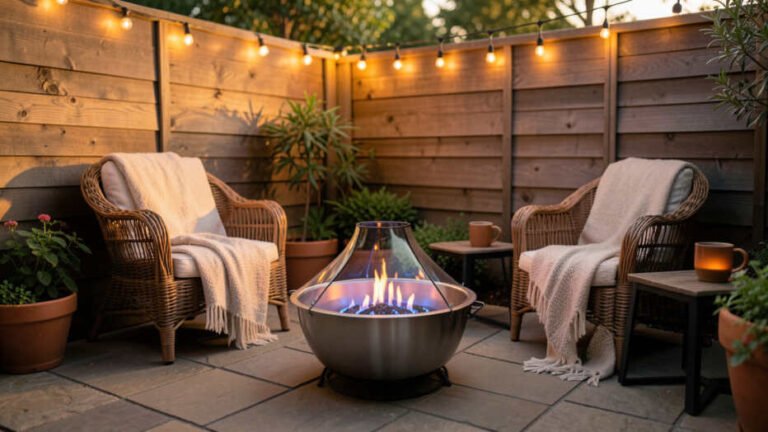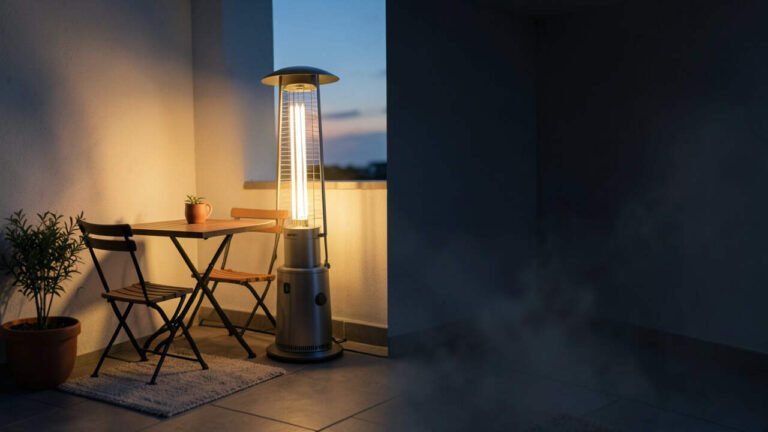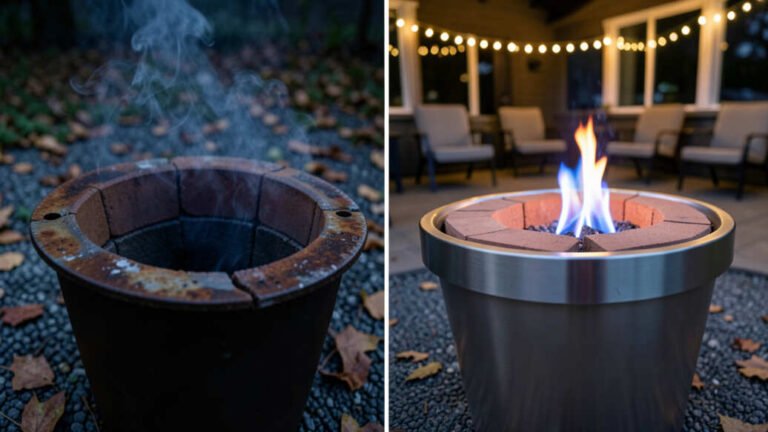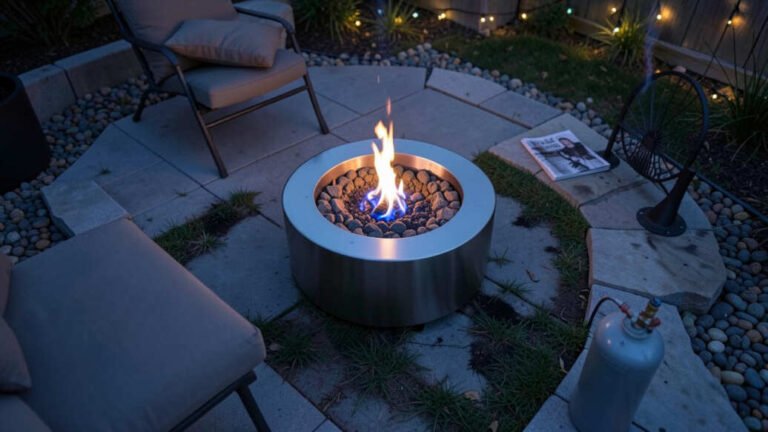
For a small patio, a fire pit is generally better because it radiates heat in all directions within a compact footprint and doubles as a design centerpiece. A fire pit provides efficient, ambient warmth for gatherings, but a patio heater offers instant, smokeless directional heat if you have extremely limited floor space or ventilation concerns. Choose a fire pit for cozy flames and all-around heating, or opt for a heater when immediate, adjustable warmth and zero smoke are essential.
A small patio forces tough choices. You want warmth but also style and space. This guide compares patio heaters and fire pits for small outdoor areas.
Quick Verdict: For a small patio, a fire pit typically wins. It heats more efficiently in a compact footprint, creates ambiance, and doubles as a design centerpiece. Choose a fire pit if you want cozy flames and can manage smoke. Pick a heater if you need instant directional warmth and have zero space for a pit.
Key Takeaways
- A fire pit heats a small patio more efficiently because it radiates heat in all directions and uses a smaller footprint than a heater.
- Patio heaters offer immediate, adjustable heat without smoke, making them ideal for small, enclosed patios where ventilation is limited.
- Fire pits provide ambiance and can double as a cooking surface, but require a stable flame and adequate clearance from structures.
- Fuel type matters: propane and natural gas are common for both, but electric heaters win on simplicity for very small patios.
- Safety ratings from the Consumer Product Safety Commission show that fire pits cause more home fire incidents than heaters, but proper placement reduces risk.
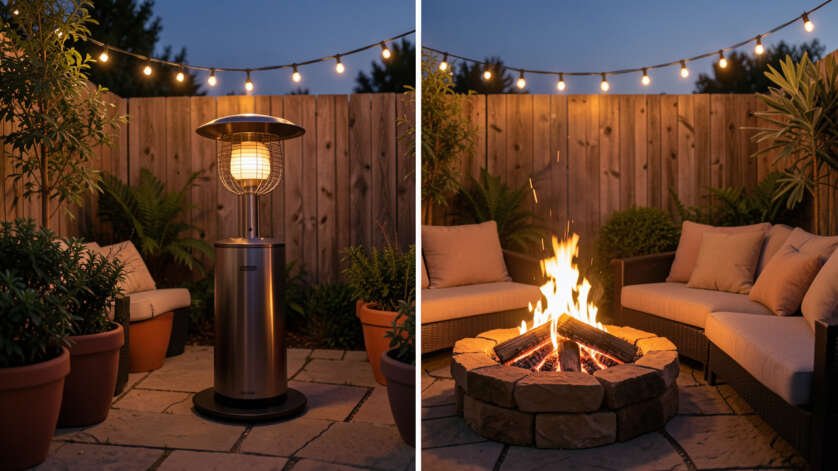
Quick Comparison Table
| Feature | Fire Pit | Patio Heater |
|---|---|---|
| Footprint | 12-24 inches diameter | 18-30 inches base plus overhead clearance |
| Heat Coverage | 360 degrees, up to 15 ft | Directional, 8-12 ft radius |
| Heat Output (BTUs) | 40,000-70,000 BTUs | 10,000-50,000 BTUs |
| Fuel Options | Wood, propane, natural gas | Propane, natural gas, electric |
| Smoke / Fumes | Moderate to high (wood); low (gas) | Low (gas); none (electric) |
| Average Cost | $80-$500 | $60-$400 |
| Ambiance | High – visible flames | Low – no visible flame |
Important: The National Fire Protection Association reports that fire pits cause an average of 5,100 home structure fires per year in the US. Patio heaters cause about 1,200. But with proper placement and care, both are safe for small patios.
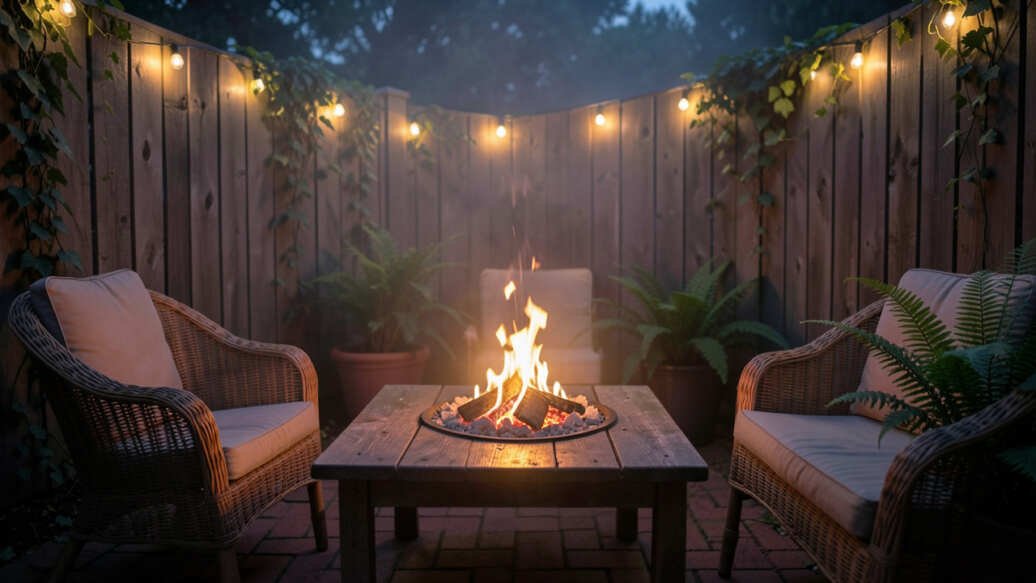
Fire Pit Overview for Small Patios
A fire pit is a contained outdoor fireplace. It burns wood, propane, or natural gas. On a small patio, a fire pit acts as a heat source and a social gathering point.
Gas fire pits are cleaner than wood ones. They produce less smoke and require no ash cleanup. Wood pits offer a traditional campfire feel but need more ventilation.
The typical fire pit for a small patio measures 12 to 24 inches across. This makes it one of the most space-efficient heating solutions available.
Pros of a Fire Pit
- Heats evenly in all directions – good for seating around it.
- Creates a strong visual centerpiece that adds property value.
- Some models double as a grill or cooking surface.
- No electricity needed – works during power outages.
- Fuel costs are lower than electric heaters over time.
Cons of a Fire Pit
- Smoke from wood pits can be a problem in tight spaces.
- Requires at least 10 feet of clearance from buildings and overhead structures.
- Flame height may not be adjustable on basic models.
- Ash and soot cleanup required for wood models.
- Not ideal for very small or enclosed patios due to carbon monoxide risks.
Warning: Never use a wood or gas fire pit under a roof, pergola, or awning. Carbon monoxide can build up quickly. Always place the pit on a non-combustible surface like stone or concrete.
Patio Heater Overview for Small Patios
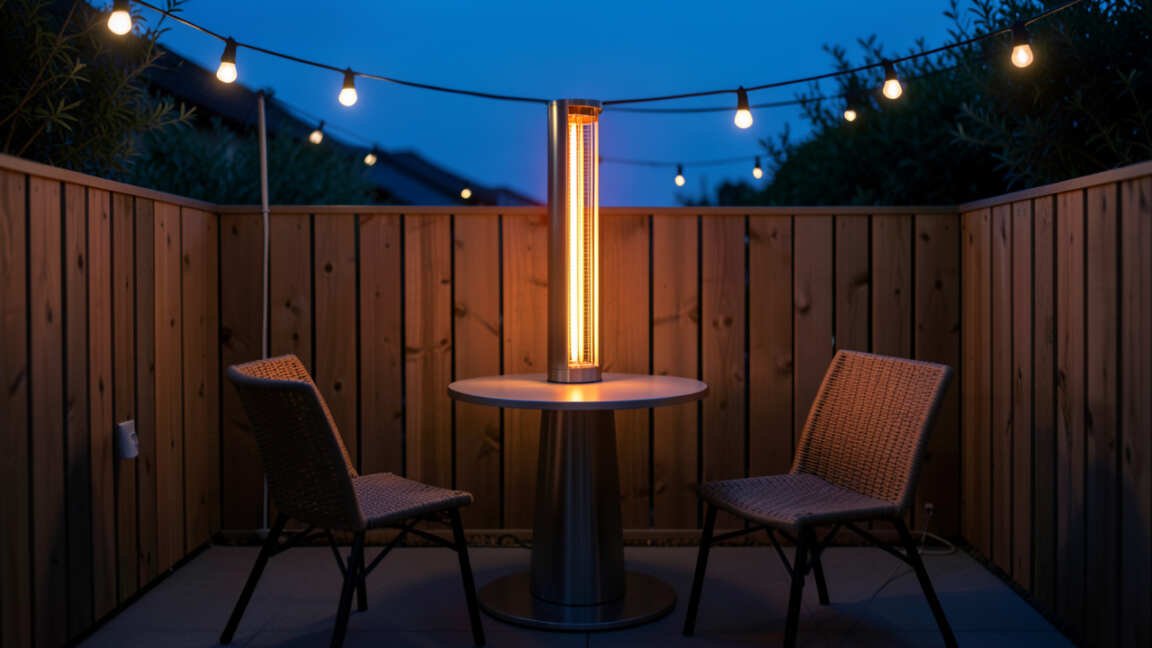
A patio heater is a portable upright unit. It uses propane, natural gas, or electricity to radiate heat. Most models have a tall pole with a reflector dish on top.
Electric heaters are the smallest option. Some mount on walls or ceilings, which saves precious floor space. Gas heaters provide more heat output but need more clearance.
Patio heaters warm only the area directly below them. They are less social than fire pits because people must stay close to feel the heat.
Pros of a Patio Heater
- Instant heat with adjustable settings – turn it on and off as needed.
- No smoke, ash, or fumes (electric models produce zero emissions).
- Can be mounted to save floor space on very small patios.
- Safer near combustible materials compared to an open flame.
- Works well in windy conditions – many models are wind-resistant.
Cons of a Patio Heater
- Heats only one direction – not ideal for group seating.
- Tall pole and base take up floor space (unless wall-mounted).
- Less visual appeal – no dancing flames or campfire ambiance.
- Electric models may require a nearby outlet.
- Fuel costs for propane can add up if used for hours daily.
Head-to-Head Comparison
Space Efficiency
A fire pit takes up floor space but can double as a table. A small bowl fire pit of 12 inches fits on a bistro table. A patio heater requires a 2-3 foot clear area around it to avoid tipping.
For very small patios under 80 square feet, a wall-mounted electric heater wins. It uses zero floor space. For patios of 80-150 square feet, a compact fire pit on a stand works well.
According to the American Society of Landscape Architects (ASLA), fire pits are the most requested outdoor heating feature for small patios in 2024 surveys.
Heat Performance
Fire pits produce higher BTU output – up to 70,000 BTUs. This creates a wider heat zone. Patio heaters top out around 50,000 BTUs but provide more concentrated heat.
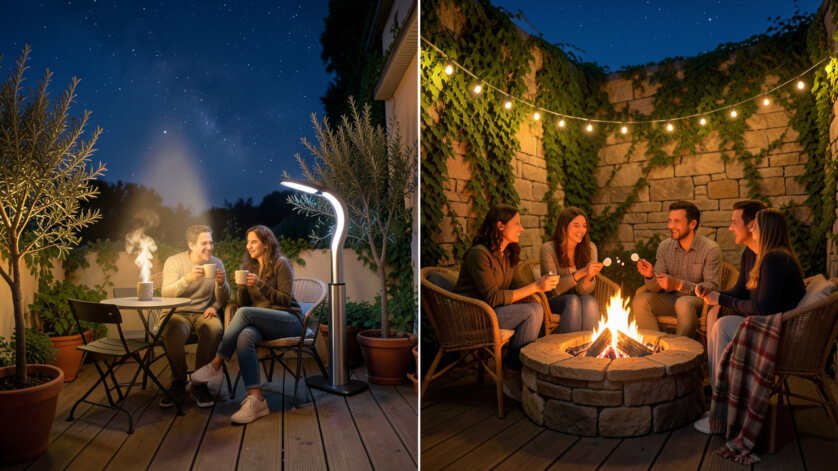
On a cold evening, a fire pit can warm a circle of 4-6 people sitting around it. A patio heater typically warms only two people seated directly under the reflector.
If you entertain small groups, choose a fire pit. For solo use or couples, a heater may be enough.
Safety
The Consumer Product Safety Commission (CPSC) reports that patio heaters cause fewer fires than fire pits. The main risk is tipping. Always place heaters on level ground.
Fire pits pose a higher burn risk. The CPSC states that 2,100 children visit the ER each year due to fire pit burns. Cover or protect the pit when not in use.
Gas models of both types require proper hose connections to prevent leaks. Check connections with soapy water before each use.
Cost Comparison
Initial purchase prices are similar: $80-$500 for a fire pit, $60-$400 for a heater. But long-term costs differ.
Fuel cost: Propane costs about $15-$25 per 20-pound tank. A fire pit uses one tank per 6-10 hours. A heater uses one tank per 12-18 hours at medium setting. Electric heaters cost about $0.30-$0.60 per hour to run, depending on local electricity rates.
Maintenance: Fire pits need ash removal and occasional drying. Heaters need dusting and occasional reflectors cleaning. Both require winter storage in cold climates.
Which One Should You Choose?
Your choice depends on three factors: patio size, use case, and local regulations.
Choose a fire pit if:
- Your patio is at least 80 square feet and has open air above.
- You want to host 3-6 people around a warm centerpiece.
- You value ambiance over instant on/off convenience.
- You can manage smoke (or use a gas fire pit).
Choose a patio heater if:
- Your patio is very small (under 80 square feet) or partially covered.
- You need heat you can turn on and off quickly.
- You have no desire for open flames or smoke.
- You want a discreet heating solution (wall-mounted).
If you cannot decide, consider a propane tabletop fire pit. It combines the smaller footprint of a heater with the flame of a fire pit. These units are typically 8-12 inches wide and sit on a side table.
Tip: Measure your patio before buying. Mark the circle where you plan to place the unit. Make sure chairs can fit around it with at least 3 feet of walking space.
Common Myths vs Facts
Myth 1: Fire pits are always cheaper than heaters
Fact: Initial costs are similar. But wood fire pits need ongoing fuel costs for firewood, which can exceed propane costs in some regions. Gas fire pits and gas heaters have nearly identical operating costs.
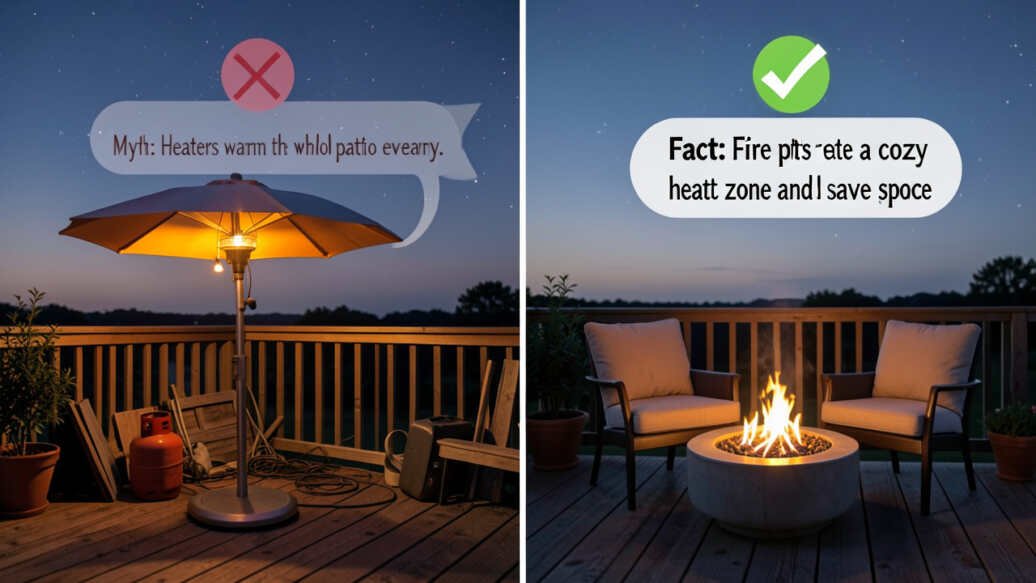
Myth 2: Patio heaters work better in small spaces
Fact: Heaters concentrate heat in one direction. In a small patio, a fire pit’s 360-degree warmth often works better because it surrounds the whole seating area.
Myth 3: You can use any fire pit under a covered patio
Fact: Gas and wood fire pits produce carbon monoxide. You must use them only in open areas. Electric patio heaters are the only safe option under a roof or pergola.
Frequently Asked Questions
Can I use a fire pit on a small balcony?
Yes, but only if the balcony is open-air and at least 10 feet from any wall or ceiling. Most apartment buildings ban open flames on balconies. Check your lease. A small propane fire pit is safer than wood in this setting.
How much clearance does a patio heater need?
Patio heaters need 3 feet of open space on all sides. Keep them away from umbrellas, plants, and furniture. Ceiling clearance depends on the model: most need at least 6 feet of overhead space.
Which is more energy efficient: fire pit or heater?
Fire pits are generally more efficient for heating a group because they radiate heat in all directions. A 40,000 BTU fire pit can warm 4-6 people, while a 40,000 BTU heater warms only 2 people.
Do electric patio heaters use a lot of electricity?
A typical 1,500-watt electric heater costs about $0.18 per hour at average US electricity rates. Running it for 4 hours nightly costs about $21 per month. That is lower than propane costs for the same hours.
Are fire pits safe for small patios?
Yes, with precautions. Use a propane fire pit instead of wood to reduce smoke. Place it on a non-combustible mat. Keep a fire extinguisher nearby. Install a carbon monoxide detector if using gas near a residence.
Resources and Tools
- CPSC Outdoor Fire Safety Guide – Official safety recommendations for fire pits and heaters.
- NFPA Fire Pit Safety Tips – National Fire Protection Association guidelines.
- Energy Star Outdoor Heating Products – Find efficient electric heaters.
- ASLA Outdoor Design Trends – Landscape architects’ data on popular patio features.
Final Thoughts
Deciding between a patio heater and fire pit for a small patio comes down to how you use the space. A fire pit wins on heat efficiency, ambiance, and social appeal. A patio heater wins on convenience, safety under cover, and zero smoke. Measure your patio size honestly. If you have room for a 12-inch fire pit, choose that. If floor space is extremely tight, mount an electric heater on the wall.