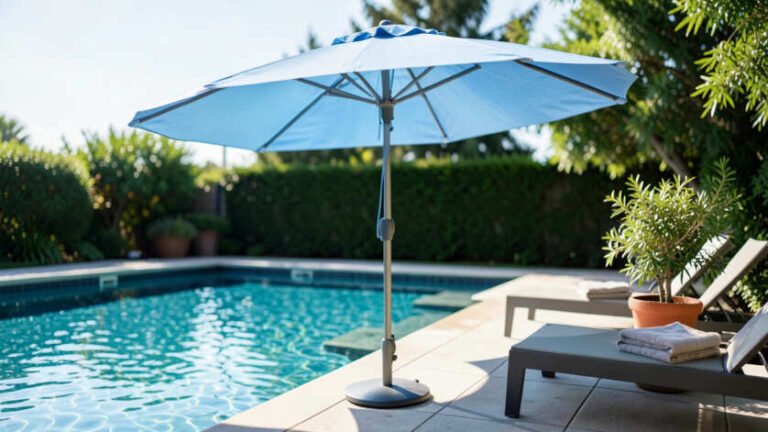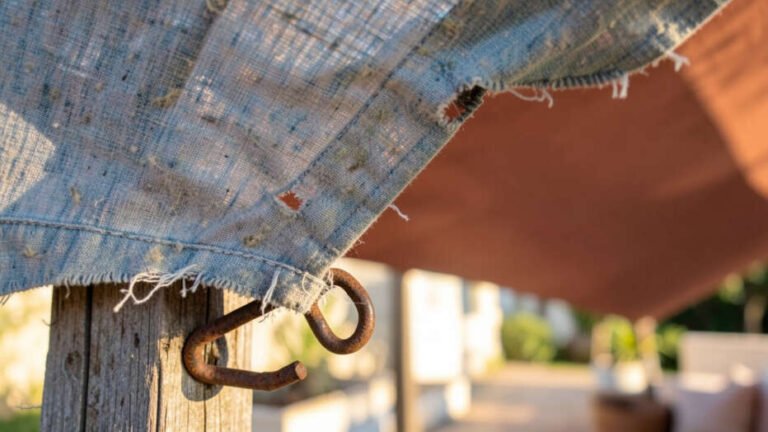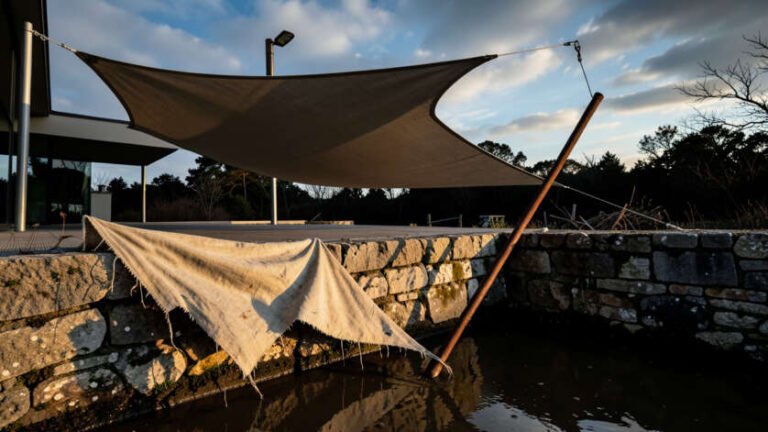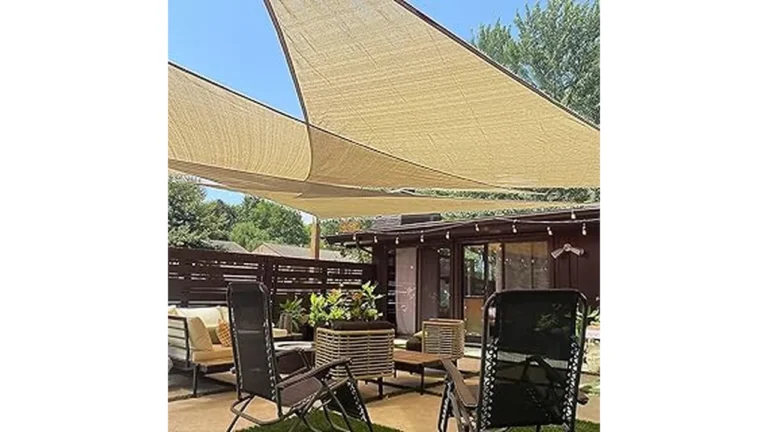
Yes, a patio umbrella can be used in a patio dining area without damage when the umbrella is properly sized, the base is sufficiently weighted, and the setup is secured against wind. The most common damage comes from wind gusts over 15-20 mph, so closing or removing the umbrella during high winds prevents structural harm and table collisions. Using high-quality solution-dyed acrylic fabric and storing the umbrella when not in use protects against UV fading and extends the umbrella's lifespan.
You want shade over your outdoor dining table without ruining your umbrella. A standard patio umbrella can work perfectly in a dining area if you choose the right setup and follow a few safety steps. This guide explains how to enjoy shade without damaging your umbrella, your table, or your guests.
Quick Verdict: Simply put, yes you can use a patio umbrella in a patio dining area without damage. The key is matching the umbrella size to the table, using a sturdy base with proper weight, and protecting it from wind and sun. Most damage comes from poor setup, not normal use.
Key Takeaways
- A properly sized patio umbrella with a heavy enough base can be used safely over any dining table.
- Wind is the primary cause of umbrella damage; always close or remove the umbrella in winds over 15-20 mph.
- UV rays degrade fabric and aluminum over time, so using a high-quality solution-dyed acrylic fabric and storing the umbrella when not in use extends its life.
- Cleaning the umbrella regularly and using a protective cover prevents mold, mildew, and fading.
- Choosing a tilting or adjustable umbrella helps avoid collisions with dining chairs and reduces stress on the pole.
What Types of Damage Can Occur?
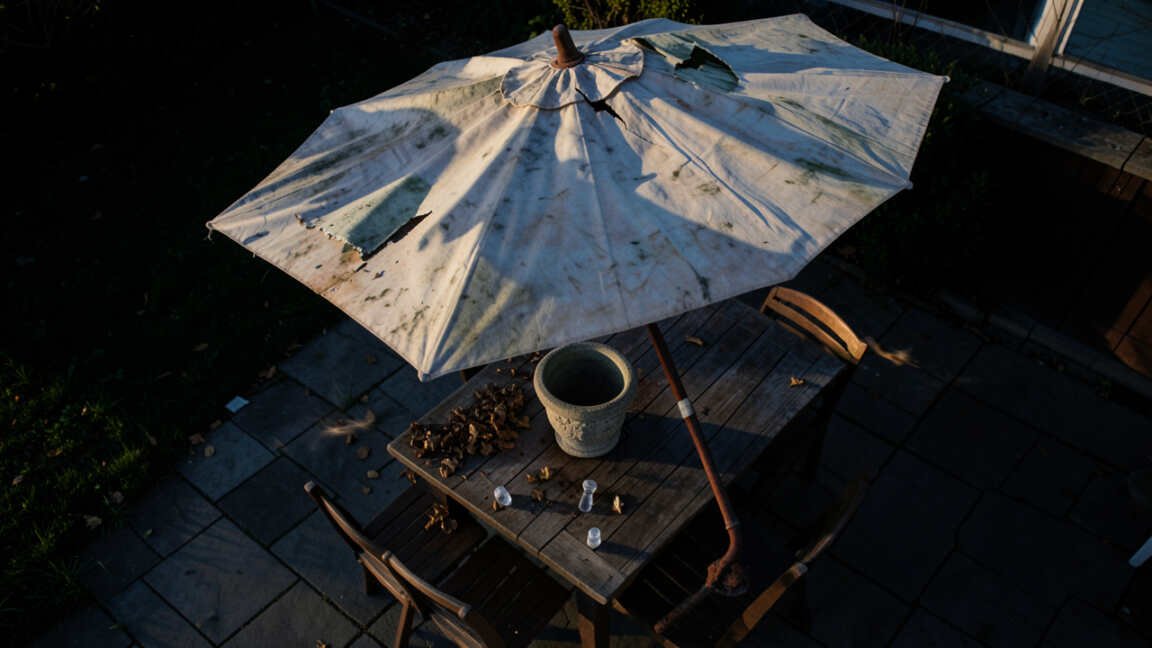
Before you set up, know what can go wrong. Patio umbrellas face three main threats.
Structural Damage From Wind
Wind can snap ribs, bend the pole, or topple the entire unit. According to the, a 10-pound base is often too light for a 9-foot umbrella. They recommend at least 50 pounds for wind resistance. A gust of 20 mph exerts about 40 pounds of force on a standard 9-foot umbrella.
Warning: Never leave an open umbrella unattended on a windy day. It can cause serious injury or property damage if it flies away.
Fabric Fading and Wear From Sun
Sunlight breaks down fabric fibers and fades colors., a leading fabric brand, states that solution-dyed acrylic fabrics last 5-10 years longer than polyester or cotton. Regular exposure reduces lifespan if you do not store the umbrella inside or use a cover.
Damage to the Table or Surroundings
A poorly placed umbrella can scratch your table surface, hit guests’ heads, or scrape against chairs. Using a protective sleeve on the pole or a table with an umbrella hole reduces contact.
How to Use a Patio Umbrella Without Damaging It
Follow this step-by-step approach to keep everything safe.
Step 1: Choose the Right Size Umbrella
Match the umbrella diameter to your table size.
| Table Size | Recommended Umbrella Diameter | Pole Offset |
|---|---|---|
| Round table 36-42 inches | 6-7.5 feet | Center pole OK |
| Round table 48-60 inches | 9-10 feet | Center pole or offset |
| Rectangular table 6-8 seats | 10-11 feet (or two smaller umbrellas) | Offset (cantilever) preferred |
Tip: For a rectangular table, a cantilever umbrella with an offset base gives more clearance and reduces collision risk with chairs.
Step 2: Select the Right Base Weight
A light base is the most common cause of damage. Use these guidelines:
- For a 6-7.5 foot umbrella: minimum 30-40 pounds base weight.
- For a 9 foot umbrella: minimum 50 pounds.
- For a 10-11 foot umbrella: minimum 70 pounds, preferably 90+.
- Always check the manufacturer’s recommended weight rating.
Step 3: Position the Umbrella Correctly
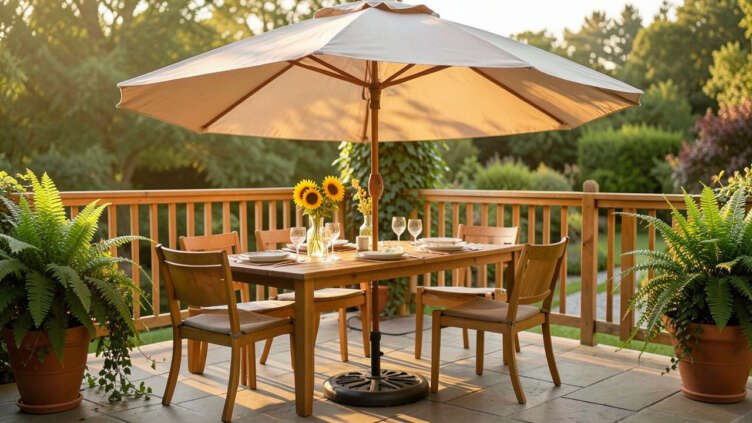
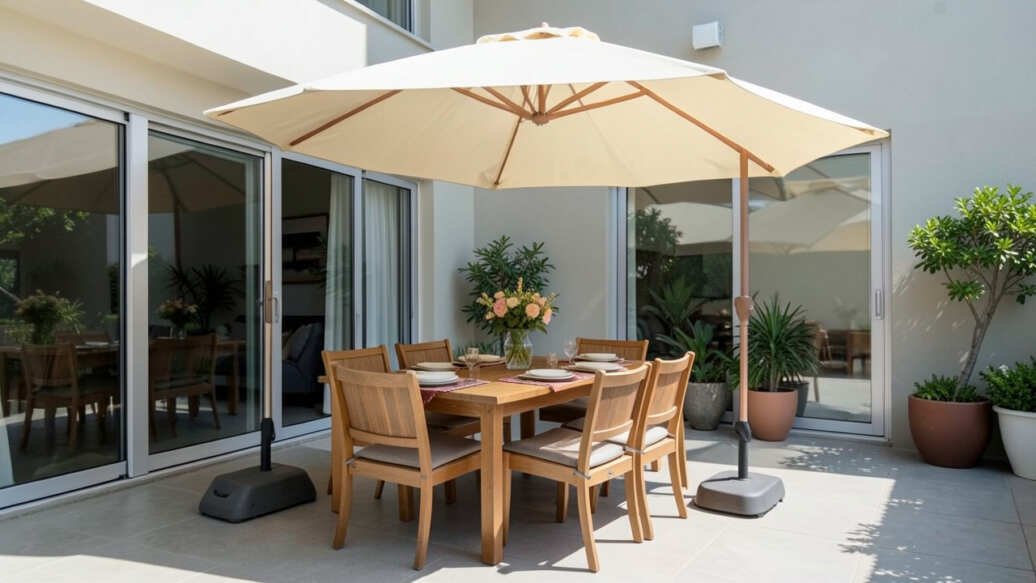
If your table has a center hole, insert the pole through it so the base sits under the table. This keeps the base hidden and stabilizes the umbrella. If not, use a side-mounted or offset umbrella so the pole does not block seat positions.
Step 4: Secure Against Wind
Even with a heavy base, wind can damage the umbrella. Follow these actions:
- Close the umbrella when not in use during windy weather.
- Use an umbrella with a vented canopy – this reduces wind uplift by up to 20% according to the.
- Consider a wind sensor or automatic closing feature on high-end umbrellas.
- Store the umbrella indoors during storms or winter months.
Step 5: Protect the Fabric
UV exposure fades fabric and weakens stitching. To extend fabric life:
- Choose solution-dyed acrylic fabric (e.g., Sunbrella or Outdura) – it resists fading 3x longer than polyester.
- Apply a fabric protector like 303 Aerospace Protectant annually.
- Clean mildew with a mild soap and water solution; avoid bleach.
- Store the umbrella in a cover or inside your garage when not used for weeks.
Important: Never use a power washer on umbrella fabric. High pressure forces water into the seams and damages waterproof coatings.
What Are the Best Practices for Dining Area Setup?
Your dining area layout matters as much as the umbrella itself.
Table Protection
If you have a wood or glass table, place a protective pad or umbrella collar over the center hole. Metal tables can scratch from the pole; use a rubber grommet or wrap the pole in felt.
Clearance for Chairs
A dining chair pushed back should not hit the umbrella pole or base. Leave at least 6 inches of space between the pole and the nearest chair back. For offset umbrellas, the pole sits to the side, giving full access to all seats.
Material Durability Comparisons
Different umbrella materials handle dining area conditions differently.
| Component | Best Material | Why It Works | Common Alternative |
|---|---|---|---|
| Pole | Powder-coated aluminum | Lightweight, rust-resistant, strong | Steel (heavy, rust-prone) |
| Ribs | Stainless steel or fiberglass | Flexible, won’t break in wind | Steel (can bend permanently) |
| Fabric | Solution-dyed acrylic (300+ denier) | Fade-resistant, waterproof, breathable | Polyester (fades in 1-2 years) |
| Base | Concrete or cast-iron (50+ lbs) | Maximum stability | Plastic resin (too light) |
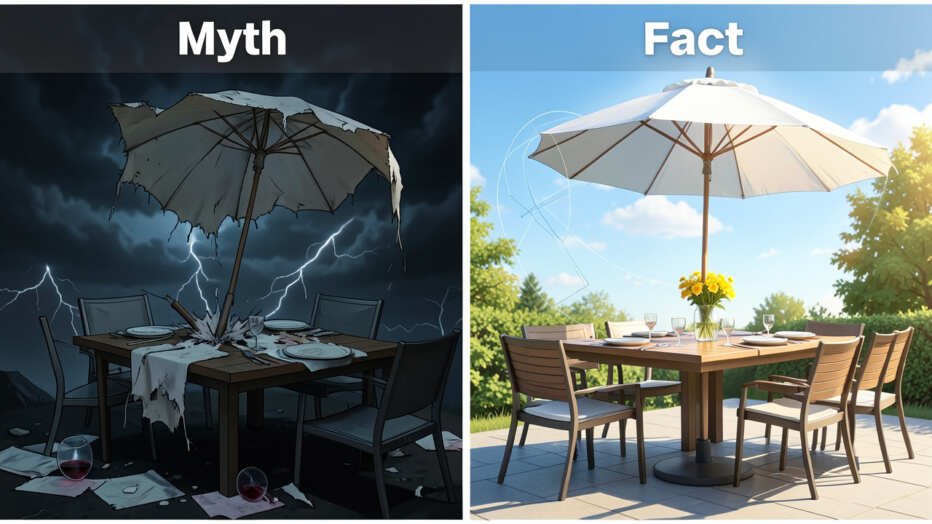
Common Myths vs Facts About Patio Umbrellas Over Dining Tables
Myth 1: All umbrellas fit all tables
Fact: Many dining tables have a central hole that is 1.5 to 2 inches in diameter. Most standard umbrella poles are 1.5 inches. But some offset umbrellas have thicker poles. Always measure before buying. According to, 70% of returns stem from size mismatches.
Myth 2: You can leave the umbrella open 24/7
Fact: Continuous sun exposure wears out fabric quickly. A patio umbrella left open for three months straight can lose 40% of its UV protection. Close and cover it when not in use to double its lifespan.
Myth 3: A heavy base guarantees safety
Fact: A heavy base helps, but wind can still shove an umbrella sideways if the pole is not locked tightly. Always engage the tilt lock and keep the fabric taut. A loose canopy catches more wind.
Frequently Asked Questions
Can I use a standard patio umbrella in a dining area without a table hole?
Yes. Use an offset or side-post umbrella with a weighted base that sits next to the table. This avoids the need for a hole and gives full clearance for chairs.
How much wind can a patio umbrella handle before damage?
Most standard umbrellas are rated for winds up to 15-20 mph. Vented canopies can handle gusts up to 25-30 mph if properly secured. Always lower the umbrella when winds exceed 20 mph.
What is the best fabric to prevent fading?
Solution-dyed acrylic fabrics like Sunbrella or Outdura resist fading for 5+ years. They are also mildew-resistant and easy to clean.
How do I clean a patio umbrella without damaging it?
Mix mild soap (like Dawn) with lukewarm water. Use a soft brush or sponge. Rinse thoroughly and let it air dry fully before closing. Never use bleach or harsh chemicals.
Does tilting the umbrella help it last longer?
Yes. Tilting reduces the direct angle of UV rays on the fabric and lowers wind resistance. It also prevents the pole from bending under uneven weight.
Final Thoughts
Using a patio umbrella in a dining area is completely safe if you match the size, secure the base, and protect it from sun and wind. Focus on material quality and proper placement to avoid damage. With the right setup, your umbrella will provide shade for many seasons.