A riding mower typically lasts between 10 and 20 years or 500 to 2,500 hours of operation before failure, depending on its build quality and maintenance routine. Entry-level lawn tractors average 500-750 hours, while high-end commercial zero-turn mowers can exceed 2,000 hours with proper care. The engine and transmission health ultimately determine lifespan, making regular oil changes and blade sharpening the most critical factors for extending that time.
Most riding mowers fail after 500 to 2,500 hours of operation. This guide reveals the true lifespan depending on build quality, engine type, and maintenance habits.
Quick Verdict: Simply put, a riding mower typically lasts 10 to 20 years or 500 to 2,500 hours. Entry-level lawn tractors average 500-750 hours. Mid-grade garden tractors reach 1,000-1,500 hours. High-end commercial zero-turn mowers often exceed 2,000-2,500 hours with proper maintenance.
Key Takeaways
- An entry-level riding mower with a single-cylinder engine typically lasts 500 to 750 hours before the engine or transmission fails.
- A premium garden tractor with a twin-cylinder Kawasaki or Yanmar engine often lasts 1,500 to 2,500 hours.
- Regular oil changes and blade sharpening are the single most important factors in extending mower life.
- Hydrostatic transmissions generally require less daily maintenance but can be expensive to repair when they fail.
- The engine and transmission health, not the chassis or paint, ultimately determines when a riding mower fails completely.
What Is the Average Lifespan of a Riding Mower?
The single most important measure of a mower’s life is engine hours, not calendar years. A machine stored for 15 years with only 100 hours is nearly new. A machine used commercially with 2,000 hours is likely worn out.
According to the, the average homeowner operates a riding mower for 40 to 60 hours per year. This means a 500-hour lawn tractor will last roughly 8 to 12 seasons. A 1,500-hour garden tractor will last 25 to 30 seasons for a typical homeowner.
A large-scale survey by found that nearly 25% of riding mower owners experienced a significant engine or transmission failure within the first five years. The survey also noted that owners who performed basic maintenance doubled the machine’s trouble-free service life.
The frame of a riding mower can last indefinitely. The engine, transmission, and deck spindles are the components that fail. Replacing these parts costs as much as a new machine in most cases.
Important: The average lifespan of a riding mower is measured in engine hours, not years. Paying attention to the hour meter is the best way to predict when a mower will fail.
How Long Does a Riding Mower Last by Type?
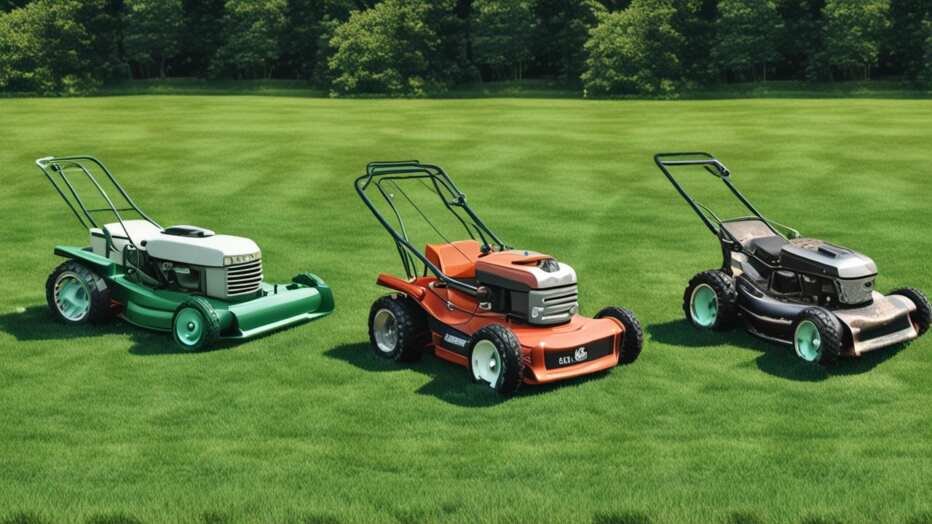
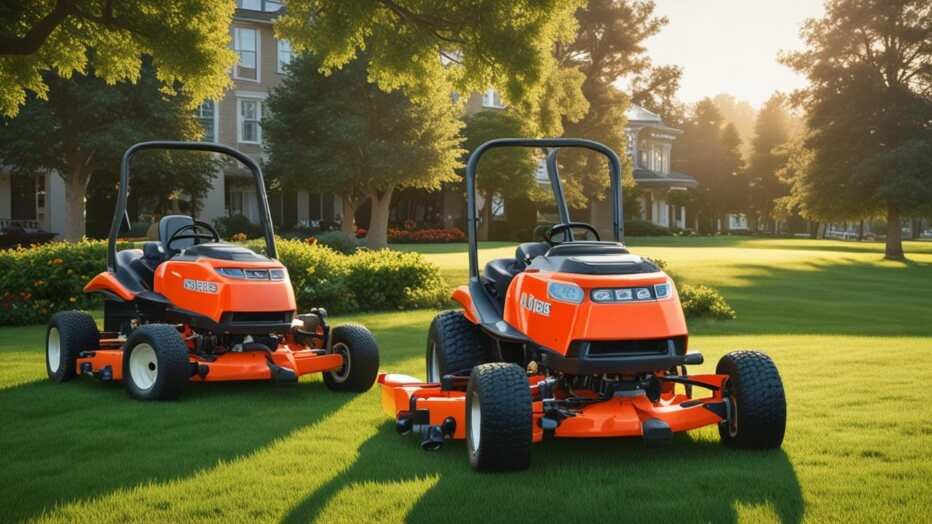
Different types of riding mowers have vastly different lifespans. The build quality of the frame, the grade of the engine, and the type of transmission all contribute to how long the machine will last before failure.
| Mower Type | Engine Grade | Average Hours | Typical Years (Homeowner) | Cost to Replace |
|---|---|---|---|---|
| Entry Lawn Tractor | Single Cylinder (Briggs & Stratton 500) | 500 – 750 | 8 – 12 | $1,000 – $2,500 |
| Mid-Grade Garden Tractor | Twin Cylinder (Kohler 7000) | 1,000 – 1,500 | 15 – 20 | $2,500 – $5,000 |
| Premium Garden Tractor | V-Twin (Kawasaki FX) | 1,500 – 2,500 | 20 – 30 | $5,000 – $15,000+ |
| Zero-Turn (Residential) | V-Twin (Briggs & Stratton Vanguard) | 800 – 1,500 | 10 – 15 | $3,000 – $8,000 |
| Zero-Turn (Commercial) | Diesel / Heavy-Duty V-Twin | 2,500 – 4,000+ | 5 – 10 (Commercial Use) | $10,000 – $20,000+ |
What Are the Factors That Determine Riding Mower Longevity?
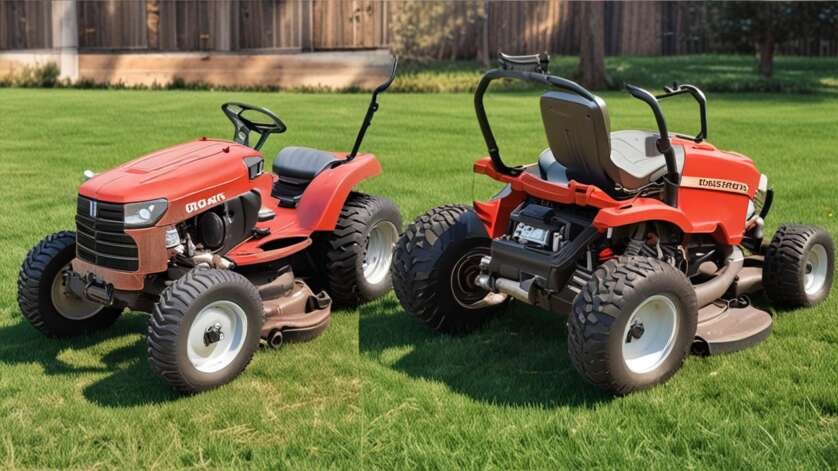
Understanding what makes a mower fail helps you choose the right one and maintain it properly. Four main factors control how long a riding mower lasts before it fails.
Engine Quality and Construction
The engine is the heart of the mower. How long a riding mower actually lasts before it fails depends heavily on the engine brand and series. Engines from Kawasaki, Yanmar, and Kohler Courage generally last twice as long as entry-level Briggs & Stratton engines. Commercial-grade engines use forged connecting rods, cast-iron cylinder liners, and full-pressure lubrication. These parts hold up to heat and friction much longer than their cheaper counterparts.
Transmission Type
The transmission takes the engine power and moves the wheels. Entry-level mowers use a belt-driven manual transmission. These are cheap to replace but prone to belt slippage and gear stripping. Higher-end models use a hydrostatic transmission from Tuff Torq or Hydro-Gear. A sealed hydrostatic transmission typically lasts 1,000 to 2,000 hours before requiring a rebuild or replacement. A serviceable hydrostatic transmission can last the life of the machine.
Deck and Frame Construction
The deck is the metal housing that holds the blades. Stamped steel decks (one piece of pressed metal) are common on entry mowers. They rust and crack over time. Fabricated decks (welded steel pieces) are stronger and resist rust longer. The frame of a lawn tractor is usually a simple stamped channel. Premium garden tractors use a heavy-duty, full-length steel frame that can support a front loader or snowblower.
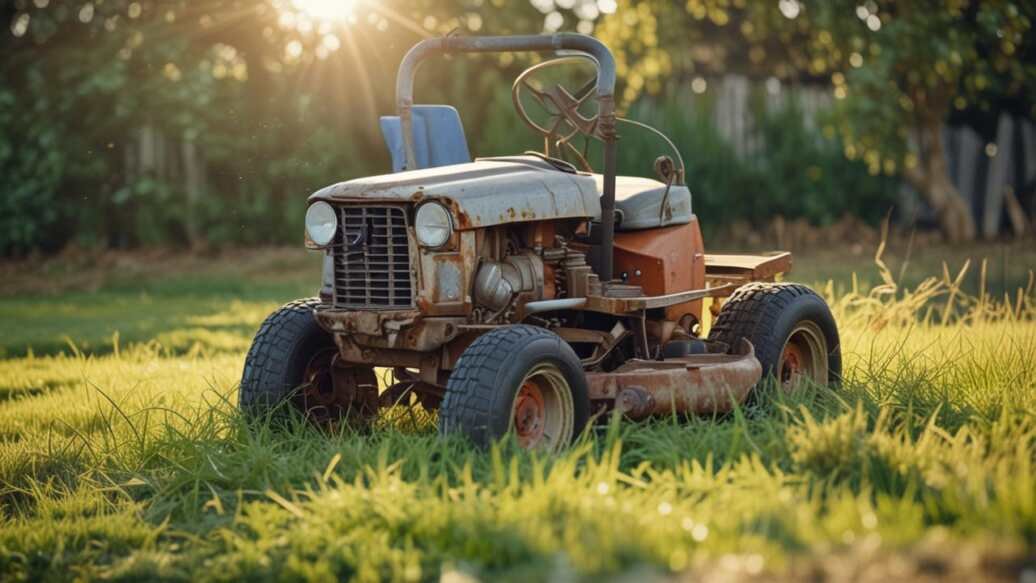
Warning: A rusty deck can fail before the engine does. If the deck shell cracks or rots through, the entire mower is often scrapped even if the engine runs perfectly.
Maintenance History
This is the single biggest controllable factor. According to, mowers that receive annual maintenance last 50% to 100% longer than those that do not. Skipping oil changes causes engine seizure. Dull blades strain the engine. Dirty filters restrict airflow and cause overheating.
What Are the Signs of a Failing Riding Mower?
Knowing the warning signs of a failing riding mower can save you money on repairs or alert you that it is time for a replacement. Look for these specific indicators.
- Excessive blue or white smoke from the exhaust indicates burning oil. This is a sign of worn piston rings or valve seals.
- The engine surges or hunts at idle. This points to a clogged carburetor or a failing governor.
- The transmission makes a whining or grinding noise when moving. This usually signals low fluid or worn internal components.
- The mower scalps the lawn or leaves uncut strips. This means the deck spindles are bent, the blades are dull, or the deck is rusting through.
- The mower vibrates excessively even with new blades. This often means a bent crankshaft or a damaged spindle housing.
How to Make a Riding Mower Last Longer
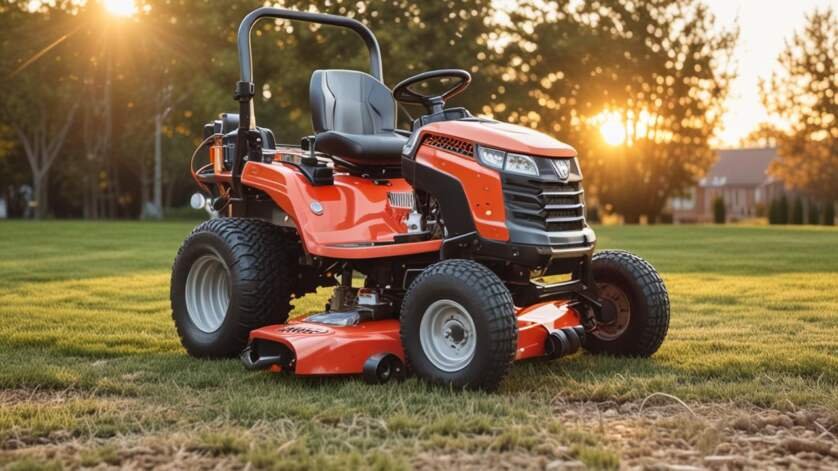
You can double the lifespan of your riding mower with consistent and proper maintenance. These steps are proven to prevent premature engine and transmission failure.
- Change the engine oil every 50 hours of operation. Use a high-detergent oil like SAE 30 or 10W-30. Neglecting this single step causes 90% of engine failures.
- Replace the air filter every 100 hours or annually. A dirty air filter allows dirt to enter the engine, which rapidly wears out the cylinder and piston rings.
- Sharpen or replace the blades at the start of each season and after every 25 hours of use. Sharp blades reduce engine load and produce a cleaner cut.
- Grease all lubrication fittings every 10 hours. This includes the front axle, spindle assemblies, and any steering linkage points.
- Keep the battery charged and the terminals clean. A weak battery forces the starter and charging system to work harder, leading to premature failure.
- Store the mower in a dry, covered area. Exposure to rain and humidity accelerates rust on the deck, frame, and engine components.
Pro Tip: Use fuel stabilizer in every tank of gas. Ethanol-blended fuel absorbs moisture and breaks down over the winter, turning into a gummy varnish that clogs carburetors and fuel lines.
Common Myths vs Facts About Riding Mower Lifespan
There are many misconceptions about how long a riding mower lasts. Let’s clear up the most common myths with verified facts.
Myth: A mower with over 1,000 hours is completely worn out and worthless.
Fact: A high-quality garden tractor or commercial zero-turn mower often reaches 1,500 to 2,500 hours without major failure. Many premium models are considered “just broken in” at 1,000 hours if they received proper maintenance.
Myth: All riding mower engines are basically the same.
Fact: A low-end single-cylinder engine from an entry mower might fail at 400 hours. A high-end V-twin engine from a premium manufacturer like Kawasaki or Yanmar can exceed 3,000 hours in commercial use. The difference is in the internal components and build quality.
Myth: It is always cheaper to repair a broken mower than to buy a new one.
Fact: Replacing a seized engine on an entry-level lawn tractor often costs $1,200 to $1,500. This is the same price as a new entry-level tractor. How long a riding mower actually lasts before it fails is often shorter than the payback period for major repairs. Only repair high-end models where the replacement cost exceeds $5,000.
Frequently Asked Questions
Can a riding mower last 20 years?
Yes, a riding mower can last 20 years or more if it accumulates low annual hours and receives meticulous maintenance. Premium garden tractors with heavy-duty frames and serviceable transmissions commonly achieve this lifespan.
Is it worth replacing an engine on a riding mower?
Replacing an engine is generally worth it only for high-end garden tractors or commercial zero-turn mowers. For entry-level lawn tractors, the cost of a new engine often exceeds 50% of the machine’s total value, making a new mower the better choice.
What is the most common cause of riding mower failure?
The most common cause of total riding mower failure is engine seizure due to low oil or lack of oil changes. The second most common cause is transmission failure in hydrostatic models, often caused by contaminated or low fluid.
How many hours does a riding mower engine last?
Entry-level engines typically last 500 to 750 hours. Mid-grade engines last 1,000 to 1,500 hours. Premium commercial-grade engines can last 2,500 to 4,000 hours before needing a major overhaul.
When should I replace my riding mower instead of repairing it?
Replace the mower when the cost of a major repair (engine replacement, transmission rebuild) exceeds 50% of the cost of a comparable new machine. Also consider replacement if multiple components are failing simultaneously, such as a worn engine and a rusted deck.
Final Thoughts
A riding mower generally lasts 500 to 2,500 hours depending on its build quality and how well you maintain it. Invest in a quality engine and transmission from reputable brands like Kawasaki, Kohler, or Hydro-Gear. Prioritize regular oil changes and proper storage to maximize every hour of service you get from your machine.