Most first-time garden hose buyers make seven common mistakes, such as choosing the wrong length or cheapest material, resulting in poor durability and water flow. The best choice for typical residential use is a 50-foot rubber or hybrid hose with solid brass fittings, as it provides excellent kink resistance and longevity. Avoiding thin vinyl hoses and cheap expandable models, while investing in an adjustable nozzle and proper storage, ensures consistent performance and saves water over time.
A new garden hose seems like a simple tool, but the wrong choice wastes water and drains your patience. This guide breaks down the 7 mistakes most people make with their first garden hose and shows you how to avoid them.
Quick Verdict: Simply put, most first-time buyers choose the wrong hose length or the cheapest material available. A quality 50-foot rubber or hybrid hose with solid brass fittings offers the best durability, water flow, and kink resistance. Avoid any hose that feels thin or flimsy in your hands.
Key Takeaways
- Buying a hose that is too short is the most common mistake, forcing awkward garden layouts and unnecessary stretching across plants.
- Rubber and hybrid hoses last significantly longer than basic vinyl hoses, especially in direct sunlight and hot climates.
- Brass fittings provide a tighter seal and resist cracking far better than plastic or aluminum fittings under normal water pressure.
- An adjustable spray nozzle saves water and provides the right pressure for different watering tasks like washing a car or watering flowers.
- Proper storage using a hose reel or wall hanger doubles the lifespan of any garden hose by preventing kinks and UV degradation.
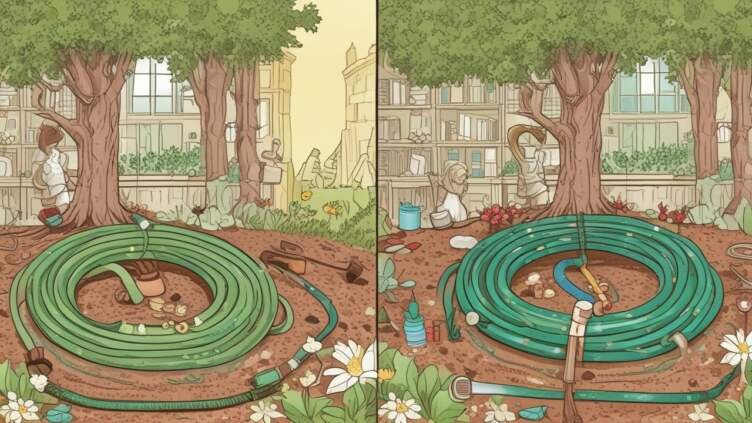
Quick Comparison: Common Mistakes vs. Better Choices
| Common Mistake | Why It Hurts You | Better Choice |
|---|---|---|
| Buying a 25-foot hose | You stretch it across walkways, creating tripping hazards and wear. | Buy a 50-foot hose for standard yards. Go for 75 feet or longer for larger properties. |
| Choosing a vinyl hose | Vinyl kinks easily, cracks under the sun, and becomes stiff in cold weather. | Choose a rubber or reinforced hybrid hose for flexibility and long life. |
| Buying a hose with plastic fittings | Plastic fittings crack, leak, and strip easily under normal water pressure. | Invest in a hose with solid brass or high-quality anodized aluminum fittings. |
| Using a fixed spray nozzle | You waste water and apply uneven pressure to delicate plants. | Use an adjustable trigger nozzle or a watering wand with multiple settings. |
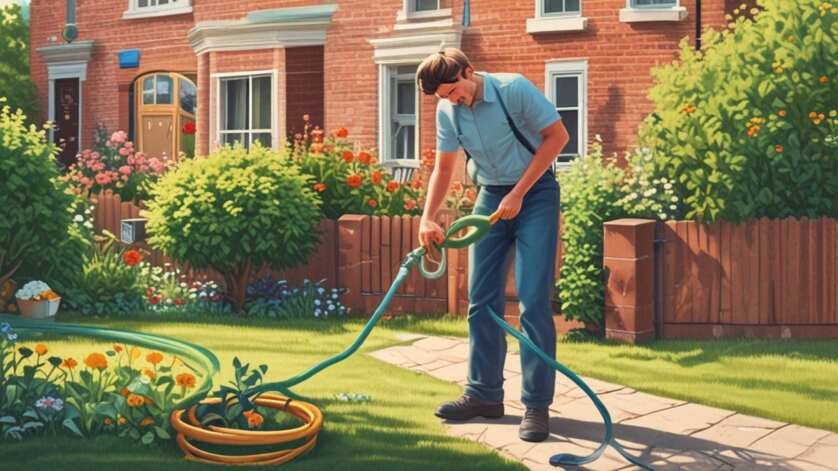
Mistake 1: Buying the Wrong Hose Length
Most people underestimate the distance from their spigot to the far corner of their garden. A 25-foot hose barely reaches across a small driveway. You end up stretching the hose, which stresses the fittings and creates tripping hazards.
Tip: Measure the farthest point you need to water and add 10 feet. Route the hose around obstacles, not straight across your lawn.
Measure the distance from your spigot to the farthest point you need to water. Add 10 feet for routing around corners or flower beds. A 50-foot hose is the standard choice for most average-sized urban and suburban properties according to gardening experts.
If you have a large yard, using two hoses connected together works better than one very long hose. A 100-foot hose is heavy to move and can be hard to drain completely.
Mistake 2: Ignoring the Hose Material
Not all hoses are made the same way. The material defines the hose’s flexibility, weight, and resistance to kinks and sunlight. There are three main types of garden hose materials you will find at the store.
- Vinyl hoses are the cheapest option. They are lightweight but very prone to kinking. Vinyl becomes stiff and brittle after a season of sun exposure. They usually last only one or two years.
- Rubber hoses are the premium choice. They resist kinks, stay flexible in cold weather, and endure direct sunlight for years. They are heavier than vinyl but far more durable.
- Hybrid hoses are a blend of rubber and PVC. They try to balance the weight of rubber with the cost of vinyl. Many hybrid hoses offer good kink resistance and flexibility for a moderate price.
According to, rubber hoses consistently outperform standard vinyl ones in durability tests. The best hybrid hoses can last three to five years with regular use and proper storage.
Important: If you live in an area with intense sun or freezing winters, skip vinyl entirely. A rubber hose handles both extremes much better.
Mistake 3: Overlooking Fitting Quality
The fittings are the connection points where leaks or bursts happen first. Many beginner gardeners buy a hose based on the tube color and ignore the metal parts. This is a critical error.
Most cheap hoses come with plastic fittings. Plastic cracks under the pressure of a hot summer day. The threading strips easily, causing frustrating leaks at the spigot or nozzle connection. Replacing a stripped plastic fitting is almost impossible.
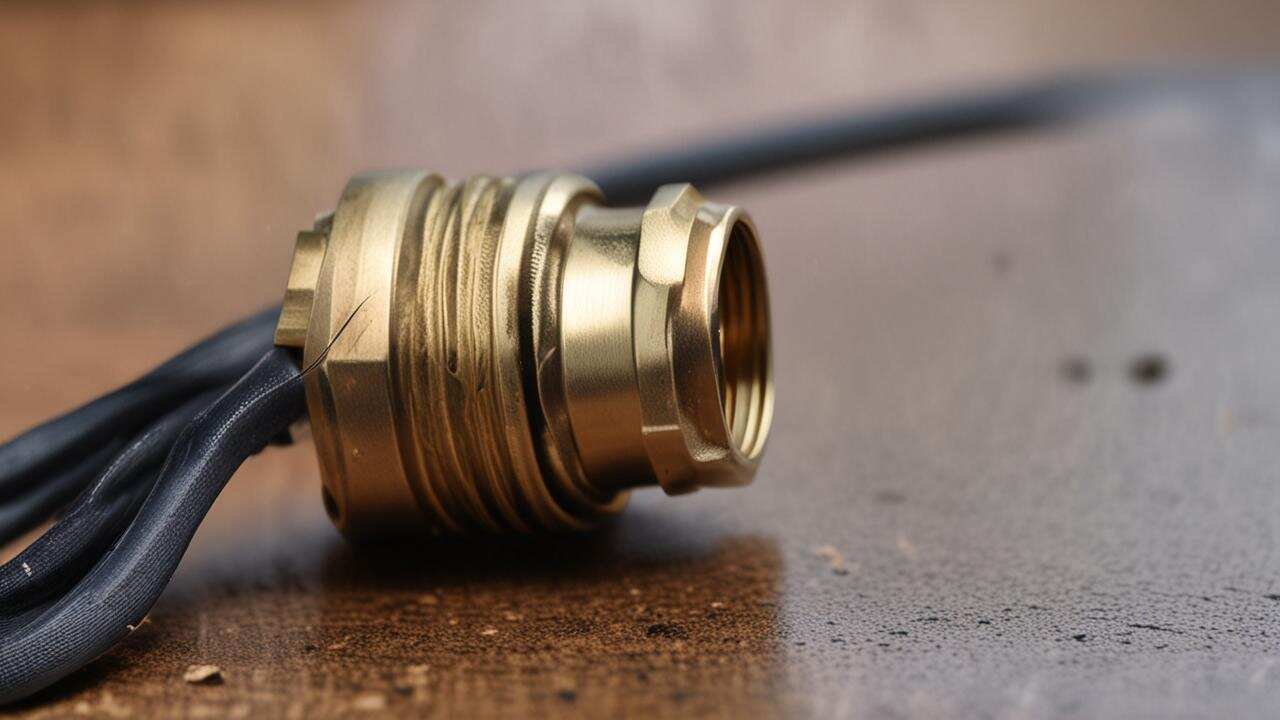
Better hoses come with brass fittings. Brass is strong, corrosion-resistant, and creates a tight seal. Solid brass fittings last the lifetime of the hose. Some manufacturers use anodized aluminum, which is also lightweight and strong but can corrode in salty or coastal environments.
- Plastic fittings: Lightweight, low cost, prone to cracking and stripping.
- Brass fittings: Heavy, durable, best seal, rust-resistant.
- Anodized aluminum fittings: Lightweight, strong, good for travel hoses, can oxidize over time.
Mistake 4: Choosing the Wrong Diameter
Garden hoses come in three standard diameters: 1/2 inch, 5/8 inch, and 3/4 inch. The diameter controls water flow, not water pressure. A larger diameter delivers more gallons per minute (GPM).
Many first-time buyers grab the cheapest hose, which is usually a 1/2-inch diameter. This size works for a small balcony container garden but restricts water flow significantly. Filling a watering can or running a sprinkler takes much longer.
- 1/2 inch: Good for very small gardens or drip irrigation systems. Lower flow rate.
- 5/8 inch: The standard size for most home gardens. Good balance of flow and weight.
- 3/4 inch: High flow rate, heavy weight. Best for long distances, filling pools, or running multiple sprinklers.
A 5/8-inch diameter hose works for over 90 percent of home gardening tasks. Choose a 3/4-inch hose only if you have a large lawn sprinkler system or need to move large volumes of water quickly.
Mistake 5: Forgetting a Proper Storage Solution
Leaving a hose lying on the ground in a tangled pile hurts the hose and your yard. Constant exposure to direct sunlight breaks down the outer material. Dragging the hose across concrete or gravel wears away the protective cover.
Kinks form when the hose sits in tight loops on the ground. Over time, these kinks create weak spots that cause the hose to burst. A good storage system prevents these problems and makes your life easier.
- Hose Reel (wall-mounted or freestanding): Keeps the hose neatly coiled and off the ground. It prevents kinks and extends hose life.
- Hose Hanger (wall hook): A simple and cheap option for small gardens or lightweight hoses.
- Hose Pot (ceramic or metal pot): A decorative option for hiding the hose. It keeps the hose out of direct sunlight but can trap moisture.
Warning: Always drain the water from your hose before storing it. Water left inside a hose promotes mold growth and causes damage if the water freezes and expands in winter.
Proper storage is a simple habit that doubles the usable life of your hose. Invest in a hose reel that matches your property size. A well-maintained hose reels in and out smoothly, saving you time every time you water.
Mistake 6: Using the Wrong Nozzle or No Nozzle at All
Using a hose without a nozzle wastes an enormous amount of water. It also makes watering new seeds or delicate seedlings nearly impossible. The blast of water erodes soil and damages young plants.
A basic fixed spray nozzle is better than nothing but limits your control. Most fixed nozzles only provide one spray pattern, which is usually too harsh for flowers and too weak for cleaning the driveway. An adjustable nozzle solves this problem.
- Adjustable trigger nozzle: Allows you to control water flow from a fine mist to a powerful jet. You can easily change between watering plants and washing tools.
- Watering wand: A long wand with a shower head on the end. Ideal for hanging baskets, raised beds, and container plants. The gentle spray mimics natural rainfall.
- Pistol grip nozzle: Ergonomic design with a trigger lock for continuous flow. Good for general gardening and washing cars.
An adjustable spray nozzle also includes a shut-off valve. You can stop the water at the nozzle rather than running back to the spigot. This small change saves steps and reduces wear on your hose fittings.
Mistake 7: Buying a Cheap Expandable Hose
Expandable hoses look amazing in ads. They shrink down to a small size for easy storage and supposedly never kink. The reality is often very different for cheap versions.
The typical cheap expandable hose has a thin latex or TPC bladder inside a mesh outer sleeve. The bladder quickly develops pinhole leaks under normal water pressure. The outer mesh rubs against the bladder and causes blisters. Many users report that these hoses fail during their first season of use.
According to feedback aggregated by, the failure rate for budget expandable hoses is significantly higher than for standard rubber hoses. This is a classic case of paying twice because the first choice was too cheap.
Important: Higher-quality expandable hoses exist, and you can use them for small spaces or RVs. For daily garden use, a standard rubber or hybrid hose remains the most reliable investment.
How to Choose the Right Garden Hose for Your Setup
Now that you know the mistakes, here is a simple framework for choosing your next hose. Focus on your specific yard size, local climate, and typical watering tasks.
- Measure the distance from your spigot to the farthest point you need to water. Add 10 feet. This is your minimum length.
- Choose a 5/8-inch diameter for a standard yard. Choose 3/4-inch if you need high flow for long distances.
- Select a rubber or high-grade hybrid hose material. Avoid basic vinyl if you want it to last longer than one season.
- Verify the fittings are solid brass or high-quality anodized aluminum. Do not trust plastic.
- Buy an adjustable trigger nozzle to complete your setup. This improves water control and reduces waste.
- Plan your storage. A hose reel is the best investment you can make for extending hose life.
Tip: Brands like Flexzilla, Dramm, and Gilmour are well-regarded in the gardening community for their quality materials and excellent customer support. Check their specifications before you buy.
Common Myths vs. Facts About Garden Hoses
Myth 1: All garden hoses kink the same way.
Fact: Kink resistance depends heavily on the hose material and internal reinforcement layers. Rubber and polyurethane hoses resist kinks much better than standard vinyl or cheap expandable hoses.
Myth 2: Brass fittings always break before the hose does.
Fact: Brass can be dropped or bent, but it is far more repairable and durable than plastic. A dented brass fitting can often be tightened with a wrench, while a cracked plastic fitting is completely useless and must be replaced.
Myth 3: You only need one standard hose for your entire property.
Fact: Many gardeners benefit from having a short, lightweight hose for the patio and a longer, heavy-duty rubber hose for the lawn. Using one hose for everything leads to awkward storage and unnecessary wear.
Frequently Asked Questions
What is the best all-around length for a garden hose?
A 50-foot hose is the standard choice for most average-sized urban and suburban yards. It reaches across the typical property without being too heavy to drag around or store.
What is the difference between a 5/8-inch and 3/4-inch garden hose?
The diameter controls water flow. A 5/8-inch hose is lighter and easier to maneuver while still delivering good flow. A 3/4-inch hose delivers more gallons per minute but is significantly heavier and stiffer.
Why do some hoses crush or collapse at the faucet?
This happens when the hose fitting or the internal tube cannot handle the static water pressure. A cheap hose with thin walls collapses under pressure. A quality rubber or reinforced hose maintains its shape and allows full water flow.
How long does a quality garden hose typically last?
With proper care and storage out of direct sunlight, a high-quality rubber hose can last up to 10 years. A hybrid hose usually lasts between 3 and 5 years. A cheap vinyl hose may only last one or two years.
Are expandable hoses ever a good choice?
They can be a good choice for very small spaces, balconies, RVs, or travelers who need a compact hose. For standard home gardening, a traditional rubber or hybrid hose offers much better durability and reliability.
Final Thoughts
Avoiding these 7 mistakes means buying the right hose once, not five times. Focus on a durable rubber or hybrid material with solid brass fittings. Pick the right length and a quality nozzle to finish the job quickly. A good hose is a simple upgrade that transforms your entire watering routine.