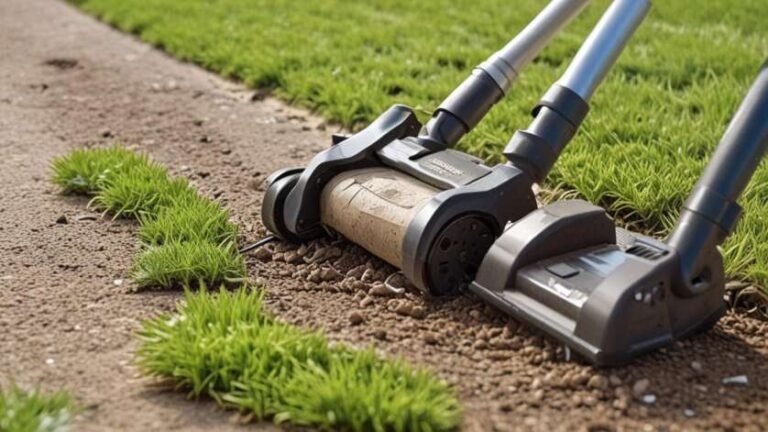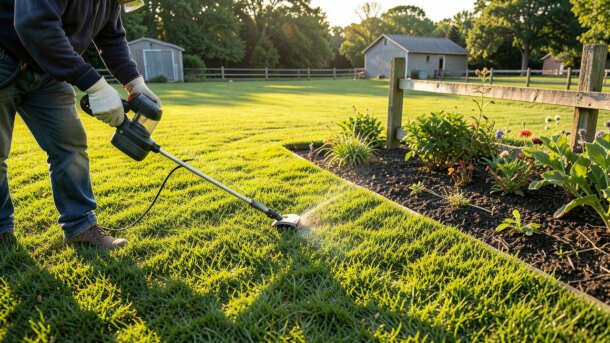
For a small yard, a string trimmer is worth buying only if you have more than roughly 30 linear feet of edge around flower beds, fences, or trees; otherwise, manual edging shears are more practical. A battery-powered trimmer saves time on tight corners and runs well on a shared lawn-mower battery, but adds cost and storage space that many small-yard owners prefer to avoid. The deciding factor is your yard’s edge length and layout: a few straight edges are faster with hand tools, while multiple curves and obstacles justify a trimmer.
A string trimmer cuts grass and weeds where a lawn mower cannot reach. It trims along fences, flower beds, trees, and walkways. For a small yard, the trimming area is small but the edges still need regular attention.
Quick Verdict: In short, a string trimmer can be useful for a small yard if you have many edges, tight corners, or flower beds. However, manual shears or a trimmer attachment on a mower may handle the same work for less money and storage space. The choice depends on your lawn’s layout and how much effort you want to spend.
Key Takeaways
- A string trimmer saves time on tight edges but adds a tool to store and maintain.
- Manual edging shears cost under $30 and take up zero shelf space, though they require more physical effort.
- Battery-powered string trimmers now rival gas models in run time and power for small yards.
- If your yard has only a few linear feet of edge, skipping the trimmer is a valid and common choice.
- The decision hinges on edge length, physical ability, and your tolerance for tool maintenance.
What Does a String Trimmer Actually Do?
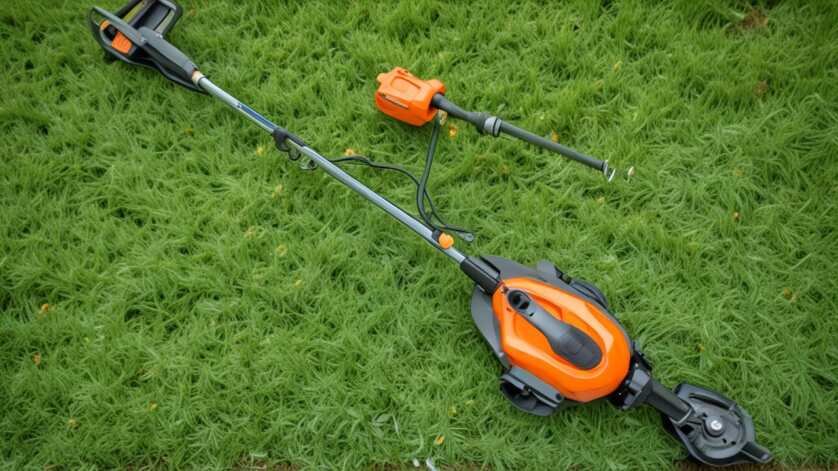
A string trimmer uses a spinning nylon line to cut grass and weeds. The line flexes around obstacles without damaging them. It works for vertical trimming against walls and horizontal trimming under low hedges.
Most yards have edges that a mower cannot reach. According to the, the average new home lot in the U.S. is about 8,500 square feet. That lot often includes a small yard with 50 to 100 linear feet of edging.
For those edges, you have three main choices. You can buy a string trimmer. You can use manual tools like grass shears. Or you can skip trimming altogether and let the edges grow wild.
The Case for Buying a String Trimmer for a Small Yard
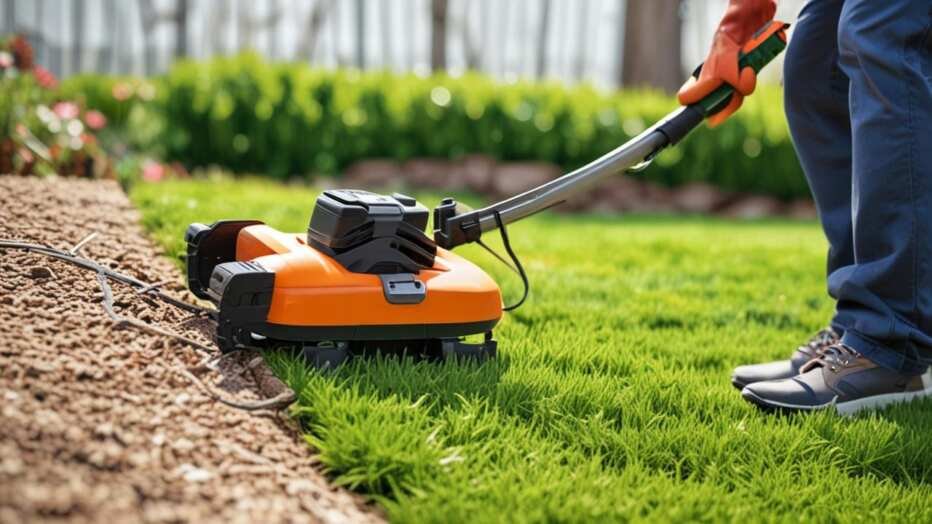
A string trimmer speeds up edge trimming by a large margin. Manual shears take roughly 10 minutes per 50 feet of edge. A string trimmer does the same in under two minutes.
Cordless electric models are now lightweight and quiet. The testing shows that many battery trimmers provide 20 to 30 minutes of run time, enough for most small yards. You do not need to manage gas, oil, or a cord.
Important: For a small yard, choose a cordless trimmer with a 2.0 Ah battery or larger. A 2.5 Ah battery will typically cover one full trimming session without recharging.
A trimmer also reaches under decks and into tight corners where shears struggle. If your yard has many obstacles like trees, rocks, or flower beds, a string trimmer saves frustration.
The Case Against: Should You Skip the String Trimmer?
Manual edging tools work well on small, simple yards. A pair of long-handled grass shears costs $20 to $40 and stores in a drawer. They never need fuel, batteries, or line replacement.
According to the, gas-powered trimmers emit 10 times more volatile organic compounds per hour than a modern car. Skipping a gas trimmer reduces your carbon footprint. Electric trimmers have much lower emissions, but they still require battery production and charging.
Storage is a real issue. A string trimmer takes up floor space or wall hooks. In a small shed or garage, that space might be better used for other items.
Warning: Using a string trimmer near hard surfaces like concrete or stone can throw debris. Wear safety glasses and long pants. This is true regardless of yard size.
Time saved on trimming may be small if your edge length is under 30 feet. The difference between a 2-minute trimmer pass and a 5-minute manual cut is only three minutes. For some people, those three minutes are not worth the added cost and clutter.
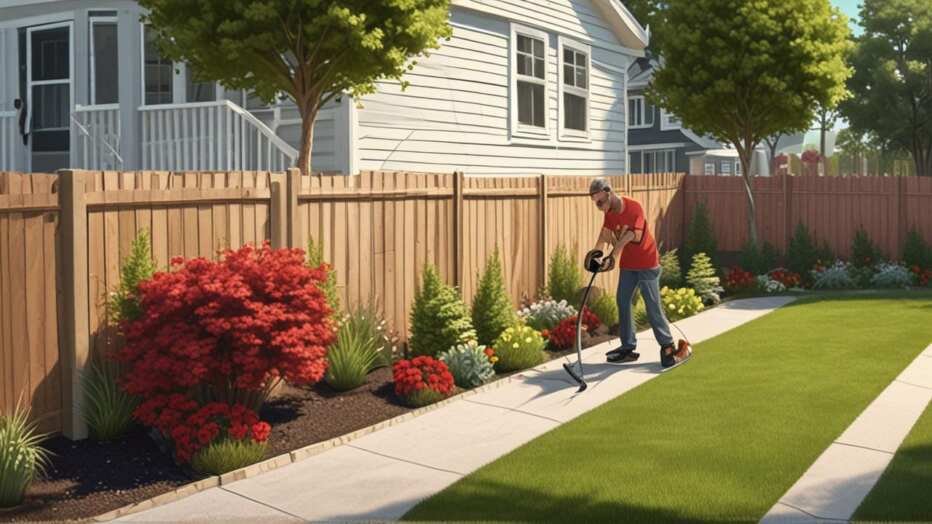
Quick Comparison of String Trimmer vs Manual Trimming
| Feature | Cordless String Trimmer | Manual Grass Shears | Gas String Trimmer |
|---|---|---|---|
| Initial Cost | $80 – $200 | $15 – $40 | $150 – $400 |
| Ongoing Cost | Replacement line ($5 every month) | None | Gas, oil, spark plugs ($20/month) |
| Time per 50 ft Edge | 2 minutes | 10 minutes | 2 minutes |
| Storage Space | Needs shelf or hook | Fits in a drawer | Needs shelf + fuel storage |
Your choice narrows based on these numbers. Manual shears win for cost and storage but lose in speed. A cordless trimmer offers the best balance for most small yard owners.

How to Decide: When to Buy and When to Skip
Follow this simple process to decide whether a string trimmer belongs in your small yard.
- Measure the total linear feet of edge you need to trim. Include flower beds, fence lines, walkways, and driveway edges.
- If the total is under 40 feet, manual shears will take less than 8 minutes per session. A trimmer saves only 5 minutes.
- If the total is 40 to 100 feet, a cordless trimmer cuts trimming time from 20 minutes to 4 minutes. That shift may justify the purchase.
- Check your storage. If you have a wall hook or a small shelf, a trimmer fits easily. If you have zero spare space, shears are simpler.
- Consider your physical ability. If bending or crouching bothers you, a trimmer eliminates that strain.
Tip: Try borrowing a neighbor’s string trimmer for one session. You will know within 10 minutes if the speed boost matters enough to you.
According to the, string trimmers cause thousands of hand and eye injuries each year. Proper safety gear adds to the cost. Manual shears pose much lower risk.
Also consider the time you spend on other yard tasks. If you enjoy a quick, quiet trimming session with shears, that 8 minutes may feel pleasant rather than burdensome. If you rush through lawn care, the speed of a trimmer wins.
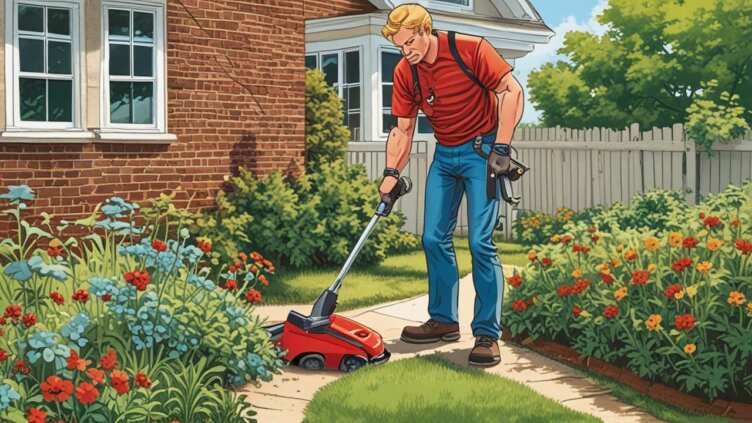
Common Myths vs Facts About String Trimmers in Small Yards
Several myths exist around trimmers and small yards. Let’s separate fact from fiction.
- Myth: You need a gas trimmer for any yard. Fact: According to, modern cordless trimmers handle up to 1/4 acre yards on a single charge. Gas is overkill for small lots.
- Myth: Battery trimmers are weak and die quickly. Fact: Lithium-ion batteries now run 20 to 30 minutes at full power. That covers most small yards completely.
- Myth: You must own a trimmer to have a nice lawn. Fact: Many neat lawns are trimmed with hand shears. The key is frequency, not the tool.
Frequently Asked Questions
Is a string trimmer worth it for a very small yard under 30 feet of edge?
Usually not. Manual shears will add about 6 minutes per week. A trimmer saves you 4 minutes but costs $80 or more and takes storage space. The return on investment is low.
Can I use a trimmer on the same battery as my lawn mower?
Yes, if you choose a trimmer from the same brand as your cordless mower. Many manufacturers like Ryobi, Echo, and Stihl offer shared battery platforms. This reduces total battery cost.
What is the best cordless string trimmer for a small yard?
Look for models weighing under 5 lbs with a 12-inch cutting width. The Ryobi 18V One+ trimmer and the Black+Decker LSTE525 are popular options. Check that the battery is compatible with other tools you own.
How often should I trim edges in a small yard?
During the growing season, trim edges every 1 to 2 weeks. Grass grows fastest along warm concrete edges. Waiting too long makes the job harder regardless of tool.
Do string trimmers damage concrete or brick?
Yes, over time the nylon line can wear down mortar joints and chip brick edges. Use a lower speed or keep the line slightly above the surface when trimming near hardscapes.
Final Thoughts
A string trimmer can save you a few minutes on each yard session, but that speed comes with extra cost and storage. Manual shears are cheaper, safer, and simpler for very small yards. Measure your edge length before deciding. The best choice is the one that matches your time, space, and comfort.