Never store a garbage can in direct sunlight, on dirt or grass, against siding, in flood-prone areas, in unventilated sheds, near heat sources, or in high-traffic spots if you want it to last. UV rays make plastic brittle within 12 months, ground moisture rots the base and promotes mold, and trapped heat against siding warps both can and home panels. Avoiding these locations prevents premature replacement of a standard cart costing $60 to $150.
A standard 96-gallon garbage cart costs between $60 and $150. Most people replace theirs years sooner than necessary because of one simple mistake: poor storage placement.
Simply put, you should never store a garbage can in direct sunlight, directly on bare dirt, or pressed tightly against your home’s siding. UV rays weaken the plastic over time. Moisture from the ground causes the base to rot. Heat trapped against your home can permanently warp the body of the can.
Key Takeaways
- Direct sunlight causes UV degradation that makes plastic garbage cans brittle, with visible cracking often occurring within 12 months of constant exposure.
- Storing cans directly on grass or dirt traps moisture against the base, which weakens the structural integrity of the plastic and encourages mold growth.
- Pushing cans tightly against vinyl siding traps heat and moisture, which can permanently warp both the garbage can and your home’s exterior panels.
- Low-lying areas that collect rainwater create breeding grounds for mosquitoes and other pests that damage the can and create health hazards.
- Unventilated sheds and garages can bake plastic garbage cans in summer, reaching internal temperatures high enough to soften and deform the container.
Where You Should Never Put a Garbage Can
Never in Direct Sunlight
UV radiation from the sun is the single biggest threat to your garbage can’s longevity. Most residential cans are made from high-density polyethylene (HDPE) or polypropylene. Both materials degrade when hit by constant UV rays.
According to research from the, UV exposure breaks down the polymer chains in plastic, making the material brittle. Within one year of direct sun exposure, you will likely see surface cracking. Within three years, the structural integrity is often compromised.
Warning: Never store your trash can in a spot that receives more than three hours of direct afternoon sunlight per day. The UV intensity peaks between 12 PM and 4 PM, and this is when the damage happens fastest.
Never Directly on Dirt or Grass
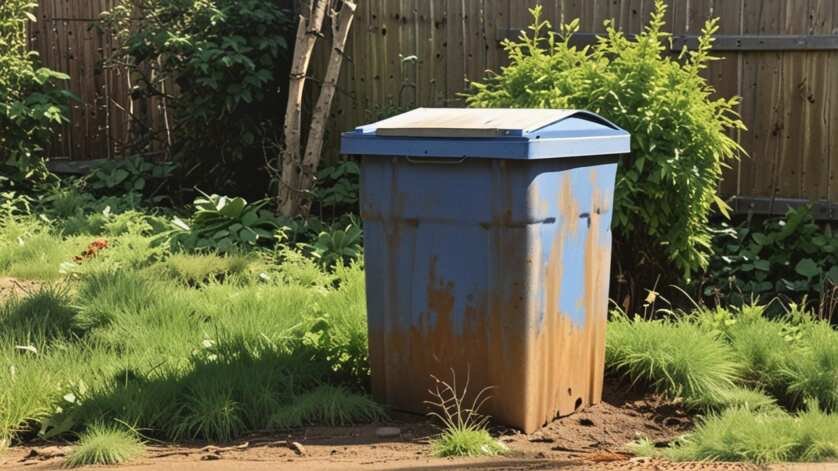
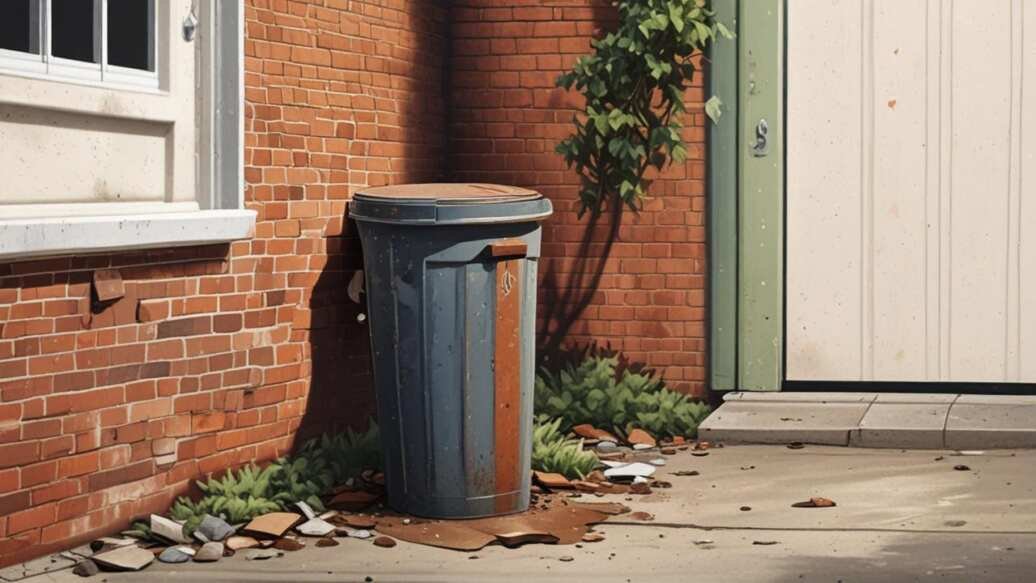
Many people set their garbage can on the lawn or bare soil out of convenience. This is a major mistake. Moisture from the ground constantly wicks up into the plastic base. Over time, this weakens the material and creates a perfect environment for mold and mildew.
The freeze-thaw cycle in colder climates accelerates this damage. Water trapped in the bottom of the can freezes and expands, slowly cracking the base from the inside out. The casters (wheels) also suffer. They rust faster when sitting in damp soil.
Tip: Place a few concrete pavers or a wooden pallet down to create a solid, dry base for your cans. This simple step can add five years to the life of your garbage can.
Never Tight Against Your Home’s Siding
Pushing your garbage can flush against the house traps heat and moisture against the siding. This is bad for both the can and your home. Garbage can storage that touches the home’s exterior can cause the siding to warp or discolor over time.
In summer, the heat that radiates through vinyl or wood siding can reach over 150 degrees Fahrenheit on the side touching the can. This softens the plastic and causes permanent warping. In winter, repeated freezing and thawing against the house traps moisture against the foundation.
Termites and other pests also use the tight, dark space between the can and the house as a highway to your home’s structure. Leave at least six inches of space between your cans and the siding.
Never in Low-Lying or Flood-Prone Areas
Areas of your yard that collect rainwater after storms are terrible spots for garbage can storage. The states that standing water in any container can become a breeding ground for mosquitoes carrying diseases like West Nile Virus.
Water that pools around the base of your can speeds up structural rot. If the can sits in puddles regularly, the bottom will soften and fail much sooner than expected. Odors are also worse when cans sit in damp spots. The moisture amplifies the smell from any residual waste.
Never Inside a Non-Ventilated Shed
A storage shed seems like a logical place to keep garbage cans out of sight. But if the shed has no ventilation, it becomes an oven in the summer. Internal shed temperatures can easily exceed 140 degrees Fahrenheit.
At this temperature, HDPE and polypropylene garbage cans begin to soften and lose their shape. The lids warp and no longer seal properly. Once the seal is broken, pests get inside, and odors escape. If you must store cans in a shed, drill ventilation holes near the top and bottom to allow heat to escape.
Important: Bear-proof garbage cans, which are required in many Western U.S. areas, are especially vulnerable to heat damage because their heavy-duty locking mechanisms can warp and become impossible to open or close properly.
Never Near Heat Sources or Grills
Charcoal grills, gas grills, and outdoor fire pits generate intense radiant heat. Storing a plastic garbage can within three feet of these heat sources is a serious fire hazard. Plastic melts at relatively low temperatures compared to other materials.
Even if the can doesn’t catch fire, the heat will weaken the plastic permanently. You will see bulges, soft spots, and discoloration. Once the structural integrity is compromised, the can will fail under a full load of trash. Keep garbage cans at least ten feet away from any open flame or high-heat cooking appliance.
Never in High-Traffic Areas
Garbage cans placed in narrow walkways, carports, or near driveways get knocked over constantly. Physical impact is a major cause of cracks, broken lids, and damaged wheel assemblies. A can that gets hit by a car door or a lawn mower once may survive, but repeated impacts will cause the plastic to stress-fracture over time.
Children’s play areas are also a bad spot. Kids running into cans causes damage to both the child and the trash can. Choose a low-traffic corner of your property that is convenient for collection day but out of the flow of daily activity.
Quick Comparison Table of Storage Locations
| Location | Damage Type | Lifespan Reduction | Risk Level |
|---|---|---|---|
| Direct Sunlight | UV brittleness, cracking | 50% or more | Very High |
| Bare Dirt / Grass | Base rot, mold, rusted casters | 30% to 40% | High |
| Against House Siding | Warping, pest access, siding damage | 25% to 35% | High |
| Low-Lying / Flood Zone | Water damage, mosquito breeding | 40% to 50% | Very High |
| Hot, Unventilated Shed | Heat warping, lid distortion | 20% to 30% | Medium |
Common Myths vs Facts
Myth: It is just a trash can, so the storage spot does not matter.
This is the most expensive mistake homeowners make. Garbage can storage location directly determines how long the container lasts. A can stored in the sun on grass will fail three to four times faster than a can stored in the shade on a hard surface.
Myth: Keeping the can in a sealed shed keeps it safe.
A sealed shed traps heat and moisture. In summer, the lack of airflow turns the interior into a high-temperature environment that softens the plastic. You need ventilation to keep the temperature stable and prevent condensation from building up.
Myth: All garbage cans are built to withstand any weather.
Standard residential cans are not rated for extreme, constant UV exposure or standing water. Commercial-grade or bins have UV stabilizers, but even they degrade eventually in harsh conditions. No can is indestructible against bad placement.
What Is the Ideal Garbage Can Storage Setup?
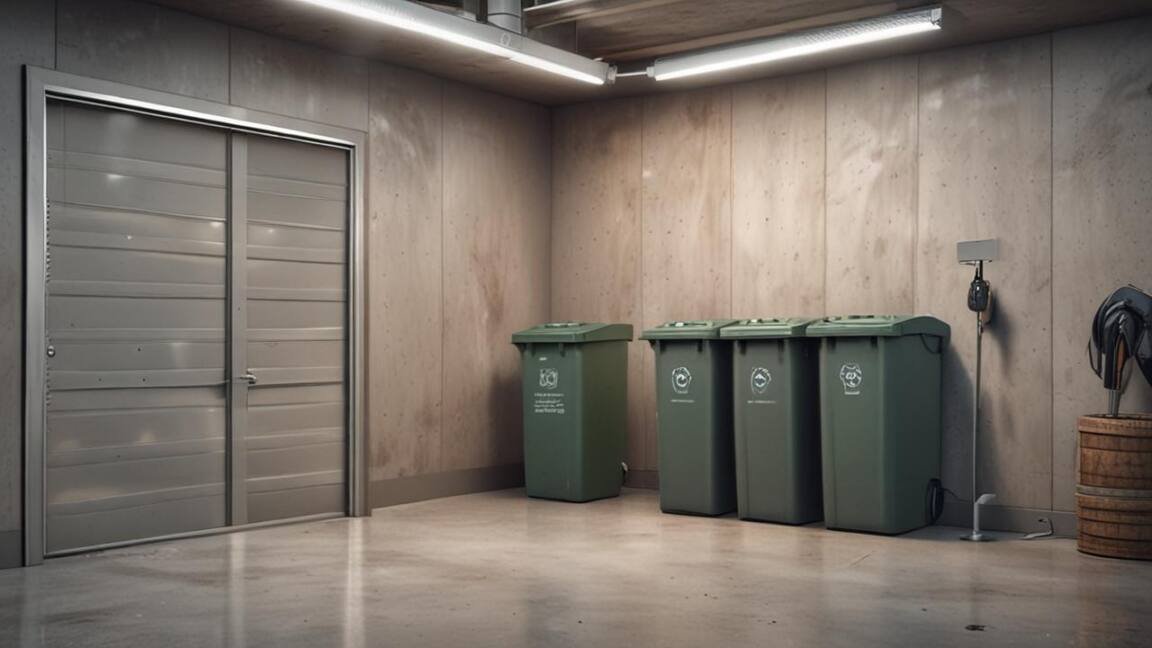
The perfect storage spot for your garbage cans checks four boxes. It provides shade, ventilation, a hard dry surface, and easy access for collection day. A north-facing or east-facing side of your home is usually ideal. These sides get less direct afternoon sun.
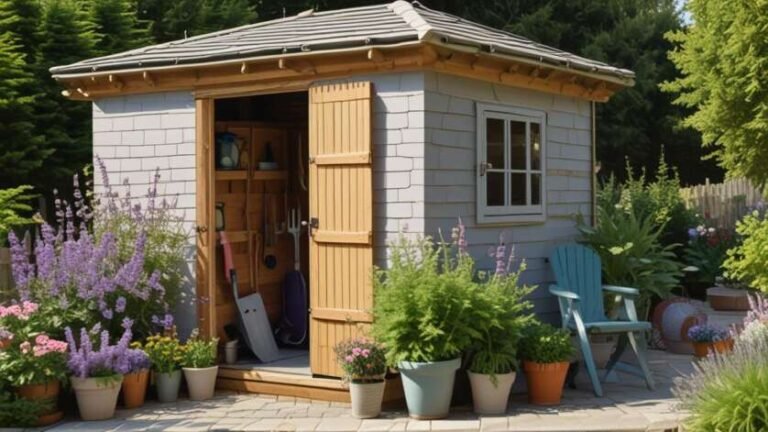
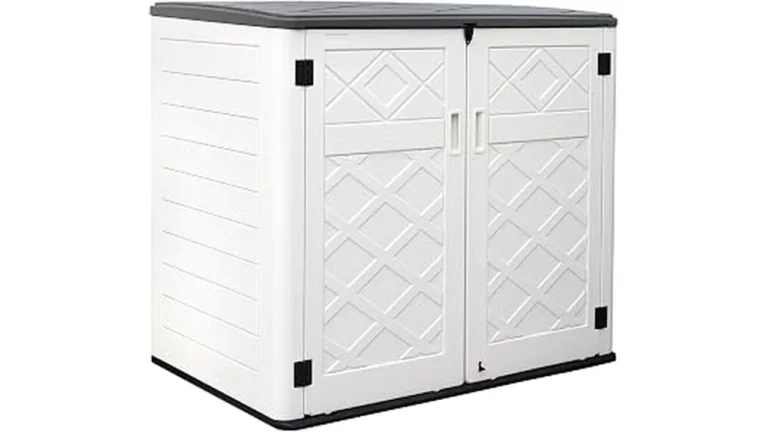
Consider building or buying a simple enclosure. Wooden garbage can corrals keep the cans shaded and hidden from view. The slatted sides allow airflow while blocking damaging UV rays. Make sure the enclosure has a solid base made of gravel, concrete, or pavers.
- Place the enclosure at least six inches away from your home’s siding to prevent pest access and heat transfer.
- Elevate the base so water drains away from the bottom of the cans during rainstorms.
- Install a locking mechanism on the enclosure door to keep animals and curious children out.
Tip: If you use a carport for storage, park the cans against an interior wall away from the open edges. Carports provide shade but still allow strong winds to knock cans over if they are not secured.
How to Extend the Life of Your Garbage Can
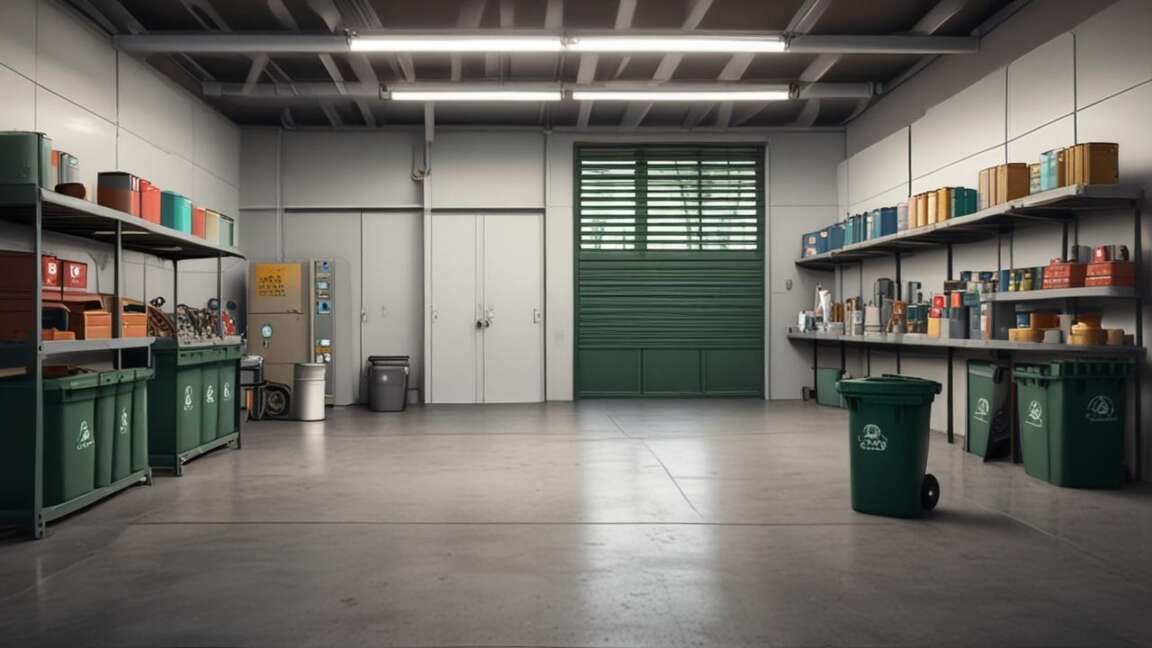
You can protect your investment with a few simple maintenance habits. Follow these steps to keep your can functional and clean for years longer than average.
- Rinse the can monthly. Spray the inside with a hose and scrub with a long-handled brush. Residual food waste accelerates plastic degradation and attracts pests.
- Apply a UV protectant spray. Products designed for outdoor plastics add a layer of UV resistance. Apply twice a year, before summer and before winter.
- Keep it clean and dry between collections. Line the bottom with newspaper or baking soda to absorb moisture and odors.
- Inspect the wheels and axle annually. Spray the moving parts with silicone lubricant to prevent rust and sticking. Tighten any loose bolts or clips.
- Store it upside down during long periods of disuse. If you go on vacation or generate less waste for a season, flipping the can prevents water pooling and pest nesting.
Why Does Direct Sunlight Ruin Garbage Cans Quickly?
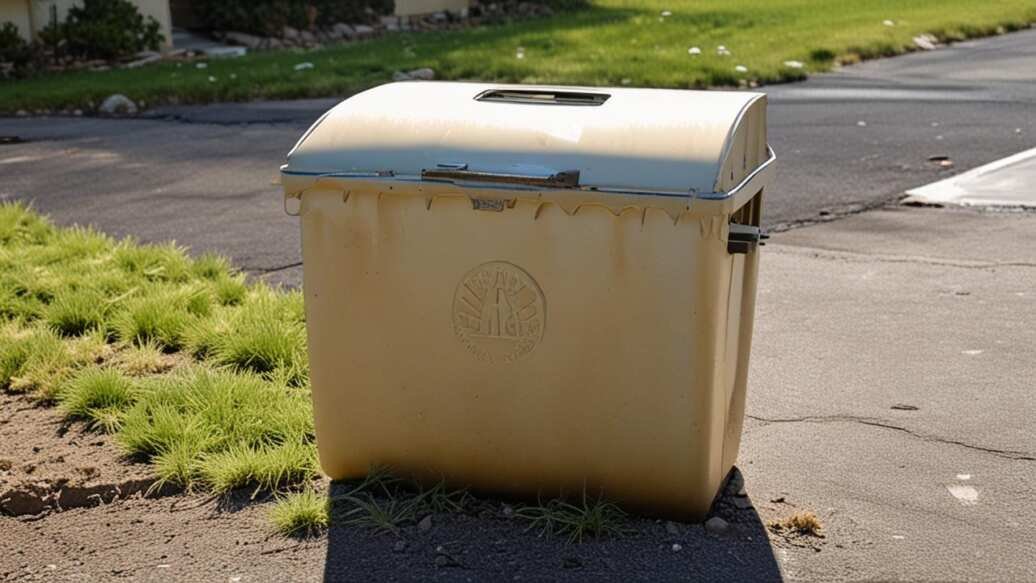
Ultraviolet light from the sun breaks the chemical bonds in plastic polymers. This process is called photodegradation. HDPE turns chalky and brittle on the surface first. Then microscopic cracks form. These cracks grow deeper with each thermal expansion cycle as the can heats up during the day and cools at night.
Black garbage cans, which are popular for hiding dirt, actually absorb more heat than lighter colored cans. A black can in direct sun can reach internal surface temperatures above 160 degrees Fahrenheit. This accelerates the degradation process significantly. If you must store a can in partial sun, choose a beige, light gray, or green model instead of a black one.
Frequently Asked Questions
Can I leave my garbage can out in the rain?
Rain is less damaging than direct sun, but standing water inside the can adds unnecessary weight and promotes mold growth. Drill a few small weep holes in the bottom of the can to allow water to drain out naturally.
Should I store my garbage can in the garage?
A garage is a decent option for garbage can storage because it blocks UV rays and moderates temperature extremes. However, make sure the garage has some ventilation. Storing a dirty can in a sealed garage on a hot day can trap strong odors inside the space.
Does heat really warp plastic garbage cans?
Yes. Most HDPE cans begin to soften and lose their shape at sustained temperatures above 140 degrees Fahrenheit. This happens frequently when cans are stored in dark metal sheds or pressed against hot brick walls during summer heat waves.
How often should I replace my garbage can?
With proper shaded storage and basic maintenance, a quality 96-gallon can lasts between 10 and 15 years. Without care, expect cracks, warped lids, and rusted hardware within 2 to 4 years. Inspect the base, lid hinges, and wheel assembly each spring.
How can I protect my garbage can from animals if I store it outside?
Place the can inside a predator-resistant enclosure made of wood or metal. These structures block animals while still providing shade and ventilation. You can also use bungee cords to secure the lid to the handles when the can is not being serviced.
Final Thoughts
Where you store your garbage can directly determines its lifespan. Keep it shaded, elevated off the ground, and away from the sides of your home. A little attention to storage placement saves you money, reduces plastic waste, and keeps your property looking clean. Pick the right spot today, and your can will serve you well for over a decade.