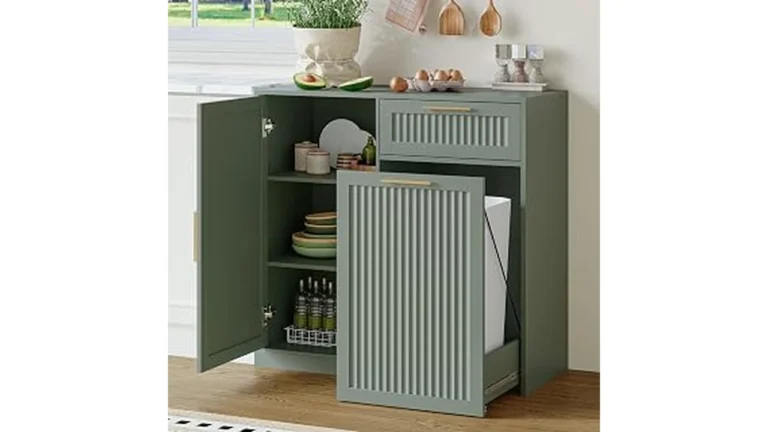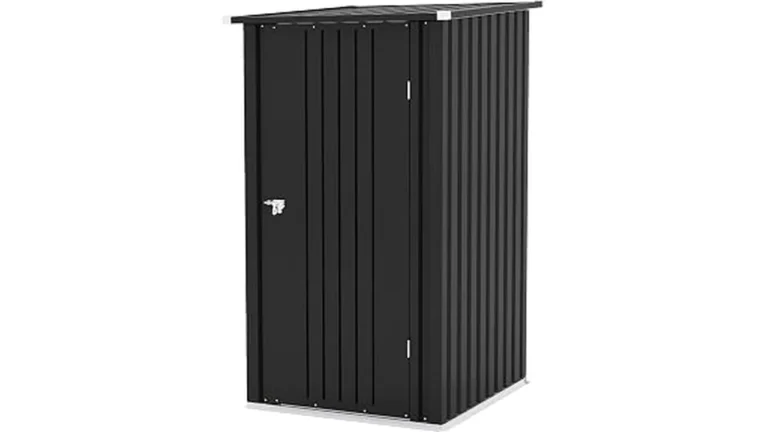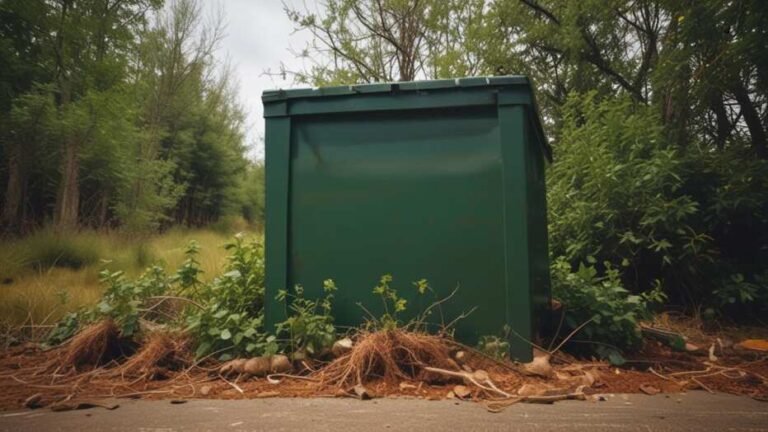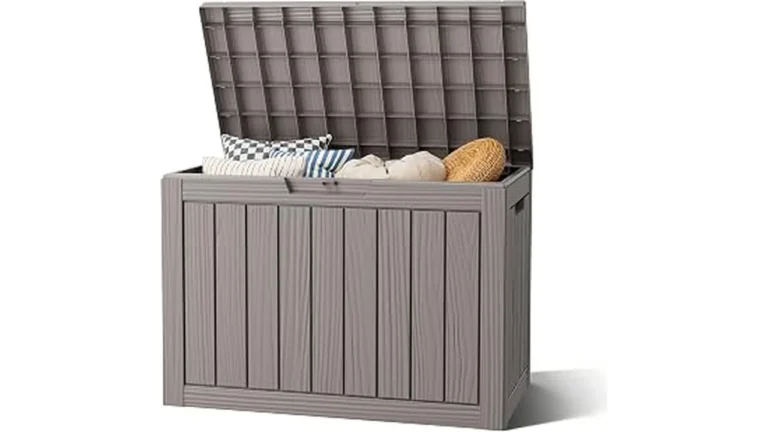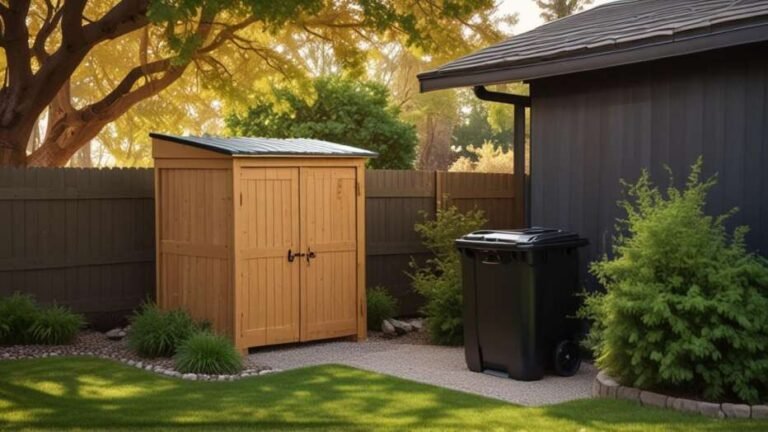
A garbage can storage enclosure is worth buying for homeowners dealing with tipped cans, animal intrusions, or untidy bins, as it provides a locked, durable solution that reduces wildlife access and keeps the yard clean. Quality units made of weather-resistant steel or heavy plastic typically last over ten years and can reduce trash spills by roughly 70 percent. With most enclosures costing between $80 and $350, the investment often pays for itself quickly, especially in areas with pests or HOA requirements to hide bins.
Raccoons, bears, and stray cats have found your trash. You want a clean backyard without spills or smells.
In short, a garbage can storage enclosure is worth buying if you struggle with tipped cans, animal messes, or unsightly bins. It reduces wildlife access, keeps your yard tidy, and can last for years. For homes with pests or HOA restrictions, the investment usually pays for itself quickly.
Key Takeaways
- A garbage can storage enclosure keeps animals out by using locked doors and sturdy sides.
- Top-quality units made of weather-resistant steel or heavy plastic often last more than 10 years.
- Many homeowners see a 70% drop in trash spills after installing a locked enclosure.
- Most garbage can storages cost between $80 and $350, with wood or custom options reaching $500 or more.
- Local HOA rules sometimes require bins to be hidden behind a fence or enclosure.
What Is Garbage Can Storage?
A garbage can storage is a box, shed, or cabinet built to hold one or more trash bins. It hides the cans from view and locks them in place. Most models have a lid or a door that lifts up, making it easy to roll the bin to the curb on collection day.
These enclosures come in wood, resin, steel, and sometimes recycled plastic. The best ones include ventilation to stop smells from building up. Many also have a latch or a lock that animals cannot open.
According to the, raccoons can easily pry open standard bin lids. An enclosure adds a second layer of protection. For areas with bears, some heavy-duty metal units meet local safety codes.
How Does a Garbage Can Enclosure Work?
The enclosure surrounds your trash bin on all sides. You roll the bin into the unit through a front opening. Then you close and lock the door. Some designs have a top-hinged lid that you raise to access the can.
Most units sit directly on the ground. You do not need to mount them to concrete. Heavier models stay put even in strong wind. Lightweight resin boxes may have stakes or anchor points to secure them.
Tip: Choose a unit with a flat top. You can use the top as a planter or extra table space on trash day.
The reports that the average U.S. household generates over 4 pounds of waste each day. With two bins per household, a storage unit can hold both a trash can and a recycling bin. Some double-wide enclosures are designed for two standard 32-gallon cans.
Types of Garbage Can Storage Options
You can choose from several materials and styles. Each has pros and cons depending on your climate, budget, and needs.
- Resin (Plastic) Units – Lightweight, rust-proof, and cost $80 to $200. Best for mild climates.
- Steel Enclosures – Heavy, animal-proof, and last 15+ years. Priced $150 to $350. May rust in coastal areas.
- Wooden Boxes – Natural look, but need yearly sealing. Cost $200 to $500. Can match your deck or fence.
- Custom Built Structures – Permanent solutions with lattice or fencing. Price varies widely.
| Feature | Resin | Steel | Wood |
|---|---|---|---|
| Price Range | $80 – $200 | $150 – $350 | $200 – $500+ |
| Weight | 10-20 lbs | 30-50 lbs | 40-80 lbs |
| Animal Resistance | Moderate (with lock) | High (bear-proof options) | Low to Moderate |
| Maintenance | None needed | Rust check every 2 years | Seal every 1-2 years |
| Lifespan | 5-10 years | 10-20 years | 8-15 years |
Popular brands include Suncast, Keter, and Rubbermaid for resin units. For steel, look for Toter or Gorilla Carts heavy-duty enclosures. Wooden options are often sold by local shed builders.
Who Needs Garbage Can Storage the Most?
Not every household needs a storage unit, but some benefit more than others. Consider these situations:
- Wildlife problems: Raccoons, bears, opossums, or coyotes in your area.
- HOA requirements: Many homeowners associations mandate hidden trash bins.
- Small yards: You store bins close to the house and want them neat.
- Renters: A lightweight resin unit can move with you.
- Large families: Multiple bins need organized storage.
According to the, more than half of reported wildlife conflicts involve garbage. An enclosure can separate animals from food sources and reduce visits.
Important: Even if you do not see wildlife, many animals forage at night. A locked enclosure prevents problems before they start.
Common Myths vs Facts
Many homeowners avoid buying a garbage can storage because of misconceptions. Here are three common myths and the truth.
Myth 1: Storage is too expensive
Fact: Basic resin units start under $100. The average spent is $120 to $250 for a durable model. Compared to the cost of replacing trash cans or hiring a cleanup service, the price is low.
Myth 2: Animals can still get inside
Fact: A quality enclosure with a lock and solid walls stops raccoons and even bears. The notes that enclosures with metal latches cut animal break-ins by more than 90%.
Myth 3: Enclosures make trash collection harder
Fact: Most units have a removable front door or a flip-up top. You roll the bin out on collection day in seconds. Some models even let you roll the whole enclosure to the curb.
Frequently Asked Questions
Can I build a garbage can storage myself?
Yes. Many homeowners build a simple wooden box or use lattice panels. DIY plans are available online. The cost for materials is $50 to $150, but you need basic tools and skills.
How do I clean a garbage can enclosure?
Use a garden hose and a stiff brush. For smells, spray a 1:1 vinegar-and-water solution inside. Let the enclosure dry completely before closing it.
Will a storage unit attract more pests?
No. A clean, sealed enclosure actually repels pests because it traps odors and blocks access. Keep the area around the unit free of food debris.
Do I need to secure the enclosure to the ground?
Heavy resin or steel units usually stay put. Light plastic boxes may tip in high wind. Most include ground stakes or you can use sandbags on the bottom shelf.
What size should I buy?
Measure your garbage can’s height and width. Add 4 inches of clearance on each side. Common sizes are 24″ x 24″ for one can and 48″ wide for two cans side by side.
Final Thoughts
A garbage can storage solves common backyard problems: animal mess, visual clutter, and odor control. Resin units offer a low-cost start, while steel provides long-lasting protection. Check your local wildlife and HOA rules before buying.
Think of it as a small investment that pays off in fewer spills and quieter nights. With dozens of designs under $200, you can find one that fits your yard and budget.