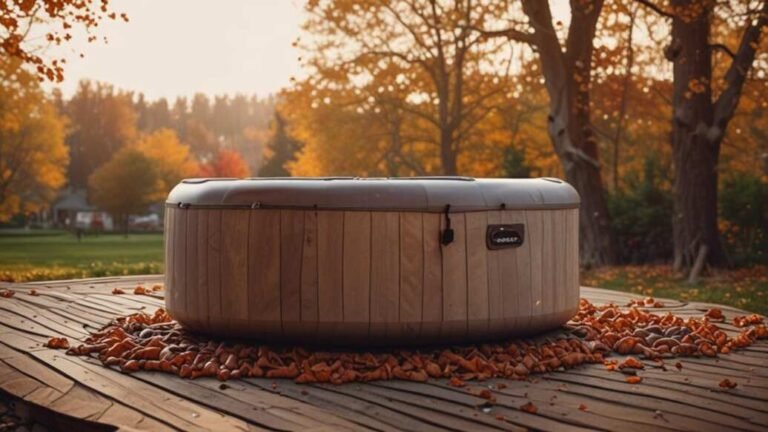
A plunge pool stops working after a few months primarily because its compact equipment is highly sensitive to neglected water chemistry, undersized or poorly built components, and improper filtration cycles. Small water volumes react quickly to imbalance, and skimping on weekly maintenance or buying cheap pumps often leads to pump burnout, chiller failure, and cloudy water. Consistent water testing and running the filtration pump long enough each day are essential to prevent these common failures and keep the system running for years.
You bought a plunge pool for recovery, relaxation, and convenience. When your plunge pool stops working after just a few months, it usually points to a handful of preventable causes.
This guide covers the exact reasons plunge pools fail and gives you actionable steps to keep your system running for years.
Simply put, a plunge pool stops working because its compact equipment is highly sensitive to neglected water chemistry, undersized pumps, and improper filtration. Unlike large pools, small water volumes react fast to imbalance. Skipping weekly maintenance or buying cheap components often leads to pump burnout, chiller failure, and cloudy, unusable water.
Key Takeaways
- Neglecting water chemistry is the fastest way to damage a plunge pool’s pump, chiller, and heater, leading to complete system failure within months.
- Plunge pools require smaller, high-quality equipment, and using undersized components causes premature burnout and frequent breakdowns.
- Running the filtration pump for an insufficient duration is a primary reason plunge pools turn green and stagnant.
- Plumbing leaks and improper installation are major hidden causes of chronic plunge pool issues.
- Ignoring seasonal freeze protection can crack chillers and pipes in a single cold night.

What Makes a Plunge Pool Different from a Full-Sized Pool
A plunge pool holds much less water than a standard swimming pool. This small volume makes it more sensitive to changes in chemistry and temperature. The equipment is also more compact and often less forgiving.
Standard pool pumps are designed for thousands of gallons. A plunge pool pump must handle the same pressure with less water volume. This creates unique stress on the system.
Tip: Think of a plunge pool as a high-performance appliance, not a mini-pond. It needs consistent care, not occasional attention.
How Does a Plunge Pool System Work
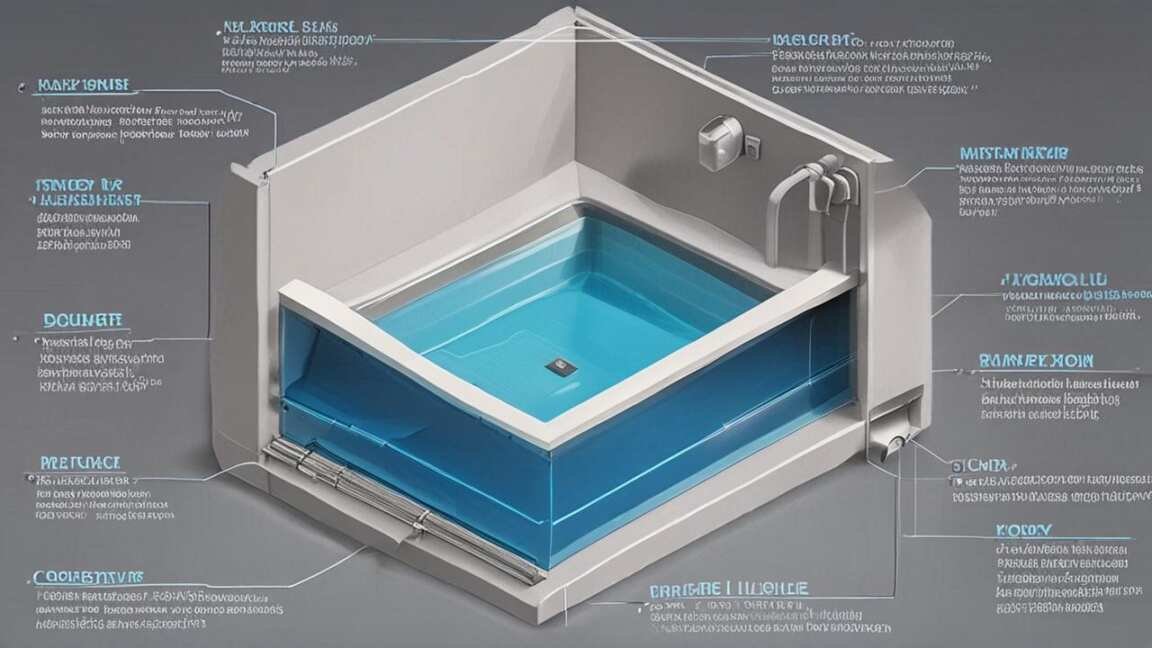
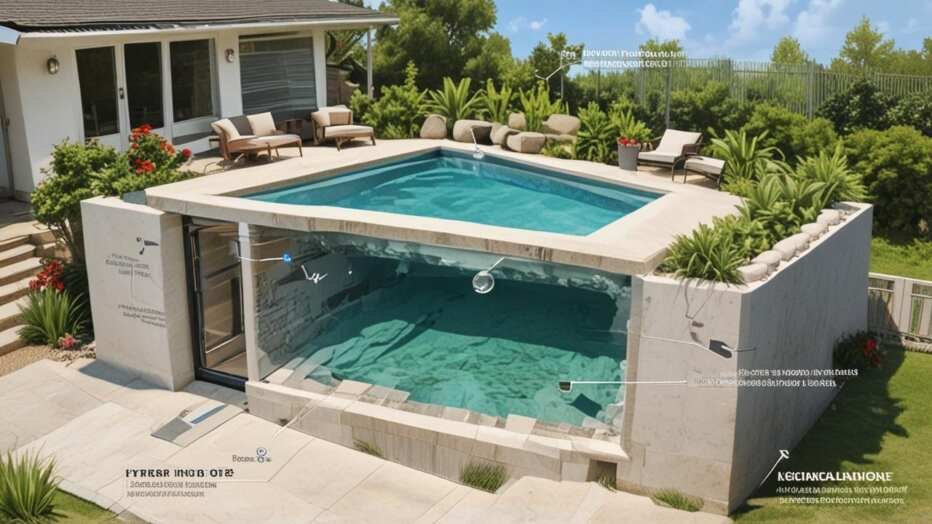
The core components work together in a closed loop. A pump pulls water from the pool. The water passes through a filter that catches debris. Then it moves through a heater or chiller to adjust the temperature. Finally, clean water returns to the pool.
If one part in this loop fails, the whole system suffers. A clogged filter forces the pump to work harder. An air leak makes the chiller run dry. Understanding this flow helps you spot problems early.
Why Your Plunge Pool Stops Working: The Core Reasons
1. Undersized or Poor-Quality Equipment
Many pre-built plunge pools come with cheap pumps. These pumps run hot and fail quickly. A pump that is too small for the system struggles to maintain flow. This leads to overheating and motor burnout.
According to the, over 60% of equipment failures in compact pool systems stem from running pumps beyond their rated duty cycle. The motor overheats, the seal breaks, and the pump stops working completely.
Variable speed pumps cost more upfront but last much longer. They run cooler and use less energy. In a plunge pool, a variable speed pump is not a luxury. It is a necessity.
2. Neglecting Water Chemistry
Water chemistry is the number one killer of plunge pool equipment. Imbalanced pH or high calcium levels cause scaling in the chiller and heater. Low pH eats away at metal components.
Warning: Running a chiller with low pH water can eat through the titanium heat exchanger in under three months. This repair often costs more than the original chiller.
You must test your water at least once per week. Here are the key chemical factors to monitor:
- pH level should stay between 7.4 and 7.6 to protect metal components.
- Total alkalinity must be between 80 and 120 ppm to buffer pH swings.
- Calcium hardness needs to stay between 200 and 400 ppm to prevent scaling on chiller plates.
- Sanitizer levels (chlorine or bromine) should be maintained at 1 to 3 ppm to prevent algae growth.
3. Plumbing and Installation Errors
Small leaks in the plumbing allow air into the system. Air causes the pump to lose prime and run dry. Running a pump dry for even a few minutes can destroy the seal and motor.
A poor installation often uses glue joints that fail under pressure. The constant vibration from the pump can loosen fittings over time. You should check for air bubbles in the pump lid regularly. If you see bubbles, you have a suction-side leak that needs immediate attention.
Important: A small air leak on the suction side can kill a pump in weeks. Always lubricate the pump lid O-ring with silicone lubricant and keep it tight.
4. Improper Filtration Cycles
A bigger pool can survive a missed day of filtration. A plunge pool cannot. The water volume is small, so stagnation happens fast. Algae can take hold within hours of the pump turning off.
You need to run the pump long enough to turn over the entire volume at least twice a day. For most plunge pools, this means running the pump for 6 to 8 hours daily. During hot weather or heavy use, increase that time to 10 hours.
Using a timer switch helps maintain consistency. Set it and check the water clarity every few days. If the water looks dull or cloudy, your filtration cycle is too short.
5. Climate and Freeze Damage
If you live in a region with freezing temperatures, you must winterize the system. Water expands when it freezes and cracks pipes, pumps, and chillers. One cold night can destroy an entire system.
Some plunge pools have freeze protection built in. This feature runs the pump when temperatures drop near freezing. But if you lose power during a storm, freeze protection will not help.
Draining the system and blowing out the lines with compressed air is the safest approach for winter storage. Do not rely on antifreeze alone. Always follow the manufacturer’s winterization guide.
Common Myths vs Facts
Myth 1: Plunge pools are essentially maintenance-free.
Fact: Plunge pools require consistent chemical and filter care. Their small water volume means chemistry changes much faster than in a large pool. Skipping a week of testing can lead to algae bloom and equipment scaling.
Myth 2: You can use cheap pool chemicals from any store.
Fact: High-quality chemicals designed for small volumes protect sensitive equipment. Cheap chemicals often contain fillers that leave residue on chiller and heater surfaces, reducing efficiency and lifespan.
Myth 3: If the water looks clear, it is healthy.
Fact: Clear water can still have high bacteria levels or chemical imbalance. A pH imbalance will damage your equipment even if the water looks perfect. Always test, do not just look.
Myth 4: A bigger pump always works better.
Fact: An oversized pump creates too much flow for a small plunge pool system. This can cause cavitation, damage the plumbing, and reduce the efficiency of the chiller. Use the pump size recommended by the manufacturer.
Proactive Maintenance vs. Common Mistakes
| Maintenance Area | Proactive Action | Common Mistake |
|---|---|---|
| Water Chemistry | Test weekly with a digital kit | Testing only when water looks cloudy |
| Filtration | Run pump 6-8 hours daily on a timer | Running pump only when using the pool |
| Equipment Check | Inspect pump lid and O-rings monthly | Ignoring air bubbles in the pump lid |
| Winterization | Drain and blow out lines before freeze | Leaving water in pipes during winter |
Pro Tips to Extend the Life of Your Plunge Pool
- Test your water every week using a digital test kit. Strips are less accurate. A good digital pH and TDS meter gives you reliable data.
- Clean the filter cartridge every two weeks. A dirty filter makes the pump work harder. This increases heat buildup and shortens motor life.
- Run the pump for 6 to 8 hours daily. Use a timer to automate the schedule. Consistency is key to clear water and healthy equipment.
- Check for air bubbles in the pump lid. Bubbles on the suction side indicate a leak. Find and fix it immediately to prevent pump damage.
- Cover the pool when not in use. A cover keeps out leaves, insects, and sunscreen. Less debris means less work for the filter and chiller.
- Flush the system with a line purge cleaner every three months. This removes biofilm and scale buildup inside the pipes and chiller.
Resources and Tools
Pool & Hot Tub Alliance – Industry standards, safety guidelines, and maintenance best practices.
Pentair Pool Products – High-quality variable speed pumps and filters suitable for compact plunge pool systems.
Taylor Technologies – Professional-grade water testing kits for accurate pH, alkalinity, and calcium hardness measurement.
Active Aqua Chillers – Reliable chiller options for small to medium plunge pools with titration-based flow sensors.
Frequently Asked Questions
How often should I change the water in my plunge pool?
You should change the water every 3 to 4 months. Because plunge pools hold a small volume, dissolved solids build up quickly. Regular water changes keep chemistry easy to manage.
Can I use regular pool chlorine in my plunge pool?
Yes, but use it carefully. Regular pool chlorine is strong for a small water volume. Start with a very small dose and test frequently. Dichlor or bromine tablets designed for hot tubs are often easier to manage.
Why is my plunge pool pump making a loud noise?
A loud pump usually indicates a mechanical issue. The most common causes are a failing bearing, a clogged impeller, or cavitation from an air leak. Turn the pump off immediately and inspect the impeller and seal.
How much does it cost to replace a plunge pool chiller?
Replacing a chiller costs between $500 and $1,500 for the unit alone, plus installation labor. Proper water chemistry maintenance is much cheaper than replacing a chiller.
Do I need a professional to winterize my plunge pool?
If you have never winterized a pool system before, hire a professional. Mistakes in winterization can crack pipes and ruin the pump. After watching a professional do it once, you can likely handle it yourself next season.
Final Thoughts
Plunge pool failures almost always trace back to water chemistry neglect or poor equipment choices. Consistent weekly testing and investing in a quality pump can extend the life of your pool for years. Treat your plunge pool like the precision system it is, and it will deliver reliable performance for a long time.