
A chocolate fountain typically fails to flow properly due to six common issues involving chocolate preparation and machine settings. The primary causes include using an unsuitable chocolate type, improper melting or thickness, and incorrect fountain temperature or assembly. To resolve the problem, use melting chocolate or wafers, adjust consistency with oil, ensure the unit is correctly assembled and preheated, and avoid adding non-melting ingredients.
Is your chocolate fountain not working as it should? It’s a common problem, especially when you’re just starting out. Many beginners get a little frustrated when the chocolate doesn’t flow like a smooth, delicious waterfall.
But don’t worry! We’re going to go through 6 Reasons Your Chocolate Fountain Isn’t Flowing Properly step by step. You’ll learn simple fixes to get your fountain flowing perfectly.
Key Takeaways
- Understand the correct chocolate type for your fountain.
- Learn how to properly prepare and melt chocolate.
- Discover the importance of the fountain’s temperature.
- Identify how adding ingredients affects chocolate flow.
- Know how to set up your fountain correctly.
- Troubleshoot common flow issues with easy steps.
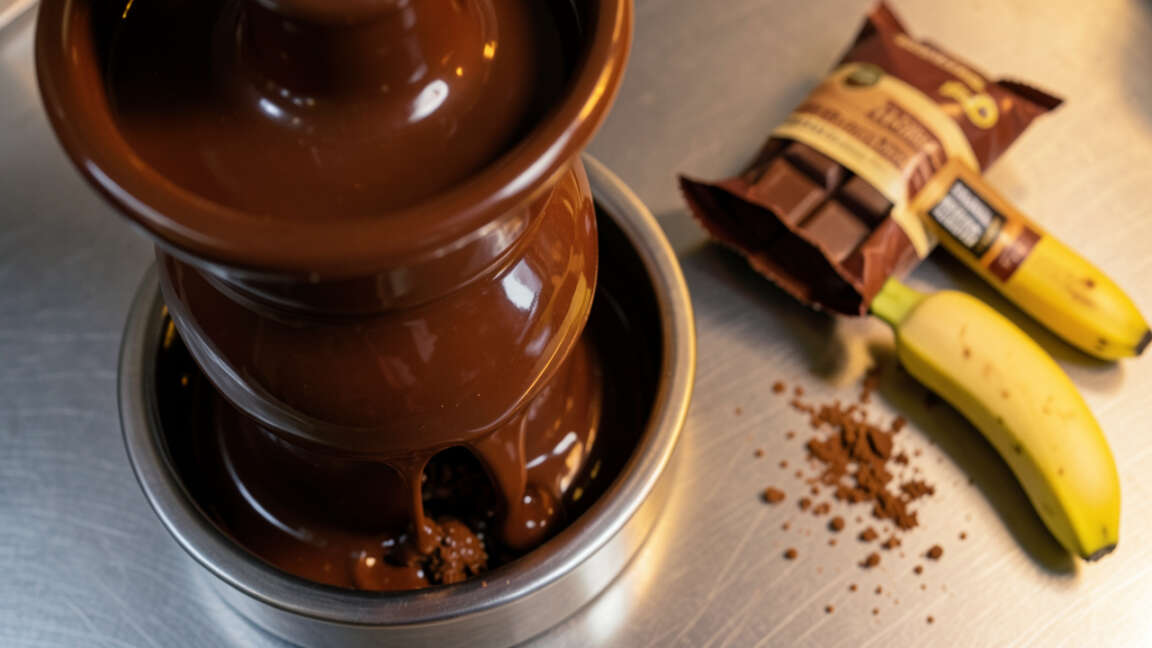
Why Your Chocolate Fountain Might Be Clogged
Having a chocolate fountain at a party is always a hit. The sight of rich, melted chocolate cascading down the tiers is just amazing. But sometimes, things don’t go as planned. The chocolate might be too thick, too thin, or just not moving at all. This can turn a fun treat into a bit of a headache. Let’s look at the main reasons why your chocolate fountain isn’t flowing like it should.
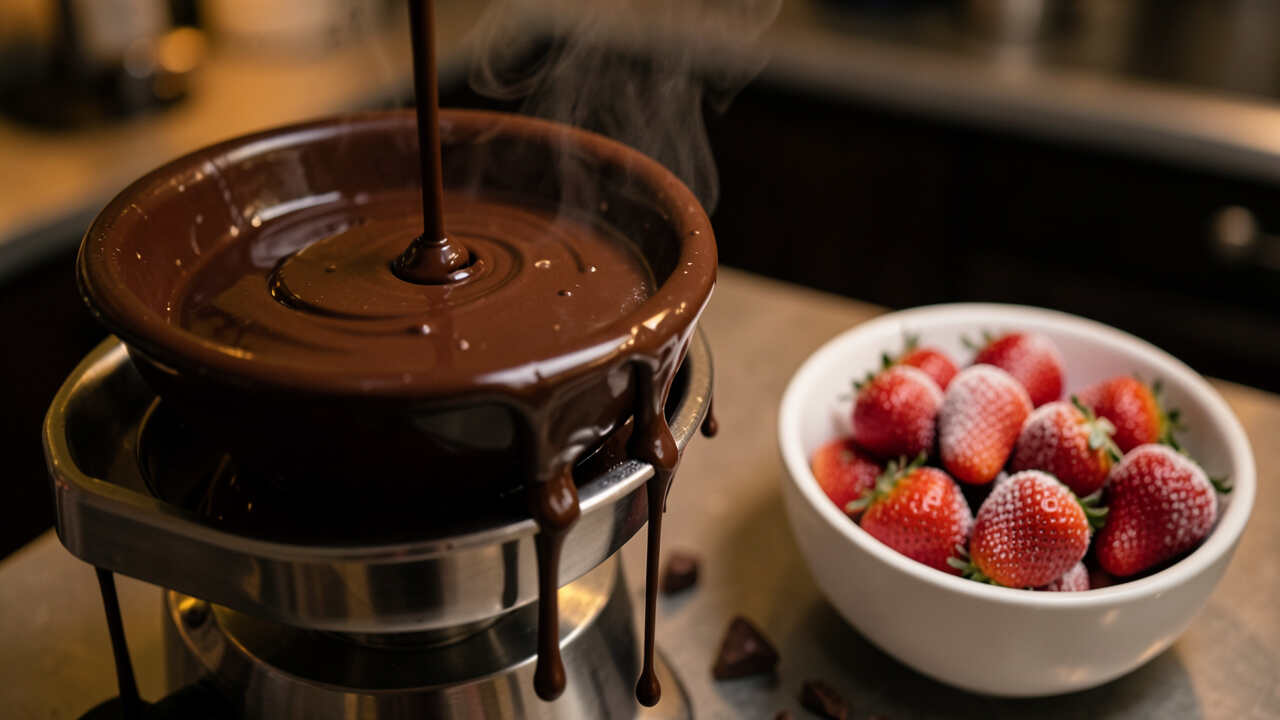
6 Reasons Your Chocolate Fountain Isn’t Flowing Properly
When your chocolate fountain isn’t performing its best, it’s usually because of a few common things. These issues are easy to fix once you know what to look for.
1. The Wrong Type of Chocolate
This is one of the biggest reasons beginners have trouble. Not all chocolate is made for fountains. You need a special kind of chocolate that stays liquid and flows well.
What makes fountain chocolate different?
Fountain chocolate has a higher percentage of cocoa butter or added vegetable oil. This extra fat helps it stay melted and flow smoothly. Regular chocolate chips or bars often have less fat and more solid ingredients. This can make them too thick for a fountain.
What to use instead:
Look for “couverture chocolate” or “fountain chocolate.” You can often find this at specialty baking stores or online. Sometimes, you can add a little oil to regular chocolate, but it’s best to start with the right kind.
2. Improperly Melted or Prepared Chocolate
How you melt your chocolate is very important. If it’s not melted correctly, it can become clumpy or too thick.
Melting methods:
The best way to melt chocolate is in a double boiler. This means putting your chocolate in a bowl set over a pot of simmering water. Make sure the bottom of the bowl doesn’t touch the water. Stir gently until it’s all smooth.
Microwaving is another option, but you have to be very careful. Heat the chocolate in short bursts (15-30 seconds) and stir well after each burst. If you overheat it, chocolate can seize up and become solid.
What “seizing” means:
When chocolate seizes, it gets thick and lumpy. This happens if it gets too hot or if even a tiny bit of water gets into it. Once seized, it’s hard to fix.
3. Chocolate is Too Thick
Even if you use the right chocolate, it can still be too thick to flow. This is often because there isn’t enough fat in it.
How to thin it out:
The easiest way to thin chocolate is by adding oil. You should use a neutral-flavored oil, like vegetable oil, canola oil, or cocoa butter.
How much oil to add:
Start with a small amount, maybe 1-2 tablespoons for every pound of chocolate. Stir it in until the chocolate is smooth and flows easily. You can add a little more if needed. Be careful not to add too much, or the chocolate will be too thin and won’t coat well.
Why oil helps:
Oil is a fat, and adding more fat makes the chocolate less viscous, meaning it flows more easily.
4. The Fountain’s Temperature is Off
Chocolate needs to be at the right temperature to flow. If the fountain is too cool, the chocolate will start to thicken. If it’s too hot, it might burn or separate.
How fountains work:
Most chocolate fountains have a heating element at the base. This keeps the chocolate warm enough to stay melted. The motor then pumps the warm chocolate up the center tube to the top tier.
Checking the temperature:
Your fountain’s manual will usually tell you the ideal temperature for your machine. Generally, chocolate flows best between 100°F and 120°F (38°C and 49°C).
What if it’s not hot enough?
Make sure the fountain is plugged in and the heat setting is on. Sometimes, a drafty room can cool the chocolate down too much.
5. Incorrect Assembly or Setup
Putting the fountain together wrong can cause problems. The parts need to fit together perfectly for the chocolate to circulate.
The auger (or pump):
This is the part that moves the chocolate up. It needs to be seated correctly in the base. If it’s not all the way in, it won’t be able to lift the chocolate.
The tiers:
Each tier needs to be placed evenly on top of the one below it. If they’re crooked, the chocolate won’t flow down smoothly. It might even spill over the sides.
Leveling the fountain:
It’s super important that the fountain is on a perfectly level surface. If it’s tilted, the chocolate will flow more to one side. This can cause blockages and uneven flow. You can use a small spirit level to check.
6. Adding Too Many Ingredients or Contaminants
Once the chocolate is flowing, you might want to dip things into it. But be careful what you add, and how.
What to avoid dipping directly:
Don’t dip anything wet directly into the chocolate basin. Water is the enemy of melted chocolate. It can make it seize up.
What about adding flavors or colors?
If you’re adding flavorings or oil-based colors, do it sparingly. Too much can change the chocolate’s consistency. Always use oil-based food coloring for chocolate; water-based colors will make it seize.
Don’t overcrowd the fountain:
When people are dipping, they can sometimes accidentally knock bits of food into the fountain. These bits can clog the works. It’s good to have a designated area for dipping.
Frequently Asked Questions
Question: What kind of chocolate works best for a chocolate fountain?
Answer: The best chocolate for a fountain is called couverture or fountain chocolate. It has more cocoa butter or added oil, which keeps it liquid and flowing smoothly. Regular chocolate chips or bars can be too thick.
Question: How much oil should I add to thin out chocolate?
Answer: Start with about 1 to 2 tablespoons of oil for every pound of chocolate. Stir it in well. You can add a little more if the chocolate is still too thick, but be careful not to add too much.
Question: Can I microwave chocolate for my fountain?
Answer: Yes, but you need to be very careful. Heat the chocolate in short bursts, about 15 to 30 seconds, stirring well after each burst. Overheating can make the chocolate seize up.
Question: What temperature should the chocolate be?
Answer: Generally, chocolate flows best between 100°F and 120°F (38°C and 49°C). Your fountain’s heating element should keep it at this temperature.
Question: My chocolate fountain is making a strange noise. What could be wrong?
Answer: A strange noise might mean the auger (the part that pumps the chocolate) isn’t seated correctly, or there might be a blockage in the mechanism. Make sure the fountain is assembled properly and that no solid pieces have gotten into the flow system.

Final Thoughts
Getting your chocolate fountain to flow perfectly is all about a few simple things. Using the right kind of chocolate is key. Make sure to melt it gently without letting water get in.
Keep the chocolate at the right temperature and make sure your fountain is put together right and sitting level. By checking these common issues, you can fix most problems. Soon you’ll have that beautiful, flowing chocolate waterfall you’ve been wanting for your party.
Enjoy!

![10 Easy Meals You Can Make With Sous Vide[1]](https://creativehouseblog.com/wp-content/uploads/2026/04/10_Easy_Meals_You_Can_Make_With_Sous_Vide1-768x448.jpg)
![9 Reasons Your Ice Maker Isn’T Working Properly[1]](https://creativehouseblog.com/wp-content/uploads/2026/04/9_Reasons_Your_Ice_Maker_IsnT_Working_Properly1-768x448.jpg)
![7 Mistakes To Avoid When Making Crepes[1]](https://creativehouseblog.com/wp-content/uploads/2026/04/7_Mistakes_To_Avoid_When_Making_Crepes1-768x448.jpg)
![Troubleshooting Common Bread Maker Problems[1]](https://creativehouseblog.com/wp-content/uploads/2026/03/Troubleshooting_Common_Bread_Maker_Problems1-768x448.jpg)
![Espresso Versus Regular Coffee What Is The Difference[1]](https://creativehouseblog.com/wp-content/uploads/2026/03/Espresso_Versus_Regular_Coffee_What_Is_The_Difference1-768x448.jpg)
![9 Signs of Roof Damage Easy to Miss From Below[1]](https://creativehouseblog.com/wp-content/uploads/2026/05/9_Signs_of_Roof_Damage_Easy_to_Miss_From_Below1-768x403.jpg)