
Many people wonder, “What Is a Blender Used For in the Kitchen?” It’s a super common question, especially if you’re just starting out in your kitchen adventures. Sometimes, figuring out new gadgets can feel a bit tricky. But don’t worry!
This guide will break it down super simply. We’ll walk through all the cool things a blender can do, step by step, making it easy for anyone to use. Get ready to discover how this one appliance can help you make lots of yummy things!
Key Takeaways
- A blender is a versatile kitchen tool for chopping, pureeing, and mixing ingredients.
- It can be used to make smoothies, soups, sauces, dips, and baby food.
- Blenders are also helpful for crushing ice and making batters for baked goods.
- Proper cleaning and maintenance ensure your blender lasts a long time.
- Choosing the right blender depends on your common kitchen tasks.
![What Is a Blender Used For in the Kitchen[1]](https://creativehouseblog.com/wp-content/uploads/2026/03/What_Is_a_Blender_Used_For_in_the_Kitchen1.jpg)
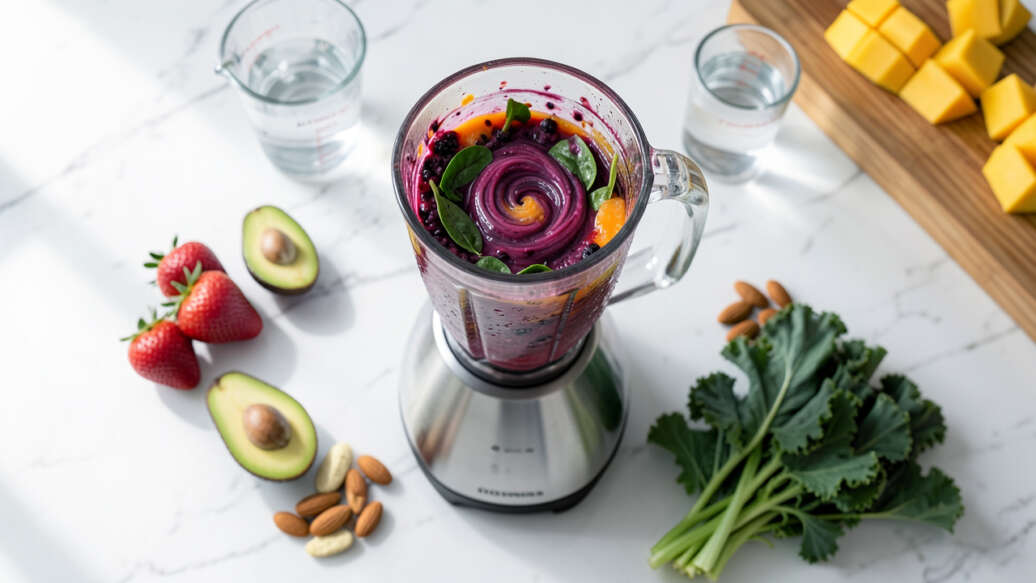
What Is a Blender Used For in the Kitchen
A blender is a small kitchen appliance that helps you prepare food quickly and easily. At its core, a blender uses spinning blades to chop, mix, or liquefy ingredients. It’s powered by a motor, usually found in the base, which turns the blades at high speeds.
This makes it incredibly useful for a wide range of cooking and drink-making tasks. You might be thinking, “What Is a Blender Used For in the Kitchen?” and the answer is, quite a lot!
For beginners, a blender can seem like just another gadget, but it’s really a workhorse. It takes the effort out of tasks that would otherwise be time-consuming or difficult. Imagine trying to finely chop nuts by hand, or mash cooked vegetables into a smooth puree with a fork.
A blender does these jobs in seconds. We’ll explore the many ways this handy appliance can make your kitchen life easier and more delicious.
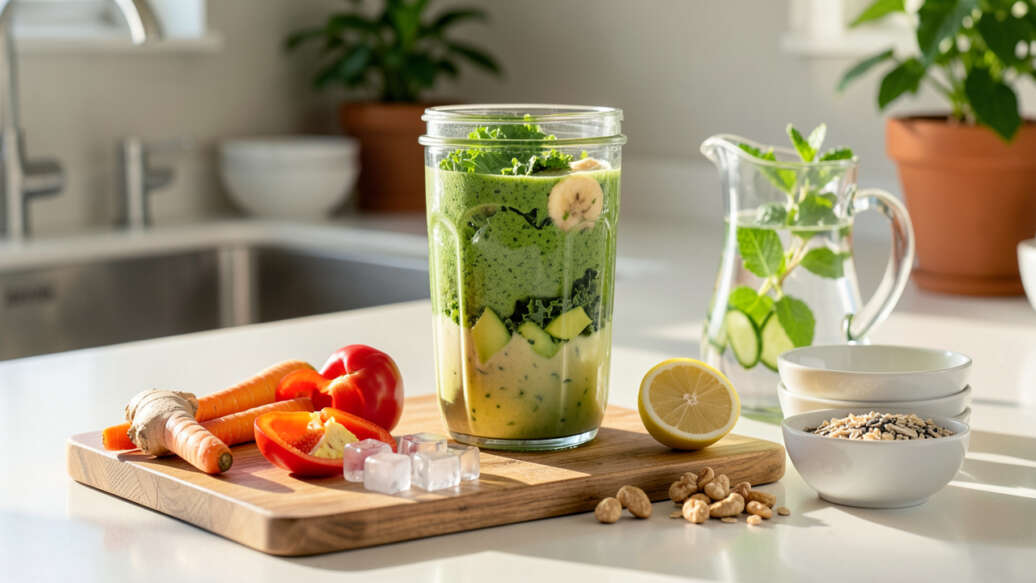
Common Uses for Your Kitchen Blender
So, what exactly can you do with a blender? The possibilities are vast! From refreshing drinks to savory meals, your blender is your ally.
Making Smoothies and Shakes
This is perhaps the most popular use for blenders. You can combine fruits, vegetables, yogurt, milk, or juice to create a healthy and delicious beverage. It’s a quick way to get your daily dose of nutrients and is perfect for breakfast on the go or a post-workout treat.
Creating Soups and Sauces
Blenders are fantastic for making smooth, creamy soups. After cooking your vegetables, simply transfer them to the blender with broth and seasonings. You can also make homemade sauces, like pasta sauce, pesto, or hollandaise, to a perfect consistency.
This is a great way to elevate your cooking.
Preparing Dips and Spreads
Want to make hummus, salsa, or a creamy vegetable dip? Your blender can handle it. It breaks down ingredients like chickpeas, vegetables, and herbs to create smooth and flavorful dips.
Nut butters, like peanut or almond butter, can also be made at home.
Making Baby Food
For parents, a blender is a lifesaver. You can easily puree fruits, vegetables, and cooked meats into a smooth consistency that’s perfect for babies and toddlers. This allows you to control exactly what your child eats, avoiding added sugars or preservatives found in store-bought options.
Crushing Ice
Many blenders, especially more powerful models, can crush ice. This is great for making frozen cocktails, slushies, or adding a chilled texture to your smoothies and drinks. Always check your blender’s manual to ensure it’s designed for this task.
Grinding and Chopping
While not as precise as a food processor, blenders can also do a decent job of grinding small amounts of ingredients like spices, nuts, or coffee beans. They can also chop vegetables like onions or garlic, though you need to be careful not to over-process them into a paste.
Making Batters
For quick batters, like those for pancakes or waffles, a blender can mix your ingredients together smoothly and quickly. This can help prevent lumps and ensure a consistent texture in your baked goods.
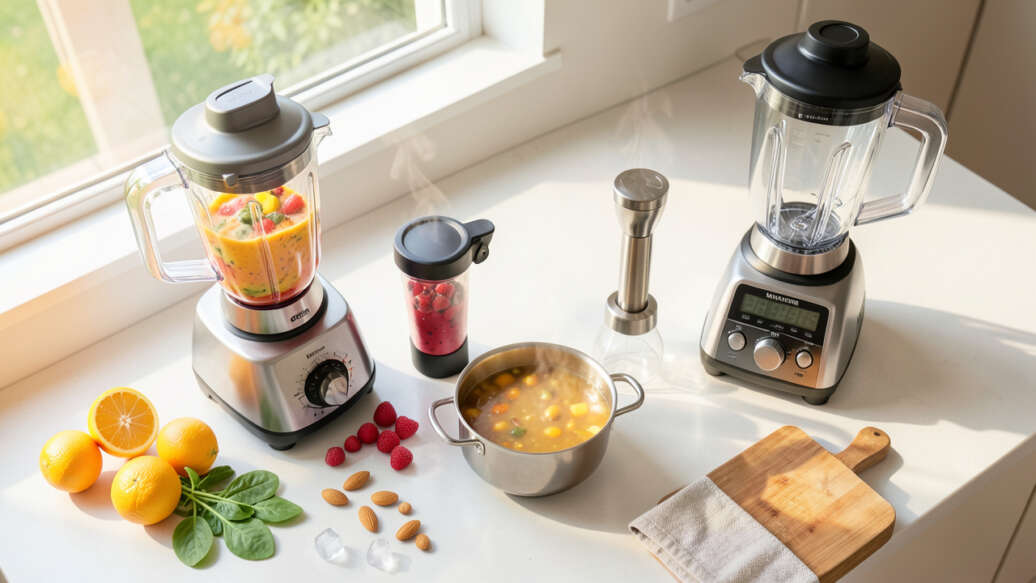
Types of Blenders and Their Uses
There are several types of blenders, each suited for different needs. Knowing the difference can help you choose the right one for what you want to do.
Countertop Blenders
These are the most common type, featuring a motor base and a jar that sits on top. They are versatile and powerful, suitable for most tasks mentioned above, from smoothies to hot soups. They come in various power levels, from basic models to high-performance machines.
Immersion Blenders (Hand Blenders)
An immersion blender is a wand-like device you hold directly in your pot or bowl. They are excellent for pureeing soups directly in the cooking pot, making smaller batches of sauces, or whipping cream. They are compact and easy to clean.
Personal Blenders
These are smaller, often single-serving blenders. You blend ingredients in a portable cup, which can then be sealed with a lid for drinking on the go. They are ideal for making individual smoothies or protein shakes.
Bullet Blenders
These are a type of personal blender that typically comes with multiple cups and blades. They are very efficient for making smoothies and can also be used for grinding spices or making dips.

How to Use Your Blender Safely and Effectively
Using a blender is generally straightforward, but following a few tips will ensure you get the best results and use it safely.
Preparation is Key
Before you start, make sure all your ingredients are cut into manageable pieces, especially for tougher items like ice or hard fruits. Remove any pits, seeds, or tough skins that might strain the motor or be unpleasant to eat.
Layering Ingredients
For best results, add liquids to the blender jar first. Then add softer ingredients like yogurt or bananas, followed by harder items like frozen fruits or ice. This helps the blades grab and blend everything smoothly.
Start Slow
Always start your blender on a low speed and gradually increase it as needed. This prevents ingredients from splattering and helps the blades get a good grip. If your blender has a “pulse” function, use it for more control when chopping or breaking down ingredients.
Don’t Overfill
Avoid filling the blender jar beyond the maximum fill line. Overfilling can put a strain on the motor and lead to leaks or an uneven blend. If you have a large batch, it’s better to blend in stages.
Secure the Lid
Make sure the lid is firmly in place before you turn on the blender. Most lids have a small opening or cap in the center; you can remove this to add ingredients while blending, but always do so carefully.
Listen to Your Blender
If your blender sounds like it’s struggling or making unusual noises, stop it immediately. This could mean the ingredients are too hard, the motor is overheating, or there’s an issue with the blades. Check for blockages or let the motor cool down.

Cleaning and Maintaining Your Blender
Proper cleaning is essential to keep your blender in good working order and ensure hygiene.
Immediate Cleaning
The easiest way to clean your blender is right after you use it. Rinse the jar and lid with warm water. For a quick clean, you can fill the jar halfway with warm water, add a drop of dish soap, put the lid on, and blend for a few seconds.
Rinse thoroughly afterward.
Deep Cleaning
For more stubborn residue, you might need to wash the jar and lid by hand with a soft sponge and dish soap. Some blender jars are dishwasher safe, but always check your user manual to be sure. Never immerse the motor base in water.
Checking the Blades
Regularly inspect the blender blades for any damage or dullness. If they appear worn out, you might be able to replace the blade assembly, depending on the blender model.
Motor Base Care
Wipe down the motor base with a damp cloth. Ensure it’s completely dry before storing or using it again. Keep the vents clear of dust and debris.

Troubleshooting Common Blender Issues
Even the best blenders can have occasional hiccups. Here’s how to fix them.
Blender Not Turning On
Check if the blender is properly plugged into a working outlet. Ensure the jar is correctly seated on the base and the lid is securely attached, as many blenders have safety features that prevent them from operating if not assembled correctly.
Ingredients Not Blending Smoothly
You might need to add more liquid to help the ingredients move freely. Also, try cutting your ingredients into smaller pieces or layering them differently. If you have a tough ingredient, try running the blender in short bursts or using the pulse function.
Leaking from the Jar
This usually means the lid isn’t secured properly, or the gasket (the seal between the blade assembly and the jar) is damaged or missing. Check that the blade assembly is screwed on tightly and that the gasket is in good condition.
Motor Overheating
If the blender feels excessively hot or smells like it’s burning, turn it off immediately and let it cool down completely. This can happen if you’ve been blending for too long, have too many ingredients, or are trying to blend something too hard.
FAQ Of What Is a Blender Used For in the Kitchen
Question: What is the main purpose of a blender in cooking?
Answer: The main purpose of a blender is to mix, chop, or liquefy ingredients into a smooth consistency, making tasks like creating smoothies, soups, and sauces much easier.
Question: Can I make hot soup in a regular blender?
Answer: Yes, many blenders can handle hot liquids. However, it’s crucial to vent the lid to allow steam to escape and blend in small batches, starting on a low speed to prevent pressure buildup and potential injury.
Question: What’s the difference between a blender and a food processor?
Answer: Blenders are best for liquefying and pureeing with liquids, while food processors are better for chopping, slicing, shredding, and making doughs or batters, usually with drier ingredients.
Question: How do I get my smoothies really smooth?
Answer: For the smoothest smoothies, start with a good base of liquid, add your soft ingredients next, and finish with frozen fruits or ice. Using a powerful blender and letting it run for a bit longer will also help.
Question: Is it safe to put ice in any blender?
Answer: Not all blenders are designed to crush ice. Check your blender’s manual to see if it’s rated for ice crushing. Using a blender not designed for ice can damage the motor or blades.
Final Thoughts
A blender is a fantastic tool for any kitchen, making many food preparation tasks much simpler and quicker.
From healthy drinks to delicious meals and treats, it truly offers a lot of versatility. You can whip up smoothies, creamy soups, tasty dips, and even homemade baby food with ease.
Learning what a blender is used for in the kitchen opens up a world of simple recipes. Remember to follow the easy steps for safe operation and cleaning.
Don’t be afraid to experiment and discover all the wonderful ways your blender can help you create amazing things in your kitchen.
Enjoy making new and tasty foods!

![How Induction Cooktops Work Explained Simply[1]](https://creativehouseblog.com/wp-content/uploads/2026/03/How_Induction_Cooktops_Work_Explained_Simply1-768x448.jpg)
![Spring Home Maintenance Checklist to Start the Year Right[1]](https://creativehouseblog.com/wp-content/uploads/2026/05/Spring_Home_Maintenance_Checklist_to_Start_the_Year_Right1-768x403.jpg)
![How To Clean And Restore Outdoor Furniture[1]](https://creativehouseblog.com/wp-content/uploads/2026/05/How_To_Clean_And_Restore_Outdoor_Furniture1-768x403.jpg)
![How to Prevent Ice Dams on Your Roof in Winter[1]](https://creativehouseblog.com/wp-content/uploads/2026/05/How_to_Prevent_Ice_Dams_on_Your_Roof_in_Winter1-768x403.jpg)
![How To Clean A Blender Fast And Easy[1]](https://creativehouseblog.com/wp-content/uploads/2026/03/How_To_Clean_A_Blender_Fast_And_Easy1-768x448.jpg)
![10 Easy Meals You Can Make With Sous Vide[1]](https://creativehouseblog.com/wp-content/uploads/2026/04/10_Easy_Meals_You_Can_Make_With_Sous_Vide1-768x448.jpg)