
Most air fryers produce a consistent humming noise, typically between 50 and 60 decibels, during operation. This sound is primarily generated by the internal fan that rapidly circulates hot air to cook food efficiently. A moderate, steady hum is normal and indicates the appliance is functioning correctly, while any sudden, loud, or irregular noises may warrant checking for obstructions or a faulty component.
Key Takeaways
- Air fryers make a consistent hum during operation.
- The fan is the main source of the noise.
- Some models are naturally louder than others.
- Environmental factors can affect perceived noise.
- Most air fryer sounds are normal and indicate it’s working.
- There are simple ways to make your air fryer sound quieter.
Many people wonder about their air fryer’s sound. Is it too loud? Is something wrong?
When you’re just starting out, the noise can be a bit surprising. This guide makes Air Fryer Noise Levels Explained simple. We’ll go over what sounds to expect and why.
You’ll feel confident about your air fryer in no time.
![Air Fryer Noise Levels Explained Clearly[1]](https://creativehouseblog.com/wp-content/uploads/2026/03/Air_Fryer_Noise_Levels_Explained_Clearly1.jpg)

Understanding Air Fryer Noise
Air fryers are popular kitchen tools for a reason. They cook food quickly and make it crispy. But one thing many people notice is the sound.
When you turn one on, it makes a noise. This is completely normal! It’s usually a steady humming or whirring sound.
This is how the air fryer works to cook your food.
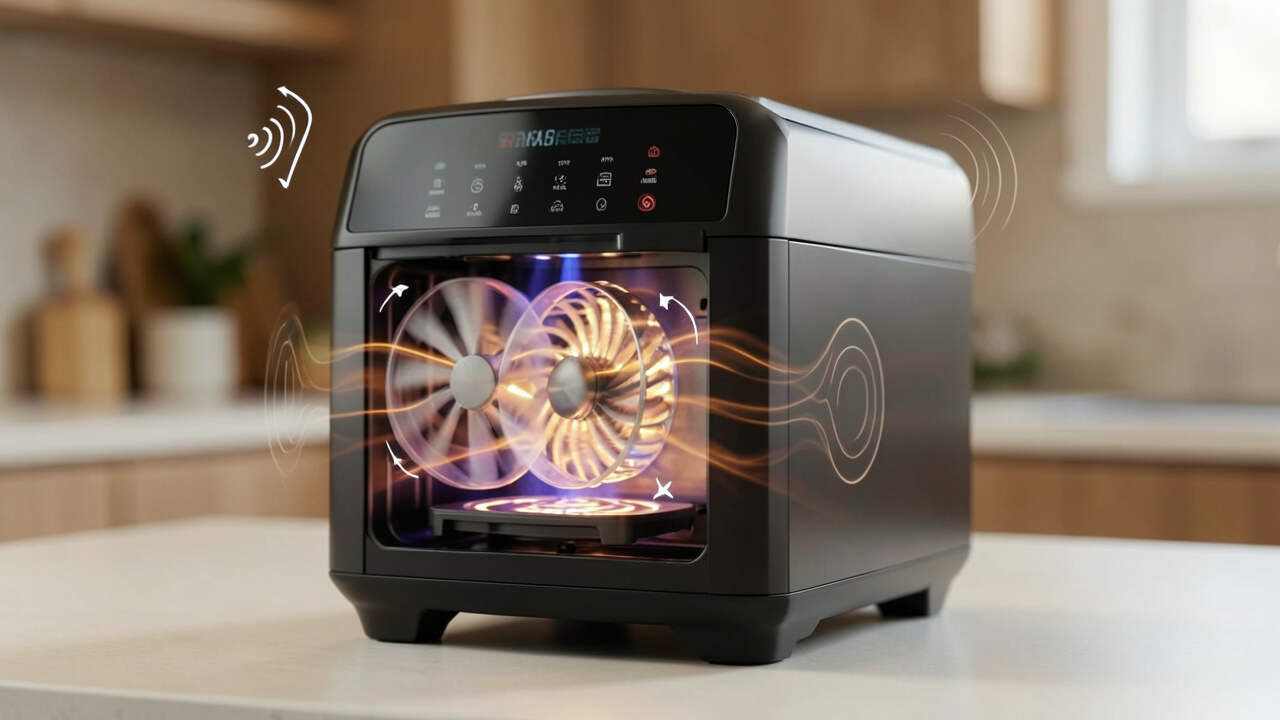
The main reason for the noise is the fan inside the appliance. This fan circulates hot air at a very high speed. Think of it like a small, powerful hairdryer.
This fast-moving air is what cooks your food evenly and makes it crispy. The sound you hear is the motor and the blades of the fan doing their job.
Why Air Fryers Make Noise
The core function of an air fryer relies on rapid air circulation. This is achieved by a powerful fan. The fan’s motor turns at high speeds.
This rotation creates airflow. The airflow is what cooks your food. The faster the fan spins, the more air is moved.
This generally leads to quicker cooking times and crispier results.
The sound produced is a direct result of this mechanical process. It's similar to the noise you might hear from a convection oven, a microwave's fan, or even a powerful computer fan. The intensity of the noise can vary.
This depends on the motor’s power, the fan’s design, and the appliance’s overall construction.
The Fan: The Heart of the Sound
The fan is the primary component responsible for the noise. It’s usually located at the back or bottom of the air fryer. Its purpose is to draw in air, heat it up, and then blast it around the cooking chamber.
This creates a convection effect.
Different fan designs exist. Some use more blades. Others have blades shaped differently.
These variations can affect the sound. A fan with more blades spinning at the same speed might create a different pitch of noise. The motor itself also contributes to the sound.
The quality of the motor and its bearings can influence how quiet or loud it is.
Motor and Internal Components
Beyond the fan itself, the motor that powers it is another source of sound. Motors have moving parts. These parts create vibrations.
These vibrations can be heard as a hum or a low rumble. The housing and insulation of the air fryer also play a role. A well-built appliance with good insulation will often be quieter.
Sometimes, other internal components might create faint sounds. These could include heating elements or small pumps if it’s a model with steam functions.
However, the fan and its motor are the most significant contributors to the overall noise level you experience.
What is a Normal Noise Level?
A typical air fryer operates within a certain decibel range. Most home air fryers fall between 40 and 60 decibels (dB). To put this into perspective, a normal conversation is around 60 dB.
So, an air fryer’s noise is usually comparable to everyday sounds. It’s not typically as loud as a vacuum cleaner, which can be 70-80 dB.
This sound is a steady hum or whir. It’s consistent throughout the cooking cycle. You might notice slight variations as the appliance heats up or cycles through its temperature.
However, a constant, moderate humming sound is generally considered normal. It means the air fryer is functioning correctly.
When Noise Might Indicate a Problem
While most sounds are normal, some noises could point to an issue. If you hear loud, grinding, rattling, or clicking sounds, it’s worth investigating. These sounds are not typical for a well-functioning air fryer.
Grinding noises could mean the fan blades are hitting something they shouldn’t, or the motor is failing. Rattling might indicate loose parts. Loud clicking could be the fan motor struggling.
If you hear any of these unusual sounds, it’s best to stop using the air fryer and check the manual. You might need to contact customer support.

Factors Affecting Air Fryer Noise
Several things can make your air fryer sound louder or quieter. These aren’t about the appliance being broken, but about how it’s used and where it’s placed.
Model and Brand Differences
Just like cars or blenders, air fryers vary greatly between brands and models. Some manufacturers focus on creating quieter appliances. They might use better motors or more advanced fan designs.
Others might prioritize power and performance, which can sometimes come with a bit more noise.
Higher-end models often have features aimed at reducing noise. These could include better insulation, sturdier construction, or quieter motor technology. Cheaper or older models might be naturally noisier.
When buying an air fryer, reading reviews that mention noise levels can be very helpful.
Size and Capacity
Larger air fryers, especially those with bigger baskets or dual baskets, often have more powerful fans. More power means the fan spins faster and moves more air. This can result in a louder noise output.
Smaller, compact models might be a bit quieter simply because they have smaller, less powerful fans.
The internal design also matters. How much space is there for air to circulate? How are the internal components arranged?
These factors can influence airflow and, consequently, the noise generated. A well-designed larger air fryer can still be quieter than a poorly designed smaller one.
Placement of the Air Fryer
Where you place your air fryer can make a surprising difference. If it’s on a hard, flat surface like a countertop, the vibrations can travel. This can amplify the sound.
Placing it on a thick cutting board or a rubber mat can help dampen these vibrations.
Also, make sure there's enough space around the air fryer. Air fryers need good ventilation. If the back or sides are blocked, the fan might have to work harder.
This can sometimes lead to more noise. Ensure the vents are clear and the appliance isn’t pushed right against a wall.
How Full the Basket Is
Interestingly, the amount of food in the basket can slightly affect the noise. If the basket is completely empty, the airflow might be a bit less restricted and potentially create a slightly different sound. When the basket is full, the food can sometimes act as a bit of a baffle.
This can slightly alter the sound or even muffle it a little.
However, the primary noise source is still the fan. The food’s effect on the sound is usually minimal. It’s not something to worry about, but it’s a subtle factor.
The main goal is to cook your food properly, not to try and manipulate the sound by underfilling or overfilling the basket.

Making Your Air Fryer Quieter
While you can’t eliminate the noise entirely, there are some things you can do to make your air fryer sound less intrusive.
Use a Sound-Dampening Mat
As mentioned earlier, placing your air fryer on a thick mat can help. A good option is a rubber mat, a thick silicone mat, or even a dense wooden cutting board. These materials absorb vibrations.
They prevent the sound from resonating through your countertop and cabinets.
Look for mats designed to absorb sound or vibrations. Some people use placemats or even folded towels, though dedicated mats are usually more effective and safer. Ensure the mat is heat-resistant, as the air fryer can get warm.
Ensure Proper Ventilation
Good airflow is crucial for an air fryer’s performance and can also impact noise. Make sure there’s at least a few inches of space between the back and sides of the air fryer and any walls or cabinets. This allows the fan to draw in air efficiently without straining.
Blocked vents can force the fan to work harder, potentially increasing the noise. Regularly check that the vents aren’t obstructed by anything. Cleaning them also helps maintain optimal airflow.
Check for Loose Parts
Occasionally, a loose part inside the air fryer can cause rattling or vibrating sounds. Before using the air fryer, give it a gentle shake. Listen for anything that sounds loose.
If you suspect something is loose, consult your user manual.
Some parts, like the basket or drip tray, might need to be properly seated. If you notice persistent rattling that doesn’t seem to come from the normal fan operation, it might be worth contacting the manufacturer. However, this is less common than the fan noise.
Consider a Quieter Model
If noise is a major concern for you, your next air fryer purchase could focus on quieter models.
As mentioned, research reviews that specifically talk about noise levels. Some brands are known for engineering quieter appliances.When shopping, look for specifications or features that highlight noise reduction. While these might sometimes come at a higher price point, the peace and quiet might be worth it for some users.

Comparing Noise Levels of Popular Air Fryers
It’s helpful to have an idea of how different air fryers stack up. While exact decibel ratings can be hard to find for every model, user reviews often provide good insights.
| Air Fryer Type | Typical Noise Level (dB) | Notes |
|---|---|---|
| Standard Basket Air Fryer (Mid-Size) | 45-55 dB | Most common range. Comparable to a quiet office. |
| Large Capacity / Dual Basket Air Fryer | 50-60 dB | Often has more powerful fans, can be louder. |
| Toaster Oven Style Air Fryer | 40-50 dB | May have different fan mechanics, often quieter overall. |
| Compact / Personal Air Fryer | 40-50 dB | Smaller fans, usually produce less noise. |
Remember, these are approximate ranges. Actual noise can vary based on usage and the specific model. The key is that most of these fall within acceptable levels for home use.
FAQ Of Air Fryer Noise Levels Explained Clearly
Is my air fryer supposed to be this loud?
Yes, most air fryers make a consistent humming or whirring sound when they are operating. This noise comes from the fan that circulates hot air. It’s a normal part of how they work.
What is the typical decibel level of an air fryer?
Most home air fryers operate between 40 and 60 decibels. This is similar to the sound of a normal conversation or a quiet refrigerator.
What if my air fryer makes a grinding or rattling noise?
Unusual noises like grinding, rattling, or loud clicking are not normal. These could indicate a problem with the fan or other internal parts. If you hear these sounds, stop using the air fryer and check your manual or contact customer support.
Can I make my air fryer quieter?
You can try placing it on a sound-dampening mat to reduce vibrations. Ensuring good ventilation around the appliance also helps. While you can’t eliminate the fan noise, these steps can make it less noticeable.
Are some air fryer brands quieter than others?
Yes, noise levels can vary significantly between brands and models. Some manufacturers engineer their appliances to be quieter, using better motors and fan designs. Reading reviews can help identify quieter options.
Final Thoughts
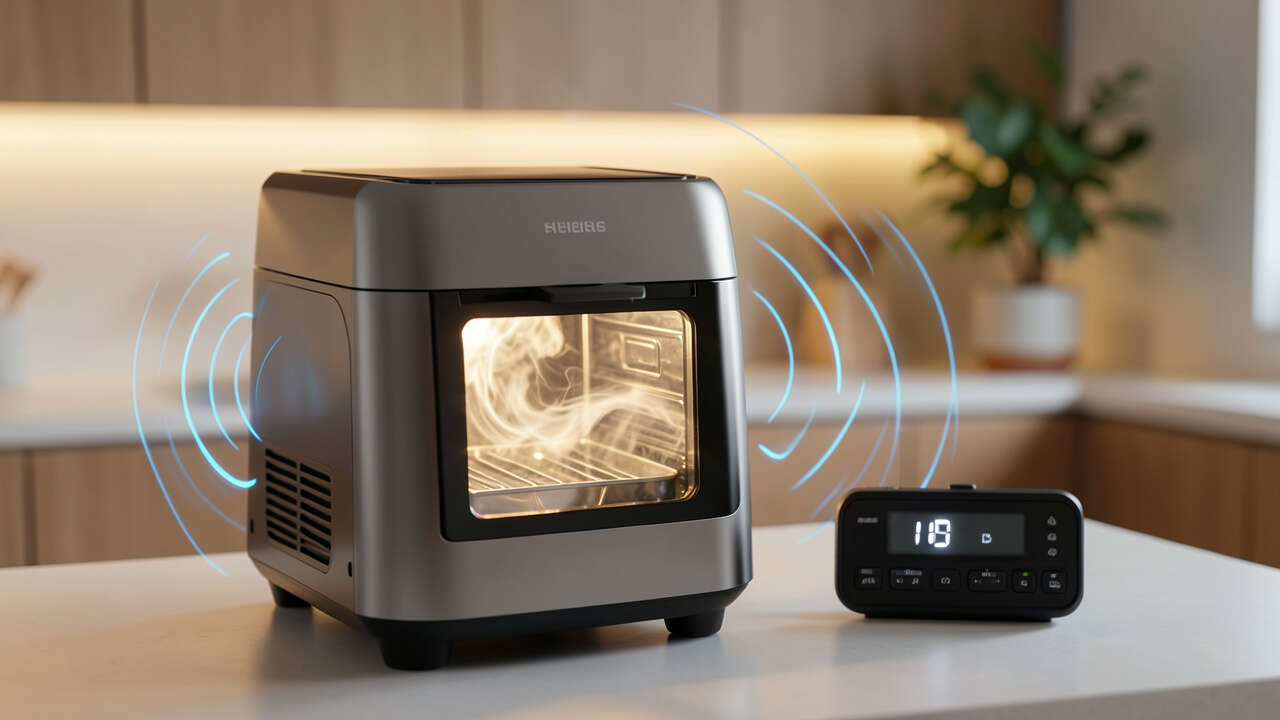
The sound of your air fryer is usually a good sign. It means the fan is working hard to cook your food. Most humming and whirring noises are perfectly normal.
They are comparable to everyday household sounds. If you hear any strange grinding or rattling, check for issues. Otherwise, enjoy your crispy meals.
Your air fryer is likely doing exactly what it should.

![9 Things You Can Cook On An Indoor Electric Grill (Beyond Meat)[1]](https://creativehouseblog.com/wp-content/uploads/2026/04/9_Things_You_Can_Cook_On_An_Indoor_Electric_Grill_Beyond_Meat1-768x448.jpg)
![7 Baking Machine Mistakes Beginners Make[1]](https://creativehouseblog.com/wp-content/uploads/2026/04/7_Baking_Machine_Mistakes_Beginners_Make1-768x448.jpg)
![Simple Monthly Checklist To Keep Your Home In Shape[1]](https://creativehouseblog.com/wp-content/uploads/2026/05/Simple_Monthly_Checklist_To_Keep_Your_Home_In_Shape1-768x403.jpg)
![Induction vs Electric Stoves A Simple Guide[1]](https://creativehouseblog.com/wp-content/uploads/2026/03/Induction_vs_Electric_Stoves_A_Simple_Guide1-768x448.jpg)
![Air Fryer Maintenance Guide For Beginners[1]](https://creativehouseblog.com/wp-content/uploads/2026/03/Air_Fryer_Maintenance_Guide_For_Beginners1-768x448.jpg)
![Best Foods to Cook in an Air Fryer[1]](https://creativehouseblog.com/wp-content/uploads/2026/03/Best_Foods_to_Cook_in_an_Air_Fryer1-768x448.jpg)