
Sometimes, the sandwich you make at home just doesn’t get that perfect crispy outside we all love. It might seem like a small thing, but a soggy sandwich can be a real letdown. You’re not alone if you’ve wondered about 6 Reasons Your Sandwich Isn’t Getting Crispy.
It can be tricky to get that golden-brown, satisfying crunch. But don’t worry! We’ve got simple tips to help you get a fantastic crispy sandwich every time.
Read on to learn how to fix those common sandwich mistakes and get ready for your best sandwich yet.
Key Takeaways
- You’ll discover why your sandwich might not be getting crispy.
- We’ll cover how the heat of your pan matters a lot.
- Learn how much butter or oil to use for the best results.
- Understand why waiting for the pan to heat up is important.
- Find out how pressing your sandwich helps create crispiness.
- Get tips on choosing the right bread for a crispy sandwich.
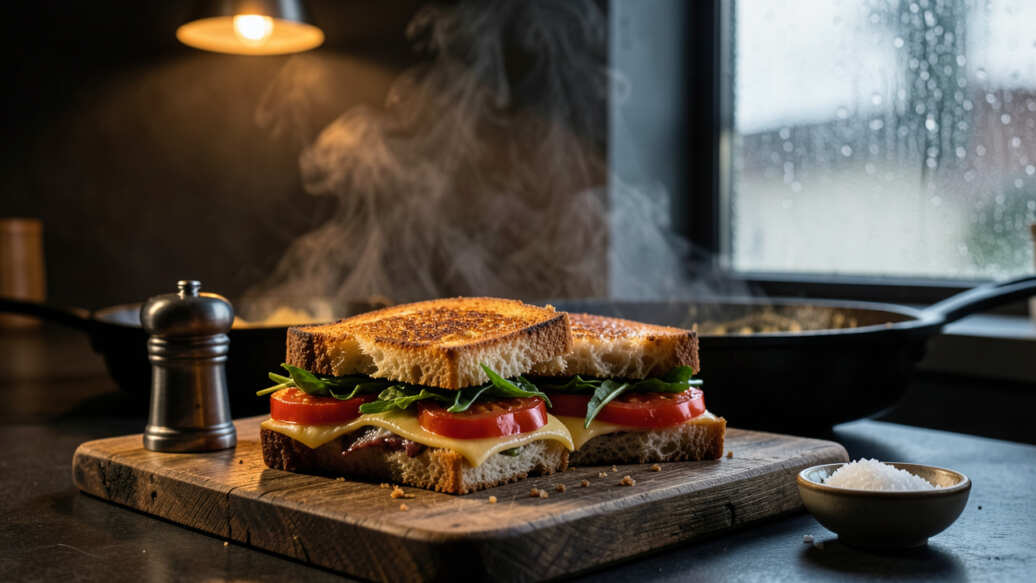
Why Isn’t My Sandwich Getting Crispy?
Making a sandwich that’s wonderfully crispy on the outside is a goal many home cooks strive for. That golden-brown, slightly crunchy exterior, combined with a warm, gooey filling, is pure comfort food magic. Yet, for many, the reality is a pale, soft sandwich that misses the mark.
This frustration is common, especially when you’re just starting out or trying a new recipe. You might follow the steps, but the result isn’t what you expected. Several small, often overlooked details can make a big difference.
The good news is that achieving sandwich crispiness isn’t a culinary mystery. It often comes down to understanding a few basic principles of cooking and heat. By adjusting a few simple things, you can transform your sandwiches from soft to sensational.
Let’s explore the common pitfalls that prevent your sandwich from getting that desirable crisp, and by the end, you’ll know exactly what to do differently.
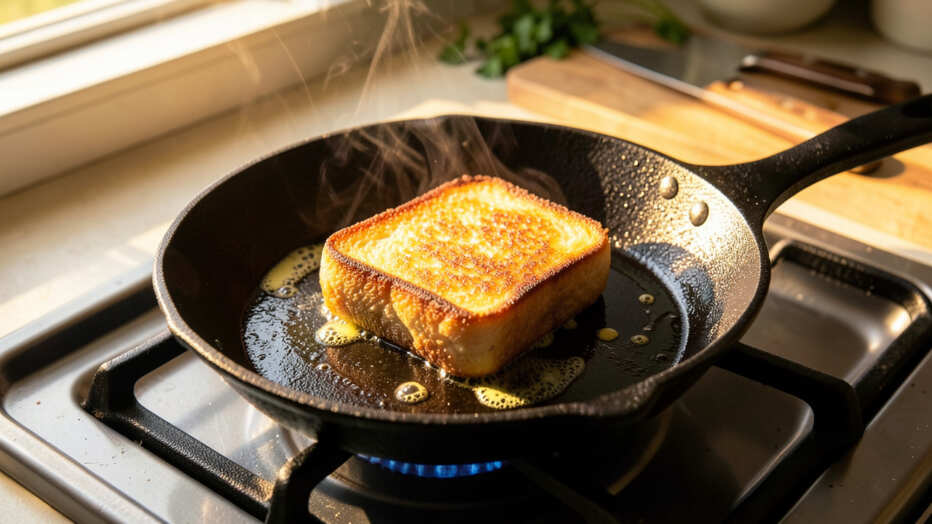
The Heat Game: Pan Temperature is Key
Too Low, Too Slow: The Undercooked Pan
One of the biggest culprits behind a sad, soggy sandwich is a pan that isn’t hot enough. When you place your sandwich in a cold or barely warm pan, the bread doesn’t immediately start to crisp. Instead, it begins to steam.
The moisture from the bread and any fillings has nowhere to go, and it gets absorbed back into the bread, making it soft and doughy.
Think of it like this: you want to sear a steak to get a nice crust. If the pan is too cool, the steak just cooks through without browning. The same principle applies to your sandwich.
The butter or oil needs to be hot enough to sizzle immediately upon contact with the bread. This quick sizzle is what begins the browning and crisping process.
Finding the Sweet Spot: Medium Heat is Your Friend
The ideal pan temperature for most sandwiches is medium heat. This isn’t screaming hot, which can burn the bread before the inside is warm. It’s also not too low, which, as we discussed, leads to steaming.
Medium heat allows the bread to toast gradually, giving the moisture time to evaporate and the starches to turn golden and crispy.
How do you know when your pan is at medium heat? A good indicator is when you add your butter or oil, and it melts and shimmers but doesn’t smoke excessively. If you flick a tiny drop of water into the pan, it should sizzle and evaporate quickly.
If it just sits there, it’s too cool. If it disappears instantly with aggressive spitting, it’s too hot.
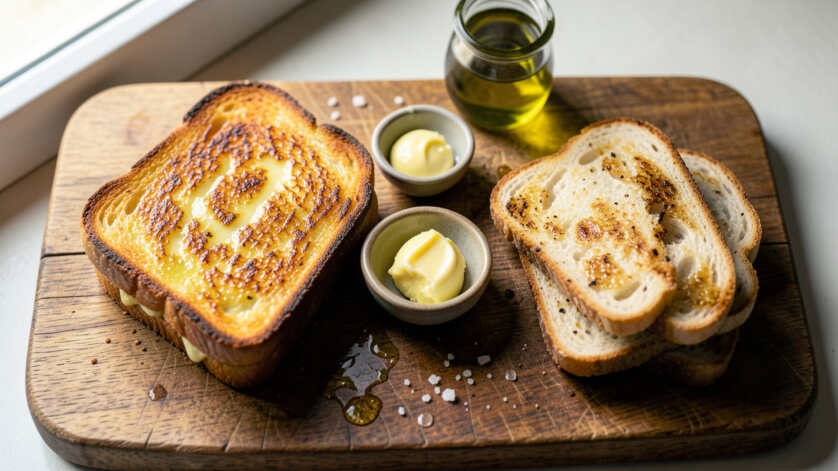
Fat Matters: Butter vs. Oil and How Much to Use
The Role of Fat in Toasting
Fat is essential for making your sandwich crispy. It acts as a conductor of heat, transferring it from the pan to the bread. More importantly, fat helps in the Maillard reaction, which is what gives toasted bread its delicious brown color and toasty flavor.
Without enough fat, the bread will dry out and burn before it gets nicely browned and crisp.
Butter: Flavorful but Can Burn
Butter is a popular choice for grilled sandwiches because it adds a wonderful flavor. However, butter has a lower smoke point than many oils, meaning it can burn relatively quickly. If your pan is too hot, the butter can turn brown and bitter, and your sandwich might end up with burnt spots and a less-than-ideal taste.
To avoid burning butter, use medium heat. You can also use a mixture of butter and oil. The oil increases the smoke point, making it more forgiving.
Some people also use clarified butter or ghee, which have higher smoke points and are less likely to burn.
Oils: For Consistent Crispiness
Oils like vegetable oil, canola oil, or olive oil (though a lighter olive oil is often preferred for its neutral flavor) are excellent for achieving a consistent crisp. They generally have higher smoke points than butter, making them a bit more forgiving if your pan gets a little hotter than intended.
Using just a tablespoon or two of oil spread evenly across the pan is usually enough. You want a thin, even layer. Too much oil can make the sandwich greasy, while too little won’t provide enough coverage for even crisping.
Getting the Amount Just Right
For most standard sandwiches (two slices of bread), about 1 to 1.5 tablespoons of fat (butter, oil, or a mix) is a good starting point. Spread it evenly in the pan before placing the sandwich. Alternatively, you can spread a thin layer of softened butter or mayonnaise directly onto the outside of the bread slices themselves.
This ensures even coverage and helps create a beautiful, golden crust.
Bread Choice: Not All Breads Are Created Equal
The Sturdiness Factor
The type of bread you choose plays a significant role in how crispy your sandwich can get. Breads with a very soft, airy crumb and thin crust might become soggy very quickly, even with perfect technique. They can also tear or fall apart under the heat and pressure.
Hearty Breads for Better Results
Sturdier breads are generally better for crispy sandwiches. Think sourdough, whole wheat, or country-style loaves. These breads have a tighter crumb and a more robust crust that can stand up to the heat and moisture without turning into mush.
Their structure helps them achieve a satisfying crunch.
Thickness of Slices
The thickness of your bread slices also matters. Slices that are too thin can burn before they get crispy. Slices that are too thick might take too long to heat through, and the outside could get dry or tough before the inside is warm.
Aim for slices that are about ½ to ¾ inch thick. This provides a good balance, allowing the bread to toast and crisp up nicely while still letting the heat penetrate to melt your cheese or warm your fillings.

The Art of the Press: Gentle Pressure for Maximum Crunch
Why Pressing Helps
Applying gentle, even pressure to your sandwich as it cooks is a simple trick that makes a big difference. When you press down, you’re ensuring that all parts of the bread are in direct contact with the hot pan and the fat. This promotes even toasting and crisping across the entire surface of the sandwich.
How to Apply Pressure
You don’t need a fancy sandwich press. A sturdy spatula or a clean, flat-bottomed pot works perfectly. Place the spatula on top of the sandwich and apply gentle, consistent pressure for about 30 seconds to a minute at a time.
You can do this every minute or so as the sandwich cooks on each side.
Be careful not to press too hard, especially if you have a lot of gooey cheese or delicate fillings. Excessive pressure can squeeze out the fillings or make the bread too dense. The goal is gentle persuasion, not brute force.

Don’t Overcrowd the Pan: Give Your Sandwich Space
The Steam Situation
If you try to cook too many sandwiches at once in a pan that’s too small, you create a steam bath. The sandwiches will release moisture, and instead of crisping, they’ll end up steaming each other. This is a sure way to get a soggy outcome.
One or Two at a Time
It’s best to cook sandwiches one or two at a time, depending on the size of your pan. This allows each sandwich to get direct contact with the hot surface and ensures there’s enough space for air to circulate. Good airflow helps moisture escape, leading to a crispier result.
If you’re making sandwiches for a crowd, cook them in batches. Keep the cooked ones warm in a low oven (around 200°F or 95°C) on a baking sheet while you finish the rest. This prevents them from getting soggy while you work.
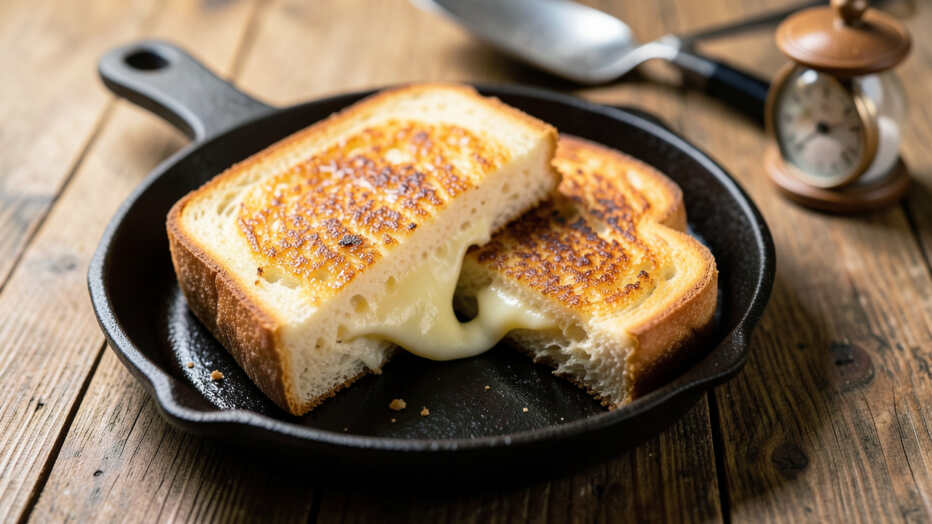
Patience is a Virtue: Don’t Rush the Flip
Let it Brown
One of the most tempting things to do is to lift the sandwich too early to check its progress. Resist this urge! You need to let the bread sit on the hot surface long enough to develop that beautiful golden-brown color and crispy texture.
Peeking too soon means you’re interrupting the cooking process and likely flipping before it’s ready.
Listening to the Sizzle
A good indicator that your sandwich is ready to flip is the sound. When the bread hits the hot, greased pan, you should hear a gentle, consistent sizzle. If the sizzling fades quickly, the pan might be cooling down, or you flipped too soon.
When one side is nicely browned, you’ll often hear the sizzle change slightly.
You can gently lift a corner with a spatula to check the color. Once you see that perfect golden brown, it’s time to flip. Then, repeat the process on the other side.
The whole process for a well-crisped sandwich usually takes about 3-5 minutes per side, depending on your heat and bread.
Frequently Asked Questions
Question: Why does my sandwich get soggy in the middle?
Answer: This often happens if your pan isn’t hot enough when you start cooking, causing the bread to steam rather than toast. It can also be due to using too many wet fillings or not enough fat on the bread.
Question: Should I use butter or oil for a crispy sandwich?
Answer: Both can work well! Butter adds great flavor but can burn more easily. Oil, especially lighter types, offers more consistent crisping and a higher smoke point.
A mix of both is also a great option.
Question: How thick should my bread slices be for a grilled sandwich?
Answer: Aim for slices that are about ½ to ¾ inch thick. This thickness allows the bread to toast and crisp up nicely on the outside while the inside heats through.
Question: How long should I cook each side of the sandwich?
Answer: Generally, each side needs about 3-5 minutes on medium heat. You’re looking for a golden-brown color and a crisp texture. Listen for a consistent sizzle and check the color by lifting a corner.
Question: Can I make crispy sandwiches for a crowd?
Answer: Yes! Cook them in batches to avoid overcrowding the pan. Keep the finished sandwiches warm in a low oven (around 200°F or 95°C) on a baking sheet until you’re ready to serve.
Final Thoughts
Achieving that perfect crispy sandwich at home is totally doable. It’s all about a few key steps: making sure your pan is hot before the bread goes in, using enough fat, choosing a sturdy bread, and giving it gentle pressure. Don’t rush the cooking; let that golden-brown color develop.
By paying attention to these simple details, you’ll get delicious, crispy sandwiches every time. Enjoy your perfectly toasted creations!

![How to Spot Minor Home Problems Before They Get Costly[1]](https://creativehouseblog.com/wp-content/uploads/2026/05/How_to_Spot_Minor_Home_Problems_Before_They_Get_Costly1-1-768x403.jpg)
![What Can You Make With A Stand Mixer[1]](https://creativehouseblog.com/wp-content/uploads/2026/03/What_Can_You_Make_With_A_Stand_Mixer1-768x448.jpg)
![Extension Lead Safety Mistakes People Make at Home[1]](https://creativehouseblog.com/wp-content/uploads/2026/05/Extension_Lead_Safety_Mistakes_People_Make_at_Home1-768x403.jpg)
![How To Clean A Blender Fast And Easy[1]](https://creativehouseblog.com/wp-content/uploads/2026/03/How_To_Clean_A_Blender_Fast_And_Easy1-768x448.jpg)
![Rice Cooker Versus Instant Pot[1]](https://creativehouseblog.com/wp-content/uploads/2026/03/Rice_Cooker_Versus_Instant_Pot1-768x448.jpg)
![Why Food Gets Dry in Air Fryers[1]](https://creativehouseblog.com/wp-content/uploads/2026/03/Why_Food_Gets_Dry_in_Air_Fryers1-768x448.jpg)