
Achieving perfect crispy pizza at home requires specific techniques focused on dough preparation and baking environment. Using high-protein bread flour with a lower hydration, proper fermentation, and an extremely hot preheated oven with a conductive baking surface like a steel or stone are essential steps. This combination ensures the crust develops a crisp texture while remaining chewy and properly cooked without burning.
Making pizza at home can feel tricky sometimes, right? You want that perfect crispy crust, but it often comes out a bit soft or burnt. Getting that ideal texture is what most people are after.
Don’t worry, it’s totally doable! We’ll walk you through simple steps for 10 Tips to Get Perfect Crispy Pizza at Home. Get ready for delicious pizza night!
Key Takeaways
- You can achieve a crispy pizza crust at home with the right techniques.
- Choosing the right flour and hydration level is important for crust texture.
- Preheating your oven and baking surface makes a big difference.
- Cooking temperature and time are key to preventing burnt or undercooked pizza.
- Allowing your dough to ferment properly improves flavor and texture.

Achieving a Crispy Pizza Crust at Home
Why Crispy Pizza is a Goal
Everyone loves pizza. But making it at home can be a challenge. We all want that satisfying crunch when we bite into a slice.
This means the crust needs to be just right – not too soft and not too hard. It’s all about getting that perfect balance of crispness and chewiness.
The Magic of Dough
The pizza dough is where it all begins. The type of flour you use matters a lot. All-purpose flour works, but bread flour gives a chewier crust with a good bite.
For crispiness, you want to manage the water in your dough. Too much water can make it soggy. We aim for a dough that’s not too sticky.
Hydration Levels Explained
Hydration refers to the amount of water in your dough compared to the flour. A dough with about 60-65% hydration is a good starting point for crispy pizza. This means for every 100 grams of flour, you use 60-65 grams of water.
Higher hydration doughs can be airy but might need more careful handling to avoid sogginess.
Fermentation and Flavor
Letting your dough rest and ferment is super important. This process helps develop flavor and creates air bubbles. A longer, slower fermentation, especially in the fridge, can make your dough easier to work with and lead to a better crust.
It gives the yeast time to do its work, making the crust light and airy.
Shaping Your Pizza
How you shape your pizza dough also affects its crispiness. Try to spread the dough out evenly. Avoid making the center too thick, as this can lead to a gummy crust.
Stretching it gently by hand or using a rolling pin carefully can help create a thin, even base that bakes up nicely.
The Importance of a Hot Oven
A hot oven is your best friend for crispy pizza. Most home ovens need to be cranked up high, around 475-550 degrees Fahrenheit (245-290 degrees Celsius). The hotter the oven, the faster the pizza cooks.
This quick cooking helps the crust get crispy before the toppings make it wet.
Your Baking Surface Matters
What you bake your pizza on makes a big difference. A pizza stone or steel is highly recommended. These surfaces absorb heat and then transfer it directly to the bottom of your pizza.
This intense heat is what gives you that amazing crispy bottom crust. Make sure to preheat your stone or steel in the oven for at least 30-60 minutes.
Preheating is Key
Don’t just turn on the oven and put your pizza in. You need to let the oven and your baking surface get really hot. This means preheating the oven to its highest setting with the pizza stone or steel inside.
Waiting for it to reach temperature ensures the crust starts cooking immediately.
Cooking Time and Temperature
Once your oven and baking surface are hot, cooking time is usually short, about 8-15 minutes. Keep an eye on your pizza. You want the crust to be golden brown and the cheese to be bubbly and slightly browned.
If the top is browning too fast, you can carefully move the pizza to a lower rack.
Topping Wisely
The amount and type of toppings can affect crispiness. Too many wet toppings will make your pizza soggy. Drain any wet ingredients well.
Consider par-cooking some veggies before putting them on the pizza. A lighter hand with toppings helps the crust stay crisp.
Cooling Down
After baking, let your pizza rest for a few minutes on a wire rack. This allows steam to escape. If you leave it sitting on a solid surface, the bottom can get steamy and lose its crispiness.
A short rest helps maintain that perfect crunch.
Frequently Asked Questions
Question: What is the best flour for crispy pizza crust?
Answer: Bread flour is often recommended for a good balance of chewiness and crispiness due to its higher protein content. All-purpose flour can also work, but bread flour gives a slightly better result for a crispy crust.
Question: How hot should my oven be for crispy pizza?
Answer: Aim for the highest setting your oven can reach, typically between 475-550 degrees Fahrenheit (245-290 degrees Celsius). This high heat helps the crust crisp up quickly.
Question: Do I really need a pizza stone or steel?
Answer: While not strictly required, a pizza stone or steel makes a huge difference. It retains heat and transfers it directly to the pizza’s base, creating a much crispier crust than a regular baking sheet.
Question: How long should I preheat my pizza stone or steel?
Answer: You should preheat your pizza stone or steel for at least 30 to 60 minutes in a very hot oven. This ensures it’s hot enough to cook the crust from the bottom up immediately.
Question: What can I do if my pizza crust is soggy?
Answer: Ensure your oven and baking surface are fully preheated. Use less watery toppings, drain them well, and try to make the pizza base thinner. Baking directly on a hot stone or steel also helps a lot.
Final Thoughts
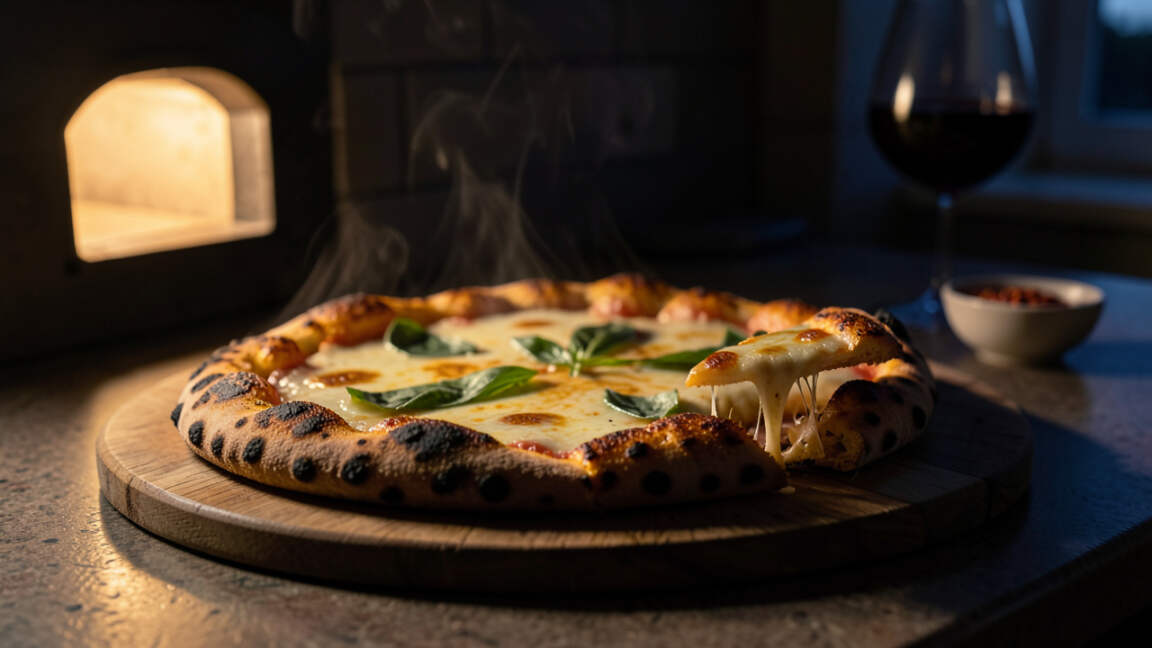
Making crispy pizza at home is achievable. It just needs a few simple tricks. Use good dough, get your oven super hot, and use a hot baking surface.
Watch your pizza bake and give it a minute to cool. You’ve got this. Enjoy your delicious, perfectly crisp homemade pizza!

![Manual Versus Automatic Espresso Machines[1]](https://creativehouseblog.com/wp-content/uploads/2026/03/Manual_Versus_Automatic_Espresso_Machines1-768x448.jpg)
![7 Electric Kettle Mistakes You Should Avoid[1]](https://creativehouseblog.com/wp-content/uploads/2026/04/7_Electric_Kettle_Mistakes_You_Should_Avoid1-768x448.jpg)

![Air Fryer Size Guide for Families[1]](https://creativehouseblog.com/wp-content/uploads/2026/03/Air_Fryer_Size_Guide_for_Families1-768x448.jpg)
![How To Spot Slow Leaks At Home Before They Grow[1]](https://creativehouseblog.com/wp-content/uploads/2026/05/How_To_Spot_Slow_Leaks_At_Home_Before_They_Grow1-768x403.jpg)
![Condensation Between Window Panes Causes and Fixes[1]](https://creativehouseblog.com/wp-content/uploads/2026/05/Condensation_Between_Window_Panes_Causes_and_Fixes1-768x403.jpg)