
Reducing energy use in cooling appliances can be achieved through six practical maintenance and usage strategies. These include keeping condenser coils clean and unobstructed, ensuring door seals are airtight, and positioning units away from direct heat sources to minimize their workload. Implementing these steps helps appliances operate more efficiently, leading to lower energy consumption and reduced utility costs.
Many people wonder about 6 Ways to Reduce Energy Use in Cooling Appliances. It can seem like a big task to make your fridge or air conditioner use less power. But it’s not as hard as you might think!
We’ll show you simple steps to make a difference. Get ready to learn easy tips that will save you money and help the planet. We’ll start with the most common reasons why appliances use more energy than they need to.
Key Takeaways
- Keeping cooling appliances clean and clear of obstructions improves efficiency.
- Proper sealing and insulation are vital for preventing cool air loss.
- Strategic placement of appliances away from heat sources reduces workload.
- Regular maintenance checks ensure optimal performance and lower energy bills.
- Adjusting temperature settings and using smart features can significantly cut energy use.
- Knowing how to use your appliances correctly makes a big difference.
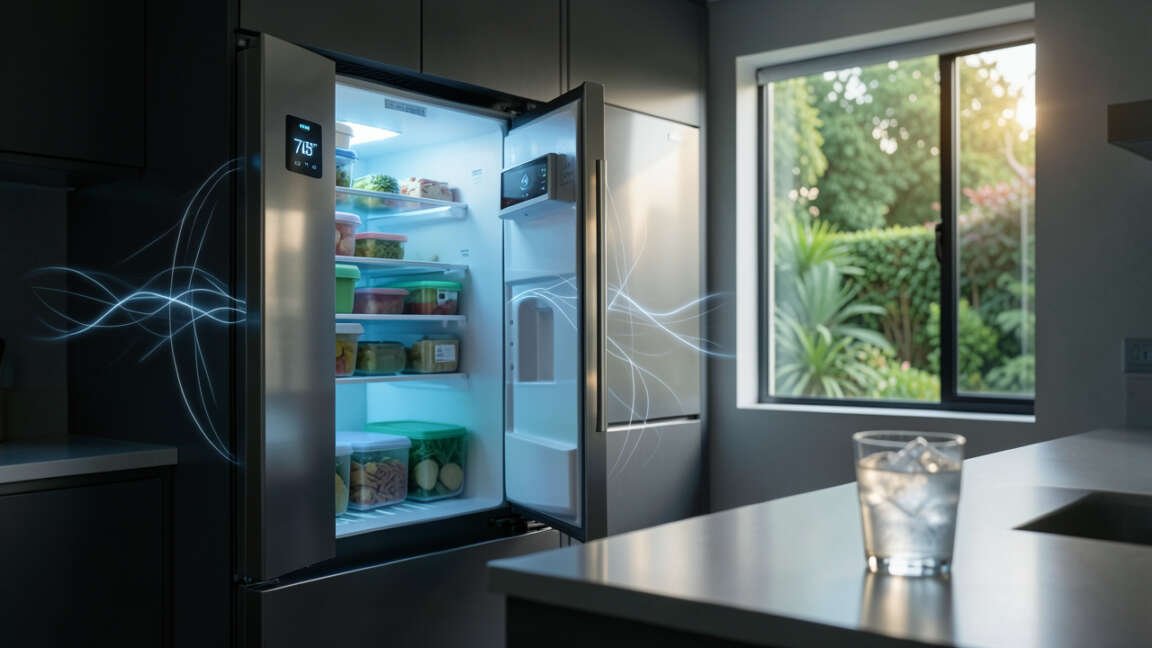
Making Your Cooling Appliances Work Smarter, Not Harder
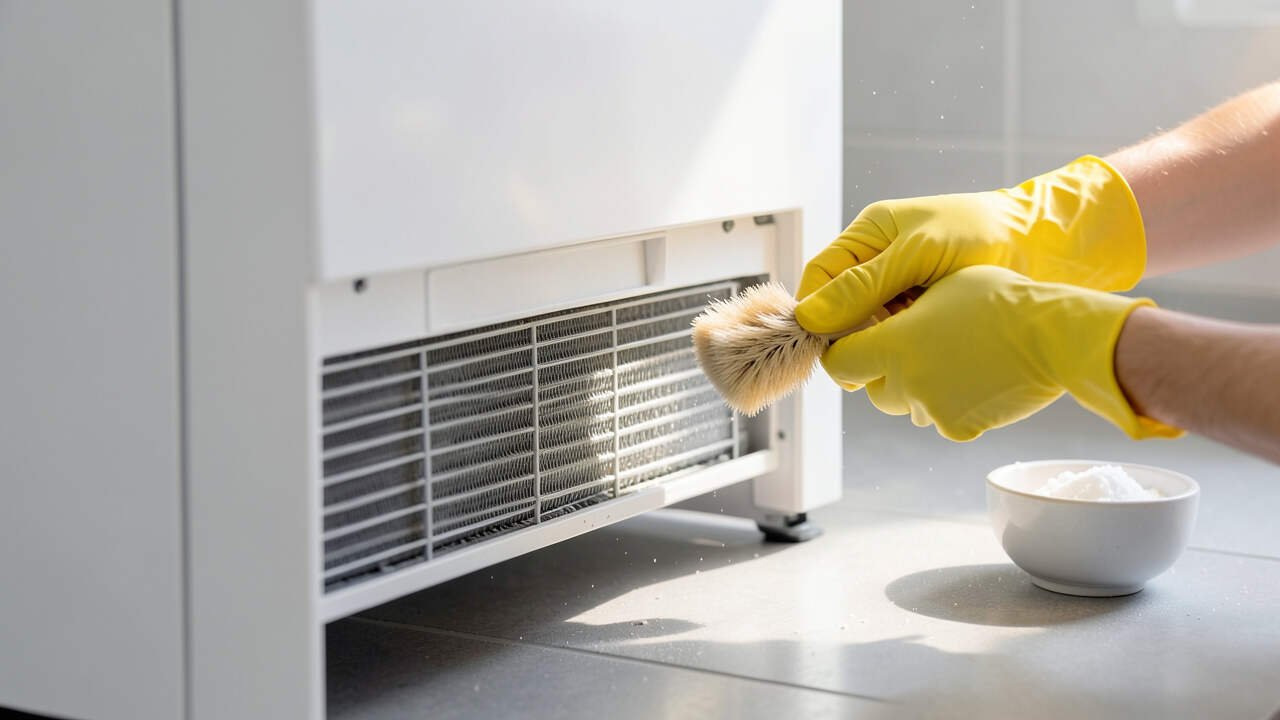
Keep Things Clean and Clear
Your refrigerator and freezer work hard to keep your food cold. When the coils on the back or bottom get dusty, they can’t release heat as well. This means your appliance has to run longer and use more electricity.
It’s like wearing a thick coat on a warm day; it makes you work harder!
Cleaning these coils a few times a year can make a big difference. Just unplug your appliance, gently brush or vacuum the dust off the coils, and plug it back in. It’s a simple step that helps your appliance breathe easier.
Why Clean Coils Matter
Think of the coils as the appliance’s way of getting rid of heat. If they are covered in dust, that heat stays trapped. This makes the motor work harder and use more power to do its job.
Clean coils mean less work and less energy used.
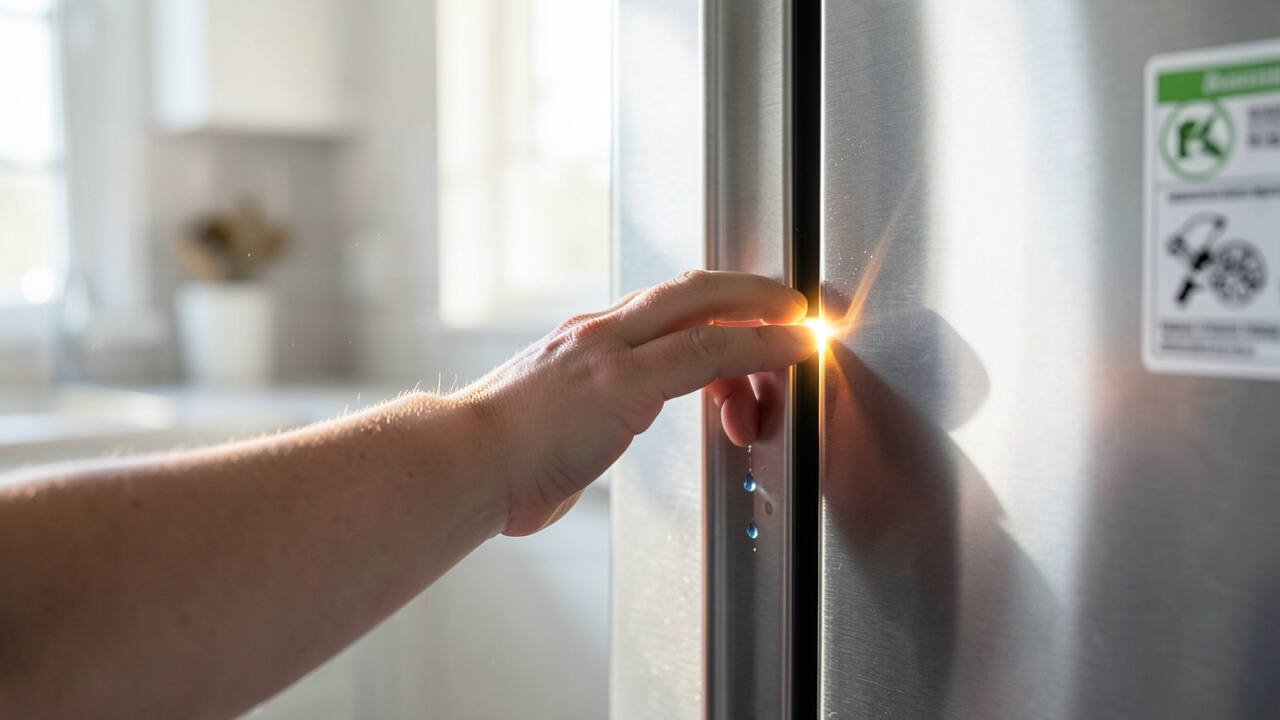
Check Your Seals
The rubber seals around your refrigerator and freezer doors are super important. They create a tight seal to keep the cold air in and the warm air out. If these seals are worn, cracked, or dirty, cold air can escape.
This makes your appliance run more often to replace the lost cold.
You can check your seals easily. Close the door on a piece of paper or a dollar bill. If you can pull it out without any resistance, the seal might be weak in that spot.
If you find a problem, you can often clean the seals with warm, soapy water. Sometimes, replacing a worn-out seal is necessary. This small fix stops a lot of wasted energy.
The Importance of a Tight Seal
A good seal is like a perfectly closed window. It stops unwanted drafts from coming in. For a fridge, this means the cold stays inside, and the appliance doesn’t have to constantly cool down the warm air that sneaks in.
This saves a lot of energy over time.
Give Appliances Space to Breathe
Where you place your refrigerator or freezer matters. These appliances need space around them to let heat escape. If your fridge is crammed into a tight spot with no air circulation, it will struggle to stay cool.
This is especially true for models with coils on the back.
Make sure there’s a few inches of space between the back of the appliance and the wall. Also, avoid placing them next to heat sources like ovens, dishwashers, or in direct sunlight. These things make your appliance work harder than it needs to.
Why Location is Key
Cooling appliances release heat. They need room for this heat to dissipate into the air. If they are surrounded by other appliances or walls, the heat can build up.
This raises the appliance’s temperature and makes it use more energy to cool itself down. Giving them space helps them work efficiently.
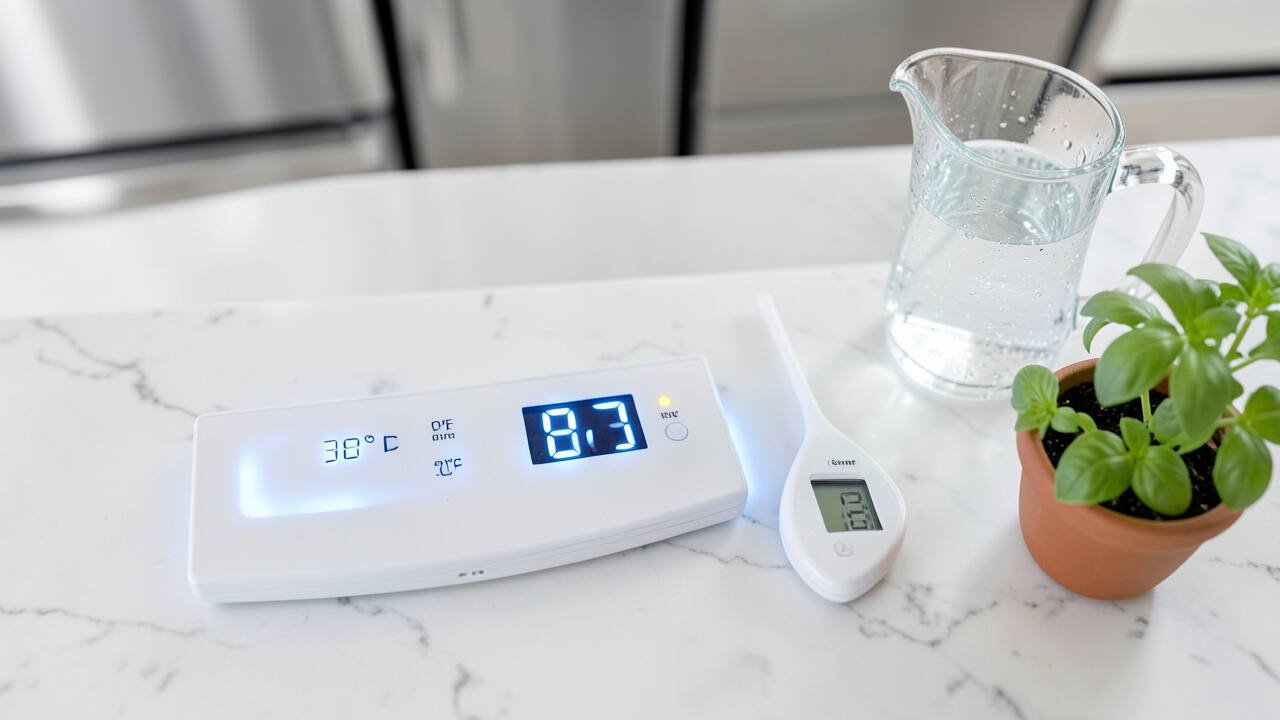
Set the Right Temperature
Did you know that just a few degrees difference in temperature settings can impact energy use? For refrigerators, the ideal temperature is usually between 35-38°F (1.7-3.3°C). For freezers, it’s 0°F (-18°C).
Setting your appliance colder than necessary wastes energy. It’s like leaving a window open when your heater is on. Check your owner’s manual for the recommended settings.
You might be surprised how much energy you can save by simply adjusting the dial.
Temperature Tweaks for Savings
Every degree colder your refrigerator or freezer has to work means it uses more power. Finding the sweet spot where your food stays safely cold without overworking the appliance is key. Smart temperature settings are a simple way to manage energy use without sacrificing performance.
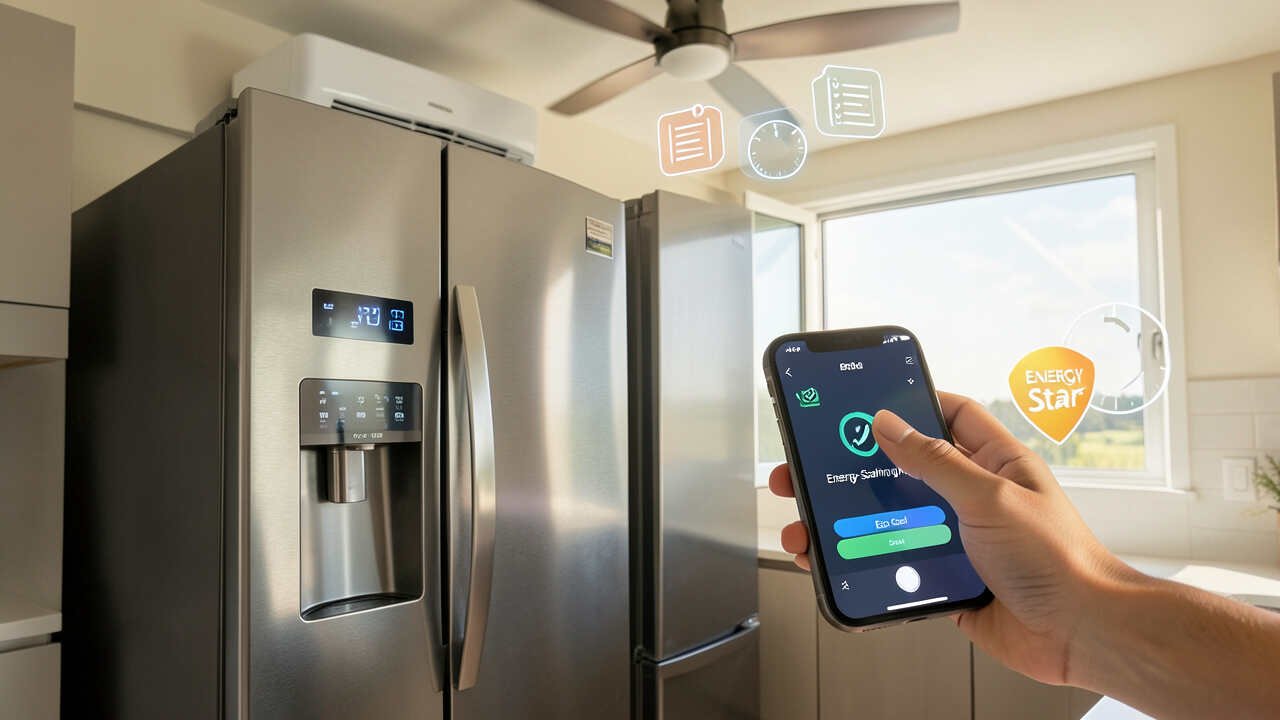
Use Smart Features and Smart Habits
Many modern cooling appliances come with “smart” features. These can include energy-saving modes or vacation settings. If your appliance has an energy-saving mode, try using it.
It’s designed to use less power when the appliance isn’t being accessed as often.
Also, think about your habits. Don’t leave the refrigerator door open longer than necessary while you search for something. Let hot food cool down a bit before putting it in the fridge.
These small actions add up to significant energy savings.
Smart Choices, Big Impact
Your appliance has tools to help you save energy. Using the modes they offer and being mindful of how you use them is a direct way to reduce consumption. It’s about working with your appliance’s design to be as efficient as possible.
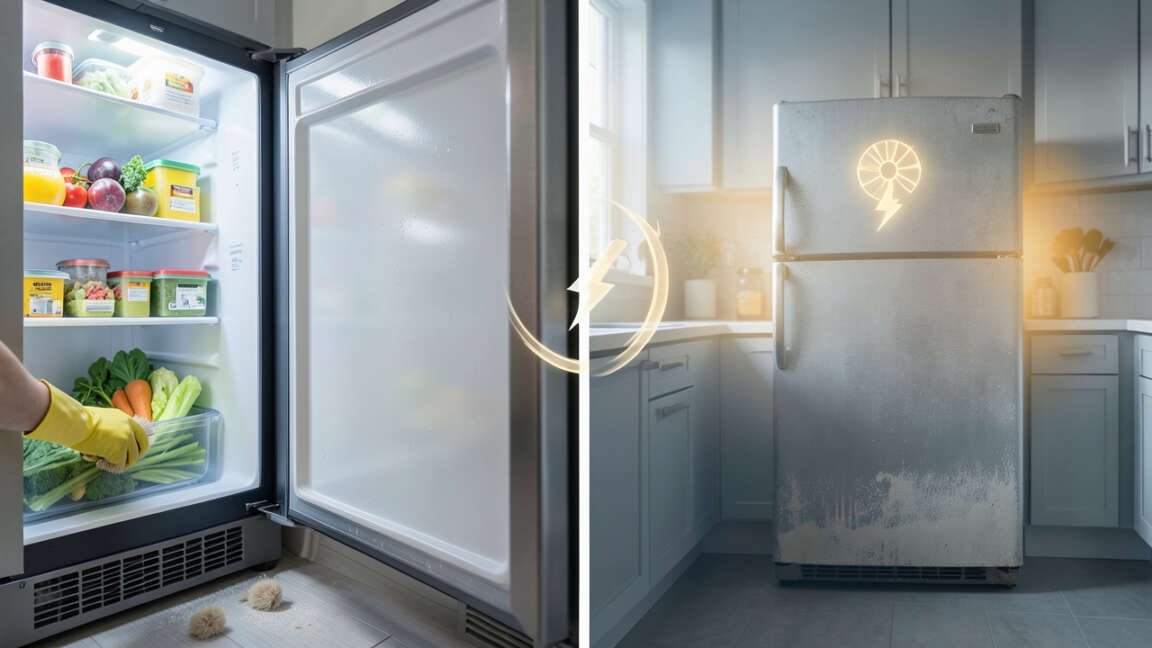
Regular Maintenance is Your Friend
Just like a car needs regular oil changes, your cooling appliances benefit from occasional check-ups. This doesn’t mean you need a professional for everything. Basic checks, like making sure the condenser coils are clean and the seals are good, are part of maintenance.
If you notice unusual noises, a lot of frost buildup, or that your appliance isn’t cooling as well as it used to, it might be time for a professional check. A well-maintained appliance runs more efficiently and lasts longer. This saves you money on energy bills and avoids costly repairs or replacements.
Maintenance for Longevity and Efficiency
Keeping your appliance in good shape ensures it runs smoothly. A properly functioning appliance doesn’t have to work overtime to do its job. This translates directly to lower energy bills and a longer lifespan for your appliance.
Frequently Asked Questions
Question: How often should I clean my refrigerator coils?
Answer: It’s a good idea to clean your refrigerator coils at least twice a year. You can do this more often if you have pets that shed a lot, as pet hair can clog the coils quickly.
Question: My refrigerator is running all the time, what should I do?
Answer: If your refrigerator is running constantly, check the door seals first. Make sure they are clean and tight. Also, ensure there’s enough space around the appliance for air circulation and that the temperature setting isn’t too low.
If these don’t help, it might be time for a professional to look at it.
Question: Can placing a refrigerator near a heat source really use that much more energy?
Answer: Yes, placing a refrigerator near heat sources like an oven or in direct sunlight makes it work much harder. The appliance has to fight against the extra heat, which significantly increases its energy consumption.
Question: What is the most energy-efficient temperature for a refrigerator?
Answer: The most energy-efficient temperature for a refrigerator is typically between 35-38°F (1.7-3.3°C). For a freezer, it’s around 0°F (-18°C). Setting it colder than this wastes energy without providing extra benefit.
Question: Are “energy-saving” modes on appliances actually effective?
Answer: Yes, “energy-saving” modes are generally effective. They are designed to reduce power consumption by adjusting settings or cycling components less frequently when the appliance is not under heavy use, leading to noticeable savings.
Final Thoughts
Making your cooling appliances use less energy doesn’t require complicated changes. By focusing on simple tasks like keeping them clean, ensuring good seals, and giving them space, you can see real savings. Checking temperature settings and using smart features also helps.
Regular care means your appliances run better for longer. You’ve learned practical ways to cut down on power use right at home. Start with one small change today, and feel good about saving energy and money.
You’ve got this!

![How to Use a Food Processor Safely[1]](https://creativehouseblog.com/wp-content/uploads/2026/03/How_to_Use_a_Food_Processor_Safely1-768x448.jpg)
![9 Reasons Your Ice Maker Isn’T Working Properly[1]](https://creativehouseblog.com/wp-content/uploads/2026/04/9_Reasons_Your_Ice_Maker_IsnT_Working_Properly1-768x448.jpg)
![9 Foods That Last Longer With Vacuum Sealing[1]](https://creativehouseblog.com/wp-content/uploads/2026/04/9_Foods_That_Last_Longer_With_Vacuum_Sealing1-768x448.jpg)
![6 Reasons Your Homemade Pizza Isn’T Cooking Properly[1]](https://creativehouseblog.com/wp-content/uploads/2026/04/6_Reasons_Your_Homemade_Pizza_IsnT_Cooking_Properly1-768x448.jpg)
![Air Fryer Fan Technology Explained[1]](https://creativehouseblog.com/wp-content/uploads/2026/03/Air_Fryer_Fan_Technology_Explained1-768x448.jpg)
![Air Fryer Safety Features Explained For Beginners[1]](https://creativehouseblog.com/wp-content/uploads/2026/03/Air_Fryer_Safety_Features_Explained_For_Beginners1-768x448.jpg)