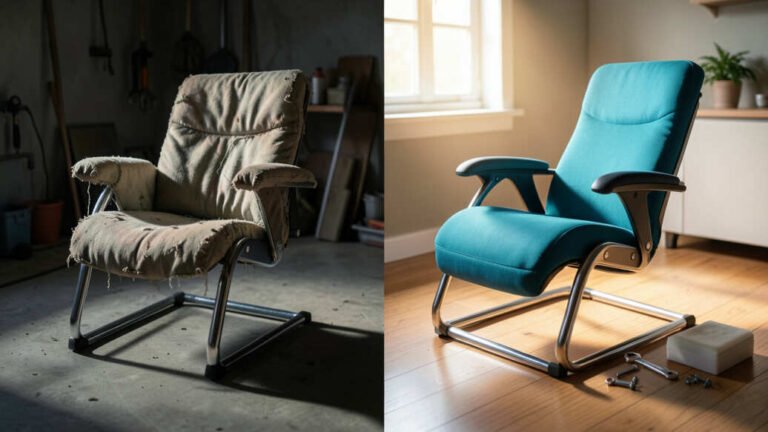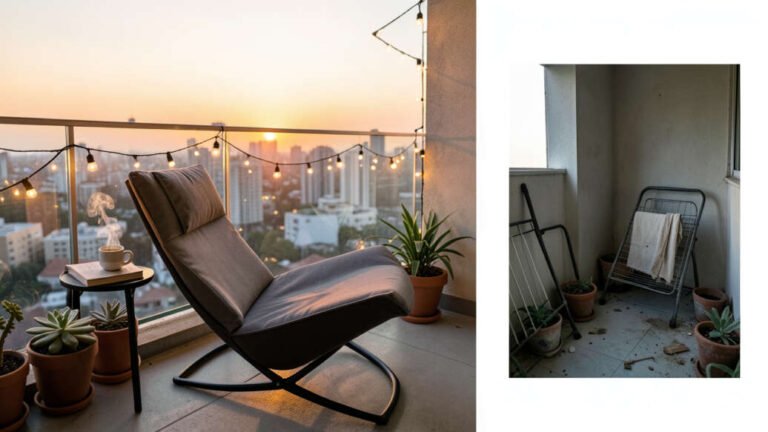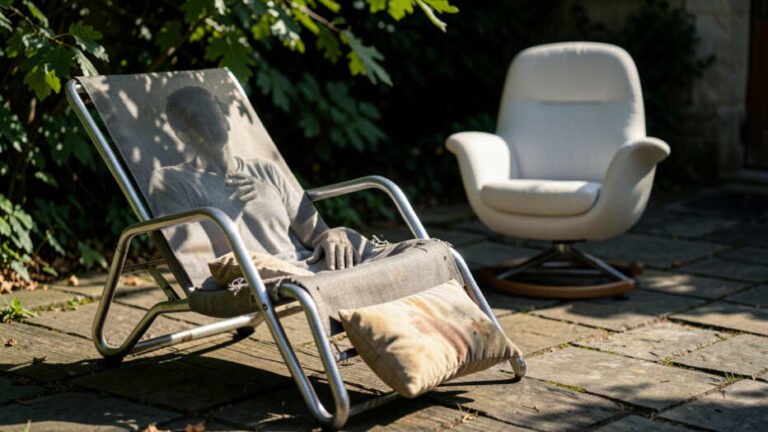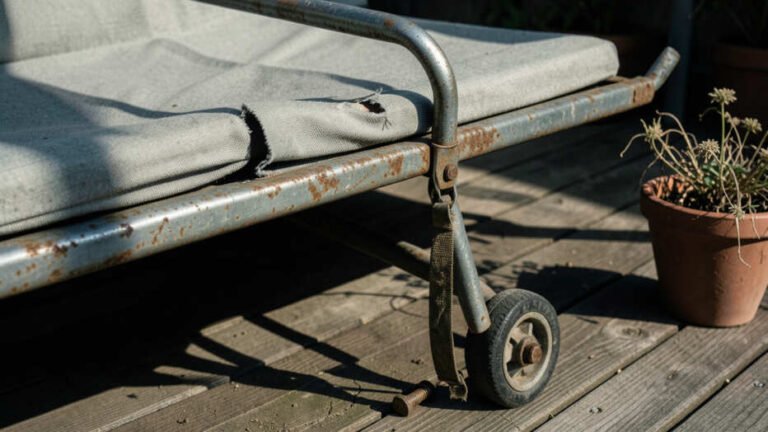
An uncomfortable outdoor chair leads to muscle strain, poor blood circulation, joint pressure, and mental fatigue during prolonged sitting because the lack of lumbar support, incorrect seat height, and poor material density force the body into unnatural positions. Within 30 minutes, the spine loses its natural S-curve, pressure points on hips and thighs restrict blood flow, and poorly positioned seats stress the knees and ankles. Choosing an adjustable chair with proper lumbar support, appropriate seat height, and breathable materials prevents these issues and allows for comfortable extended outdoor seating.
Your outdoor chair should let you relax, not leave you in pain. Many people ignore discomfort until it ruins the entire afternoon.
Quick Verdict: In short, an uncomfortable outdoor chair causes muscle strain, poor blood circulation, joint pressure, and mental fatigue. The lack of lumbar support, incorrect seat height, and poor material density force your body into unnatural positions. Over time, this leads to chronic back pain, numbness, and reduced enjoyment of outdoor spaces.
Key Takeaways
- Uncomfortable outdoor chairs force your spine out of its natural S-curve, leading to lower back pain within 30 minutes of sitting.
- Pressure points on the hips and thighs from hard seats can restrict blood flow and cause numbness or tingling.
- Seats that are too high or too low put extra stress on your knees and ankles, making long sitting painful.
- Outdoor chairs without proper armrests or head support increase neck and shoulder tension significantly.
- Choosing a chair with adjustable features and breathable materials can prevent most discomfort problems.
What Goes Wrong When Your Outdoor Chair Uncomfortable for Long Sitting?
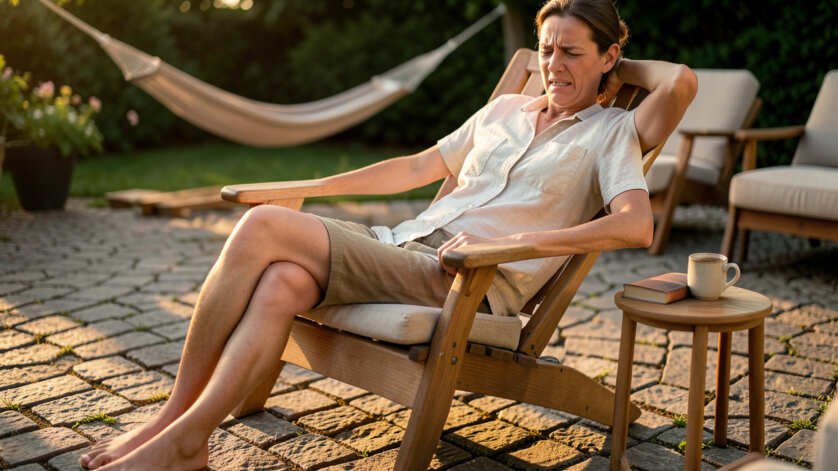
When an outdoor chair uncomfortable for long sitting forces your body into bad posture, several problems start immediately. Your lower back muscles tighten because the chair lacks lumbar support. Your shoulders roll forward if the chair has no proper backrest angle.
According to the, over 65% of people report back pain after sitting on non-ergonomic furniture for more than one hour. Outdoor chairs rarely include the ergonomic features found in office seating.
The material of the chair matters greatly. Hard plastic, metal slats, or thin fabric strips press into your muscles and bones. This creates pressure points that restrict blood flow. Your body then shifts weight constantly to escape the pressure, leading to fidgeting and fatigue.
How Does Poor Seating Design Cause Pain?
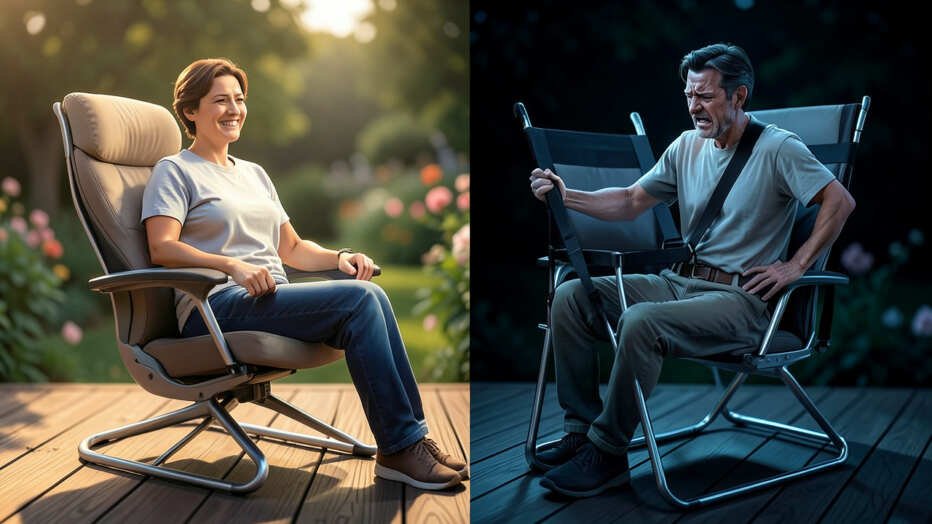
Poor design starts with the lack of a proper sitting posture. Most outdoor chairs have a flat seat pan that tilts your pelvis backward. This rounds your lower spine and loads all weight onto your tailbone.
Tip: A seat with a slight forward tilt (2-4 degrees) keeps your pelvis neutral and reduces lower back strain. Look for chairs with an adjustable seat angle.
Seat height affects your knees and hips. If the chair is too high, your feet dangle, and the edge of the seat presses behind your knees. Too low, and your knees rise above your hips, increasing pressure on your lower back. The ideal height lets your feet rest flat on the ground with knees at a 90-degree angle.
Backrest angle also plays a role. A completely vertical backrest forces you to sit rigidly. A heavily reclined backrest makes it hard to do any activity like reading or eating. The sweet spot is 100-110 degrees for relaxed sitting with support.
Common Physical Problems from Uncomfortable Outdoor Chairs
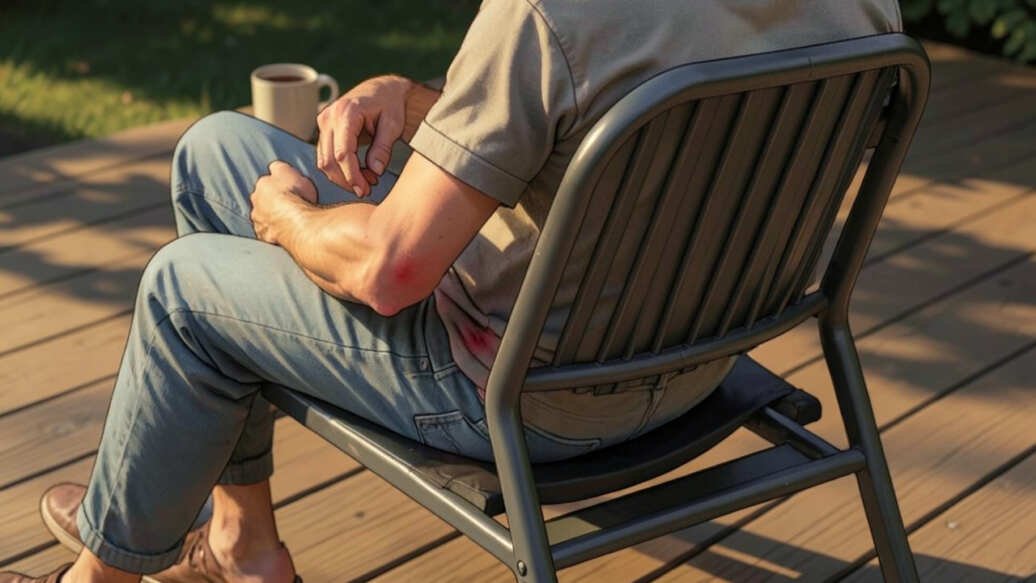
The problems from a poorly designed chair go beyond simple discomfort. Here are the most common physical issues:
- Lower back pain – The most frequent complaint. Without lumbar support, your back muscles work overtime to keep you upright. According to the, back pain affects 8% of American adults daily, and poor seating is a major contributor.
- Numbness and tingling – Hard chair edges or narrow slats compress nerves in your buttocks and thighs. This creates a pins-and-needles sensation that can last after you stand up.
- Knee and hip stiffness – Chairs that are too low or too high force your joints into extreme angles. Prolonged sitting in these positions reduces circulation and causes stiffness.
- Neck and shoulder tension – A backrest that is too short or lacks head support makes you crane your neck forward. This strains the cervical spine and shoulder muscles.
- Reduced circulation in legs – Seat edges that dig into the backs of your thighs can compress blood vessels. This leads to swollen feet and increased risk of deep vein thrombosis during very long sitting.
Types of Outdoor Chairs and Their Risks
| Chair Type | Common Problem | Risk Level (1-5) | Best Use Duration |
|---|---|---|---|
| Folding plastic chairs | No lumbar support, hard flat seat | 5 – Very high | 30 minutes or less |
| Adirondack chairs | Deep recline causes neck strain | 3 – Moderate | 1-2 hours |
| Zero gravity chairs | Hard to get out of, pressure on sacrum | 2 – Low | 2-4 hours |
| Deep seating sofas | Too deep, no back support unless slouching | 4 – High | 1 hour with proper cushions |
| Hammock chairs | Wraps around body, can restrict movement | 2 – Low | 1-3 hours |
Warning: Avoid using folding plastic chairs for more than 30 minutes at a time. They offer zero ergonomic support and are the most common cause of back pain during outdoor gatherings.
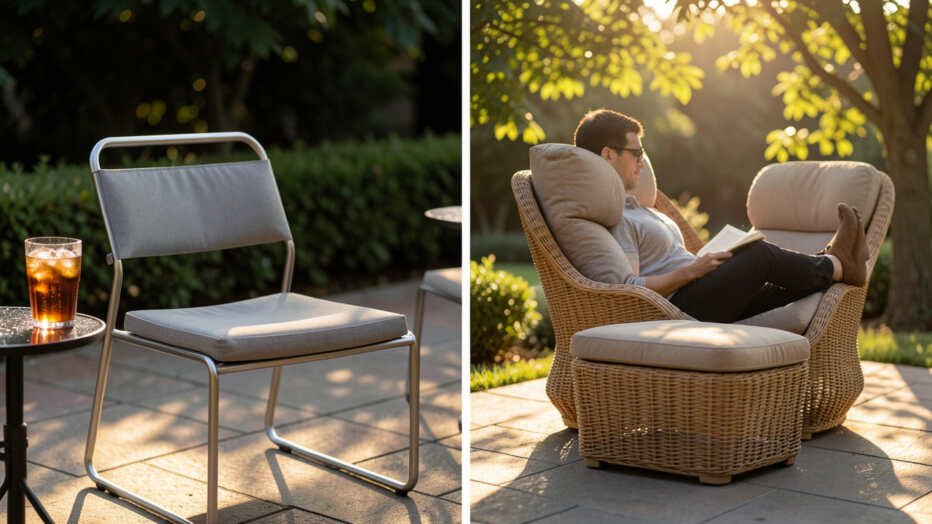
Who Needs Ergonomic Outdoor Seating
Anyone who spends more than one hour outdoors in a chair should prioritize comfort. But certain groups face higher risks from an outdoor chair uncomfortable for long sitting.
- Older adults – Reduced muscle mass and joint flexibility make them more vulnerable to pressure points and stiffness.
- People with chronic back conditions – Conditions like sciatica, herniated discs, or arthritis worsen quickly with poor seating.
- Remote workers who take meetings outside – A laptop on a patio table in a bad chair can cause neck strain in under an hour.
- Gardeners and hobbyists – Sitting in a low stool or bucket for long periods stresses the knees and lower back.
- Parents watching children play – Long park visits often involve hours on uncomfortable benches or folding chairs.
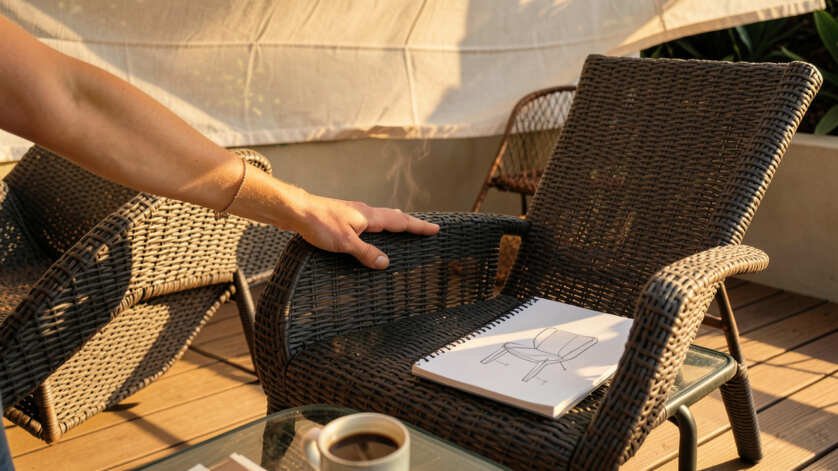
How to Get Started Choosing Better Chairs
Follow these steps to avoid the problems of an outdoor chair uncomfortable for long sitting.
- Measure your body – Know your seat height preference (typically 16-18 inches from floor to seat). Measure from floor to the back of your knee when sitting in a standard chair.
- Check lumbar support – The backrest should have a slight curve that fits the natural arch of your lower back. A gap of more than 2 inches between your back and the chair is a warning sign.
- Test materials – Hard plastic and bare metal are the worst. Look for breathable mesh, thick cushioning, or woven synthetic wicker with padding underneath.
- Look for adjustability – Chairs with reclining backrests, removable headrests, and adjustable armrests allow you to customize the fit.
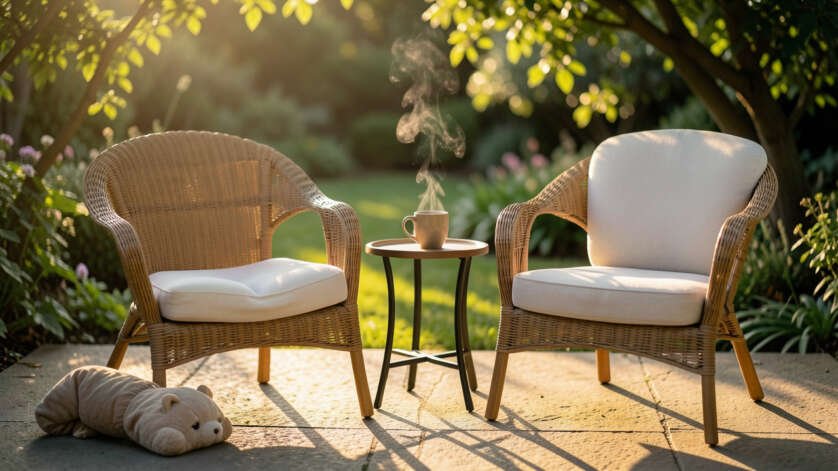
- Use add-ons if needed – Cushions, lumbar pillows, and seat pads can transform a mediocre chair into a comfortable one. The suggests that a 2-inch thick seat cushion reduces pressure by 30%.
Common Myths vs Facts
Many people believe myths about outdoor chair comfort. Here are three common ones:
- Myth: All padded chairs are comfortable for long sitting. Fact: Some thick cushions lack density and compress to the hard frame within 30 minutes. Look for high-resilience foam or gel inserts that maintain shape.
- Myth: Reclining chairs prevent back pain. Fact: Reclining shifts pressure to your sacrum and shoulders. Without proper neck support, you may wake up with a stiff neck. A zero-gravity chair distributes weight more evenly.
- Myth: You get used to an uncomfortable chair over time. Fact: Your body adapts by tensing muscles and shifting weight, which leads to chronic fatigue and injury. The American Chiropractic Association states that poor seating habits cause cumulative trauma, not temporary discomfort.
Frequently Asked Questions
Can a bad outdoor chair cause permanent damage?
Yes, prolonged use of a poorly designed chair can lead to chronic back pain, sciatica, and postural changes. The repetitive strain on muscles and joints may require physical therapy to correct.
How long is too long to sit in an outdoor chair?
Most people start feeling discomfort after 45-60 minutes in a standard plastic or metal chair. For chairs with good lumbar support and cushioning, 2-3 hours is usually safe. Stand and stretch every 30 minutes.
What is the best outdoor chair for back pain?
A zero-gravity chair with adjustable recline and a padded headrest is often the best choice. It distributes weight evenly and takes pressure off the spine. According to the, zero-gravity positioning reduces spinal disc pressure by up to 80%.
Why do my legs go numb in some outdoor chairs?
This happens when the front edge of the seat presses against the back of your thighs, compressing the sciatic nerve. Chairs with too short a seat depth or a hard front edge are common causes.
Are foldable camping chairs bad for your back?
Many camping chairs have a low seat height (10-12 inches) that forces your knees above your hips. This position increases pressure on the lower back. Look for camping chairs with a higher seat and built-in lumbar support.
Final Thoughts
An uncomfortable outdoor chair does more than ruin a relaxing moment. It causes real physical harm to your back, legs, and neck. The solution is simple: choose chairs with proper lumbar support, correct seat height, and cushioned materials. Your body will thank you.