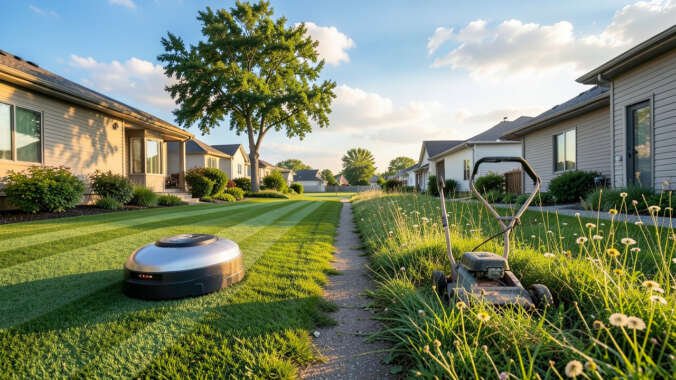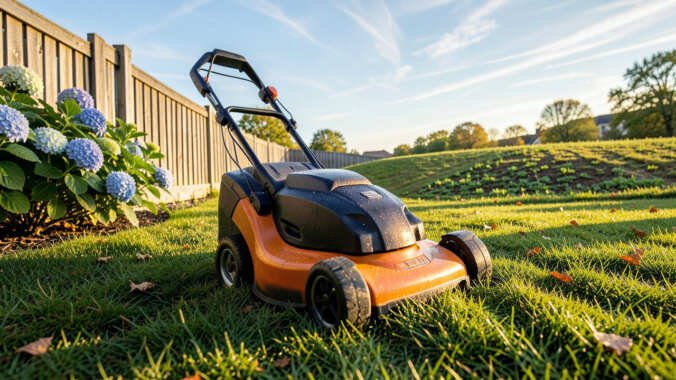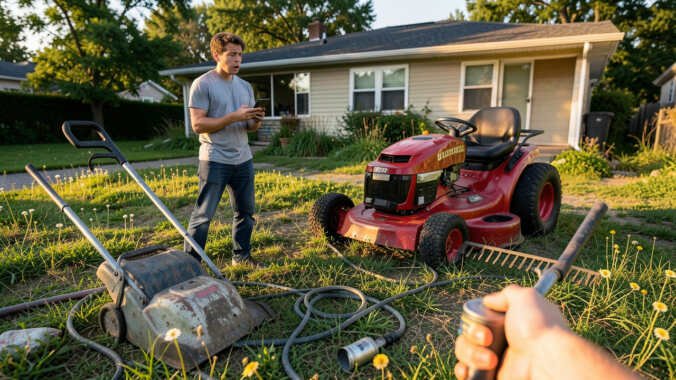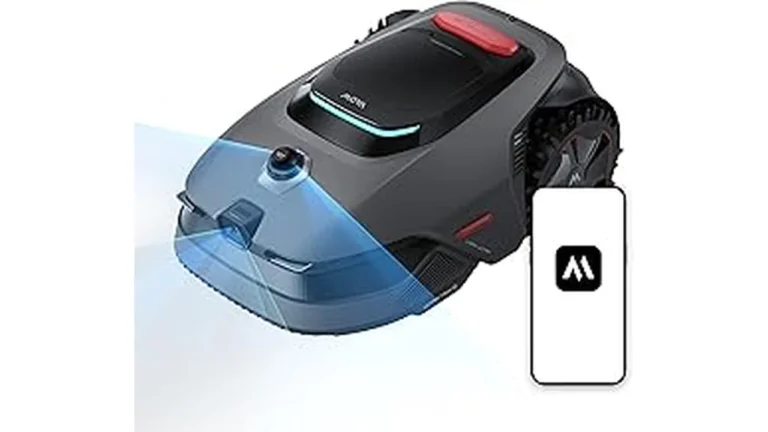
Electric lawn mowers are easier to maintain, quieter, and more environmentally friendly, while gas mowers deliver greater raw power and longer runtimes for large, thick lawns. Battery-powered mowers start instantly with a push button and cost less to operate over time, whereas gas mowers require pulling a starter cord and periodic engine maintenance. The practical difference centers on yard size and terrain, with electric best for small to average lawns and gas suited for larger or uneven properties.
Simply put, electric mowers are easier to maintain, quieter, and better for the environment. In contrast, gas mowers offer greater raw power and longer runtimes for large, thick lawns. Your choice depends on yard size, terrain, and your willingness to perform routine engine maintenance.
Choosing between an electric and a gas lawn mower often comes down to power versus convenience. This guide breaks down the real differences in cost, maintenance, performance, and environmental impact to help you decide.
Key Takeaways
- Electric mowers cost less to operate over time because they do not require gas, oil, or spark plugs.
- Gas mowers typically provide more cutting power and run longer on a single tank of fuel without interruption.
- Electric mowers start instantly with a push button, while gas mowers require pulling a starter cord that can be difficult.
- Gas mowers produce significantly more emissions and noise pollution than modern battery-powered mowers.
- An electric mower is the better choice for small to average-sized lawns, while gas suits large or uneven properties.
Quick Comparison Table
| Feature | Electric Mower | Gas Mower |
|---|---|---|
| Power Source | Lithium-ion battery / Cord | Gasoline (unleaded) |
| Power Output | Good (Sufficient for most lawns) | High (Better for thick or overgrown grass) |
| Runtime | 30 to 60 minutes per charge | As long as you have gas available |
| Noise Level | 70 to 80 decibels (Quiet) | 90 to 100 decibels (Loud) |
| Maintenance | Low (Charge battery, sharpen blade) | High (Oil changes, spark plugs, filters) |
| Emissions | Zero direct emissions | High (Engines often unregulated) |
| Starting Method | Push button or plug in | Pull cord (requires effort) |
| Price Range | $200 to $1,000+ | $200 to $1,500+ |
| Weight | Lighter (30 to 60 pounds) | Heavier (60 to 90+ pounds) |
Electric Lawn Mower Overview
Electric lawn mowers run on a battery or a power cord. Corded mowers offer unlimited runtime but require you to manage a long extension cord. Battery-powered models use to deliver reliable power without the cord.
Most modern electric mowers use a brushless motor. This design is more efficient and creates less friction than older motors. Brands like Toro, Ego, and continue to improve battery life and cutting performance each season.
Pros of Electric Mowers
- Low maintenance. You do not need to change oil, replace spark plugs, or clean a carburetor. The main tasks are charging the battery and sharpening the blade.
- Instant start. You simply press a button or pull a trigger. There is no choke, no primer bulb, and no pull cord to fight with.
- Quiet operation. At 70 to 80 decibels, you can mow early in the morning without disturbing neighbors.
- Lightweight and nimble. Electric mowers are easier to push and turn in tight spaces around flower beds.
- Zero emissions. According to the, gas mowers pollute far more than most people realize. Using an electric mower eliminates local exhaust fumes entirely.
Cons of Electric Mowers
- Limited runtime. Most batteries last 30 to 60 minutes. You may need a spare battery for larger lawns.
- Lower torque. Thick, wet, or tall grass can stall an underpowered electric motor.
- Battery degradation. The battery loses capacity over time. A replacement battery can cost $100 to $300.
- Charging time. A full charge usually takes 60 to 120 minutes.
Tip: If you have a yard larger than a quarter acre, buy an electric mower with an extra battery. This lets you swap packs and mow continuously without waiting for a charge.
Gas Lawn Mower Overview
Gas lawn mowers use a small internal combustion engine, usually a four-stroke engine that runs on unleaded gasoline. They have been the standard tool for lawn care for decades. Brands like Honda, Toro, and Craftsman offer models from basic push mowers to advanced self-propelled units.
These machines provide high torque and consistent power. A gas mower does not lose power as the battery drains. It keeps running at full strength until you run out of fuel.
Pros of Gas Mowers
- Unlimited range. As long as you have gas in the tank, you can keep mowing. There is no battery to recharge.
- High cutting power. Gas engines handle thick, wet, and overgrown grass much better than most electric motors.
- Long lifespan. With proper maintenance, a gas mower can last 10 to 15 years.
- Wide deck sizes. Gas mowers commonly come in 21-inch, 22-inch, and even 30-inch deck sizes for large properties.
- Self-propelled options. Many gas mowers feature easy-to-use self-propelled drive systems for hills and large yards.
Cons of Gas Mowers
- High maintenance. You must change the oil every season. You also need to replace air filters, spark plugs, and fuel filters regularly.
- Noise and fumes. Gas mowers run at 90 to 100 decibels. warns that prolonged exposure to over 85 decibels can cause hearing damage.
- Hard starting. Old gas, a dirty carburetor, or a cold engine can make starting difficult. You often have to pull the cord multiple times.
- Heavy to maneuver. A gas mower weighs significantly more than an electric model, making it harder to push up slopes.
- Pollution. According to the, one hour of gas mower use produces emissions equivalent to driving a modern car for over 100 miles.
Warning: Never store a gas mower indoors with fuel in the tank. Gasoline fumes are highly flammable. Let the engine cool completely before refueling to prevent fires.
Head-to-Head Comparison
Power and Performance
Gas mowers generally offer more torque than electric mowers. This raw power helps them cut through tall weeds and wet grass without slowing down. Electric mowers have improved significantly with brushless motors. However, they still struggle with dense or damp grass at the end of a battery charge.
For a standard suburban lawn under a half acre, an electric mower provides sufficient power. For larger lots or rough terrain, a gas mower is the more reliable option.
Cost of Ownership
The initial purchase price is similar for both types. You can find good models from either category for $300 to $600. The difference lies in long-term costs.
| Cost Factor | Electric Mower | Gas Mower |
|---|---|---|
| Annual Fuel/Energy | $10 to $20 (electricity) | $50 to $100 (gasoline) |
| Annual Maintenance | $15 (blade sharpening) | $50 to $100 (oil, filters, plugs) |
| Battery Replacement | $100 to $300 (every 3 to 5 years) | $0 |
Over a five-year period, an electric mower costs significantly less to operate. The savings on fuel and oil alone often outweigh the cost of a replacement battery.
Maintenance Requirements
This is where electric mowers shine. You charge the battery, sharpen the blade once a year, and store it for winter. There are no fluids to manage and no engine parts to adjust. Gas mowers require a more involved schedule.
- Oil changes. You must drain and replace the engine oil every 25 to 50 hours of use.
- Spark plug replacement. Change the spark plug annually for reliable starting.
- Air filter cleaning. Clean or replace the air filter each season to prevent engine wear.
- Fuel management. You must add fuel stabilizer or drain the tank before long-term storage.
Tip: If you choose a gas mower, use ethanol-free gasoline. It prevents carburetor damage and extends the life of the engine significantly.
Environmental Impact
Electric mowers produce zero direct emissions. The states that older gas mowers contribute to smog and air pollution. A single gas mower can produce as much volatile organic compounds (VOCs) in one year as a modern car for a hundred miles of driving.
Gas mowers also contribute to noise pollution. Constant exposure to a gas mower’s engine can strain your hearing over time. Electric mowers operate at conversation-friendly volume levels.
The environmental downside of electric mowers is battery production and disposal. require resource-intensive mining. However, the overall lifetime emissions of an electric mower are still far lower than a gas counterpart.
Noise and Convenience
Electric mowers are significantly quieter. Normal conversation measures about 60 decibels. An electric mower measures 70 to 80 decibels at the operator’s ear. This means no earplugs required and no angry neighbors when you mow early on a Saturday morning.
Gas mowers are loud. They typically measure 90 to 100 decibels. recommends hearing protection for sustained noise above 85 decibels.
Which One Should You Choose?
Your decision between an electric vs gas lawn mower comes down to three main factors: your lawn size, your tolerance for maintenance, and your budget.
Choose an Electric Mower If:
- Your lawn is less than a half acre.
- You want a quiet, low-maintenance tool.
- You dislike pulling a starter cord or changing oil.
- You care about reducing your carbon footprint.
- Your yard is relatively flat with thin to moderate grass.
Choose a Gas Mower If:
- Your lawn is larger than a half acre.
- You have thick, dense, or often wet grass.
- You need high torque for hills or rough terrain.
- You are comfortable with routine engine maintenance.
- You want a machine that can last 15 years with proper care.
Important: Many homeowners today buy an electric mower for their main lawn and keep a cheap gas mower for the end-of-season overgrowth. This hybrid approach gives you the best of both worlds.
Common Myths vs Facts
Myth 1: Electric mowers do not have enough power to cut grass well.
Fact: Modern brushless electric mowers from brands like Ego and Toro provide enough torque to cut most residential lawns. They can handle thick grass as long as the battery is fully charged and the blade is sharp. They may struggle with heavy, wet grass, but they are not underpowered for typical use.
Myth 2: Gas mowers are cheaper to own in the long run.
Fact: The total cost of ownership for an electric mower is often lower. You save money on gasoline, engine oil, spark plugs, and air filters each year. A replacement battery every few years costs less than the cumulative fuel and maintenance of a gas engine.
Myth 3: Electric mowers require just as much maintenance as gas mowers.
Fact: Electric mowers require almost no maintenance compared to gas mowers. You do not perform oil changes, fuel system cleanings, or carburetor repairs. The only regular maintenance task is blade sharpening, which applies to both types.
Frequently Asked Questions
Do electric mowers last as long as gas mowers?
The motor on an electric mower can last a very long time, often over 10 years. The battery is the limiting factor. Most lithium-ion batteries lose significant capacity after 3 to 5 years. Gas engines can last 10 to 15 years with diligent maintenance, but they require more work to reach that lifespan.
Is it hard to maintain a gas lawn mower?
It is not hard, but it is regular. You need to change the oil, replace the air filter, and manage the fuel each season. If you skip these tasks, the engine may run poorly or fail. Electric mowers are simply plug-and-play with no annual engine service required.
Which is better for a small lawn?
An electric mower is the clear winner for a small lawn. It costs less to buy, operates almost silently, and requires very little storage space. You can mow a quarter-acre lawn on a single charge without any of the hassles of gas engine maintenance.
Can electric mowers handle wet grass?
Electric mowers can handle wet grass, but they struggle more than gas mowers. Wet grass clumps together and requires more torque to cut. A gas mower handles this better due to its higher engine power. For electric mowers, it is best to wait for the grass to dry or buy a model with a high-torque brushless motor.
What happens if an electric mower runs out of battery mid-lawn?
You simply stop mowing. Most electric mowers have a battery indicator that shows remaining charge. You can buy a second battery to swap in and finish the job. Gas mowers simply run out of fuel, but refueling takes only a minute. Plan your mowing pattern around your battery capacity to avoid a half-finished lawn.
Final Thoughts
Choose an electric mower for convenience, quiet operation, and low long-term costs. Choose a gas mower if you need heavy-duty power for a large yard or thick grass. Most modern homeowners find that a battery-powered mower meets their needs perfectly with far less hassle. The trend in the lawn care industry is clearly moving toward electric as battery technology continues to improve.