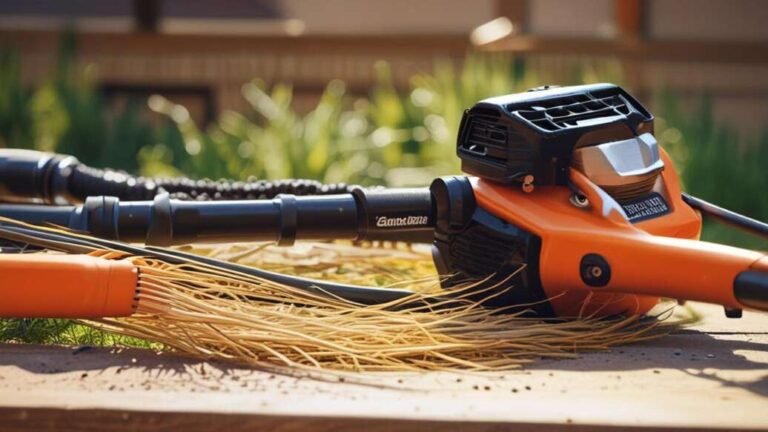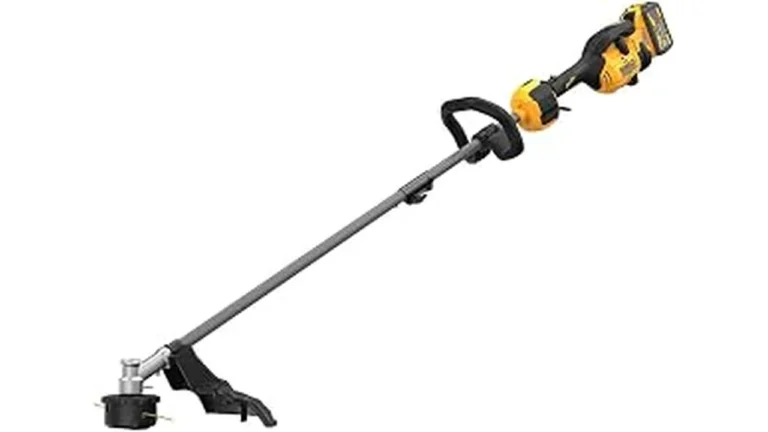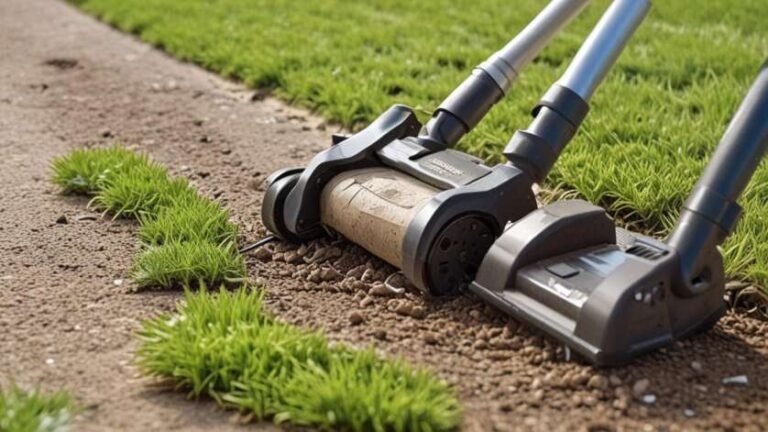
Never store a string trimmer in damp or wet areas, direct sunlight, near heat sources, upright without fuel stabilizer, or in high-traffic walkways because each condition rapidly damages the engine, fuel system, or plastic components. Damp environments cause rust and corrosion within days, while sunlight and heat crack housings and fuel lines, and an upright position allows fuel to gum carburetor jets. To maximize longevity, always store the trimmer dry, clean, and hanging from its handlebar hook in a cool, shaded, low-traffic area.
You just finished trimming your lawn. Where do you put the trimmer away? Many people shove it in a corner of the garage or lean it against the shed wall. The wrong storage spot can ruin the engine, corrode the fuel system, and crack plastic components within weeks.
This guide covers the places that destroy a string trimmer fastest. It also explains how to store your trimmer the right way so it starts every season.
Quick Verdict: Never store a string trimmer in damp areas, in direct sunlight, near heat sources, upright without fuel stabilizer, or in places where it can fall. The worst spot is on the ground in a humid garage. Always store it dry, clean, and hanging from the handlebar hook.
Key Takeaways
- Storing a string trimmer in a damp environment causes rust on the shaft, engine parts, and fuel system components within days.
- Direct sunlight degrades plastic housings and fuel lines, making them brittle and prone to cracking.
- Leaving a trimmer upright without adding fuel stabilizer leads to gummed carburetor jets that require expensive cleaning.
- Storing a trimmer in a busy walkway or near vehicles increases the chance of it being knocked over, which can dent the muffler or break the spark plug.
- Hanging a trimmer from the handlebar hook keeps it off the ground and prevents accidental damage from other objects.

The Worst Places to Store a String Trimmer
The following locations shorten the life of a string trimmer dramatically. Avoid each one to keep your equipment running for years.
| Storage Location | Damage Type | Time to Failure |
|---|---|---|
| Damp garage floor | Rust, corroded fuel lines | 2-4 weeks |
| Uncovered outdoor spot | Sun damage, water ingress | 1 season |
| Near furnace or water heater | Plastic warping, fuel evaporation | 3-6 months |
| Upright on its spool head | Spool damage, fuel leak | Immediate |
| High traffic area (garage entrance) | Knockover damage | Any time |
1. Damp or Wet Floors
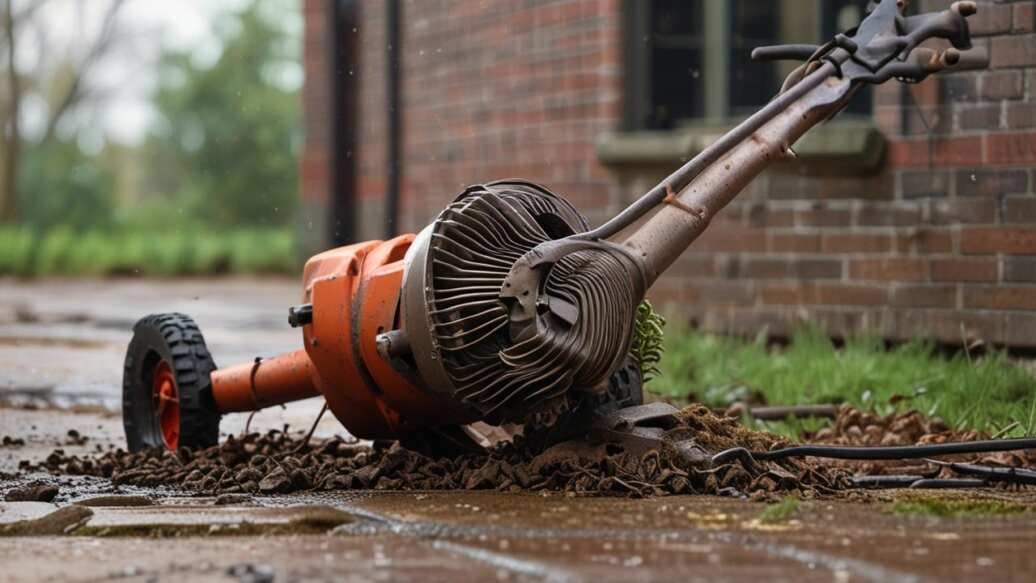
Concrete garage floors absorb moisture from the ground. When you set a string trimmer directly on concrete, the moisture migrates into the metal shaft and engine block. Within weeks, rust appears on the driveshaft and inside the fuel tank.
Warning: Rust on the driveshaft causes the trimmer head to stop spinning. Replacing a rusted shaft costs 60-80% of a new trimmer. Never leave a string trimmer on a concrete floor overnight.
If you must store it on the floor, place a plastic mat or a piece of plywood underneath. Better yet, hang it from the handlebar hook using a wall mount.
2. Direct Sunlight or Uncovered Outdoors
UV rays break down plastic and rubber. The trimmer body, fuel lines, and primer bulb become brittle after just a few months of sun exposure. Leaves, rain, and dirt also enter the air filter and muffler, causing performance loss.
According to, outdoor power equipment stored under a tarp lasts only one extra season compared to uncovered units. A dry, enclosed space is essential.
3. Near Heat Sources
Furnaces, water heaters, and dryers emit heat that dries out seals and gaskets. The primer bulb becomes stiff instead of pliable. Gasoline in the tank evaporates faster, leaving behind varnish that clogs the carburetor.
Keep the trimmer at least 3 feet away from any heat source. The ideal storage temperature is between 50°F and 80°F.
4. Upright on the Spool Head
Many people lean the trimmer so it stands on its cutting head. This puts pressure on the spool housing and can crack the casing. It also forces fuel toward the carburetor float bowl, which can flood the engine and cause a hard start next time.
Always store the trimmer horizontally on hooks or on a shelf. If you have limited space, hang it by the handlebar loop.
5. High Traffic Walkways
Garage entrances, shed doorways, and basement stairs are dangerous because someone can trip over the trimmer or knock it into a wall. A falling trimmer often breaks the spark plug, bends the throttle cable, or cracks the muffler.
Designate a specific spot for your string trimmer near the back wall, out of foot traffic. Install a wall hook or a shelf at waist level.
What Happens When You Store a String Trimmer Wrong
The damage varies by storage location, but common failures include:
- Carburetor gumming from evaporated fuel – requires professional cleaning, costing $60-$100.
- Seized piston rings from rust in the cylinder – usually means a new engine.
- Split fuel lines from UV degradation – can leak gasoline onto hot surfaces, causing a fire risk.
- Deformed trimmer head from heat – the spool no longer advances line correctly.
- Broken pull-start cord from moisture swelling the rope – often requires disassembly to replace.
Tip: Add a fuel stabilizer like Sta-Bil to the gas tank before any storage longer than 30 days. Run the engine for 2 minutes to circulate the treated fuel through the carburetor. This alone prevents most storage-related carburetor problems.
How to Store a String Trimmer the Right Way
Following a simple routine adds years to your trimmer’s life. Use these steps every time you finish the season or store the unit for more than a month.
- Clean the trimmer head and shaft with a brush or compressed air. Remove all grass clippings, mud, and debris.
- Inspect the fuel system. If the trimmer is a gas model, either drain the tank or add fuel stabilizer. Electric models require no fuel treatment.
- Check the air filter. Tap it clean or replace it if it is oily or torn.
- Wipe down the exterior with a rag. Focus on the primer bulb and throttle trigger area.
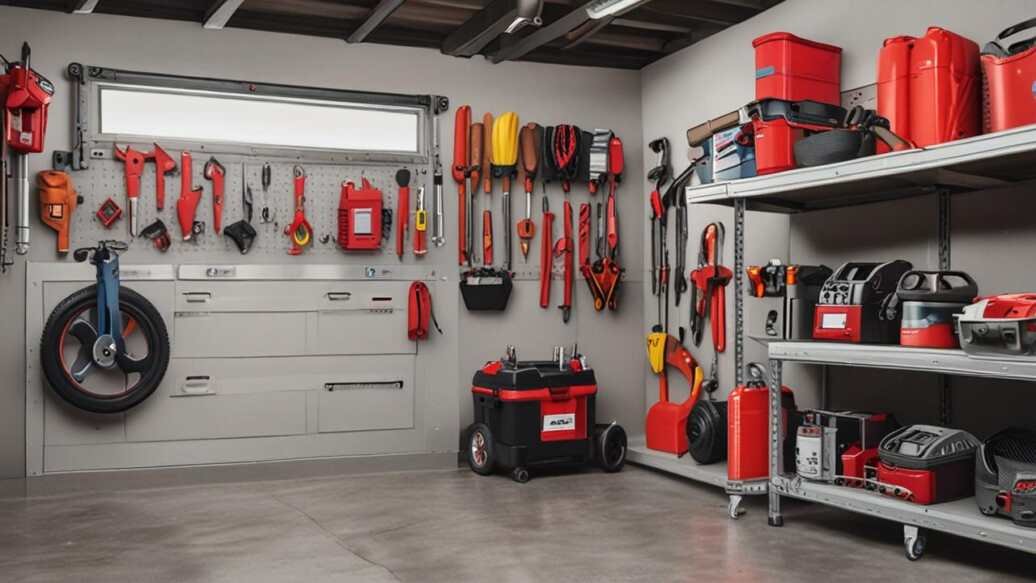
- Hang the trimmer from the handlebar hook. Keep the cutting head at least 6 inches off the ground.
- Store it in a dry, dark, temperature-controlled area – a closet, basement shelf, or utility room works well.
Common Myths About String Trimmer Storage
Myth 1: Leaving fuel in the tank protects the seals
Some people believe fuel keeps rubber seals from drying out. In reality, ethanol in modern gasoline absorbs moisture from the air. That moisture leads to phase separation and corrosion. Fuel stabilizer works, but draining the tank is safer for long-term storage.
Myth 2: You don’t need to clean the trimmer before storage
Grass clippings hold moisture against metal parts. They also attract mice that chew wires. Always clean the trimmer before putting it away, especially the cooling fins and the cutting head.
Myth 3: Any shed is fine as long as it’s dry
Metal sheds get extremely hot in summer and cold in winter. Temperature swings cause condensation inside the engine. A climate-controlled space is best. If that’s not possible, insulate the storage area or use a breathable cover.
Resources and Tools
- Sta-Bil Fuel Stabilizer – Prevents fuel degradation during storage.
- Echo Wall Hook – Heavy-duty hook that hangs trimmers by the handlebar.
- OPEI Guidelines – Outdoor Power Equipment Institute storage recommendations.
- Husqvarna Storage Tips – Official maintenance guides for trimming equipment.
Frequently Asked Questions
Can I store a string trimmer in a plastic bin?
Yes, but only if the bin is well-ventilated and the trimmer is completely clean and dry. A sealed plastic bin traps moisture and can cause condensation. Drill a few small holes in the sides for airflow.
Is it okay to store a trimmer lying on its side?
It depends on the orientation. If the trimmer is a four-stroke model, laying it on its side can cause oil to leak into the cylinder. Two-stroke models are less sensitive. Always store a four-stroke trimmer upright or hang it.
How long can I leave gas in the tank before it goes bad?
Ethanol-gasoline blends start to degrade after 30 days. Without stabilizer, fuel turns into varnish in about 90 days. With stabilizer, you get 6-12 months. For seasonal storage, drain the tank completely.
Should I remove the spark plug during storage?
Not necessary unless you store the trimmer for more than 6 months. If you do remove it, pour a teaspoon of oil into the cylinder and pull the starter cord a few times to coat the walls. Reinstall the plug finger-tight.
Does an electric string trimmer need special storage?
Electric trimmers are simpler. Keep them away from water and extreme heat. Do not wrap the power cord tightly around the shaft – it can fray. Hang the unit by the handlebar just like a gas model.
Final Thoughts
Where you store your string trimmer directly determines how long it runs. Damp floors, heat sources, and high-traffic areas cause the most damage. Clean the unit, add fuel stabilizer, and hang it off the ground in a dry, climate-controlled spot. A few simple habits add years of reliable trimming without expensive repairs.