Using an outdoor bench storage in a backyard creates a hidden compartment for garden tools and cushions while also providing a seating area. The unit's lifespan hinges on material selection, with polyethylene resin or cedar lasting a decade or more when placed on level, raised ground to prevent water damage. Consistent maintenance every three months, including surface cleaning and UV protection checks, extends the bench's resistance to sun and moisture deterioration.
An outdoor bench storage hides garden tools and cushions while giving you a place to sit. This post shows exactly what happens when you put one in your backyard – the real benefits, the hidden risks, and how to make it last.
Simply put, using an outdoor bench storage in your backyard creates a hidden compartment for supplies while doubling as a seat. The outcome depends on your bench’s material, its placement on level ground, and your maintenance routine. A quality resin or cedar unit can serve you for a decade or more with basic care.
Key Takeaways
- An outdoor bench storage organizes backyard clutter by hiding gardening gloves, pool toys, and pet supplies inside a sealed compartment.
- The lifespan of your seat bench depends almost entirely on its material – polyethylene resin resists rot, while softwoods like pine need annual sealing.
- Placing the bench on a flat, raised surface like patio stones prevents water pooling and rust on metal hinges and tracks.
- Regular maintenance every three months – wiping surfaces, checking for cracks, and oiling hinges – extends the bench’s life by several years.
- Overloading the bench beyond its weight capacity (usually 200 to 400 pounds) can crack the lid or damage the hinges permanently.
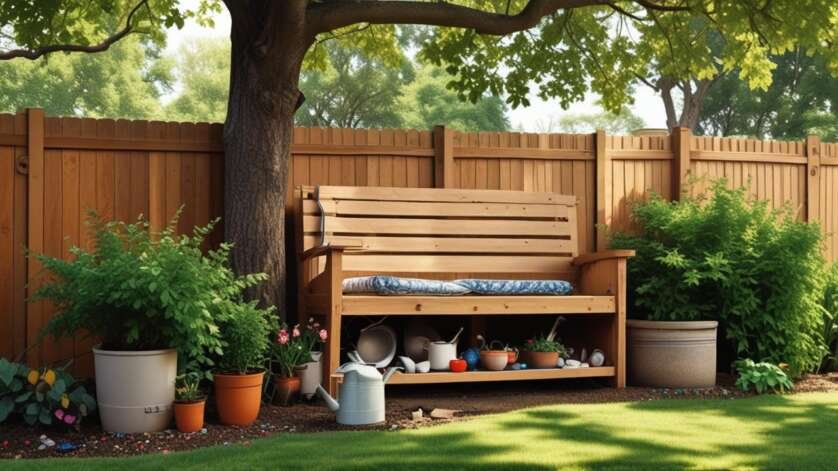
What Happens When You Place an Outdoor Bench Storage in a Backyard?
You gain instant organization the moment you set it up. Cushions, birdseed, and kids’ toys disappear into the hidden compartment. Grand View Research reports that the global outdoor storage and organization market continues to grow as homeowners seek practical ways to reduce clutter.
The bench also changes how your yard looks. It creates a clean focal point on a patio or near a garden bed. Most modern designs mimic natural wood grain without the high maintenance of real lumber.
Long-term effects depend on your climate. Direct sunlight causes UV damage over time. Rain and snow find the smallest gaps if the lid seal fails.
| Factor | Immediate Effect | Long-Term Effect (2-5 years) |
|---|---|---|
| Clutter | Reduced by 80 percent | Stays organized with regular use |
| Appearance | Clean, finished look | Fading or warping if not maintained |
| Storage space | Gains 8-15 cubic feet | Seals degrade if overloaded |
| Seating surface | Sturdy and usable | Can split if plastic is brittle from UV |
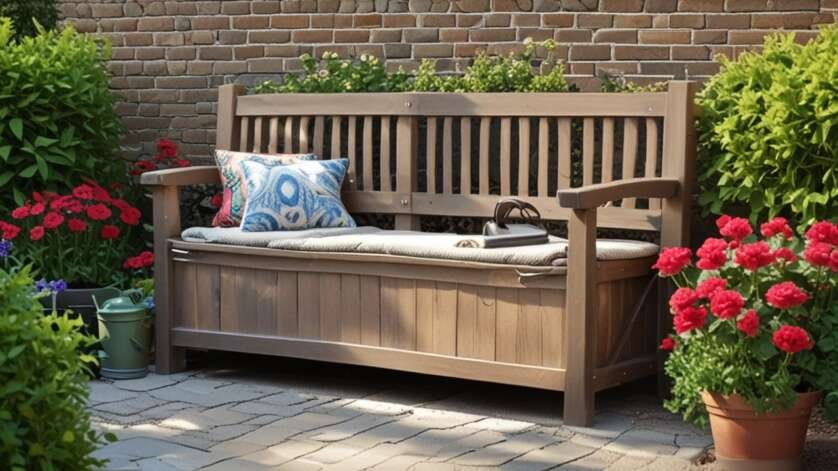
What Are the Key Benefits of Using an Outdoor Storage Bench?
Homeowners choose these benches for more than just looks. The benefits are practical and immediate.
Hidden Storage That Improves Flow
Instead of a shed in the corner, you place a bench near your seating area. It holds all your small outdoor gear. The American Home Furnishings Alliance notes that multifunctional furniture is one of the fastest growing segments in outdoor living.
Dual Functionality Saves Space
You get a seat and a bin in one piece of furniture. It works well on small patios where a separate storage box and a chair would take too much room. Use it during a barbecue or while gardening.
Weather Resistance When You Choose Right
High-density polyethylene (HDPE) benches resist cracking down to minus 20 degrees. They also block moisture better than natural wood. This type of bench rarely splinters or rots.
Easy Organization for Quick Cleanup
Tip: Use small bins inside your bench to separate items. Group gardening supplies in one bin and pet toys in another. This keeps everything easy to grab and prevents small items from getting lost in the bottom.
What Potential Drawbacks Should You Watch For?
Every product has downsides. Knowing them upfront prevents disappointment.
- Weather Vulnerability: Even resin benches can warp if you leave them in standing water. Check the bottom drainage holes once a month to ensure they are clear.
- Pest Attraction: Insects and rodents can chew through thin plastic or untreated softwood. Store food items and pet food inside sealed containers before placing them in the bench.
- Weight Capacity Limits: A typical bench seat holds 300 to 500 pounds for sitting, but the storage lid may only support 200 pounds. Stand on the ground to access items only.
- Assembly Quality: Some budget units use staples that rust quickly. Inspect all hardware during setup and replace low-grade screws with stainless steel ones.
- Fading and Color Change: Direct sun fades dark colors within two seasons. Choose lighter shades like sand or gray if your bench sits in full sun.
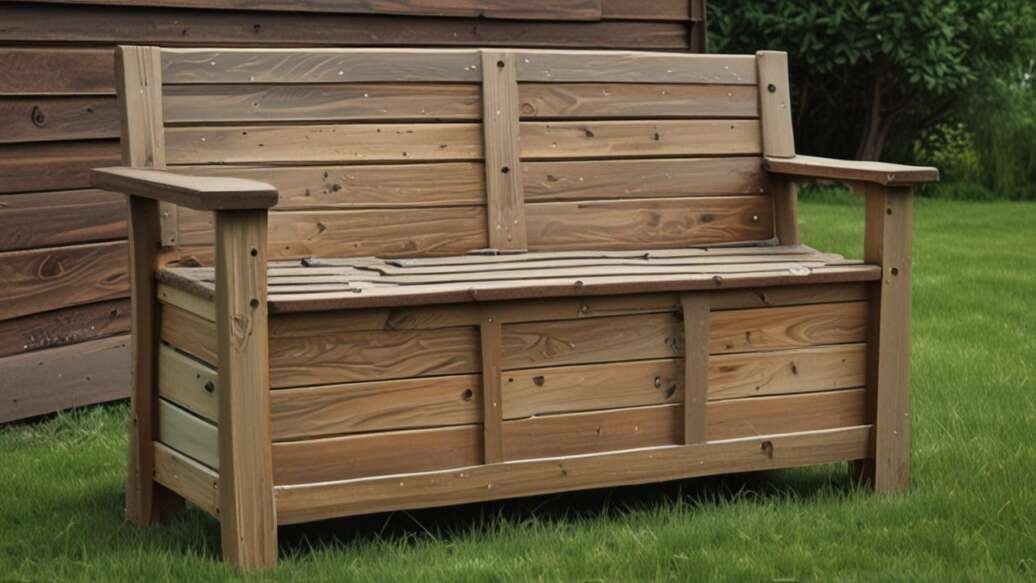
How Does Weather Affect an Outdoor Storage Bench?
Weather is the biggest factor in how long your bench lasts. Different climates cause different damage patterns.
Sun Exposure (UV Damage)
break down plastic polymers over time. This makes the bench brittle and causes colors to fade. A resin bench in full Arizona sun may show cracks within three years if it lacks UV stabilizers. Look for “UV-protected” on the label or buy a light-colored bench to reduce heat absorption.
Rain and Snow (Moisture Damage)
Moisture seeps into small cracks in plastic and into the grain of wood. When it freezes, the water expands, making cracks worse. Wooden benches need a waterproof sealant every year to block moisture. A slatted bench bottom allows air to circulate and prevents mold on items stored inside.
Wind (Stability Concerns)
An empty lightweight bench can tip over in strong wind. This can crack the lid or hinge brackets. Place the bench against a wall or fence for wind protection. You can also secure it with a ground anchor kit.
Temperature Changes (Expansion and Contraction)
Wood expands and contracts more than plastic. In humid summers, a wood lid may swell and become hard to close. In dry winters, it may shrink and create gaps. Metal benches get very hot in direct sun and cold to the touch in low temperatures.
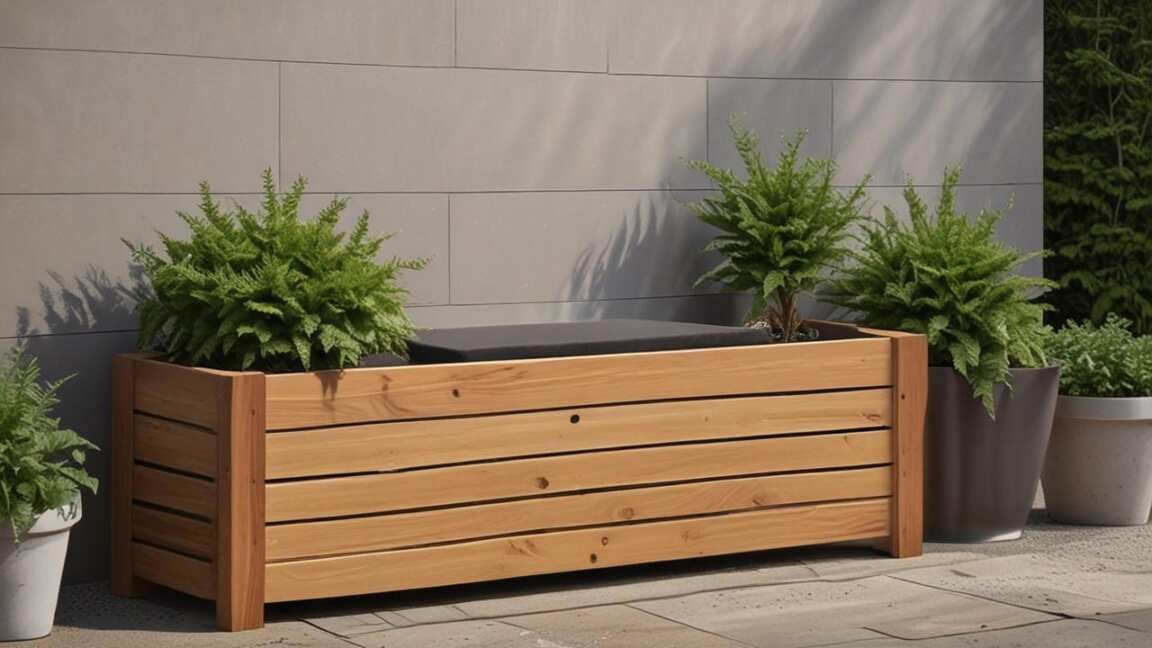
What Are the Best Materials for Outdoor Bench Storage?
Choosing the right material is the most important decision. Each option has a trade-off between cost, looks, and durability.
| Material | Durability | Maintenance | Average Cost | Best Climate |
|---|---|---|---|---|
| HDPE (Resin) | Very high | Low – wash with soap and water | $150 to $400 | Wet or coastal areas |
| Cedar | High | Medium – seal every 2 years | $250 to $600 | Dry or moderate climates |
| Pine (treated) | Medium | High – seal every year | $100 to $250 | Mild, sheltered spots |
| Steel/Aluminum | Medium/High | Low – touch up paint when scratched | $200 to $500 | Urban, covered patios |
| Wicker/Rattan | Low/Medium | High – must be kept covered | $180 to $350 | Covered porches only |
High-Density Polyethylene (HDPE)
This is the most popular material for modern outdoor bench storage., stains, and most impacts. It does not rot or splinter. Most HDPE benches include UV inhibitors that keep the color stable for years.
Cedar
Cedar contains natural oils that repel insects and resist decay. It is lighter than most woods and stays cool to the touch. The trade-off is that cedar fades to a silver-gray color over time unless you stain it.
Steel and Aluminum
Metal benches are very strong and hold more weight than plastic ones. Aluminum will not rust, but steel can rust if the paint chips. Metal feels much colder in winter and very hot in direct summer sun.
How to Choose the Right Outdoor Bench Storage for Your Yard
Follow these steps to avoid a purchase you regret.
- Measure your space. A standard bench is 48 inches wide and 24 inches deep. Make sure you have room to open the lid fully without hitting a wall or fence.
- Decide the primary use. If you need a seat, choose a bench with a reinforced lid that supports at least 400 pounds. If storage is your only goal, a slatted wood top breathes better.
- Match your climate. Rainy areas need HDPE or cedar. Dry areas can use treated pine. Coastal areas need aluminum or resin to resist salt air.
- Check the seal. Flip the lid and look at the gasket. A rubber seal along the rim keeps rain and bugs out. Skip benches without this feature if you store fabric cushions.
- Inspect the hinges. Look for stainless steel or heavy-duty plastic hinges. Cheap steel hinges rust within one season if not coated.
- Read the warranty. A five-year warranty is common for good resin benches. A one-year warranty often signals low quality.
Warning: Never sit on a bench designed only for storage. Some lightweight storage boxes look like benches but cannot hold a person’s weight. Check the product description for “seat weight capacity” before you sit down.
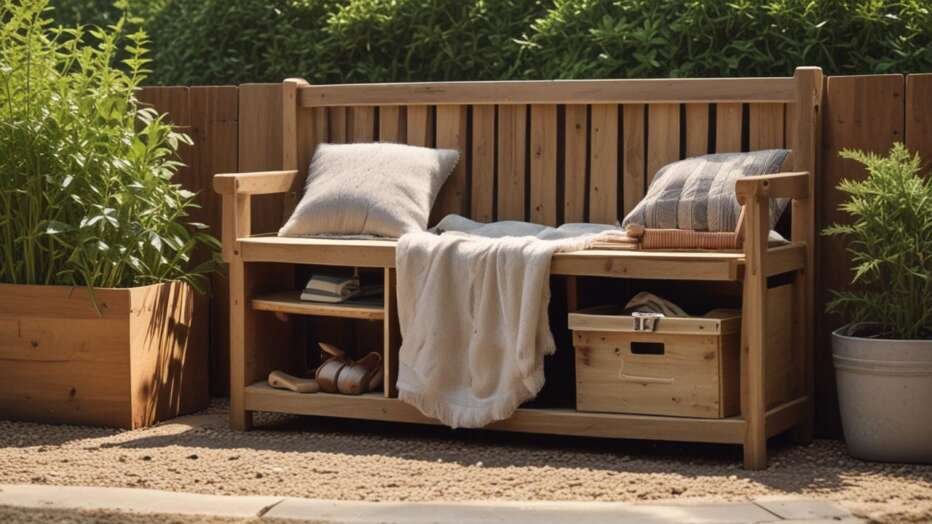
How to Maintain Your Outdoor Storage Bench
Regular care prevents expensive replacements. Most maintenance takes less than 30 minutes per season.
Cleaning Routine
Wipe down the bench with mild soap and water every four to six weeks. Use a soft brush for textured surfaces. Avoid bleach, which weakens plastic fibers over time. Dry the bench with a cloth after cleaning to prevent water spots.
Sealing and Protecting Wooden Benches
Apply a wood sealant or stain once a year to. Use a sealant that includes UV protection and water repellent. Two thin coats work better than one thick coat.
Hardware and Moving Parts
Oil the hinges once per season with a spray lubricant. This prevents squeaking and rust. Tighten any loose screws. Replace any screw that shows rust with a stainless steel version.
Winter Preparation
Empty the bench completely before winter. Moisture from snow melt trapped inside causes mold. Prop the lid open slightly with a small stick so air circulates. If possible, move the bench to a covered area or use a heavy-duty cover.
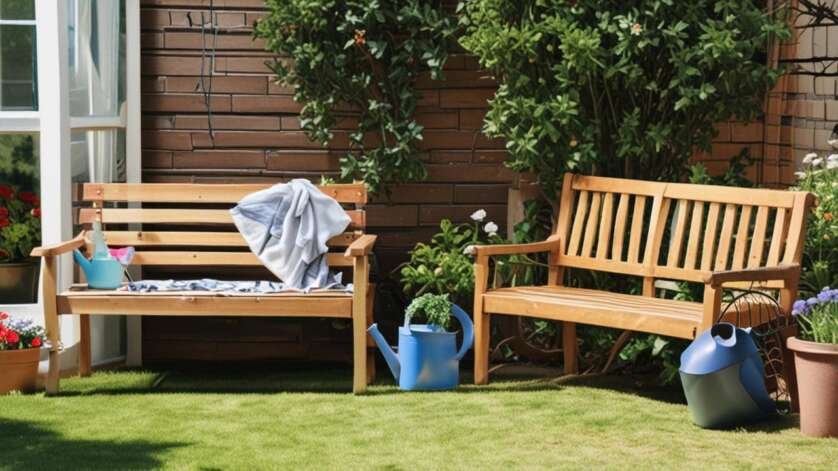
What Outdoor Bench Storage Is Not (Common Myths vs Facts)
Myths about these benches lead to damaged items and disappointed buyers. Here are three common misconceptions.
Myth 1: It Is Completely Waterproof
Fact: Most outdoor bench storage is water-resistant, not waterproof. Rain can seep through the hinges or the gap around the lid during a heavy storm. Store items inside dry bags or sealed bins for full protection.
Myth 2: It Can Hold Very Heavy Items Like Bags of Concrete
Fact: The typical weight limit for the storage compartment is 200 to 400 pounds. Placing heavy bags of soil or concrete inside can crack the bottom or warp the lid. The seat weight limit is usually lower than the overall capacity listed on the box.
Myth 3: No Maintenance Is Required
Fact: Every material needs some care. Resin needs washing. Wood needs sealing. Metal needs rust checks. A bench that gets zero maintenance may fail within two years, while a maintained one can last over a decade.
Frequently Asked Questions
Can an outdoor storage bench get wet?
Yes, but it should not stay wet for long periods. Most benches have drainage holes in the bottom to let water escape. Wipe down the inside after a heavy rain to prevent mold growth.
How much weight can an outdoor bench hold?
It depends on the material and design. A standard resin bench holds about 300 pounds for the seat and 200 pounds inside the storage area. Heavy-duty wooden models can hold up to 500 pounds.
What is the best material for an outdoor seat bench?
High-density polyethylene (HDPE) is the best all-around choice. It resists moisture, insects, UV rays, and temperature changes better than wood or metal for most climates.
How do you keep water out of an outdoor storage bench?
Make sure the lid has a rubber gasket seal. Close the lid tightly after each use. Place a small silica gel pack or moisture absorber inside if you live in a very humid area.
Can you put an outdoor storage bench directly on grass?
It is not recommended. Grass keeps the bottom moist, which speeds up rot in wood and rust in metal. Place the bench on a flat surface like patio pavers, concrete, or a deck to extend its life.
Final Thoughts
An outdoor bench storage is a smart addition to any backyard when you choose the right material and care for it properly. Focus on a UV-stabilized resin or naturally durable wood like cedar for the best long-term value. Place it on a level surface, perform simple seasonal maintenance, and it will serve as a reliable seat and storage spot for many years.