A plunge pool should be replaced when structural cracks wider than a credit card, persistent leaks, or failing equipment make repairs cost more than half the price of a new installation. These pools typically last 15 to 25 years, after which outdated systems and rising energy bills often signal the need for replacement. Consulting a professional inspector can confirm whether repair or full replacement is the more cost-effective and safe choice.
Plunge pools are small, deep pools meant for cooling off and gentle exercise. They typically measure 8-14 feet long and 5-7 feet wide.
Quick Verdict: In short, replace your plunge pool when structural damage, persistent leaks, or outdated equipment make repairs cost more than half the price of a new pool. Signs include cracks wider than a credit card, electrical faults, or energy bills that keep climbing. A professional inspection can confirm if it is time.
This guide covers the warning signs, lifespan expectations, and cost comparisons to help you decide.
Key Takeaways
- Plunge pools typically last 15-25 years depending on the material and climate.
- Structural cracks, frequent leaks, and rusting equipment are strong signals that replacement is needed.
- Repair costs above 50% of a new pool usually make replacement the smarter financial choice.
- Modern plunge pools use energy-efficient pumps and smart controls that newer models offer.
- A professional pool inspector can give you a clear verdict on whether repair or replace is right.
How Long Does a Plunge Pool Usually Last?
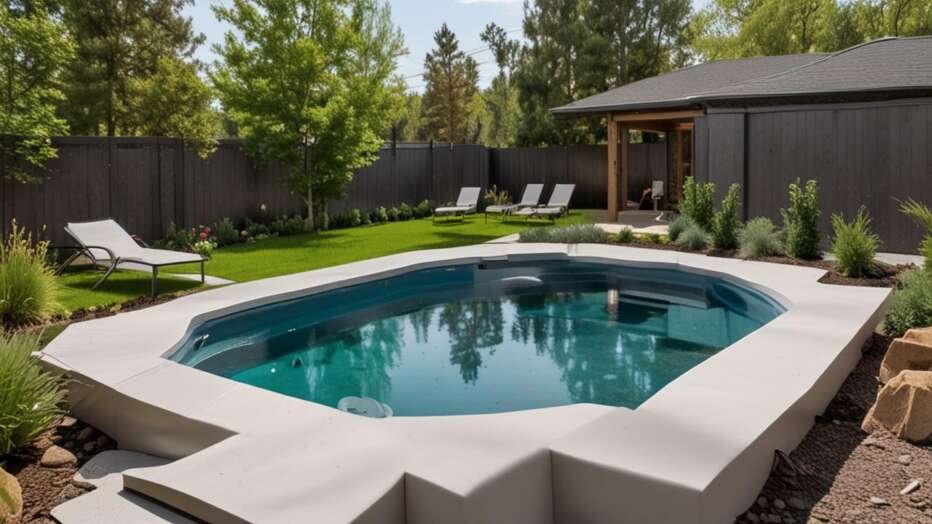
The lifespan of a plunge pool depends heavily on the material and how well you maintain it. According to the, fiberglass pools can last 25 years or more with proper care. Concrete pools typically last 15-20 years before needing major repairs.
Vinyl liner plunge pools have a shorter lifespan of 10-15 years because the liner must be replaced every 5-7 years. Climate also matters. Harsh winters with freezing and thawing can crack shells. Hot sun can fade and weaken gel coat finishes.
Important: A well-maintained fiberglass plunge pool from a top manufacturer like Plunge Pools or EcoSplash can easily pass the 25-year mark. Routine care includes balancing chemistry, checking seals, and winterizing properly.
Regular maintenance can push these numbers higher. But at some point, every pool reaches the end of its useful life.
What Are the Warning Signs Your Plunge Pool Needs Replacement?
Not every issue means a full replacement. Some problems are fixable. But when certain signs appear together, it is time to start planning for a new pool.
1. Structural Cracks or Deformation
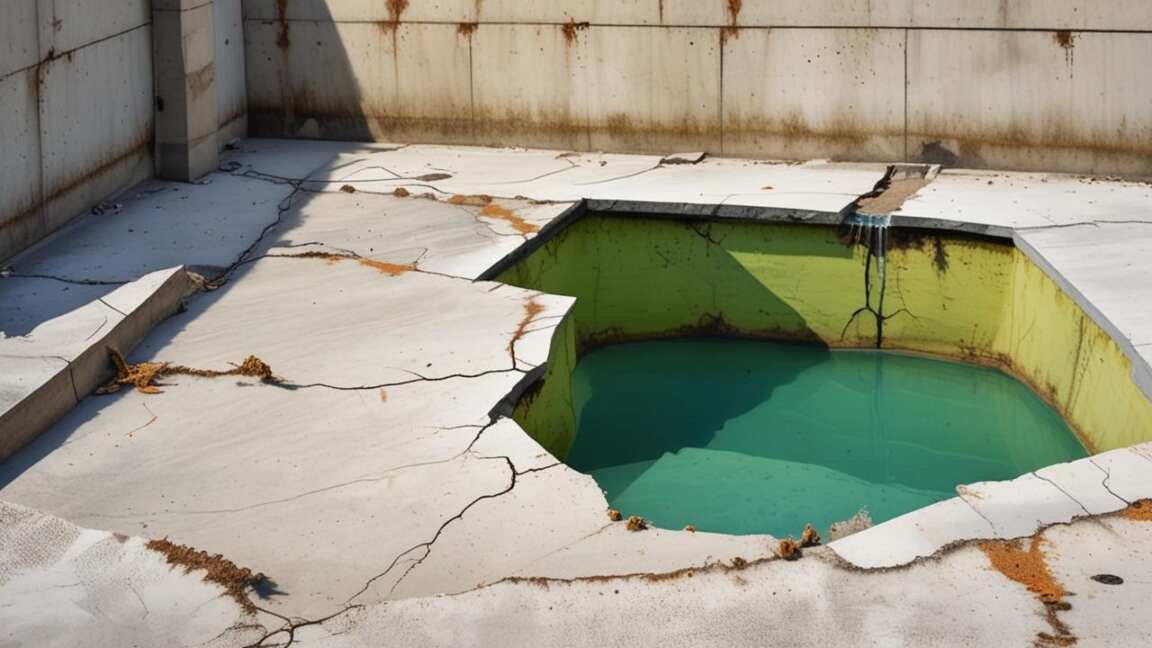
Small hairline cracks in fiberglass can be repaired. But cracks wider than 1/8 inch (about the thickness of a credit card) often indicate structural failure. According to, cracks that leak water or cause the pool shell to bow require professional assessment.
Concrete pools can develop cracks that allow water to escape and soil to erode underneath. This can shift the entire pool. If you see large cracks, uneven surfaces, or the pool pulling away from the deck, replacement is likely needed.
2. Persistent Leaks
A small leak might be patched. But if your plunge pool loses more than 1/4 inch of water per day, something serious is wrong. Plumbers or pool pros use pressure testing to find the source.
Leaks in the main drain, skimmer, or pipes underground can be expensive to fix. If you have had three or more major leak repairs in the past five years, replacement is the more reliable route.
Warning: Ignoring persistent leaks can cause foundation damage to your home or landscape. Water seeping into the ground can erode soil and destabilize patios.
3. Outdated or Failing Equipment
Pumps, heaters, filters, and lights have separate lifespans. But if your plunge pool uses old single-speed pumps or a heater that is no longer energy-efficient, the savings from a new pool can cover the upgrade cost.
Modern plunge pools often come with variable-speed pumps, salt systems, and LED lights. These reduce electricity use by 30-50%. If your equipment is more than 10 years old, check the efficiency ratings.
4. High Repair and Energy Costs
Add up what you spent on the pool in the last two years. Include repairs, chemicals, and electricity. Compare that to the cost of a new plunge pool with modern, efficient equipment.
As a rule of thumb, if annual maintenance and repair costs exceed 10% of the pool’s replacement value, consider replacement. For example, a $10,000 repair bill on a $20,000 pool is a clear sign to upgrade.
5. Safety Hazards
Sharp edges, loose tiles, or slippery surfaces can cause injuries. Old electrical systems may not meet current safety codes. If your pool has outdated grounding or unsafe access points, replacement is the safest option.
How to Determine If Your Plunge Pool Still Works
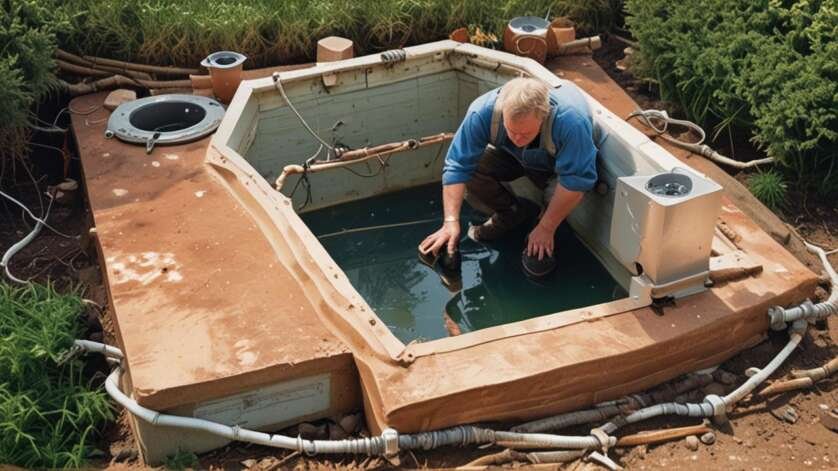
You can do a basic check yourself. Then call a professional for a final verdict.
- Check for visible cracks – Look at the entire shell, especially around skimmers and returns.
- Monitor water level – Mark the level with tape. Check after 24 hours without using the pool. Loss of more than 1/4 inch is a leak.
- Listen to the pump and heater – Strange noises, vibration, or failure to heat are red flags.
- Inspect electrical – Look for frayed wires, rust on electrical panels, or GFCI breakers that trip often.
- Feel the surface – Rough spots, delamination, or soft areas in fiberglass mean the gel coat is failing.
Tip: Many pool service companies offer a thorough inspection for around $150-$300. This includes pressure testing, structural evaluation, and equipment diagnosis. It is money well spent before making a decision.
Common Myths vs Facts About Plunge Pool Replacement
Some homeowners delay replacement because of misinformation. Let’s clear up three common myths.
Myth: A pool can last forever with constant repairs.
Fact: Every pool material has a finite lifespan. Fiberglass eventually fatigues, concrete spalls, and vinyl liners degrade. Continually patching a 25-year-old pool is often unsafe and uneconomical.
Myth: Small cracks are purely cosmetic.
Fact: Small cracks can widen over time due to freeze-thaw cycles or ground movement. They can also let moisture into the core of the shell, leading to delamination. A professional should inspect any crack larger than a hairline.
Myth: You can always resurface an old pool instead of replacing it.
Fact: Resurfacing works for concrete pools with structural integrity. But if the underlying shell has cracks or delamination, resurfacing is just a bandage. For fiberglass, full resurfacing is rarely possible – it is usually cheaper to replace the entire unit.
Cost Comparison: Repair vs Replace Your Plunge Pool
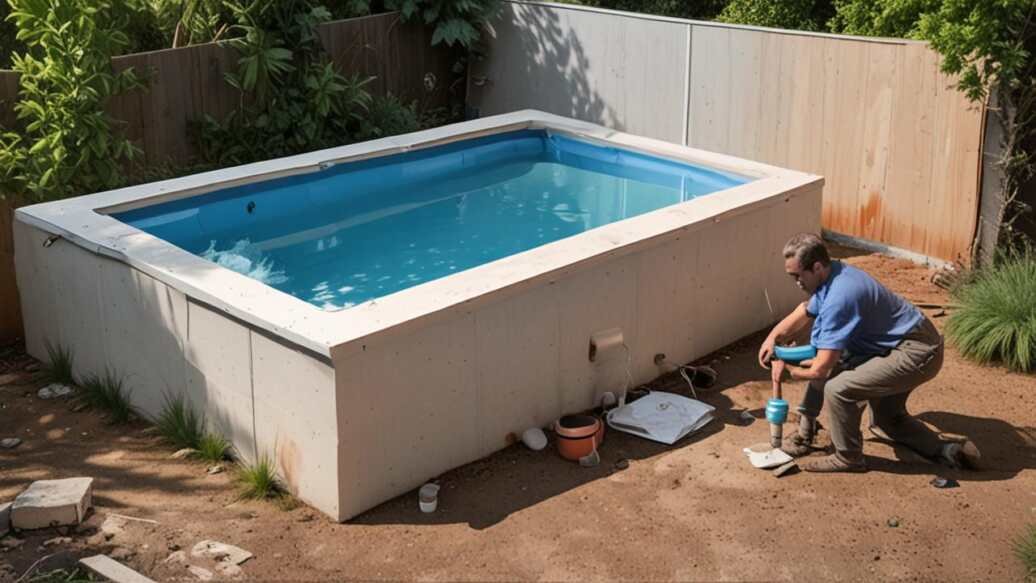
Use this table to compare typical costs. Prices vary by region and pool size.
| Type of Work | Average Cost | Lifespan after Fix | Best Option When … |
|---|---|---|---|
| Repair single crack | $300 – $800 | 2-5 years | Crack is small and localized |
| Leak detection + patch | $500 – $2,000 | 3-7 years | Pool is less than 10 years old |
| Replace pump/heater | $1,000 – $4,000 | 8-12 years | Shell is still in good shape |
| Full resurface (concrete) | $5,000 – $12,000 | 10-15 years | Structure sound, surface worn |
| Complete replacement | $15,000 – $35,000 | 20-25+ years | Multiple major issues or age >20 |
These numbers are based on industry reports from the and national averages. Always get multiple quotes in your area.

Pro Tips for Extending the Life of Your Plunge Pool
If you are not ready to replace, these actions can buy you a few more years.
- Balance water chemistry weekly – pH should stay between 7.2 and 7.6. Imbalanced water eats away at gel coat and plaster.
- Check seals and gaskets – Replace O-rings on pumps and filters annually. A small leak here can damage the pump motor.
- Winterize correctly – Drain water below return jets, add antifreeze to lines, and cover securely. Freezing is the biggest destroyer of plunge pools.
- Keep the filter clean – A clogged filter forces the pump to work harder. Clean cartridge filters monthly during swim season.
- Schedule annual professional inspection – A trained eye can catch problems early. Many small repairs cost under $500 and prevent major failures.
Important: Even with perfect care, fiberglass will eventually oxidize and become porous. This leads to staining and potential structural weakening. Think of pool replacement like roof replacement – it is a periodic expense.

Resources and Tools
Use these resources for more information and to find a qualified professional.
- Pool and Hot Tub Alliance – Industry standards and contractor directories.
- National Pool Contractors Association – Find certified installers.
- Angi (formerly Angie’s List) – Read reviews and compare pool service companies.
- Plunge Pools Official – Manufacturer website with specs and pricing.
- Aquatic Consulting Services – Independent pool inspection and testing.
Frequently Asked Questions
How much does it cost to replace a plunge pool?
Complete replacement typically costs between $15,000 and $35,000. This includes removal of the old pool, site preparation, new shell or liner, and installation of modern equipment.
Can you install a new plunge pool in the same spot?
Yes, most homeowners place the new pool in the same location. The old shell is removed, the area is leveled, and the new pool is set. This avoids landscaping changes.
What is the best material for a plunge pool replacement?
Fiberglass is the most common choice for plunge pools because it is durable, low-maintenance, and installs quickly. Concrete offers custom shapes but requires more upkeep. Vinyl liners are cheaper but need replacement every few years.
How long does it take to replace a plunge pool?
The process usually takes 2-4 weeks. Removing the old pool takes a few days. Site preparation and installation of the new pool take 1-2 weeks. Electrical and plumbing work adds a few more days.
Is it worth repairing a 20-year-old plunge pool?
It depends on the condition. If the shell is sound and only the equipment needs replacing, repair may be worth it. But if the structure has cracks or leaks, replacement is almost always more cost-effective in the long run.
Final Thoughts
Knowing when is it time to replace your plunge pool for good comes down to a few clear indicators: structural damage, persistent leaks, costly repairs, and outdated equipment. If any two of these apply, get a professional inspection. A new plunge pool gives you years of enjoyment with lower energy bills and modern safety features. Take the time to compare costs and choose a material that fits your budget and lifestyle.