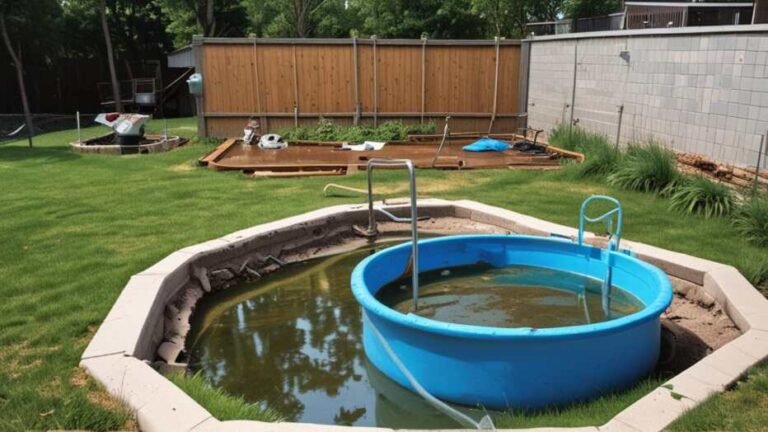
Buying a plunge pool as a renter involves hidden costs and critical lease restrictions that most people overlook, including potential full forfeiture of your security deposit. Portable above-ground models are the only realistic option, but they still require landlord permission, a flat protected surface with proper drainage, and compliance with often stricter HOA rules. The most important takeaway is that you must secure explicit written approval from your landlord and verify insurance coverage before making any purchase.
You see a sleek plunge pool on Instagram and picture yourself cooling off after work without leaving your rental home. What nobody tells renters before buying a plunge pool is that the smallest details in your lease can stop the entire project before it starts.
Quick Verdict: Simply put, buying a plunge pool as a renter involves much more than paying for the pool itself. You must navigate landlord restrictions, HOA rules, installation logistics on non-owned property, and the serious risk of losing your entire security deposit. Portability and damage liability are your biggest concerns.
Key Takeaways
- Your lease almost certainly prohibits structural modifications or water features without explicit written permission from your landlord.
- A permanent in-ground plunge pool on a rental property can lead to the full forfeiture of your security deposit and potential legal fees for property damage.
- Portable above-ground plunge pools are the only realistic option for renters, but they still require a flat, protected surface and proper drainage.
- HOA rules are often stricter than your lease and may ban plunge pools entirely, even temporary ones, based on noise and appearance.
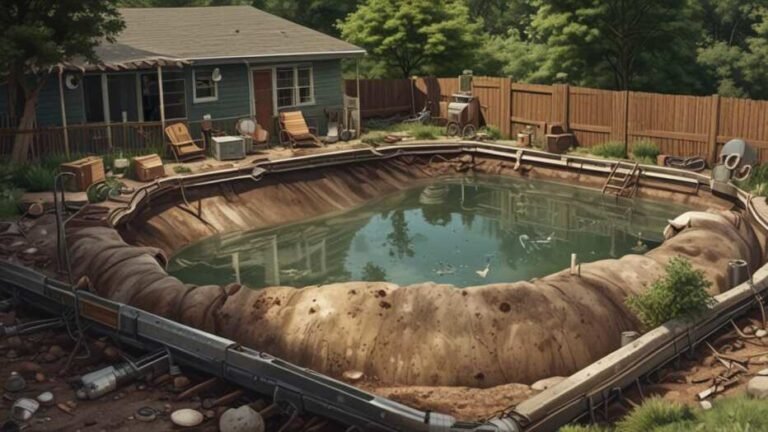
- The cost of removing a permanently installed plunge pool at the end of a lease can exceed the original installation cost by a significant margin.
Important: According to, the demand for small-space aquatic solutions has grown steadily as urban living becomes more common. This growing demand does not exempt renters from standard lease policies.
What Are Plunge Pools?
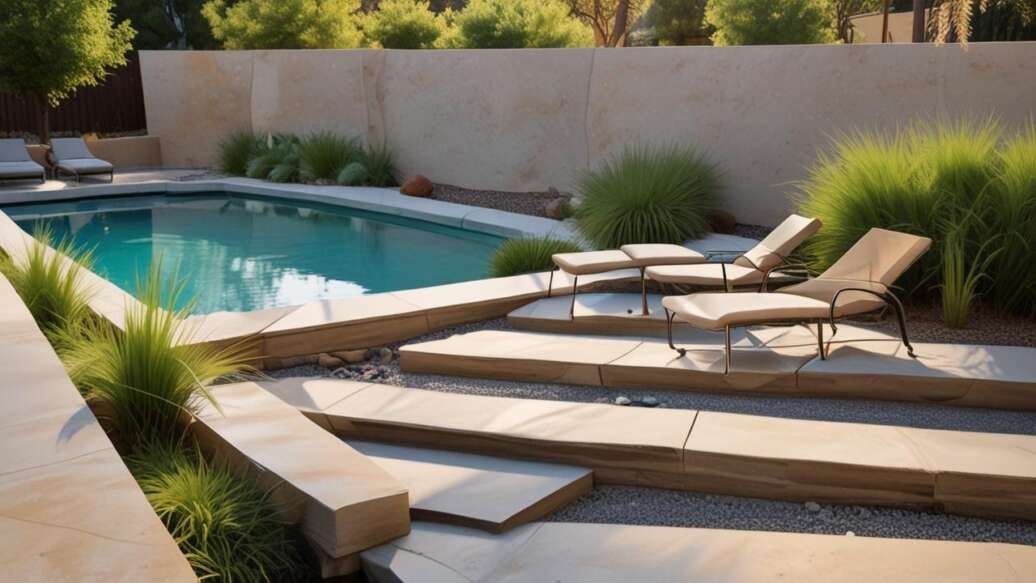
Plunge pools are small, deep pools designed for cooling off, relaxing, and light exercise rather than lap swimming. They typically measure between 8 and 14 feet long and 4 to 7 feet wide.
These pools are marketed as a space-saving and cost-effective alternative to full-sized pools. Most plunge pools use a recirculating filtration system similar to larger pools but require less water and fewer chemicals.
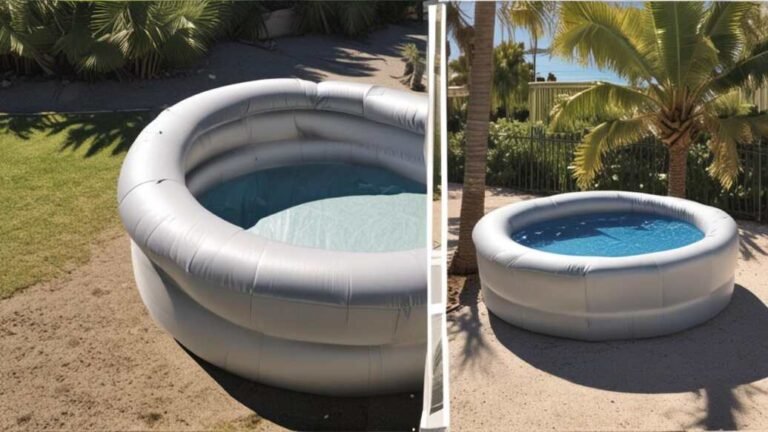
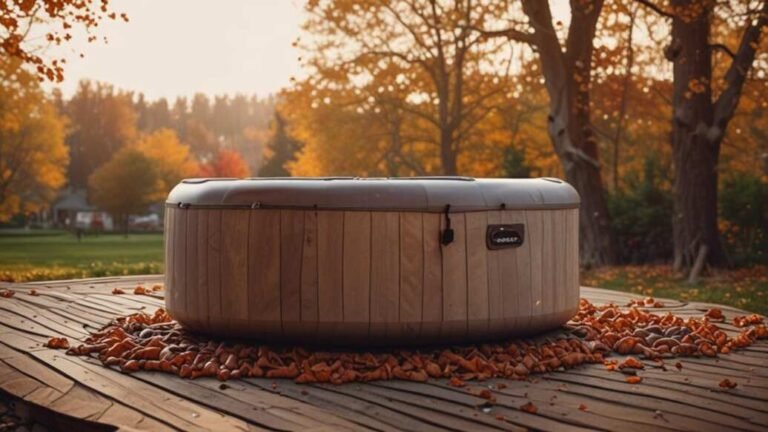
They come in two main types: permanent in-ground models made of gunite or fiberglass and portable above-ground models made of metal or heavy-duty PVC. Renters usually gravitate toward the portable models for obvious reasons, but even these carry hidden risks.
The Hidden Costs Nobody Mentions
The purchase price of a plunge pool is just the beginning. Permanent units require significant site preparation that most renters underestimate.
According to, the average installed cost of a small fiberglass plunge pool starts at $15,000. This does not include electrical work, concrete pads, or landscaping restoration.
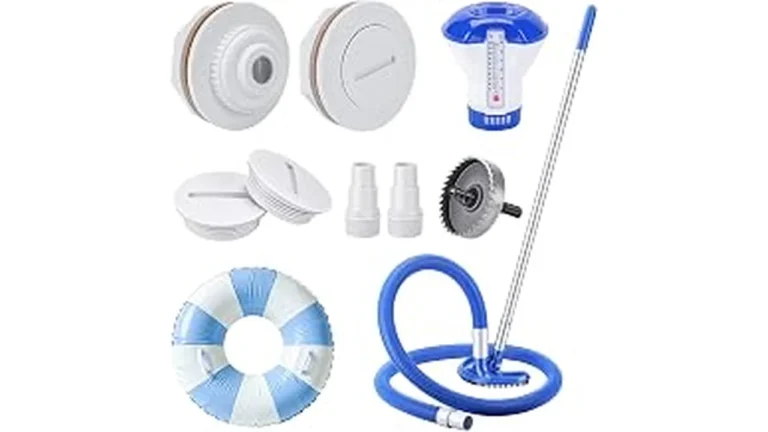
Portable units are cheaper upfront, but they create ongoing costs that add up quickly over a lease term. You must factor in electricity for the pump and potential heater, water refills after cleanings, and chemical treatments.
- Permit fees: Many cities require building permits for pools over 24 inches deep, even portable ones.
- Insurance premium increases: Most standard renters insurance policies exclude water features. You may need a specialized policy.
- Increased utility bills: Running a pool pump 8 to 12 hours a day raises your electricity bill by $50 to $150 per month.
- Removal costs: Professional demolition and yard restoration for a permanent pool can cost $3,000 to $8,000.
| Cost Category | Permanent Plunge Pool | Portable Plunge Pool |
|---|---|---|
| Unit Price | $10,000 – $30,000 | $1,000 – $8,000 |
| Installation | $5,000 – $15,000 | $0 – $500 |
| Monthly Utilities | $100 – $300 | $30 – $100 |
| Removal Cost | $3,000 – $8,000 | $0 |
| Deposit Risk | Very High | Low to Moderate |
What Does the Rental Agreement Say?
Standard leases include clauses about alterations to the property. Adding a pool qualifies as a material alteration. Most landlords will deny the request immediately.
According to, almost all property managers include clauses prohibiting structural alterations without written consent. This covers anything that changes the physical property or its use.
If your landlord does say yes, they will likely require you to sign a pool addendum. This addendum makes you 100% responsible for maintenance, liability, and damages. Even then, many leases have a blanket ban on standing water over a certain depth due to drowning risks.
- Check for “water features” clause in your lease.
- Look for “alterations” or “improvements” sections.
- Review the “rules and regulations” attachment, which sometimes bans pools separately.
- Contact your landlord in writing, never rely on verbal permission.
Warning: Never install a permanent pool without written permission. In most jurisdictions, installing a permanent pool without written permission is a lease violation that can lead to eviction and financial penalties for property damage.
Why Landlords Say No
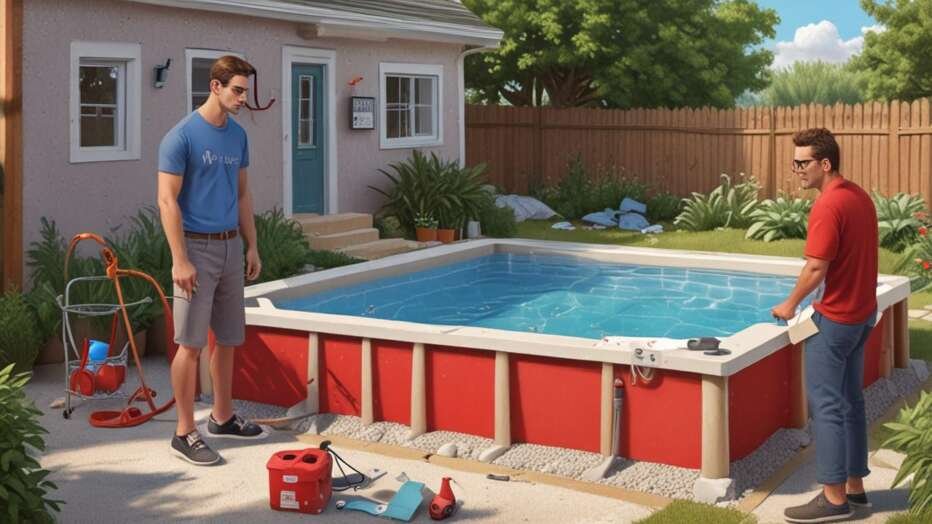
Landlords have several unspoken reasons for denying pool requests. These reasons go beyond the written lease terms and touch on risk management.
- Liability – Pools are attractive nuisances. Landlords fear lawsuits if a neighbor child gets injured in your pool.
- Property Damage – Water can damage foundations, kill landscaping, and create drainage issues that affect the entire property.
- Future Resale Value – A pool limits the renter pool for the next tenant. Many renters actively avoid properties with pools.
- Insurance Complications – Your landlord’s insurance policy may not cover properties with pools, or their premiums may increase significantly.
Common Myths vs Facts
Myth 1: It is just like buying a big hot tub.
Plunge pools hold significantly more water than a hot tub, creating a greater risk of property damage. They attract much stricter regulations from HOAs and insurers because of the volume and depth of water involved.
Myth 2: I can just remove it before I move out and everything will be fine.
Permanent in-ground units leave a large hole in the yard that requires professional filling and landscaping. Restoring the yard to its original condition is legally required and can cost thousands of dollars according to most lease restoration clauses.
Myth 3: My standard renters insurance covers it.
Most standard renters insurance policies explicitly exclude water features like pools. You need a specialized policy and a personal umbrella policy for adequate coverage. The recommends checking your policy limits before adding any water feature to a rental property.
How to Get Permission from Your Landlord
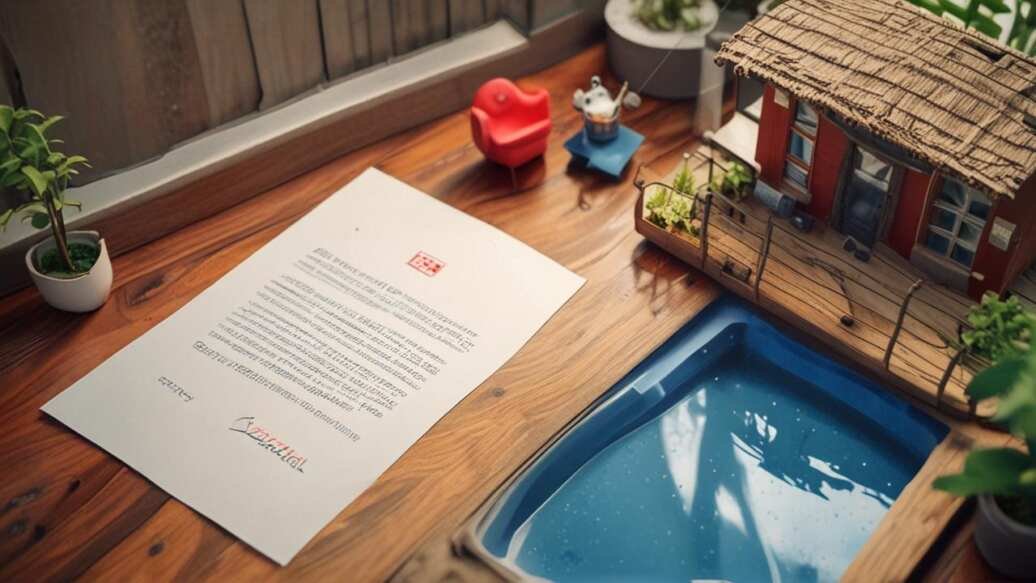
Getting permission is possible but requires a formal proposal that addresses their concerns directly. Landlords respond to risk mitigation, not lifestyle desires.
- Prepare a detailed written proposal that includes pool specifications and installation plans.
- Include proof of increased liability insurance coverage.
- Offer a professional installation contract from a licensed contractor.
- Propose an additional security deposit specifically for the pool.
- Agree to a professional removal clause in writing.
Frame your request around protecting their property. Offer to pay for an appraisal to prove the pool adds value or at least does not decrease it. Be prepared for a rent increase or an additional security deposit specifically for the pool.
Tip: Frame your request around protecting their property. Offer to pay for increased liability coverage and a professional removal bond. Landlords say yes more often when they see you have planned for every risk.
The Installation Nightmare on Rental Property
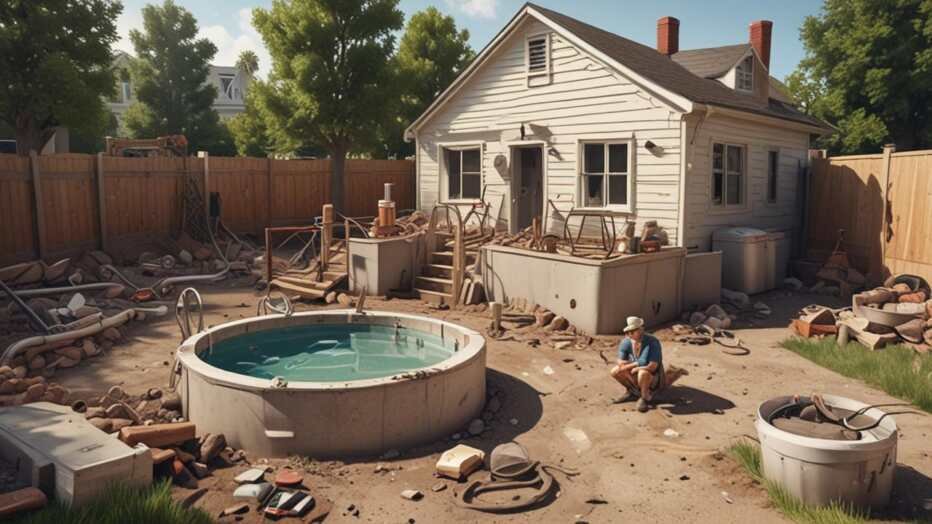
Installation on a rental property comes with challenges that homeowners never face. You must coordinate with your landlord, your neighbors, and possibly your HOA.
HOA rules are often stricter than your lease. The reports that the majority of HOAs have explicit restrictions on swimming pools and water features. Even portable pools can violate appearance guidelines.
- Digging without a utility locator service is illegal in most areas.
- Hitting a gas or water line on a rental property makes you fully liable for repairs.
- Noise complaints from pool pumps can lead to HOA fines.
- Pool placement affects drainage for the entire property.
Pro Tips for Renters Considering a Plunge Pool
These tips come from years of experience in real estate and property management. Follow them to protect your deposit and your housing.
- Only consider portable, self-contained units that sit above ground.
- Use a protective ground tarp and install on a concrete patio, never on grass.
- Check with your HOA before talking to your landlord.
- Get everything in writing, including removal agreements.
- Plan for the end of the lease from day one.
- Tell your renters insurance provider before you fill the pool.
Resources and Tools
Pool & Hot Tub Alliance (PHTA) – Industry standards and safety guidelines for pool owners and contractors.
National Association of Residential Property Managers (NARPM) – Professional standards for lease agreements and property management.
Community Associations Institute (CAI) – Information on HOA rules and regulations regarding water features.
Insurance Information Institute – Guidance on renters insurance policies and liability coverage for pools.
Frequently Asked Questions
Can my landlord evict me for installing a plunge pool without permission?
Yes, in most jurisdictions, installing a permanent pool without written permission is a lease violation that can lead to eviction and financial penalties for property damage. According to, unauthorized alterations are one of the most common grounds for lease termination.
Do I need a permit to install a plunge pool at a rental property?
Yes, permanent pools always require a building permit from the local municipality. Portable pools over a certain depth, usually 24 inches, may also require a permit. Check with your local building department before purchasing any pool.
How does a plunge pool affect my renters insurance?
You will need to notify your provider immediately upon purchase. They will likely require a substantial premium increase and a liability umbrella policy to cover the increased risk. The recommends reviewing your policy limits before adding any water feature.
What is the best type of plunge pool for a renter?
A portable, self-contained above-ground unit is the only safe option for renters. Never install a permanent in-ground gunite or fiberglass pool on property you do not own. Portable units can be taken with you when you move and do not require structural changes to the property.
Who is responsible for removing a plunge pool at the end of a lease?
The tenant is always responsible for removal and property restoration. You must return the property to its original condition. If you installed it, you must remove it and repair any damage at your own expense, including grass replacement, hole filling, and foundation repairs.
Final Thoughts
Renters face steep legal and financial barriers when buying a plunge pool that owners never encounter. Portable units offer a limited but safe way to enjoy the benefits without risking your housing. Always prioritize written permission from your landlord and proper insurance coverage before making any purchase. The dream of a backyard retreat should not come at the cost of your security deposit or your lease.