A pellet grill is worth buying for a large backyard because it delivers wood-fired flavor with precise temperature control and versatile cooking options like smoking, roasting, and baking, all without constant attention. Its large capacity and consistent heat make it ideal for feeding a crowd, though direct high-heat searing is limited. For the best experience, choose a model with a large hopper to avoid frequent refueling during long cooks.
Pellet grills combine wood-fire flavor with the simplicity of a gas grill. This guide helps you decide if a pellet grill is the right addition to your large backyard setup.
Quick Verdict: In short, a pellet grill is worth it for a large backyard if you value rich wood-fired flavor, consistent temperature control, and versatile cooking options like smoking, roasting, and baking. It handles big cooks with ease, though direct high-heat searing is limited. Choose a model with a larger hopper to avoid refueling.
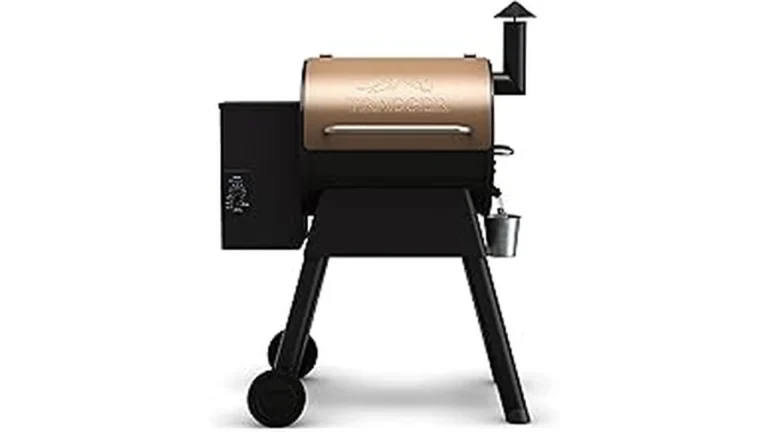
A pellet grill uses an electric auger to feed hardwood pellets into a fire pot. A fan then circulates heat and smoke around the cooking chamber. This system allows you to set a precise temperature and walk away.
Pellet grills differ from charcoal and gas grills. Charcoal requires constant attention to maintain heat. Gas delivers convenience without deep smoke flavor. Pellet grills give you both control and taste.
According to a, pellet grill sales have grown by over 20% annually in recent years. They now make up more than 15% of the U.S. grill market.
Key Takeaways
- Pellet grills offer precise temperature control, making them ideal for low-and-slow smoking on a large backyard.
- Wood pellets deliver a rich smoke flavor that many grill enthusiasts prefer over gas or charcoal.
- Large backyards benefit from pellet grills with hoppers holding 20 pounds or more for extended cooks.
- Initial costs are higher than basic gas or charcoal grills, but fuel costs are lower per cook.
- Pellet grills struggle with direct high-heat searing, so they work best for smoking, roasting, and baking.
How Does a Pellet Grill Compare to Other Grills?
Choosing a grill type depends on your cooking style and backyard setup. Each option has distinct strengths and trade-offs.
| Feature | Pellet Grill | Charcoal Grill | Gas Grill |
|---|---|---|---|
| Temperature Control | Digital, set-it-and-forget-it | Manual, requires constant adjustment | Good, but can be inconsistent |
| Flavor | Rich smoke from wood pellets | Strong, classic charcoal taste | Minimal smoky flavor |
| Searing Capability | Limited, requires sear station add-on | Excellent at high heat | Excellent at high heat |
| Fuel Cost per Cook | Approximately $1-2 per hour | Approximately $2-3 per cook | Approximately $1-2 per hour |
| Cooking Versatility | Smoke, roast, bake, grill | Grill, smoke | Grill, roast |
Important: Pellet grills require an electrical outlet to run the auger and fan. Make sure your large backyard has a weatherproof outlet before purchasing.
Is a Pellet Grill Worth It for a Large Backyard?
The answer depends on how you plan to use your outdoor space. A pellet grill shines in several areas that matter for large backyards.
Consistent Temperature for Large Capacities
Large backyards often host parties or family gatherings. You need a grill that handles big cuts of meat consistently. According to, pellet grills maintain temperature within 5 degrees of your set point. This precision matters when cooking brisket or pork shoulder for hours.
Most pellet grills offer cooking areas between 500 and 1,000 square inches. That is enough for multiple racks of ribs or a full turkey. Some models come with two cooking grates, giving you even more room.
Flavor Without Constant Attention
Charcoal grills produce wonderful smoke flavor. But they need constant fuel and temperature adjustments. Pellet grills let you load the hopper, set the temperature, and check on the food only when needed.
According to, pellet grills produce 80% less carbon monoxide than charcoal grills. This makes them safer for use near a patio or deck in a large backyard.
Versatile Cooking Options
Pellet grills are not limited to smoking. You can use them for:
- Roasting vegetables and meats at high temperatures
- Baking bread, pizzas, and desserts with wood-fired flavor
- Grilling burgers and steaks at medium heat
- Cold smoking cheese or fish with a special tube
This versatility makes a pellet grill a year-round appliance for your backyard.
Pros and Cons of Pellet Grills for Large Backyards
Pros
- You get rich wood-fired flavor from hardwood pellets without charcoal mess.
- Digital controllers maintain steady temperature for hours, ideal for set-it-and-forget-it cooking.
- Large cooking surfaces (500-1,000 square inches) fit multiple dishes for crowds.
- You can smoke, roast, bake, and grill on a single device, reducing the need for multiple grills.
- Wood pellets are a renewable fuel source, making them more eco-friendly than charcoal.
Cons
- Pellet grills do not reach the high temperatures needed for proper searing (over 500 degrees Fahrenheit).
- They require a nearby electrical outlet for the auger and fan to operate.
- Pellet consumption adds up. You use roughly 1 pound per hour at low temperatures and more at high heat.
- Initial cost is higher than basic gas or charcoal grills, with good models starting around $800.
- You need to keep pellets dry. Wet pellets cause jams and poor performance.
Warning: If you want the ability to sear steaks or burgers at high heat, a pellet grill alone may disappoint. Consider a model with a built-in sear station or plan to use a cast-iron pan on the grill.
Costs and Timeline of Owning a Pellet Grill
| Item | Estimated Cost | Notes |
|---|---|---|
| Pellet Grill (mid-range) | $800 – $1,500 | Includes PID controller, large hopper, and sturdy build |
| Pellet Grill (premium) | $1,500 – $3,500 | Wi-Fi enabled, dual cooking grates, sear station |
| Wood Pellets (40 lb bag) | $15 – $25 | Lasts 20-40 hours depending on cooking temperature |
| Grill Cover | $30 – $60 | Protects grill and pellets from rain |
| Assembly Time | 1-2 hours | In-home assembly often included with premium brands |
Pellet grills cost more upfront than basic gas or charcoal models. But they save money over time on fuel. A 40-pound bag of pellets costs around $20 and lasts for multiple cooks. Charcoal for the same number of cooks would cost twice as much.
What Size Pellet Grill Do You Need for a Large Backyard?
A large backyard gives you room for a big grill. But bigger is not always better. Consider these factors before buying:
- Cook Surface Area: For parties of 10+ people, choose a model with at least 600 square inches of cooking space.
- Hopper Capacity: A hopper that holds 20-30 pounds of pellets supports long cooks without refilling. This is critical for smoking brisket or pork shoulder.
- Weight and Portability: Pellet grills are heavy, often over 150 pounds. Plan a permanent spot on your patio or deck.
- Wi-Fi and Smart Features: Many premium models include Wi-Fi connectivity. You can monitor temperature and adjust settings from your phone.
Tip: If you often cook for large groups, choose a pellet grill with two separate cooking zones. This allows you to smoke on one side and sear on the other.
Common Myths vs. Facts About Pellet Grills
Myth 1: Pellet Grills Don’t Produce Enough Smoke Flavor
Fact: Pellet grills use real hardwood pellets with no fillers. They produce a clean, consistent smoke that penetrates meat well. For stronger smoke flavor, use a smoke tube filled with extra pellets.
Myth 2: Pellet Grills Are Too Complicated to Use
Fact: Pellet grills are simple to operate. You fill the hopper with pellets, plug in the grill, set the temperature, and the grill does the rest. They require less hands-on work than charcoal.
Myth 3: Pellet Grills Are Expensive to Run
Fact: Pellet grills cost less per cook than charcoal. A 40-pound bag of pellets costs about $20 and lasts 20-40 hours. Charcoal for the same cook time costs $30 or more.
Pro Tips for Using a Pellet Grill in a Large Backyard
- Store your pellets in a dry, sealed container. Moisture ruins pellets and causes auger jams.
- Clean the fire pot and ash after every 3-4 cooks. Ash buildup reduces airflow and affects temperature control.
- Use a for extra smoke during low-temperature cooks. This boosts flavor without burning extra pellets.
- Preheat the grill for 15-20 minutes before adding food. This ensures the cooking grate reaches the target temperature.
- Keep a spray bottle of water nearby. Pellet grills maintain high humidity inside, so spritz food during long cooks to keep it moist.
Resources and Tools
- Traeger – Leading brand of pellet grills, offering models from entry-level to premium.
- Weber SmokeFire – Pellet grill with a sear zone and large cooking area.
- Pit Boss – Offers value-oriented pellet grills with large hoppers and cooking surfaces.
- Consumer Reports – Provides independent reviews and ratings of pellet grills.
Frequently Asked Questions
Can a pellet grill replace a gas grill for everyday cooking?
Pellet grills can replace a gas grill for most daily cooking like burgers, chicken, and vegetables. However, they do not reach the same high temperatures for searing. For best results, keep a small gas grill or a camp stove for steaks.
How often do I need to refill the hopper on a large grill?
A 20-30 pound hopper lasts 10-15 hours at low smoking temperatures (225 degrees Fahrenheit) and 4-6 hours at high grilling temperatures (400 degrees Fahrenheit). For large backyard parties, one fill is usually enough for the whole cook.
Are pellet grills safe to use on a wooden deck?
Yes, pellet grills are safe on a wooden deck because they produce less heat underneath than charcoal grills. Always place the grill on a non-combustible surface like a grill mat. Keep the grill at least 10 feet from your house.
What is the best brand of pellet grill for a large backyard?
Top brands for large backyards include Traeger, Weber SmokeFire, and Pit Boss. Traeger leads in Wi-Fi features and build quality. Weber offers better searing capability. Pit Boss gives excellent value for large cooking areas under $1,000.
Do pellet grills work in cold weather?
Yes, pellet grills work in cold weather, but you may use more pellets to maintain temperature. Use an insulated blanket made for your grill model to improve efficiency. Wind can also affect temperature, so place the grill in a sheltered spot.
Final Thoughts
Pellet grills bring real advantages to a large backyard – rich wood-fire flavor, set-it-and-forget-it convenience, and the ability to smoke, roast, and bake. The initial price is higher, but lower fuel costs and versatile cooking make it a strong investment. If you cook for groups often and value flavor and simplicity, a pellet grill is worth it.