Patio loungers typically give clear warning signs—rust on the frame, a jamming recline mechanism, faded or frayed fabric, a wobbling structure, cracks in plastic parts, or a stuck adjustment knob—before they fail completely. Catching any of these six issues early allows you to perform targeted repairs, often extending the lounger’s life significantly and avoiding the cost of a full replacement. Ignoring these signs usually leads to sudden structural collapse during use, making immediate inspection and repair the smartest move for safety and savings.
That squeaky patio lounger will not fix itself. This guide covers the six clear warning signs your patio lounger is about to stop working and how to stop it.
Simply put, your patio lounger signals failure through rust, jamming, fabric wear, wobbling frames, cracking plastic, and stuck adjustment mechanisms. Catching these warning signs early lets you perform targeted repairs, saving you hundreds on a replacement. Ignoring them usually leads to complete collapse during use.
Key Takeaways
- Ignoring rust on metal frames and springs is the most common reason patio loungers fail completely within two years of the first orange spots appearing.
- A loud cracking sound from the frame usually means the metal has suffered structural fatigue and requires immediate replacement of the lounger for safety.
- Fabric slings and cushions that look faded or frayed usually break within the next 20 to 30 uses if you do not replace them right away.
- Stripped plastic adjustment knobs are expected on budget loungers and can often be fixed with a simple bolt replacement.
- Wobbly legs that you cannot fix by tightening screws usually point to broken welds at the joints that cannot be repaired at home.
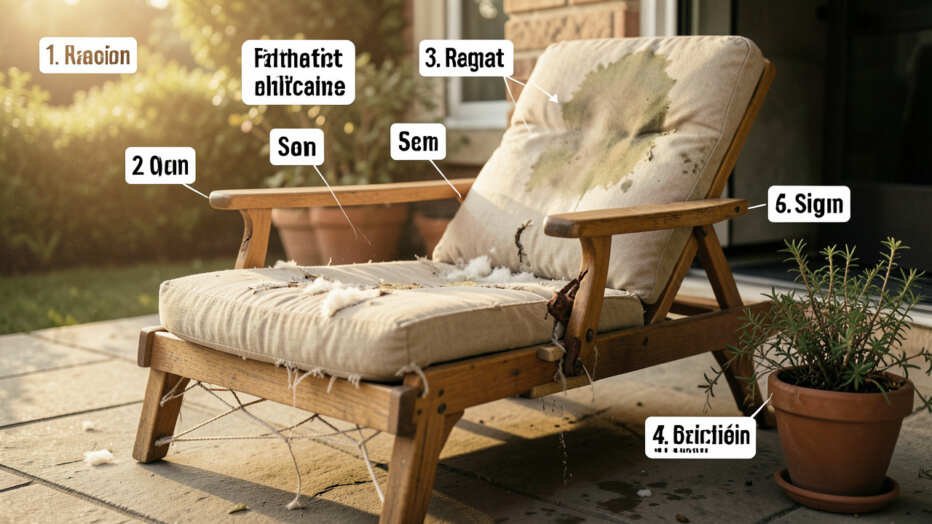
What Are the 6 Warning Signs?
Here is a quick reference table showing each warning sign, where to look for it, how urgent the problem is, and what it costs to fix.
| Warning Sign | Where to Look | Urgency | Typical Cost to Fix |
|---|---|---|---|
| 1. Rust and Corrosion | Frame, springs, rivets | High | $15 – $50 |
| 2. Jamming Recline | Hinges, gears, tracks | Medium | $10 – $30 |
| 3. Faded or Torn Fabric | Sling, cushion covers | High | $30 – $100 |
| 4. Wobbling Frame | Legs, armrests, base | Critical | $0 – $5 or new unit |
| 5. Cracking Plastic | Knobs, end caps, joints | Medium | $5 – $20 |
| 6. Stripped Screws | All moving parts | Low | $5 – $15 |
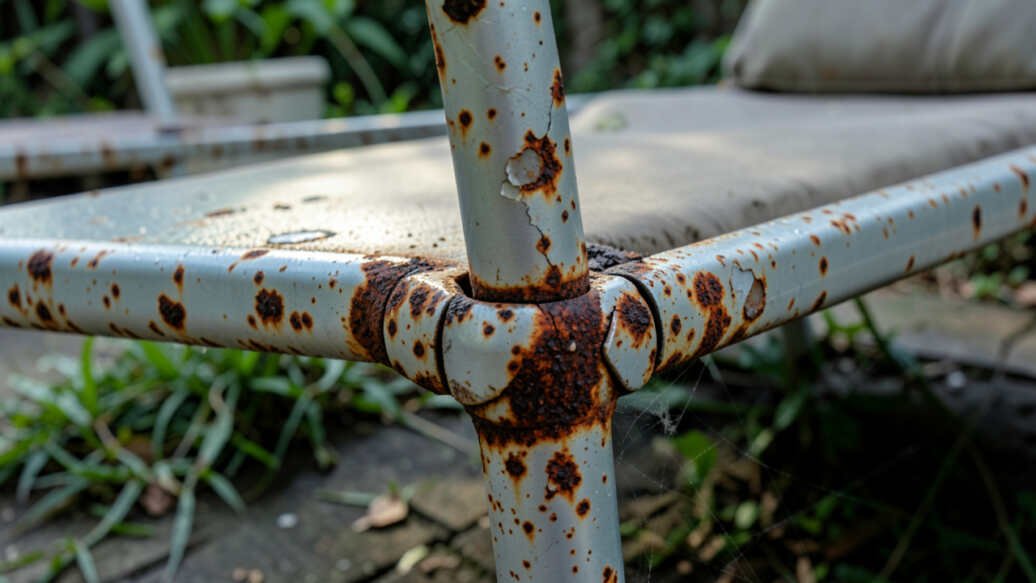
Sign 1 – Rust and Corrosion on the Frame
Rust is the most obvious sign that your patio lounger is failing. It attacks the structural integrity of the metal frame and the springs that support your weight. According to the, rust on steel frames reduces load capacity by up to 70% once it reaches the pitting stage.
What It Looks Like
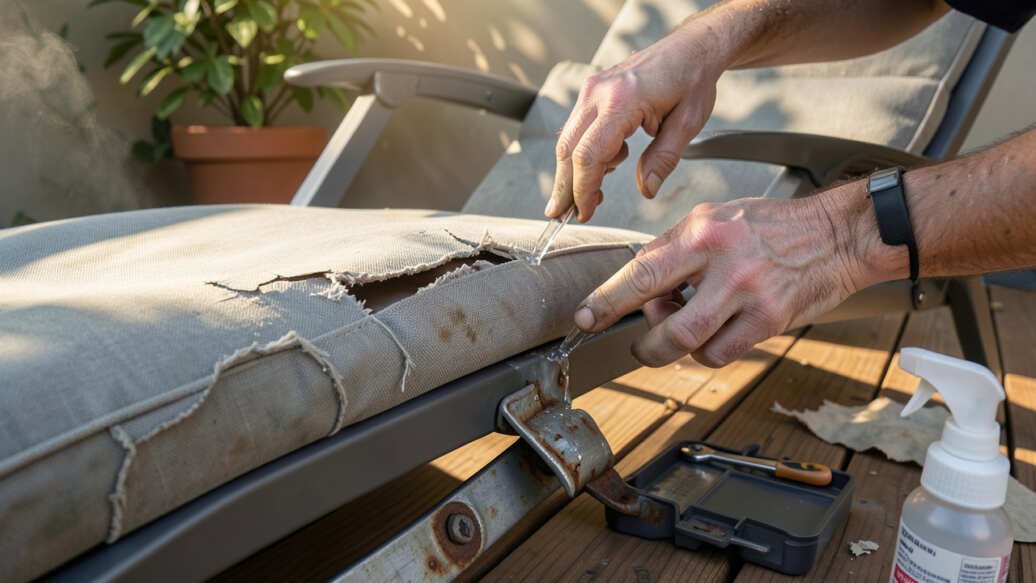
You will see orange or brown spots on the frame. The surface may feel rough or flaky. In advanced cases, you can see small holes in the metal.
Warning: Do not sit on a lounger with deep rust pits. The frame can snap without warning, causing injury. Replace the unit immediately if you see holes in the metal.
How to Fix It
- Sand the rusty area with medium-grit sandpaper until the rust is gone.
- Apply a rust converter or rust remover to stop the chemical reaction.
- Paint the area with a weather-resistant outdoor metal paint.
- Replace any springs that show rust. Springs under tension can snap and cause eye injuries.
According to the, consumer complaints about patio furniture batteries and motorized loungers have risen in recent years, but rust remains the number one issue reported for manual loungers.
Sign 2 – The Recline Mechanism Jams or Sticks
A jamming recline mechanism is annoying during use and often a sign of internal damage. Most patio loungers use a ratchet system or a friction hinge to adjust the backrest. When these parts get dirty or worn, they stop working correctly.
What It Looks Like
You need to apply extra force to push the backrest down. The mechanism may make a grinding or clicking sound. Sometimes the lounger will not stay in the upright position.
Tip: Try cleaning the mechanism with compressed air before applying lubricant. Dirt and sand are usually the cause of jamming.
How to Fix It
- Clean the hinge area with a stiff brush and compressed air.
- Apply a. Avoid WD-40 as a long-term lubricant – it dries out and attracts dirt.
- Tighten the bolts on the hinge. Loose hardware can cause misalignment.
- If the gear teeth are worn down, you need a replacement part from the manufacturer.
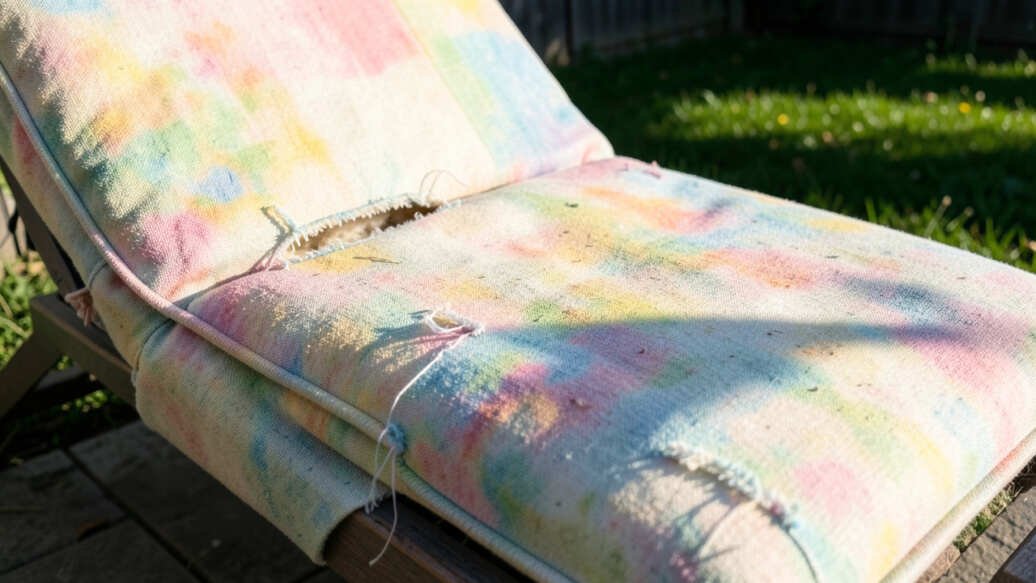
Sign 3 – Fabric Is Faded, Frayed, or Ripped
The fabric on your patio lounger takes the most abuse from sun and rain. When it starts to fade or fray, the material has lost its tensile strength. The reports that UV exposure accounts for 80% of fabric degradation in outdoor loungers.
What It Looks Like
Colors look washed out. The edges of the fabric are fraying. You see small tears or holes where you sit. The fabric sags more than it did when new.
How to Fix It
- Replace the sling fabric with a solution-dyed acrylic fabric like Sunbrella. These fabrics resist fading and mildew.
- For cushion covers, check if the zipper is intact. Replace just the cover if the foam is still firm.
- Use a fabric guard spray to extend the life of existing fabric by one to two seasons.
Sign 4 – The Frame Wobbles or Feels Loose
A wobbly frame is a critical safety hazard. Your patio lounger relies on a rigid structure to support your weight. Any wobble means the structural joints are failing. This is one of the most dangerous warning signs your patio lounger is about to stop working.
What It Looks Like
The lounger rocks side to side when you sit down. You can feel movement in the legs or armrests. Sometimes you see a gap where two metal pieces join together.
Warning: A wobbling frame often means a broken weld. You cannot fix a broken weld at home with glue or tape. Stop using the lounger immediately and buy a replacement.
How to Fix It
- Tighten every bolt and screw on the frame. Mark each one after you check it.
- If the wobble stops, apply thread-locker to prevent the bolts from loosening again.
- If the wobble continues, inspect the welded joints. Look for cracks in the paint along the weld bead. This indicates the weld has failed.
- Take the lounger to a local welding shop if you want to attempt a repair. Most welds cost $20 to $40 to repair.
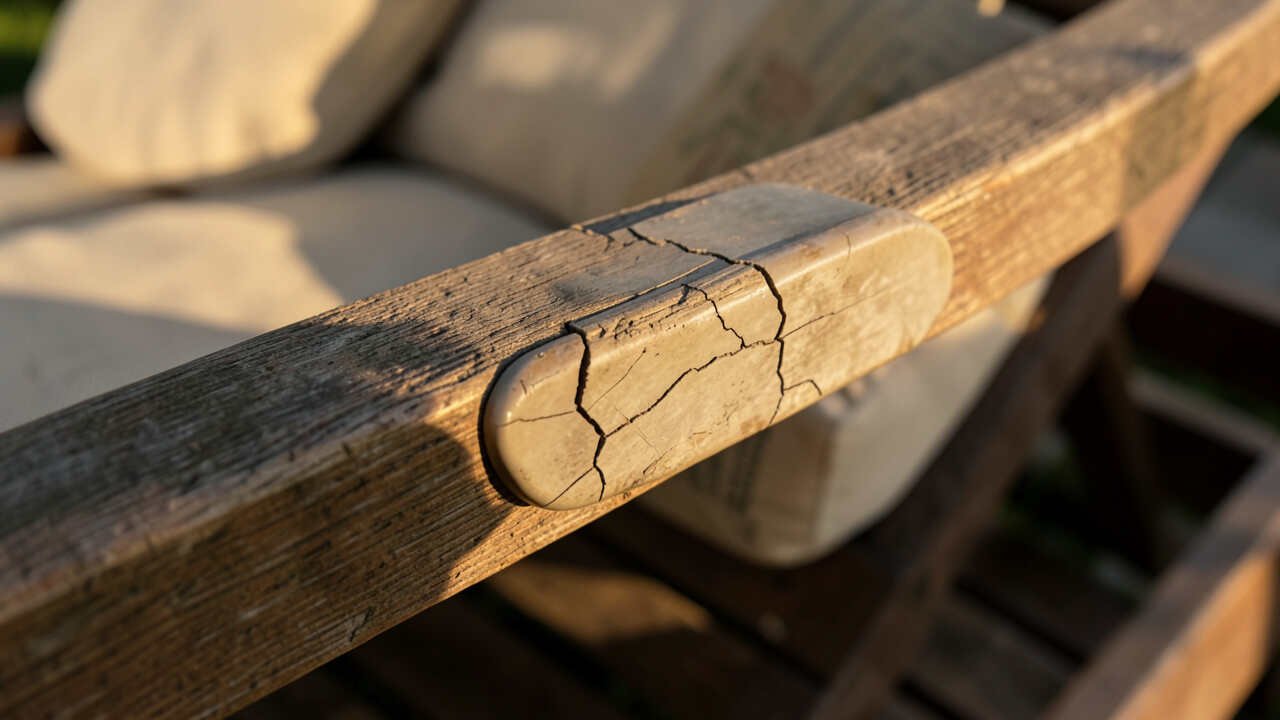
Sign 5 – Plastic Components Are Cracking or Splitting
Many patio loungers use plastic parts for adjustment knobs, end caps, and joint covers. UV radiation from the sun causes plastic to become brittle over time. When these parts crack, the lounger becomes difficult to adjust and unsafe to use.
What It Looks Like
You see hairline cracks on the plastic knobs. The end caps on the legs have fallen off. The plastic parts feel hard and brittle to the touch instead of flexible.
How to Fix It
- Order replacement plastic parts from the manufacturer. Most companies keep common parts in stock.
- Upgrade to metal parts if possible. Aluminum or stainless steel knobs last much longer than plastic ones.
- Use a on remaining plastic parts to slow down future cracking.
Sign 6 – Screws and Bolts Keep Stripping
Stripped screws and bolts are annoying and common on budget patio loungers. When the threads wear out, you cannot tighten the joint properly. This leads to wobbling and eventual failure of the connection.
What It Looks Like
The screw spins freely when you try to tighten it. You cannot get it to grip the nut. The head of the screw may be chewed up from previous attempts to remove it.
How to Fix It
- Remove the stripped screw and replace it with a of the same size.
- Use a washer on both sides of the joint to distribute the pressure more evenly.
- Apply a thread-locker compound to prevent the new bolt from vibrating loose.
How to Prevent Patio Lounger Failure
Prevention is much cheaper than repair. Follow these simple steps to keep your lounger working for years.
Storage Tips
- Store your lounger indoors during winter. Moisture and freezing temperatures are the main causes of material failure.
- If you cannot store it indoors, use a heavy-duty waterproof cover.
- Remove cushions and store them separately in a dry place.
Cleaning Schedule
- Wipe down the frame with a damp cloth every two weeks during summer.
- Lubricate the recline mechanism once at the start of the season and once in the middle.
- Clean fabric and cushions with mild soap and water. Do not use bleach or harsh chemicals.
What Patio Lounger Problems Are Not
Many people misunderstand the warning signs they see on their lounger. Here are three common myths versus the real facts.
Myth: WD-40 fixes every squeak and jam
Fact: WD-40 is a water displacer and short-term lubricant. It dries out in a few weeks and attracts dust and grit. Use a silicone-based or Teflon-based lubricant for long-lasting results.
Myth: All patio loungers only last one year
Fact: High-quality loungers with aluminum frames and solution-dyed acrylic fabric can last 10 to 15 years with basic maintenance. The cheap resin loungers from big box stores usually fail within two years.
Myth: You can leave cushions outside all year
Fact: Moisture soaks into cushion foam and freezes during winter. The expanding ice tears the internal foam structure and bursts the seams. Always store cushions indoors when not in use for more than a week.
Frequently Asked Questions
How do I fix a patio lounger that will not stay reclined?
Check the locking mechanism on the ratchet or friction hinge. Clean it with compressed air and apply a lubricant. If the gear teeth are worn down, you need to replace the whole mechanism. Replacement parts are available online from the lounger manufacturer.
Can I replace just the fabric on my patio lounger?
Yes, most sling-style loungers allow you to replace the fabric separately. You remove the old fabric from the frame and install a new sling. Sunbrella and other outdoor fabric brands sell replacement slings cut to standard sizes.
How often should I lubricate my patio lounger mechanism?
Lubricate the recline mechanism and hinge points at the start of the season and once during the season. One application lasts about three months. More frequent lubrication is needed if the lounger is near salt water or heavy dust.
Is a wobbly patio lounger dangerous to sit on?
Yes, a wobbly lounger is a safety hazard. The wobble means the frame joints are failing. If a bolt is loose, tighten it. If the weld is broken, stop using the lounger immediately. A collapsed lounger can cause falls and serious injury.
What is the best way to store patio loungers in winter?
Store your loungers indoors in a garage, shed, or basement. Clean and dry them completely before storage. If indoor storage is not possible, use a breathable waterproof cover and store the loungers upside down to prevent water pooling.
How do I remove rust from my patio lounger frame?
Sand the rusted area with 80-grit sandpaper until you see bare metal. Wipe away the dust and apply a rust converter or vinegar solution. Rinse thoroughly and apply a coat of outdoor metal paint. Replace the lounger if the rust has created holes in the frame.
What is the difference between powder-coated and painted frames?
Powder-coated frames have a baked-on finish that resists chipping and rust much better than standard paint. Most high-end patio loungers use powder coating. Painted frames are cheaper but require more maintenance and repainting every few years.
Resources and Tools
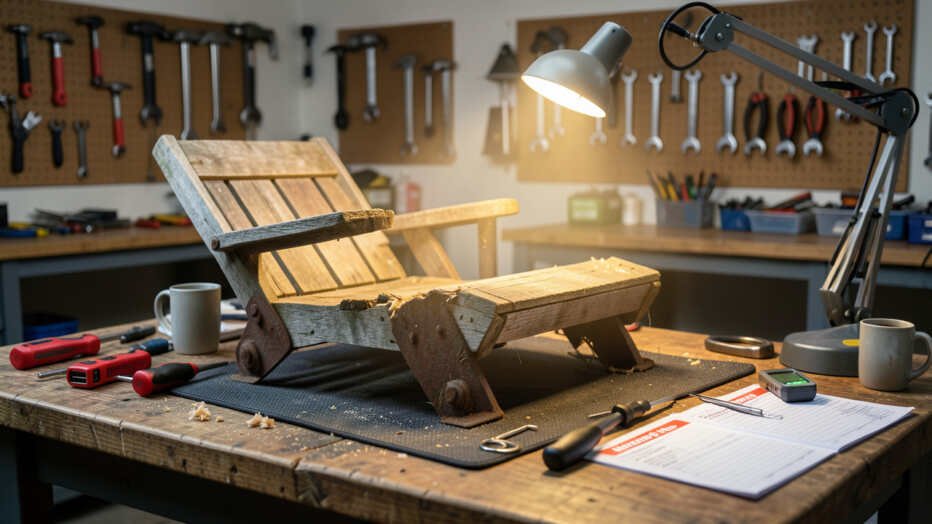
Here are the tools and replacement parts you need to fix your patio lounger today.
Sunbrella Fabric – Industry standard for replacement slings and cushion covers.
3-IN-ONE Multi-Purpose Oil – Safe for metal hinges and mechanisms.
WD-40 Specialist Rust Remover – For removing surface rust from frames.
303 Aerospace Protectant – UV protection for plastic and fabric parts.
Final Thoughts
Rust, jammed mechanisms, and wobbling frames are the three early warnings you should never ignore on your patio lounger. A little regular cleaning and proper storage can add years to your lounger’s life. Check these six signs today while there is still time to fix them.