Yes, a zero-gravity chair can work on an apartment balcony if you have at least three feet of clearance behind it when fully reclined and adequate weather protection. It delivers excellent back support and a compact footprint, making it a strong choice for those with back pain in limited spaces. Without proper covers or storage, however, weather exposure will quickly degrade the chair, so careful measurement and maintenance are essential.
Balcony space is precious in any apartment. You want furniture that fits the area, supports your body, and stands up to the weather.
This guide compares the real benefits of a zero-gravity chair on an apartment balcony against the practical drawbacks so you can make an informed choice.
Quick Verdict: A zero-gravity chair can work well on an apartment balcony if you have at least 3 feet of clearance behind the chair and enough weather protection. It offers excellent back support and a compact footprint. However, its reclining mechanism requires space that small balconies often lack. Measure your balcony carefully before you buy.
Key Takeaways
- A zero-gravity chair requires at least 3 feet of clearance behind it when fully reclined, which many apartment balconies do not have.
- The chair distributes body weight evenly and reduces pressure on the spine, making it a top choice for people with back pain.
- Weather exposure is the biggest risk for balcony furniture, and zero-gravity chairs need covers or storage to last more than one season.
- Most zero-gravity chairs fold flat for storage, which makes them practical for small apartments with limited closet space during off-season months.
- Standard zero-gravity chairs weigh 25 to 40 pounds, which is light enough to move in and out but heavy enough to feel sturdy during use.
What Is a Zero-Gravity Chair and How Does It Work
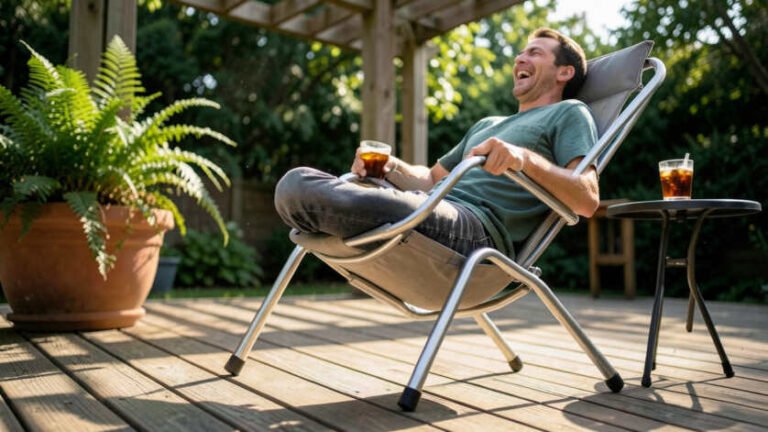
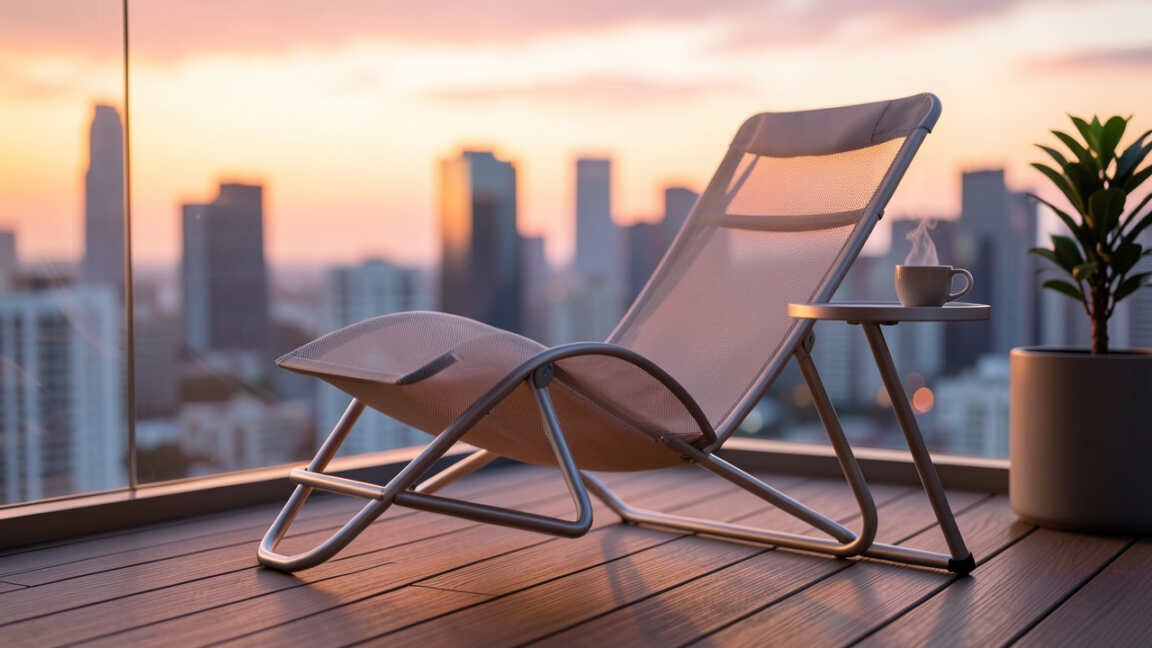
A zero-gravity chair positions your body so your legs are elevated above your heart. This position mimics the posture astronauts experience during liftoff. It reduces spinal compression and improves circulation.
The chair uses a locking recline mechanism that lets you adjust the angle. You lean back until you find a comfortable position, and the chair locks into place. Most models have a separate ottoman or a continuous frame that supports your legs.
The technology was originally developed by to manage the physical stress of space travel. The zero-gravity position helps distribute gravitational forces evenly across the body. It removes pressure points from the lower back, hips, and shoulders.
Tip: Try the zero-gravity position in a recliner at a furniture store before you buy a balcony model. Body proportions vary, and the ideal angle differs from person to person.
Benefits of Using a Zero-Gravity Chair on a Balcony
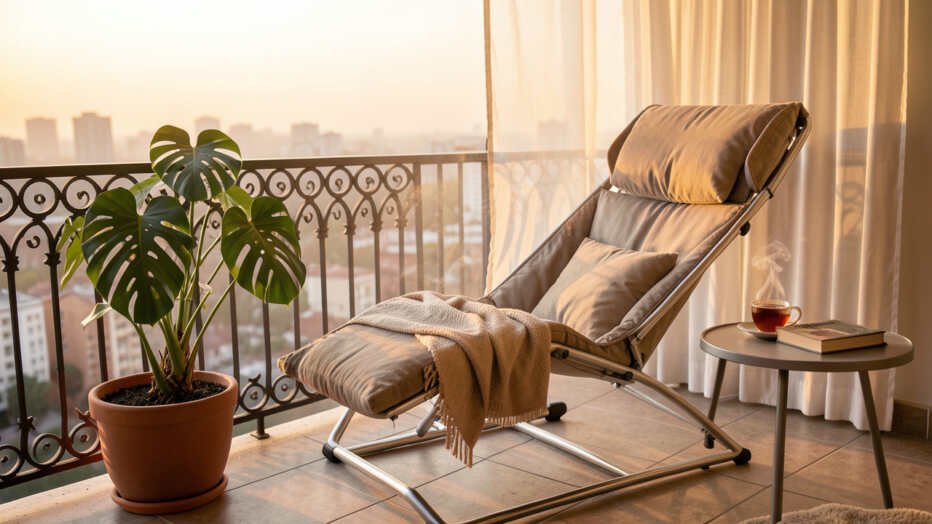
A zero-gravity chair offers several benefits that match apartment living needs. Here are the main advantages.
Space Efficiency
Most zero-gravity chairs have a footprint of roughly 25 by 30 inches when upright. That is smaller than a standard lounge chair. They fit on balconies that are 4 feet wide or more.
Health and Comfort
The zero-gravity position relieves lower back tension. According to the, prolonged sitting in a reclined posture reduces intradiscal pressure in the spine by up to 35 percent compared to upright sitting. This makes the chair a good option for people who work desk jobs and want to decompress outside.
Portability
Many models fold to about 6 inches thick. You can store them under a bed, behind a door, or in a hallway closet during winter. You do not need a storage unit or a large shed.
Durability Options
Manufacturers make zero-gravity chairs from steel, aluminum, and rust-resistant materials. Look for models with powder-coated frames and UV-resistant fabric. These withstand sun and light rain better than standard outdoor chairs.
Challenges You Need to Consider
Zero-gravity chairs have limits that can make them a poor fit for some apartment balconies. Here are the most common problems.
Space Requirements When Reclined
A zero-gravity chair needs about 6 to 7 feet of horizontal clearance when fully reclined. Most apartment balconies are 4 to 6 feet deep. If your balcony is less than 6 feet deep, the chair will likely hit the railing or the wall before it reaches the full recline.
Weather Exposure
Outdoor furniture faces sun, rain, wind, and temperature swings. According to, outdoor furniture exposed to full sunlight can experience fabric fading and frame corrosion within 12 months. Balconies with no roof or awning accelerate this wear.
Noise and Neighbors
The reclining mechanism can squeak over time. On a quiet balcony, the noise may disturb neighbors below or beside you. Some apartments have rules about furniture that makes noise during quiet hours.
Wind Hazard
Lightweight zero-gravity chairs can tip over in strong wind. A chair that weighs under 30 pounds can shift with a gust of 20 miles per hour. This can damage the chair, the balcony railing, or items below.
Warning: Do not leave a zero-gravity chair on a balcony during a storm. Even a covered balcony can experience wind tunnels that flip light furniture. Bring it inside or secure it with straps.
What You Need Before You Buy
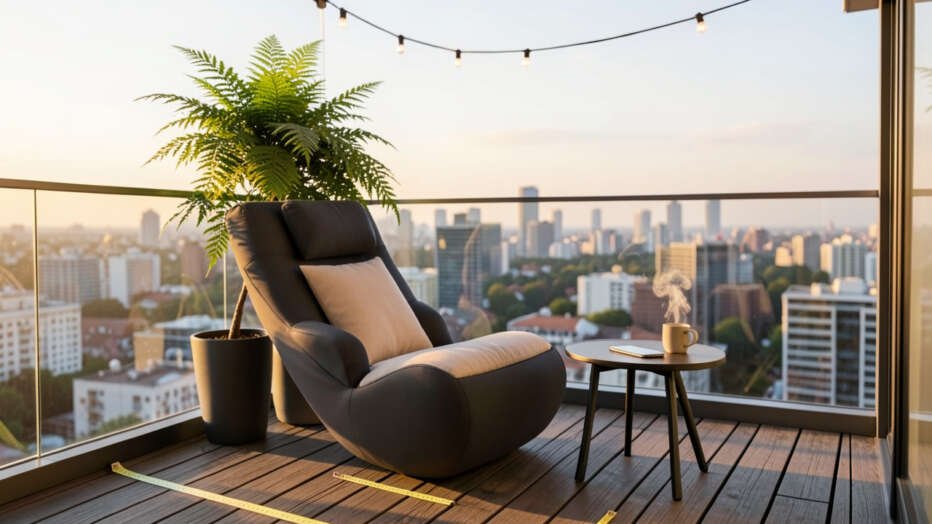
Before you purchase a zero-gravity chair for your balcony, measure and check these factors.
- Balcony depth: Measure from the wall to the railing. Subtract 12 inches for the chair base depth. You need at least 72 inches of total depth for full recline or 48 inches for partial recline.
- Width clearance: Measure the clear width between walls or planters. Most chairs need 28 to 36 inches of width.
- Weather protection: Check if your balcony has a roof, awning, or overhang. If not, you will need a waterproof cover.
- Weight limit: Check the maximum user weight. Most standard models support 250 to 300 pounds. Heavy-duty models support up to 400 pounds.
- Assembly tools: Most zero-gravity chairs arrive partly assembled. You typically need a Phillips head screwdriver and an Allen wrench. Many include the tools.
Step-by-Step: Setting Up Your Chair
Setting up a zero-gravity chair on your balcony takes about 30 minutes. Follow these steps.
- Unfold the frame. Remove the chair from the box and unfold the main frame on a flat surface. Do this inside your apartment, not on the balcony, to avoid losing small parts.
- Attach the footrest. Align the footrest bracket with the frame pins. Press down until you hear a click. Use the provided Allen wrench to tighten the bolts.
- Lock the recline mechanism. Pull the recline lever and test the movement. The chair should lock into at least three positions. If it sticks, apply a small amount of silicone lubricant to the joints.
- Place on the balcony. Carry the folded chair to the balcony. Place it at least 6 inches away from the railing. This prevents the chair from scraping the paint or pushing the railing outward.
- Test the recline clearance. Recline the chair to its maximum angle. Ensure no part of the chair touches the wall, railing, or nearby furniture. If it touches, move the chair forward or choose a partial recline position.
Important: Most apartment leases prohibit attaching furniture to balcony railings. Do not tie the chair to the railing. Instead, use furniture weights or sandbags on the chair base to keep it stable.
Costs and Timeline
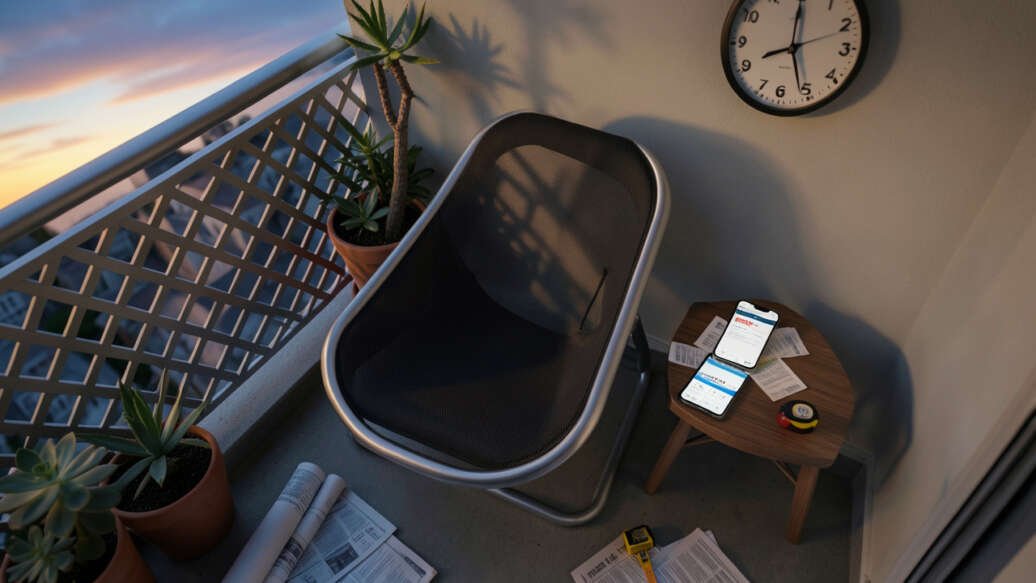
The price of a zero-gravity chair varies by material, brand, and features. Here is a breakdown of typical costs.
| Feature | Budget ($40-$90) | Mid-Range ($90-$180) | Premium ($180-$350) |
|---|---|---|---|
| Frame Material | Steel tube | Powder-coated steel | Aluminum alloy |
| Fabric Type | Polyester mesh | Textilene mesh | UV-resistant textilene |
| Weather Rating | Low (use under cover) | Medium (partial sun) | High (full sun tolerant) |
| Weight Capacity | 250 lbs | 300 lbs | 400 lbs |
| Lifespan Outdoors | 6-12 months | 1-3 years | 3-5 years |
Shipping takes 3 to 10 business days for most online orders. Assembly takes 15 to 30 minutes. You should also budget for a waterproof cover, which costs between $15 and $40.
Alternatives to a Zero-Gravity Chair for Small Balconies
If your balcony cannot accommodate a zero-gravity chair, consider these alternatives.
- Folding lounge chair: These chairs recline partially and fold to about 4 inches thick. They need less than 5 feet of clearance. They cost between $50 and $120.
- Hanging chair or hammock: A hanging chair uses vertical space instead of floor depth. It requires a sturdy ceiling mount or a freestanding frame. It provides a similar weightless feeling.
- Rocking chair with ottoman: A compact rocking chair combined with a small ottoman offers comfort without the full recline. It works well on balconies that are at least 4 feet deep.
- Floor cushion with back support: For the smallest balconies, a thick floor cushion with a backrest can provide comfort without taking up much floor space. It costs under $100.
Tip: If you have a balcony that is exactly 5 feet deep, look for a compact zero-gravity chair with a shorter frame. Some manufacturers sell “apartment size” models that require only 60 inches of clearance when reclined.
Common Myths vs Facts
Many people hold misconceptions about zero-gravity chairs on apartment balconies. Here are the facts.
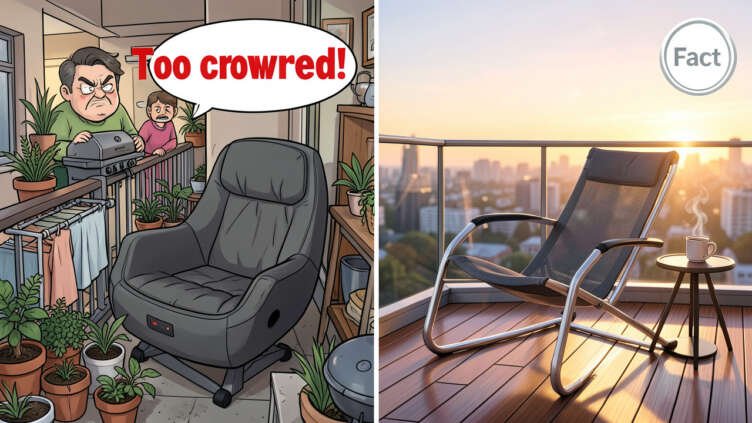
Myth 1: Zero-gravity chairs are only for large yards
Many zero-gravity chairs are compact enough for small spaces. The footprint when upright is similar to a standard dining chair. The trick is measuring the recline clearance, not the upright footprint.
Myth 2: They are not weather resistant
Premium zero-gravity chairs use rust-resistant aluminum frames and UV-blocking textilene mesh. A quality model with a cover can last 3 to 5 years outdoors in moderate climates. Budget models need more protection.
Myth 3: They are unsafe on balconies
Zero-gravity chairs are stable when used correctly. The wide base and low center of gravity make them less likely to tip than standard folding chairs. Always follow the weight capacity and use the chair on a level surface.
Pro Tips for Balcony Zero-Gravity Chair Owners
Follow these tips to get the most out of your chair and keep it in good condition.
- Apply a thin coat of silicone spray to the recline mechanism every 30 days to prevent squeaking and rust formation.
- Store the chair inside during winter months. Most models fold flat and fit behind a door or under a bed with no tools needed.
- Use a fitted waterproof cover every time you leave the chair outside. Even a single rain shower can soak the fabric and promote mold growth.
- Place a small outdoor rug under the chair. This protects the balcony floor from scratches and gives the chair a stable base on uneven surfaces.
- Check the locking lever before each use. The lever can loosen over time and may fail to hold the recline position if not tightened.
Resources and Tools
The following resources can help you choose and maintain a zero-gravity chair for your balcony.
- Crate & Barrel Outdoor Guide – Information on measuring balcony space for furniture.
- NASA Ergonomics Research – Original research on zero-gravity positioning for spinal health.
- American Home Shield Furniture Care – Tips for extending the life of outdoor furniture.
- Apartment Therapy Small Spaces – Guides for furnishing small balconies and apartments.
Frequently Asked Questions
Can a zero-gravity chair fit on a standard apartment balcony?
A standard zero-gravity chair can fit on a balcony that is at least 4 feet wide and 6 feet deep if you want full recline. On a smaller balcony, you can use the chair in an upright position and skip the full recline.
Is a zero-gravity chair better than a standard recliner for a balcony?
Zero-gravity chairs are lighter, fold flatter, and resist weather better than upholstered recliners. They cost less and take up less space. Standard recliners offer more cushioning but are not designed for outdoor use.
How do I prevent my zero-gravity chair from rusting?
Choose a chair with a powder-coated or aluminum frame. Apply a clear rust inhibitor spray every six months. Store the chair inside during wet seasons. Wipe the frame dry after any rain exposure.
Are zero-gravity chairs allowed in apartment leases?
Most leases allow freestanding furniture on balconies. Some leases prohibit chairs that block emergency access paths or hang over the railing. Check your lease rules about balcony furniture placement and storage requirements.
How long does a zero-gravity chair last on a balcony?
With a cover and seasonal storage, a mid-range zero-gravity chair lasts 2 to 3 years on a covered balcony. A premium chair with a powder-coated aluminum frame can last 3 to 5 years. Budget chairs on uncovered balconies may only last one season.
Final Thoughts
A zero-gravity chair fits apartment life when you measure carefully and protect it from the elements. The chair gives you back support, a compact footprint, and a relaxing spot to enjoy your balcony. If your balcony is at least 4 feet deep and you can cover the chair, it is a smart purchase. If space is tighter or weather is harsh, the alternatives listed above will serve you better.