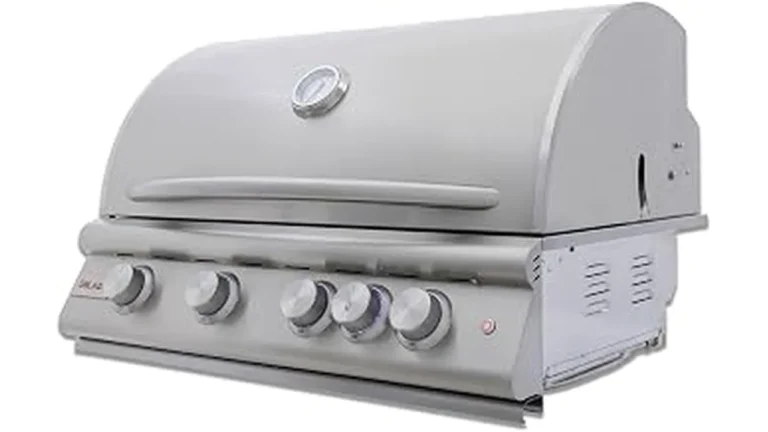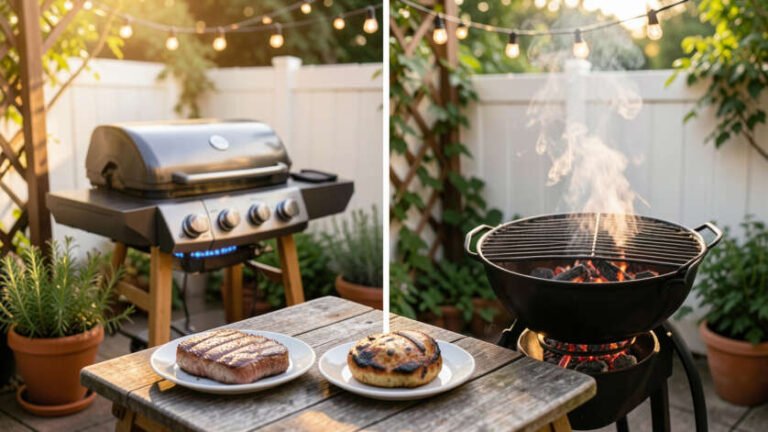
Beginners are rarely told that the purchase price of a gas grill covers only about 60 percent of their first-year costs, with assembly taking three to six hours and requiring tools like a socket set and a second person. A higher BTU rating does not guarantee better performance because burner design and heat distribution matter more than total energy output. Many first-time buyers also discover that preheating for 30 minutes is unnecessary, that price does not always reflect durability, and that gas grills can produce a smoky flavor with the right techniques.
Buying your first gas grill feels straightforward, but most beginners miss the hidden costs and maintenance that come after the purchase. This guide reveals what grilling manufacturers and experienced owners rarely mention upfront.
Quick Verdict: Simply put, a gas grill requires more assembly, cleaning, and component replacement than most beginners expect. The purchase price represents only about 60 percent of your total first-year cost when you factor in tools, a propane tank, a cover, and quality cleaning brushes. Focus on build quality and burner design, not just the total BTU rating.
Key Takeaways for First-Time Gas Grill Buyers
- Higher BTU ratings do not automatically mean better grilling performance; burner design and heat distribution matter more than total energy output.
- Assembly can take three to six hours and requires specific tools that may not come in the box, including a socket set and a second person for lifting.
- Propane tanks cost extra upfront and require a refill or exchange system that adds between 60 and 120 dollars in ongoing yearly expense.
- Cast iron cooking grates offer superior heat retention but demand immediate cleaning and oiling after every single use to prevent rust.
- Covering your gas grill when not in use can double the lifespan of burners and ignition systems by protecting them from moisture and debris.
Why BTU Ratings Can Be Misleading
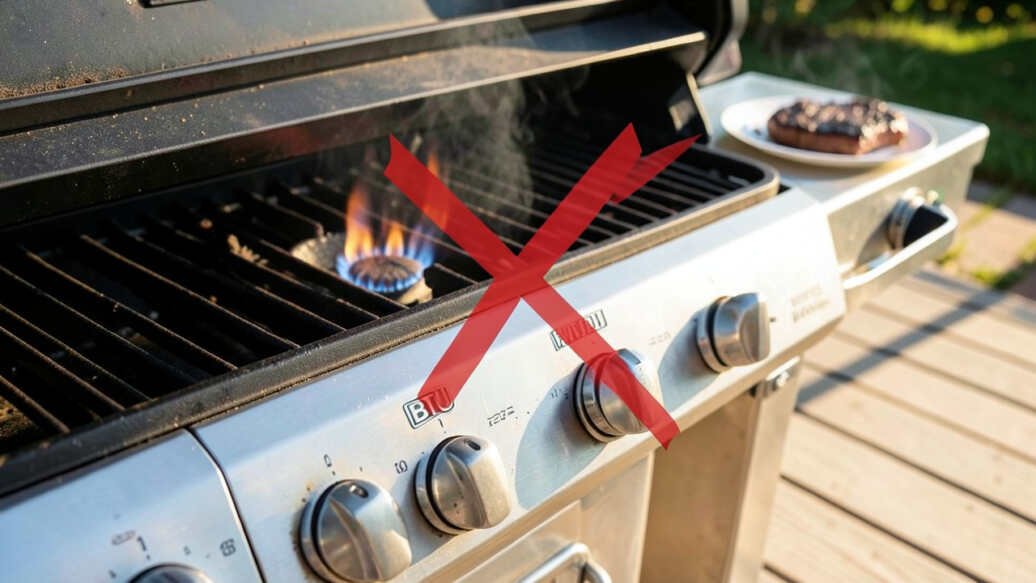
Beginners often assume a higher British Thermal Unit (BTU) rating means faster heating and better cooking performance. In reality, BTUs measure total energy output, not cooking efficiency or heat distribution across the grates.
According to, a grill’s performance depends on burner design, the material of the heat tents, and how evenly the heat distributes across the cooking surface. A well-designed three-burner grill with 12,000 BTUs per burner can outperform a cheaper model with 15,000 BTUs per burner. Stainless steel burners with angled heat tents produce more even cooking than straight tubes with flat metal plates.
Important: Focus on the number of primary burners and the grate material, not the total BTU count. A standard three-burner grill with 30,000 to 40,000 total BTUs is sufficient for most households that cook for four to six people.
The Real Cost of a Gas Grill in the First Year
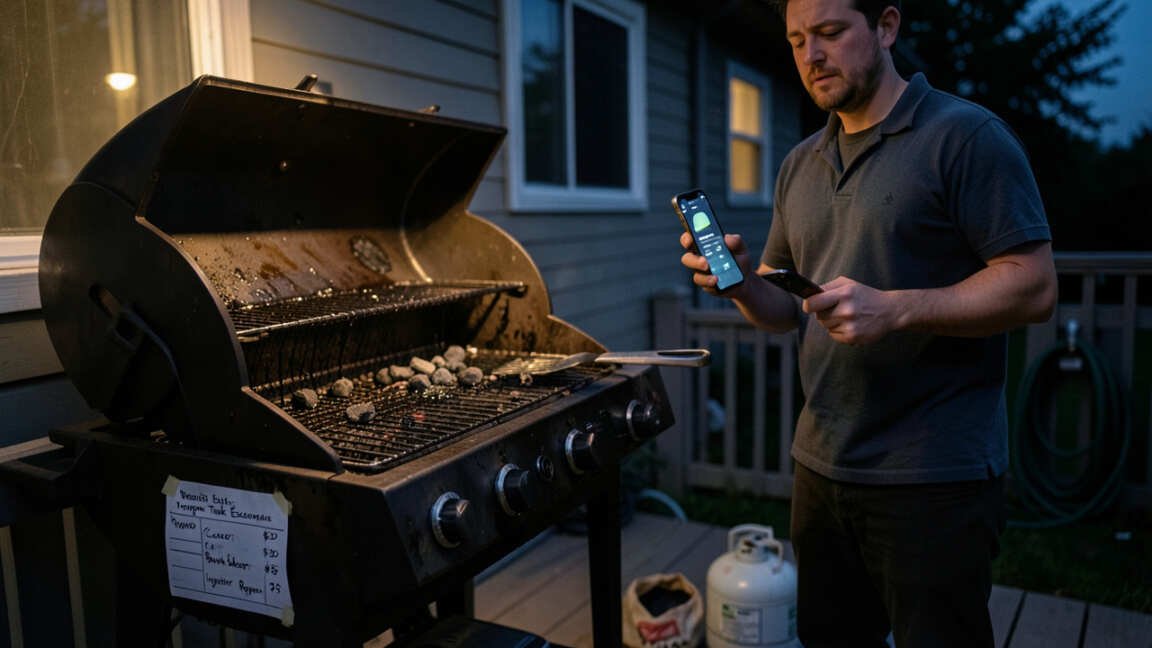
Most beginners only look at the sticker price on the store shelf. The actual cost of owning a gas grill in the first year includes several hidden expenses that can double your initial budget.
| Expense Category | Average Cost | Notes |
|---|---|---|
| Grill Purchase | $300 – $800 | Entry-level to mid-range 3-4 burner model |
| Propane Tank | $50 – $70 | Empty tank purchase plus first propane fill |
| Grill Cover | $30 – $60 | Heavy-duty waterproof cover for weather protection |
| Tools and Accessories | $40 – $80 | Wire brush, spatula, tongs, and an instant-read thermometer |
| Propane Refills for 6 Months | $60 – $120 | Cost depends on how frequently you grill each week |
| Total First-Year Cost | $480 – $1,130 | Sticker price represents only 50 to 60 percent of the total cost |
A survey by found that many first-time buyers underestimate these additional costs. The grill itself is just the starting point. Budgeting for the accessories and ongoing propane expenses upfront prevents sticker shock later.
What Does Assembly Really Entail
Many beginners expect to unbox a gas grill and start cooking within an hour. The reality is quite different. Gas grill assembly typically takes three to six hours and requires a second person for lifting and aligning heavy components.
- Lay out all parts and hardware on a flat surface. Count every bolt, washer, and screw against the assembly manual before starting.
- Assemble the cart or base frame first. Tighten bolts gradually in a cross pattern to keep the frame square and stable.
- Install the gas lines and burner system with extreme care. A kinked gas line restricts propane flow and causes uneven flames across the burners.
- Test for gas leaks with a soap and water solution before lighting the grill for the first time. Apply the solution to all connection points and look for bubbles.
- Season the cooking grates by applying a thin layer of high-heat cooking oil and running the gas grill on high for 20 minutes with the lid closed.
Warning: Do not overtighten bolts on the gas line fittings. Hand-tighten plus a quarter turn with a wrench is usually enough. Overtightening can strip the brass threads and cause dangerous gas leaks that are hard to detect.
Screws and bolts in lower-priced grills are often made of soft metal that strips easily. Using the wrong size screwdriver can round out the heads before you finish the frame. A socket set with both metric and standard sizes is a smart investment before you start assembly.
How to Maintain Your Gas Grill Properly
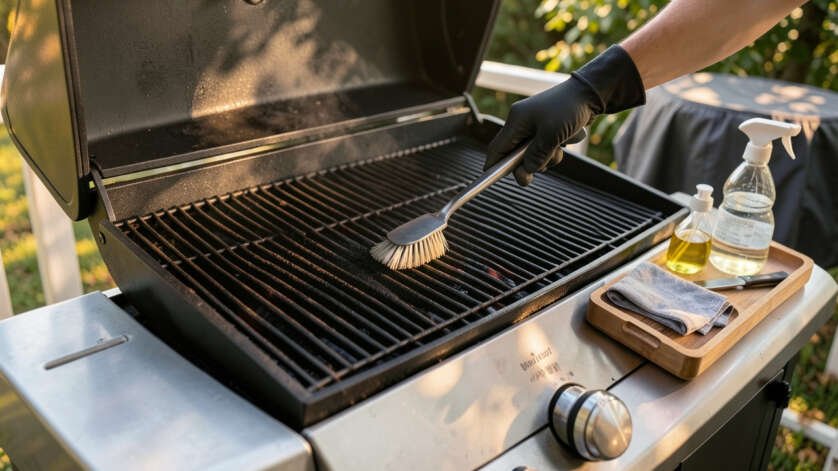
A gas grill requires consistent cleaning that goes beyond just scraping the grates. Grease buildup can cause sudden flare-ups and dangerous fires. According to the, an average of 10,600 home fires per year start with a grill, and the leading cause is a failure to clean the equipment.
Many beginners also overlook the importance of replacing basic components regularly. Burners, heat tents, and ignition modules wear out over time and directly affect cooking performance.
- Clean the cooking grates with a wire brush after every use while the grill is still warm to prevent food residue from baking on.
- Empty the grease tray after every two to three cooking sessions to prevent grease fires and reduce the attraction of pests.
- Check burner tubes for blockages from spider webs or insect nests at the start of each grilling season.
- Replace burners every two to three years, or sooner if you notice uneven flame patterns or rust-through holes.
- Store the gas grill under a waterproof cover at all times, even if it sits under a covered patio, to protect against moisture and UV damage.
Important: Porcelain-coated grates are easier to clean than bare cast iron but can chip over time. Stainless steel grates last the longest but do not hold heat as well. Choose grate material based on how much maintenance you are willing to do.
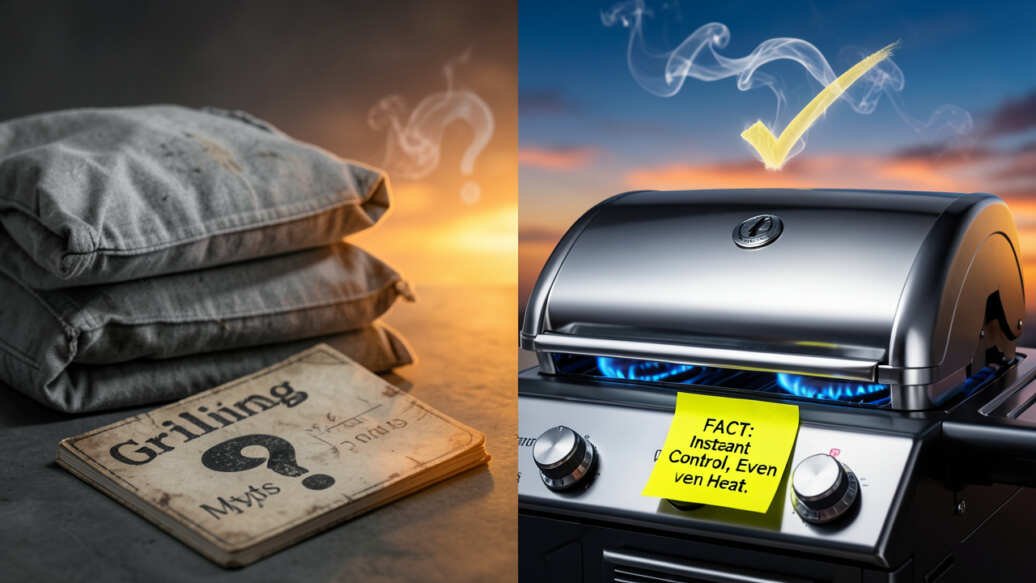
Common Myths vs Facts About Gas Grills
Beginners often hear conflicting advice about gas grills from friends, salespeople, and online forums. Here are the most common misconceptions and the truth behind them.
Myth: You should preheat your gas grill for 30 minutes before cooking.
Fact: Most gas grills reach their maximum cooking temperature within 10 to 15 minutes. Preheating for 30 minutes wastes propane and can damage the internal components like the ignition module. A good target is 10 minutes on high with the lid closed, then adjust the burners to your desired cooking temperature.
Myth: Higher price always means better quality and longer lifespan.
Fact: Price often reflects brand marketing, the number of side burners, and extra features like rotisserie kits. Mid-range grills from reputable brands such as Weber and Napoleon often use thicker steel and better materials than cheaper entry-level models without costing as much as luxury brands.
Myth: You cannot get smoky flavor from a gas grill.
Fact: Flavor comes from drippings hitting the heat source and creating smoke. Gas grills with angled heat tents or built-in smoker boxes can produce a similar smoky effect to charcoal grills. Adding wood chips wrapped in foil directly on the heat tents adds real wood smoke flavor.
How to Choose the Right Gas Grill for Your Needs
Choosing a gas grill involves matching the features to your cooking style and household size. Ask yourself these three questions before you make a purchase decision.
- How many people will you cook for on a regular basis? A two-burner grill is enough for two people. A family of four needs at least three burners to cook different foods at different temperatures.
- Do you want extra features like a side burner for sauces or a searing station for steaks? These features add cost but increase the versatility of your grill for different recipes.
- What is your available storage space? Larger grills with side tables offer more prep space but take up a bigger footprint on your deck or patio.
Tip: Visit a store where you can see the grill in person before buying. Open and close the lid to check the hinge quality. Wiggle the cart side to side to test stability. Flimsy steel frames will rust faster and lead to a wobbly cooking surface within a few years.
Look for models with removable grease trays and easy-access burner replacement. These features make routine maintenance simpler and extend the useful life of your gas grill. Stainless steel carts resist rust better than painted steel, especially in coastal areas with salty air.
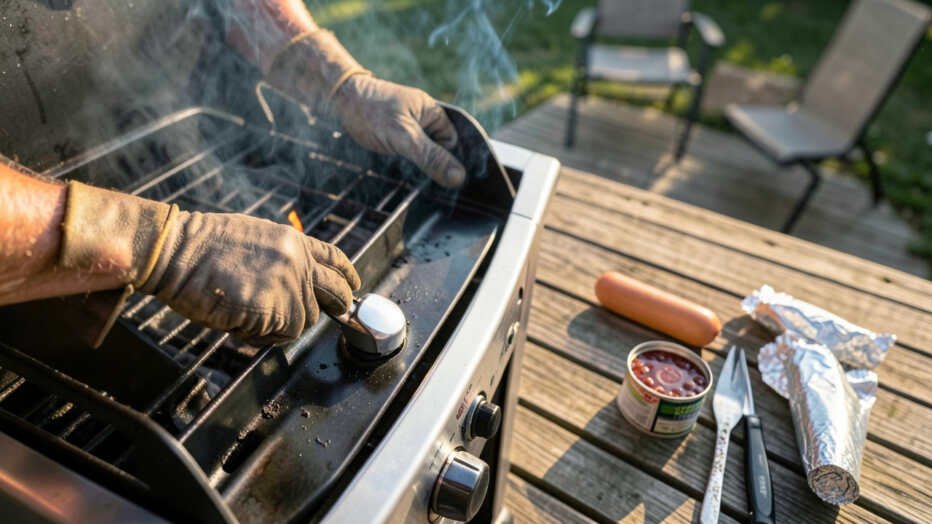
Pro Tips for First-Time Gas Grill Owners
These pro tips come from experienced grill owners and professional chefs who use gas grills daily. Each tip helps you improve your cooking results and extend the life of your equipment.
- Keep a spray bottle filled with plain water nearby to control flare-ups. A quick mist on the flames prevents burning without having to close the lid and steam the food.
- Use an instant-read thermometer to check the internal temperature of meat. The built-in thermometer on the lid measures the air temperature inside the grill, not the actual temperature of your food.
- Always turn on the gas at the tank before opening the grill lid. This prevents propane gas from pooling inside the enclosed cabinet, which can cause a sudden fireball when you ignite the burner.
- Replace the aluminum drip pan regularly. A clean grease tray is the cheapest and most effective safety upgrade you can make for your gas grill.
- Season your cast iron grates every time you clean them. Apply a thin layer of vegetable oil with a paper towel while the grates are still warm to create a durable non-stick surface.
- Keep a backup propane tank on hand. Running out of fuel halfway through cooking a large meal is a common beginner mistake that is easy to avoid.
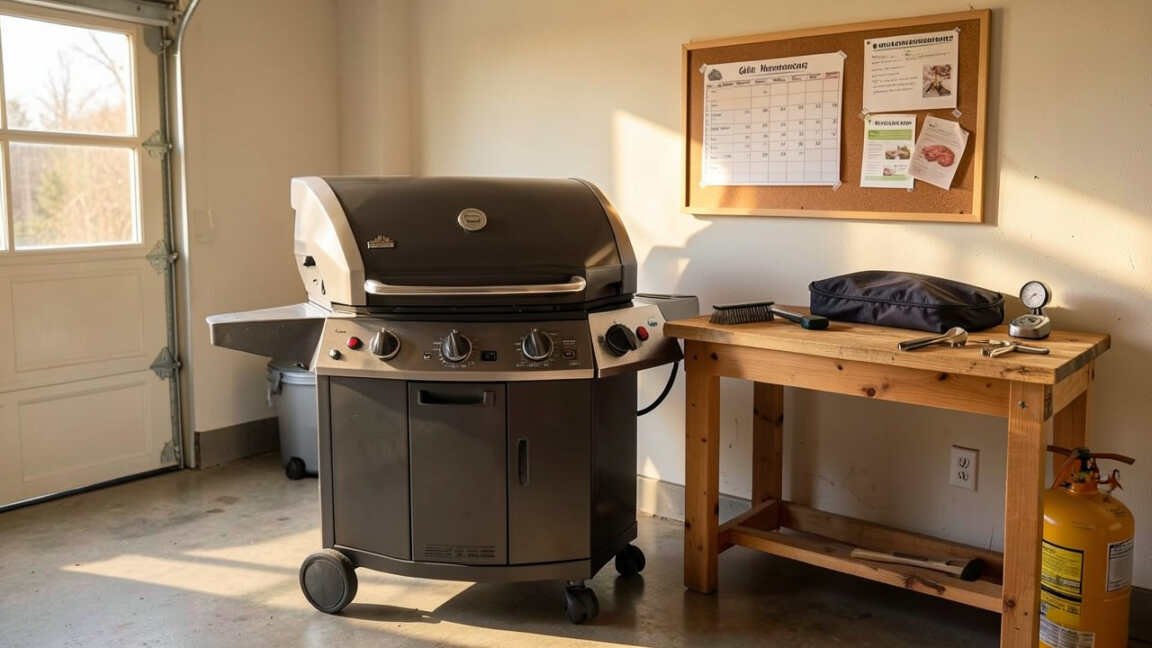
Resources and Tools for Gas Grill Owners
Having the right resources makes owning and maintaining a gas grill much easier. Below are trusted organizations and tools that every beginner should know about.
- Hearth, Patio and Barbecue Association (HPBA) – Industry data and safety tips for grill owners.
- National Fire Protection Association (NFPA) – Official statistics and safety guidelines for outdoor grilling.
- Consumer Reports Grill Guide – Independent reviews and reliability ratings for most major grill brands.
- AmazingRibs.com – Science-based guides on grilling techniques and equipment testing.
- Weber Grill Support – Official replacement parts, recipes, and assembly videos.
Frequently Asked Questions
How long does a gas grill typically last with regular use?
A well-maintained gas grill lasts between 5 and 15 years. Lower-end models with thin steel bodies tend to rust within a few years, while higher-end stainless steel models from brands like Weber or Napoleon can last much longer when stored properly under a cover.
Should I buy a propane grill or a natural gas grill as a beginner?
Propane grills are portable, easier to set up, and widely available at hardware stores. Natural gas grills require a professional gas line installation but eliminate the need to refill tanks. Choose propane if you rent your home or plan to move the grill around your patio.
What is the best material for cooking grates on a gas grill?
Cast iron grates retain heat extremely well and produce the best sear marks, but they require regular oiling to prevent rust. Stainless steel grates are easier to maintain but do not hold as much heat. Porcelain-coated grates offer a middle ground between performance and maintenance.
Do I really need to buy a grill cover?
Yes. A heavy-duty waterproof grill cover protects your investment from rain, snow, tree sap, and direct UV rays. According to the makers of Weber grills, using a cover can extend the life of your grill by 30 to 50 percent by preventing rust and component damage.
How do I know when it is time to replace my gas grill?
Replace your gas grill when the burner tubes rust through and replacement parts are no longer available for your model. Frequent flare-ups, uneven heating across the grates, and a wobbly or unstable cart frame are all signs that the grill needs replacing.
Final Thoughts
Buying a gas grill as a beginner involves more than just picking the shiniest model on the showroom floor. Assembly takes significant time, ongoing maintenance is non-negotiable for safety, and the total first-year cost includes several items beyond the grill itself. Focus on build quality, easy-access cleaning features, and a design that matches your cooking habits. Your first gas grill can serve you well for many years with the right preparation and care.