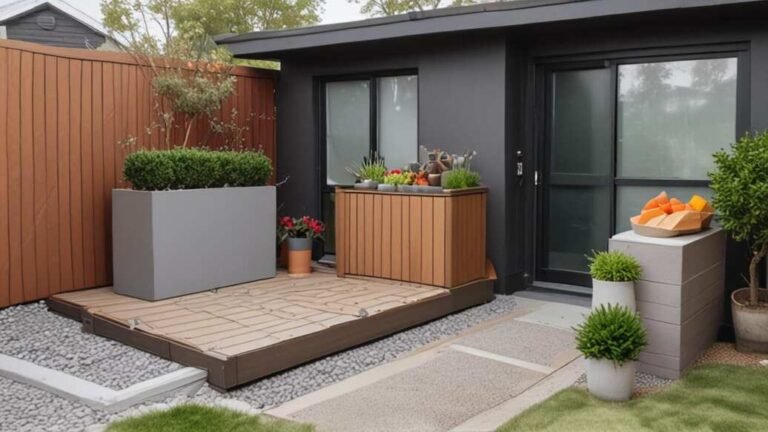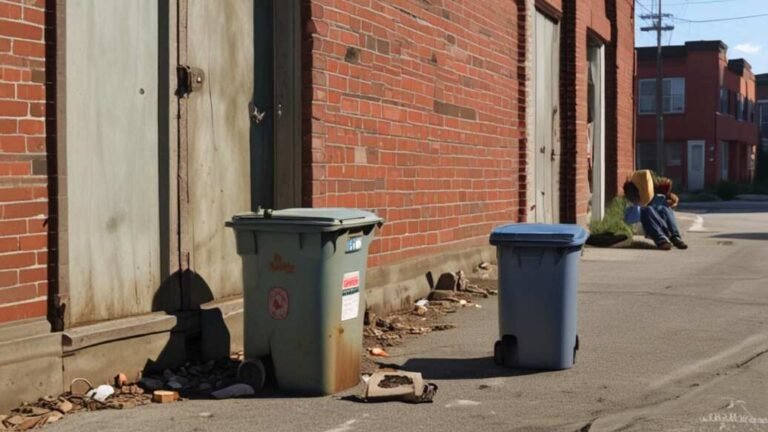
For most homeowners, installing garbage can storage in a backyard is a practical investment that reduces pest problems and hides unsightly bins, though it may be unnecessary if you have a garage or limited space. Proper storage units with ventilation prevent mold, odors, and animal intrusions, while also improving property appearance and protecting cans from weather damage. However, upfront costs, space requirements, and ongoing maintenance are important factors to consider before deciding.
A smelly, visible trash can attract pests and ruin your backyard experience. This guide helps you decide if buying a dedicated garbage can storage unit is a smart investment for your home.
Quick Verdict: Simply put, yes, you should put garbage can storage in your backyard if you want to reduce pest problems, hide unsightly bins, and keep animals away. Skip it only if you have a garage to store your cans or a very small yard with no available space. Most homeowners find it a worthwhile investment for appearance and convenience.
Key Takeaways
- Garbage can storage structures keep trash bins hidden and create a cleaner, more enjoyable backyard appearance.
- Proper ventilation is essential in any storage unit to prevent mold and strong odors from building up over time.
- Plastic and wood storage boxes have different maintenance needs and lifespans when exposed to weather elements.
- Storing trash cans correctly helps prevent pests like raccoons and rodents from scattering garbage around your property.
- Check your homeowners association rules before you build or buy a permanent garbage can enclosure for your home.
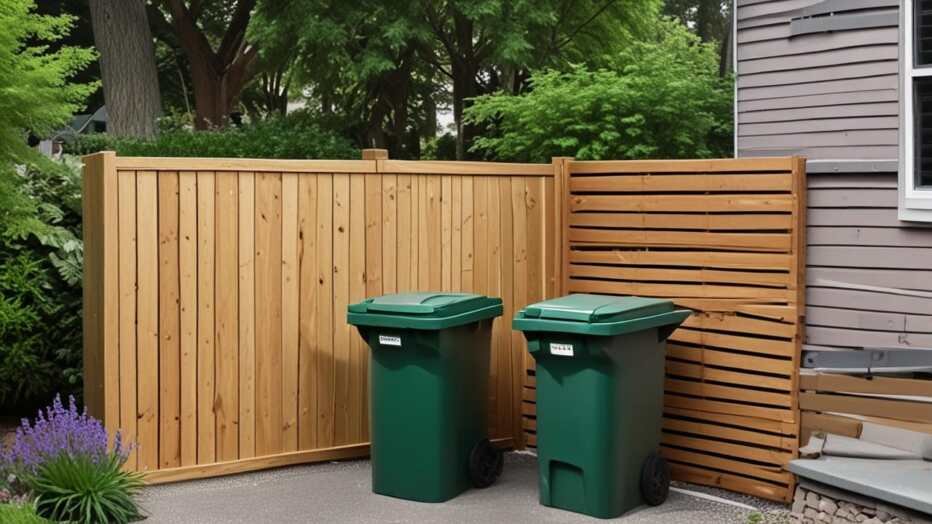
What Are the Benefits of Garbage Can Storage?
Many homeowners underestimate the impact of a simple trash can. An exposed bin can affect your whole property. Here are the main advantages of getting a dedicated storage solution.
Pest Control and Rodent Prevention
Raccoons and rodents are always looking for food sources. According to the, securing your garbage is one of the top recommendations for preventing wildlife infestations. A sealed storage unit adds a strong layer of protection.
Warning: A simple bungee cord on a lid does not stop a determined raccoon. A locking storage structure provides much better security.
Improved Curb Appeal and Property Value
Visible trash bins make a yard look messy. A storage unit hides them away. Studies from the show that simple landscaping improvements can increase a home’s value by 7% to 10%. A clean yard is part of that calculation.
Weather Protection for Your Bins
Sun exposure makes plastic bins brittle over time. Strong winds can knock them over and spread trash. A storage unit shields your bins from the elements, making them last much longer.
Odor Containment and Cleanliness
A closed storage box keeps smells contained during hot summer months. It also stops animals from ripping bags open in your yard. This makes your outdoor space much more pleasant.
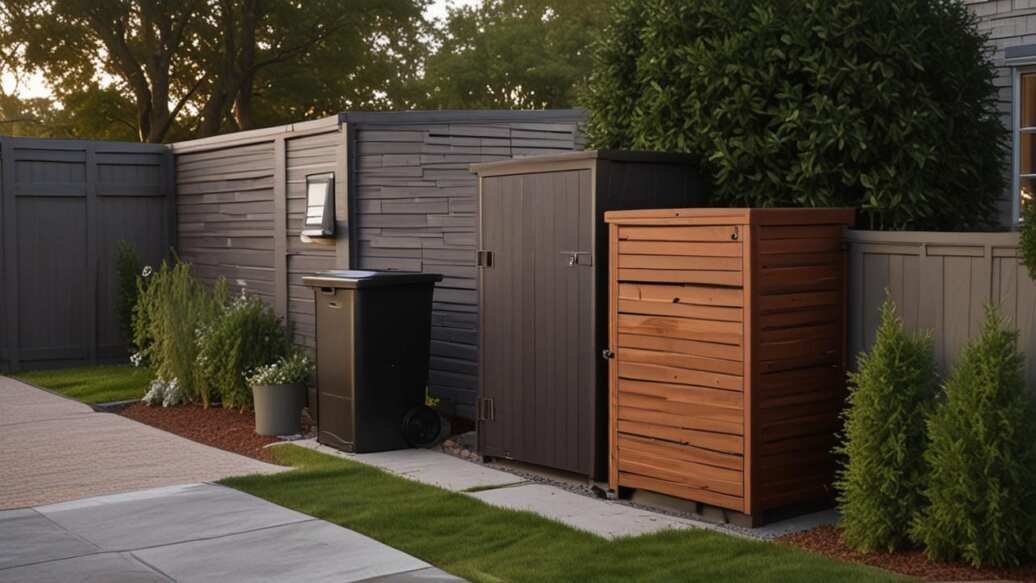
What Are the Downsides to Consider?
Deciding to buy garbage can storage is not always the right move. You should also consider the potential drawbacks.
Upfront Cost
A good quality storage unit costs money. Prices range from $50 for a basic plastic cover to over $500 for a large wooden or metal enclosure. This is a real expense.
Space Requirements
You need a flat area in your yard to place the unit. In very small backyards or on narrow side paths, a storage structure may not fit. Measure your space carefully before buying.
Ongoing Maintenance
Wood units need staining or painting every few years. Plastic units need occasional washing to prevent mold. All storage boxes require some level of upkeep.
Ventilation Issues
Some units trap heat and moisture inside. This can create a smelly environment for your bins. Always choose a unit with built-in vents or cut your own for airflow.
Quick Comparison Table: Storage vs No Storage
| Factor | With Storage Unit | Without Storage Unit |
|---|---|---|
| Pest Risk | Low (sealed unit with lock) | High (easy animal access) |
| Curb Appeal | High (bins hidden from view) | Low (bins clearly visible) |
| Upfront Cost | $50 to $500+ | $0 |
| Maintenance | Requires periodic cleaning | Less maintenance required |
| Yard Space Needed | Dedicated 3-5 foot area | Minimal space needed |
| Bin Lifespan | Extended (weather protection) | Shorter (UV and wind damage) |
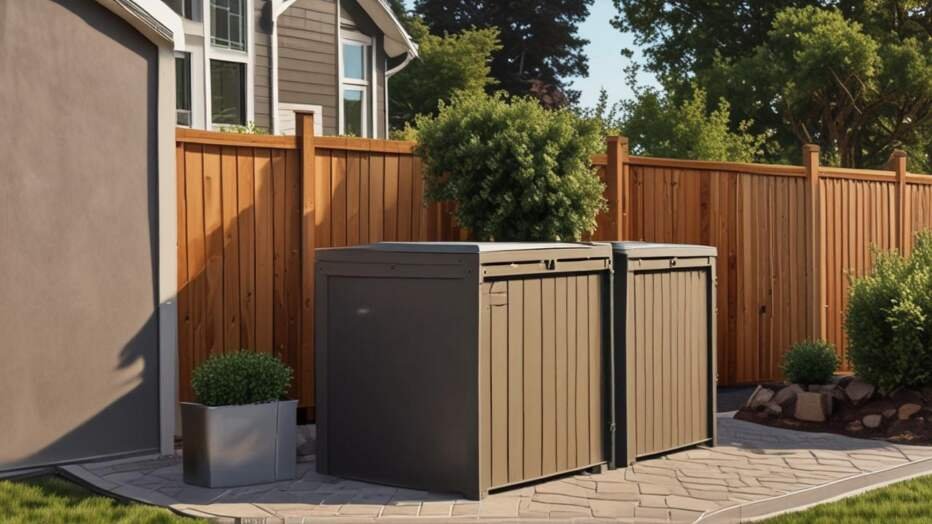
How to Choose the Right Garbage Can Storage Unit
Choosing the wrong type can lead to frustration. Follow these steps to select the best option for your property.
- Measure your bins. Standard single bins are about 24 inches wide. Larger wheeled carts can be 30 inches wide. Make sure the unit fits.
- Check your local HOA rules. Some neighborhoods restrict the type or color of outdoor storage structures. Verify this before you buy.
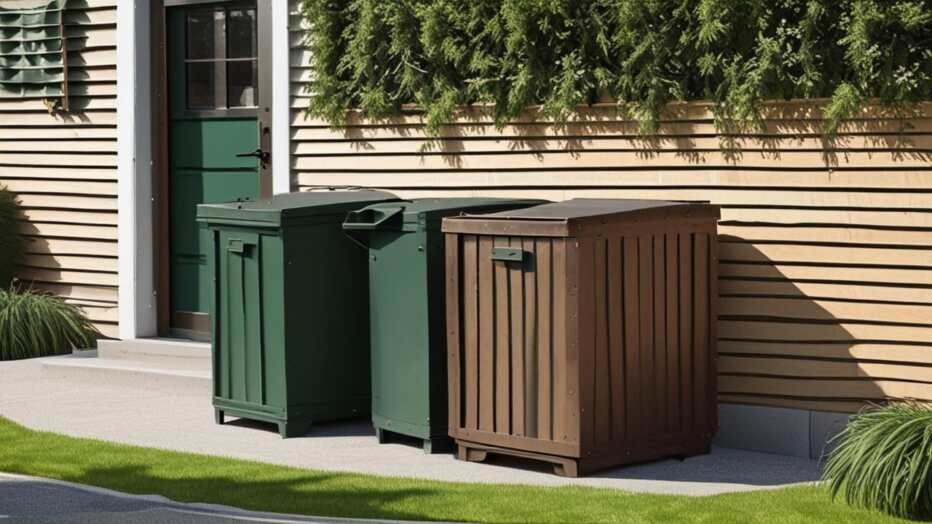
- Pick the right material. Wood looks great but needs maintenance. Plastic is cheap and light. Metal is very secure and strong against animals.
- Look for ventilation. Choose a unit with slats, gaps, or built-in vents to stop odors from building up inside.
- Decide on a lock. If raccoons are a big problem in your area, get a unit with a latch or lock for an animal-proof seal.
What Is the Best Type of Material?
Your choice of material affects the look, cost, and lifespan of your garbage can storage unit. Here is a breakdown of the common options.
Wooden Enclosures
Wooden units blend in well with fences and decks. They look great in a garden setting. However, they require regular staining or painting every 1-2 years. Untreated wood rots quickly from moisture and termites.
Plastic or Resin Sheds
Plastic is lightweight and cost-effective. It does not rot or rust. High-density polyethylene is a durable choice. The main downside is that plastic can become brittle in extreme cold and can fade in direct sun over time.
Metal Cages and Boxes
Galvanized steel is the strongest option against pests. Raccoons and bears cannot chew through metal. These units are heavy and durable. They do not need much maintenance but can rust if the coating scratches.
Hidden Tilt-Out Carts
These units are built into your deck or porch structure. They provide a seamless look. Installation is more complex, and you usually need a contractor to build them.
Important: The recommends sealed containers for waste storage to reduce contamination and prevent pest access. This applies to both household trash and recycling.
Common Myths vs Facts About Garbage Can Storage
There are many misconceptions about storing trash cans outside. Here are the most common ones.
- Myth: A garbage can storage unit always traps smells inside. Fact: Units with proper ventilation and slatted sides allow air to circulate freely, which reduces odor buildup significantly.
- Myth: You can just use a bungee cord to keep animals out. Fact: Raccoons have dexterous paws and can easily remove bungee cords from standard bin handles. A locking storage door is much more effective.
- Myth: Plastic storage boxes are all the same quality. Fact: Cheap plastic degrades fast in sunlight. High-quality resin or polyethylene models have UV stabilizers and last for many years outdoors.
How to Maintain Your Garbage Can Storage Unit
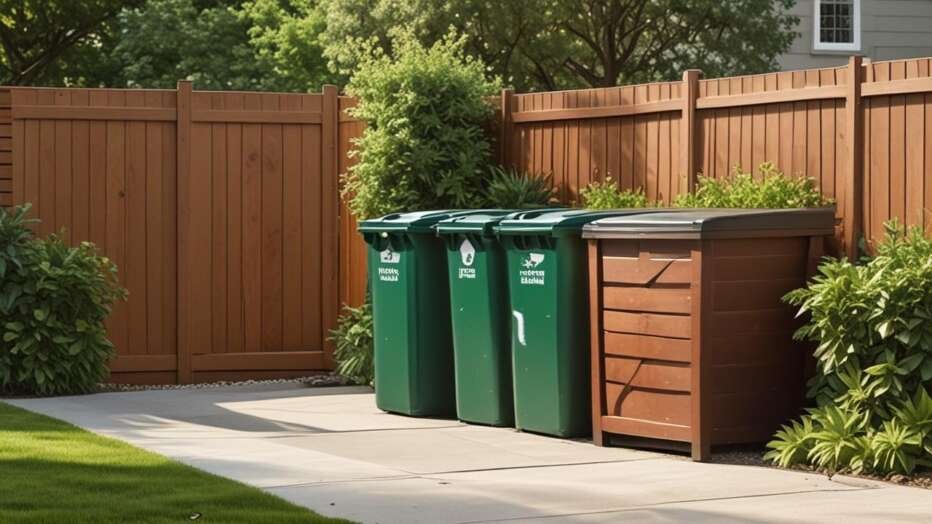
To get the most out of your investment, you need to take care of the unit. Here is a simple maintenance checklist.
- Hose it down. Wash the inside and outside of the unit monthly to remove debris and spilled liquids.
- Clean the bins themselves. A dirty bin left inside a clean box will still cause odors. Rinse your trash cans regularly.
- Check for rust or rot. For metal units, touch up any scratches with paint. For wood units, apply a new coat of sealant once a year.
- Ensure drainage. Make sure the bottom of the unit has drainage holes or is raised off the ground to prevent water pooling.
When Should You Skip Garbage Can Storage?
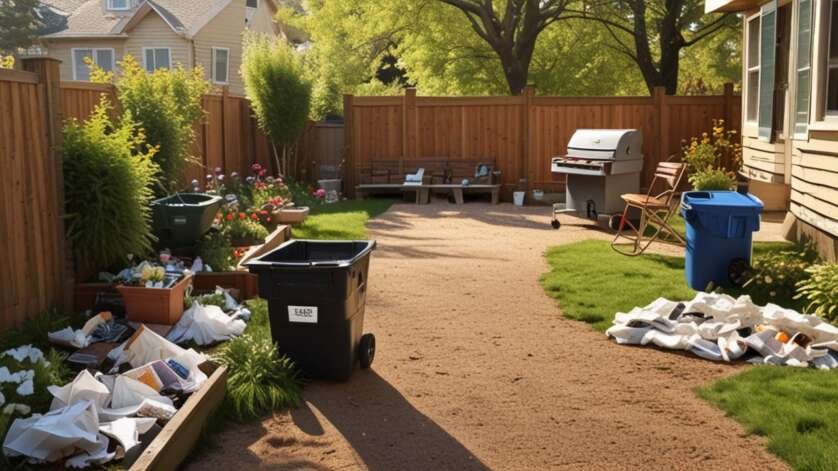
Here are the few situations where skipping a storage unit is completely fine.
- You have a large garage. Keeping your bins inside the garage offers the same benefits of pest control and sun protection without extra cost.
- You have a very small yard. A bulky storage unit takes up valuable square footage in a tiny space or narrow alleyway.
- Your garbage service picks up cans daily. If you live in an area with daily street pickup, the cans are rarely sitting out long enough to cause problems.
Frequently Asked Questions
What is the best material for outdoor garbage can storage?
High-density polyethylene (plastic) is usually the best balance of cost, durability, and low maintenance. Wood looks the best but requires more upkeep. Metal is the most secure against pests.
How do I keep my garbage can storage from smelling?
Clean your trash bins with a hose and soap monthly. Ensure your storage unit has ventilation slats or gaps. Place baking soda at the bottom of the unit to absorb moisture and odors.
Do I need a permit to build a garbage can enclosure?
Permit requirements vary by city and homeowners association. Small prefabricated units under 10 square feet usually do not need a permit. Check your local building codes before starting construction.
How big should my garbage can storage unit be?
Measure the height and width of your bins. Add at least 4 inches of clearance on all sides for easy access. Most standard households need a unit that is at least 30 inches wide and 50 inches tall.
Can a raccoon get into a garbage can storage unit?
Raccoons can open latches and doors that are not properly secured. A unit with a locking mechanism or bungee cord hook is usually enough to keep them out. Metal units with metal latches are the most raccoon-proof option.
Final Thoughts
Garbage can storage is a smart investment for most homeowners who want a cleaner yard and fewer pest problems. The upfront cost and maintenance are small compared to the long-term benefits of security and appearance. Choose a ventilated unit made from durable material that fits your space. This simple addition makes your backyard much more usable and pleasant.