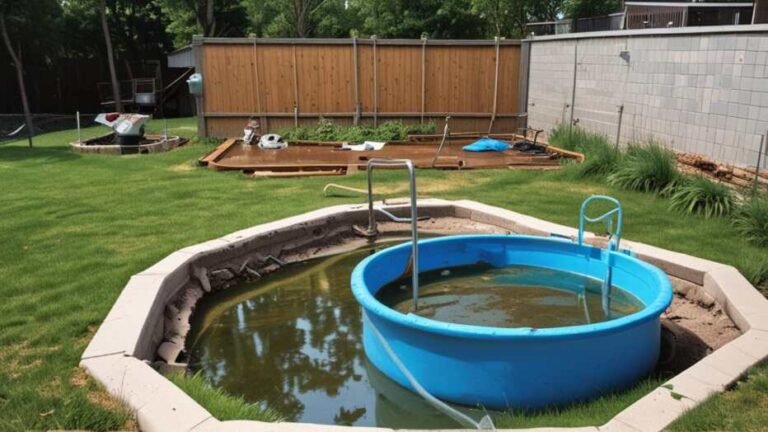
The three mistakes most people make with their first inflatable hot tub are ignoring water chemistry, placing the spa on an uneven surface, and underestimating operational costs and freeze protection. These errors lead to skin rashes, equipment damage, and high electric bills, but each can be avoided with proper maintenance. Maintaining water chemistry with twice-weekly testing, installing the tub on a level concrete or gravel pad, and investing in an upgraded thermal cover prevent these common pitfalls.
An inflatable hot tub offers a surprising amount of luxury for a reasonable upfront cost. But most first-time owners overlook a few critical details that turn a relaxing spa into a maintenance headache.
Quick Verdict: In short, the 3 mistakes most people make with their first inflatable hot tub are ignoring water chemistry, placing the spa on an uneven surface, and underestimating energy costs plus freeze protection. These three errors lead to skin rashes, ruptured liners, cracked pumps, and high electric bills. Avoiding them requires a solid foundation, regular testing, and proper insulation.
Key Takeaways
- Maintaining proper water chemistry requires testing the spa water 2-3 times per week with specific test strips to prevent bacteria growth and equipment damage.
- An inflatable hot tub must sit on a perfectly level concrete slab or compacted gravel pad to avoid structural stress that voids the manufacturer warranty.
- The monthly energy cost to heat an inflatable hot tub in winter often exceeds $50, making an upgraded thermal cover a necessary investment for budget-conscious owners.
- Failing to provide freeze protection or properly winterize the unit will permanently destroy the pump and heater within a single cold night.
- You should drain and refill your inflatable spa every 2 to 3 months to prevent total dissolved solids from damaging the heating element.
| Mistake | Consequence | Solution |
|---|---|---|
| Ignoring water chemistry | Skin rashes, clogged filters, foul odors, cloudy water | Test bi-weekly, shock after heavy use, clean filter cartridges |
| Poor foundation choice | Punctures, uneven stress on seams, deck collapse, voided warranty | Use a level 4-inch thick concrete pad or compacted gravel base |
| Underestimating operational costs | High electric bills, cracked pump from freezing, short lifespan | Insulate the spa, use a timer, winterize or store in freezing temps |
Mistake #1: Ignoring Water Chemistry and Filtration
The first and most dangerous error is treating the water like a kiddie pool. Inflatable spas hold a much smaller water volume than hard-shell tubs. This means chemical levels shift very quickly.
Warning: According to the CDC, Pseudomonas aeruginosa outbreaks linked to improperly maintained hot tubs cause the majority of recreational water illness cases related to spas. These bacteria thrive in warm water with low sanitizer levels.
Why This Mistake Is So Common
Many people assume the filter cartridge does all the work. The reality is that filter cartridges catch debris but do not kill bacteria. Without proper sanitizer levels, the water becomes a breeding ground for germs.
- Bacteria growth: Without adequate bromine or chlorine, you risk hot tub rash and respiratory infections.
- Clogged filters: Imbalanced water causes scale buildup that destroys filter cartridges fast.
- Foul odors: A strong chlorine smell is a sign of chloramines, not too much chlorine. It means you need to shock the water.
- Cloudy water: High pH or high alkalinity makes the water milky and uninviting.
How to Do It Right
You need a complete starter chemical kit. Do not buy generic pool chemicals. They are too concentrated for the small volume of an inflatable spa.
- Test the water with test strips 2 to 3 times per week. Check free chlorine and pH.
- Keep free chlorine between 3-5 ppm or bromine between 4-6 ppm.
- Shock the water weekly or after heavy use with a non-chlorine spa shock.
- Rinse the filter cartridge every week. Replace it every 2 to 3 weeks.
Tip: Keep a log of your chemical readings. Spending 5 minutes on water chemistry after each use prevents the dreaded foaming bacteria scenario.
According to the, proper sanitizer levels are non-negotiable for safe spa use. Many inflatable spa owners skip this step entirely.
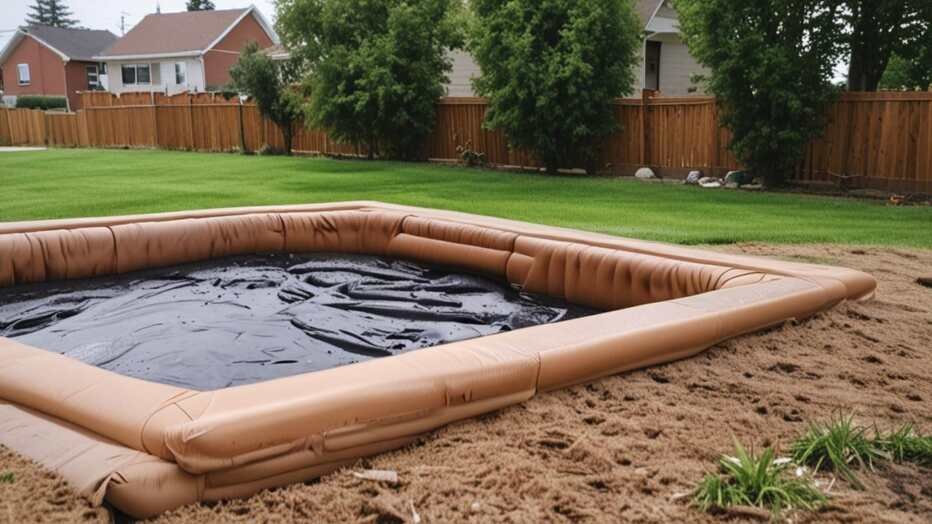
Mistake #2: Placing the Spa on the Wrong Foundation
Selecting a spot for the inflatable hot tub is often an afterthought. People assume grass, dirt, or a wooden deck will work perfectly. This is a costly error.
Important: A 4-person inflatable hot tub holds roughly 200 gallons of water. Water weighs 8.34 pounds per gallon. Add the weight of the people inside, and you are looking at over 2,000 pounds of concentrated weight.
Why The Foundation Matters So Much
Most manufacturers including and state clearly that damage from an uneven surface voids the warranty entirely.
- Stress on seams: An uneven base puts all the pressure on one side of the liner. This causes the seam to separate.
- Punctures: Rocks, sticks, or gravel under the liner create weak spots that eventually tear.
- Deck collapse: A standard wooden deck is not engineered to hold 2,000 pounds in a 6-foot circle. You need a structural engineer to approve the load.
- Poor insulation: Putting the spa directly on grass or dirt sucks heat out of the water into the cold ground.
How to Do It Right
- Clear the area of all rocks, roots, and debris.
- Level the ground with a shovel or by adding compacted gravel.
- Pour a 4-inch thick concrete slab or use interlocking rubber pavers rated for heavy loads.
- Place a thick insulating foam pad or an outdoor rug under the spa to protect the bottom liner.
Warning: Never place an inflatable hot tub on a balcony or elevated deck without consulting a contractor. The concentrated weight load can cause catastrophic structural failure.
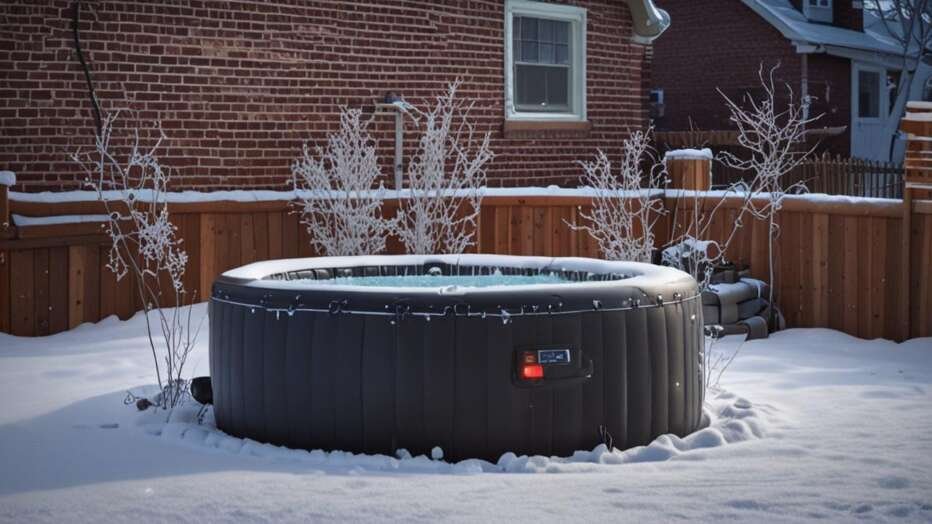
Mistake #3: Underestimating Operational Costs and Freeze Protection
The low sticker price of an inflatable hot tub is tempting. The operating cost is where owners get blindsided.
Why This Mistake Happens
It is easy to look at a $600 price tag and think you are getting a deal. But running a hot tub 24 hours a day in cold weather is expensive. The pump and heater run continuously to maintain 104 degrees F.
- High electricity bills: According to, heating a spa can cost $30 to $100 per month depending on your climate and local electric rates.
- Thin stock covers: The included inflatable covers are thin and offer poor insulation. Heat escapes rapidly through the top.
- Freeze damage: If the temperature drops below 40 degrees F and the pump loses power or fails, the water in the pump housing freezes. This splits the pump housing instantly.
- Chemical costs: You need to buy sanitizers, shock, pH balancers, and filter cartridges regularly. This adds $20 to $40 per month.
How to Do It Right
- Invest in an upgraded thermal cover. A 4-inch thick insulated cover cuts heat loss by up to 50%.
- Use a thermal blanket or floating solar cover underneath the main cover for added protection.
- Program your thermostat timer to heat the spa only during peak usage hours.
- Lower the set temperature to 90 degrees F when you are not using the spa for more than a day.
- Place the spa in a wind-sheltered area of your yard to reduce convective heat loss.
Tip: An outdoor spa cover with a high R-value is the single best investment you can make to lower monthly operating costs. Do not rely on the cheap cover that comes in the box.
Freeze Protection Is Critical
If you live in a climate where temperatures drop below 40 degrees F, you have two options. You can either keep the spa running through winter with the freeze protection setting activated, or you must fully drain and winterize the unit.
- If you keep it running, the pump circulates water continuously to prevent ice formation.
- If you drain it, you must blow out the lines with compressed air to remove all water from the pump housing.
- Store the pump indoors in a heated space to prevent condensation damage.
Common Myths About Inflatable Hot Tub Maintenance
Many misconceptions circulate online that lead to mistakes most people make with their first inflatable hot tub. Here are the facts.
Myth 1: You Can Use Standard Pool Chemicals
Fact: Pool chemicals are much more concentrated. Using them in a small volume inflatable spa can cause skin burns and damage the liner. You must use spa-specific chemicals or carefully measure reduced doses.
Myth 2: You Can Go Months Without Draining the Water
Fact: Total dissolved solids build up over time. You should drain and refill your inflatable hot tub every 2 to 3 months. Waiting longer leads to foaming, cloudy water, and scale buildup on the heating element.
Myth 3: Inflatable Hot Tubs Are Disposable
Fact: With proper foundation preparation, consistent water chemistry, and freeze protection, a quality inflatable hot tub lasts 3 to 5 seasons. Treating it as a throwaway item leads to higher long-term costs than buying a hard-shell spa.
Frequently Asked Questions
How often should I test the water in my inflatable hot tub?
You should test the water 2 to 3 times per week using an all-in-one test strip. Testing after each use is even better, especially if the hot tub gets heavy usage from multiple people.
Can I use an extension cord for my inflatable hot tub?
No. Plugging an inflatable hot tub into an extension cord is a serious fire hazard and voids the manufacturer warranty. The unit must plug directly into a grounded GFCI outlet.
How long do inflatable hot tubs typically last?
With proper care and maintenance, a good inflatable hot tub lasts 3 to 5 years. Without water chemistry management or a proper foundation, the lifespan drops to a single season or less.
What is the best surface to put an inflatable hot tub on?
A level concrete slab is the best surface. A compacted gravel pad with a rubber mat is another good option. Avoid grass, dirt, asphalt, and unengineered wooden decks.
Do I need to drain my inflatable hot tub in the winter?
You must either keep the spa running with the freeze protection setting active or drain it completely and dry the pump. Leaving water in a turned-off hot tub during freezing temperatures destroys the pump and liner.
Final Thoughts
Owning an inflatable hot tub is a great experience when you respect the water chemistry, the foundation requirements, and the running costs. Focus on a stable base, test your water consistently, and invest in a good cover for winter. These three steps separate a relaxing spa experience from a frustrating series of repairs.