
Many common coffee maker problems, such as failure to turn on, not brewing, or producing weak coffee, can be resolved through straightforward troubleshooting and simple maintenance. Practical fixes often involve checking the power connection, cleaning components like the water reservoir and filters, or adjusting the grind size and water ratio. Regular cleaning and proper usage are the most effective ways to prevent these issues and ensure consistent, high-quality brewing.
Getting your coffee maker to work right can sometimes be tricky. If you’re new to fixing things around the house, you might find yourself scratching your head when your coffee maker acts up. Don’t worry, though!
Key Takeaways
- Many coffee makers stop working correctly due to simple issues that are easy to fix.
- Understanding why your coffee maker is not brewing can save you time and money.
- Cleaning and simple maintenance are key to preventing many common problems.
- Troubleshooting steps can quickly identify and resolve issues like no coffee or weak coffee.
- Knowing how to handle common problems means you can enjoy your morning brew without hassle.
We’ll go through the most common coffee maker issues one simple step at a time. You’ll be brewing delicious coffee again before you know it. Let’s look at what goes wrong and how to fix it easily.
![Fixing Common Coffee Maker Problems[1]](https://creativehouseblog.com/wp-content/uploads/2026/03/Fixing_Common_Coffee_Maker_Problems1.jpg)
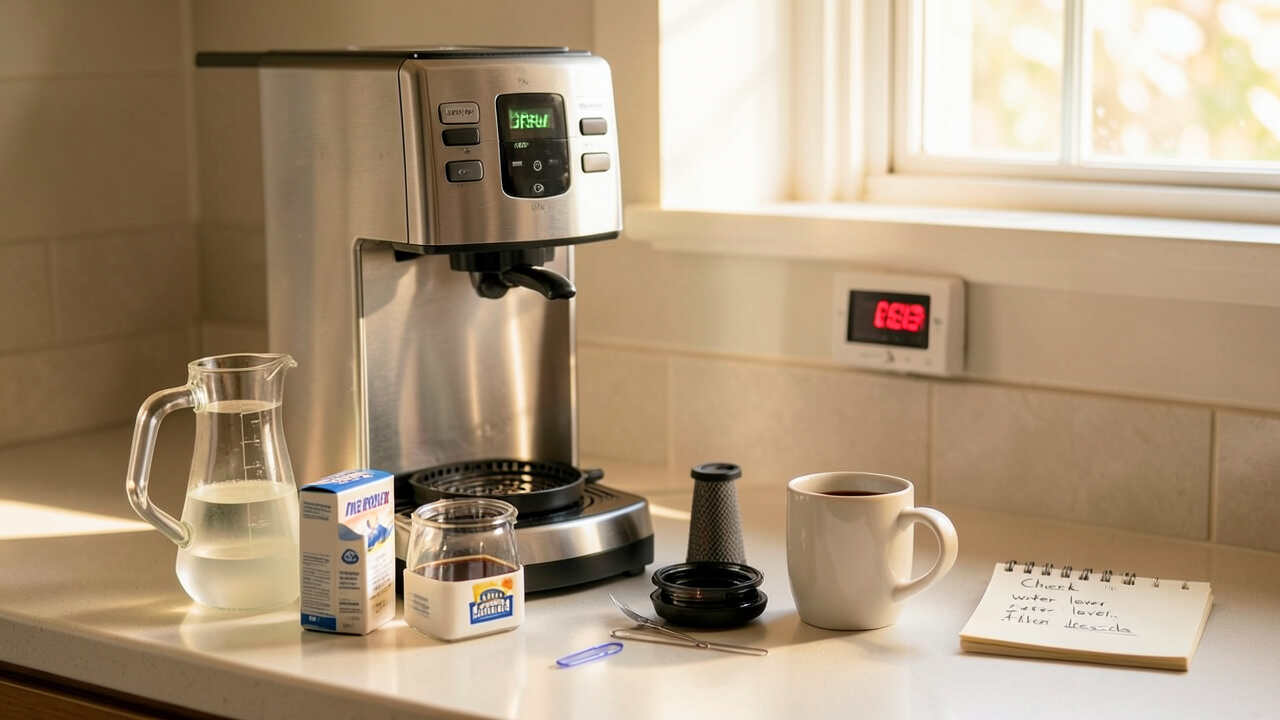
Common Coffee Maker Problems and Simple Fixes
Coffee Maker Not Turning On
This is one of the most frustrating things that can happen. You wake up, ready for your coffee, and nothing happens when you press the power button. Before you assume the worst, let’s check the simple stuff.
Power Cord and Outlet Check
First, make sure the coffee maker is plugged in securely. Sometimes it can get pulled out a little. Try plugging something else into the same outlet to see if the outlet is working.
If the other item doesn’t work either, the problem is with your outlet or your home’s circuit breaker. If other things work, try a different outlet. It’s a simple step, but it solves a lot of problems.
Safety Features
Some coffee makers have safety features that might prevent them from turning on if they aren’t put together correctly. For instance, the water reservoir or the carafe might need to be in their exact spots for the machine to power up. Check your coffee maker’s manual to see if there are any specific alignment requirements.
Coffee Maker Not Brewing Coffee
The light might be on, but no coffee is coming out. This is another common snag. Several things can cause this.
Water Reservoir Issues
The most basic reason is that there’s no water in the reservoir. Double-check that you filled it to the correct line. If there is water, it might not be flowing properly.
Sometimes, the water level sensor can get stuck. Gently tap the side of the reservoir or try to move the float mechanism if you can see it.
Clogged Water Lines
Over time, minerals from water can build up inside your coffee maker. This is called scaling, and it can block the water lines. The best way to fix this is by running a cleaning cycle.
Most coffee makers have a specific cleaning function. If yours doesn’t, you can manually clean it by running a brew cycle with a mix of white vinegar and water. Follow this with a few cycles of plain water to rinse out the vinegar taste.
Carafe Lid or Filter Basket Placement
Like the “not turning on” issue, some machines won’t brew if the carafe lid isn’t in the right position. This is a safety feature to prevent brewing without a carafe to catch the coffee. Make sure the filter basket is also seated correctly.
If it’s not pushed in all the way, the brew cycle might not start or might overflow.
Coffee Maker Brewing Too Slowly
Your coffee maker is working, but it’s taking an age to brew. This often points to a blockage somewhere.
Mineral Buildup
As mentioned before, scale from your water can slow down the brewing process. Running a cleaning cycle with vinegar and water is usually the most effective fix. If you have very hard water, you might need to clean your coffee maker more often, perhaps once a month.
Using Too Much Coffee
Believe it or not, using too much coffee grounds can also slow down brewing. The water has a harder time passing through a densely packed filter. Try using slightly less coffee next time and see if it makes a difference.
Coffee Tastes Weak or Watery
You’ve got coffee, but it’s not strong enough to wake you up. Let’s figure out why.
Incorrect Coffee-to-Water Ratio
The most common culprit is using too little coffee for the amount of water. Check your coffee maker’s manual for the recommended ratio. A general guideline is about 1 to 2 tablespoons of coffee grounds for every 6 ounces of water.
Adjust this based on your preference.
Coffee Grind Size
The size of your coffee grounds matters. If the grounds are too coarse, the water will pass through too quickly, resulting in weak coffee. If they’re too fine, the water might clog the filter, leading to bitter coffee or slow brewing.
Medium grounds are usually best for most drip coffee makers.
Stale Coffee Beans or Grounds
Coffee loses its flavor over time. Make sure you are using fresh coffee beans or grounds. Store your coffee in an airtight container away from light and heat.
Avoid storing coffee in the refrigerator or freezer, as this can introduce moisture and odors.
Coffee Tastes Burnt or Bitter
This is the opposite problem – your coffee is too strong, or it just tastes bad. This can happen for a few reasons.
Dirty Coffee Maker
Old coffee oils and residue can build up inside your coffee maker. These can turn rancid and give your coffee a bitter taste. Regular cleaning is essential.
Run a cleaning cycle with vinegar and water, and also clean the carafe and filter basket thoroughly after each use.
Over-Extraction
This happens when the coffee grounds are exposed to water for too long, or if the grind is too fine. If your coffee maker is brewing very slowly, it might be over-extracting. Cleaning the machine can help with slow brewing.
Also, ensure your grind size isn’t too fine.
Water Temperature
The ideal brewing temperature for coffee is between 195°F and 205°F (90°C and 96°C). If the water isn’t hot enough, the coffee might taste weak. If it’s too hot, it can scald the grounds and make the coffee taste burnt or bitter.
Most standard coffee makers maintain a suitable temperature, but if you suspect yours isn’t, it might be time for a new machine.
Coffee Maker Leaking Water
A leaking coffee maker is messy and can be a safety hazard. Let’s find out why it’s happening.
Overfilling the Water Reservoir
It sounds simple, but overfilling is a common cause of leaks. Make sure you don’t fill the water reservoir past the “max” line. Water displaced by the heating element needs space to flow.
Cracked Water Reservoir or Hoses
Inspect the water reservoir for any visible cracks. Also, check the tubes and hoses inside the machine if you can access them. A damaged reservoir or a loose hose connection can cause leaks.
Clogged Filter Basket or Brew Head
If the filter basket is clogged with grounds or the brew head is blocked, water can back up and overflow from the top. Ensure you are using the correct filter size and not overfilling the basket with coffee grounds. Cleaning the brew head area can also help.
Loose Carafe or Seal Issues
Make sure the carafe is properly seated on the warming plate. Some coffee makers have seals around the brew basket or carafe lid that can wear out over time, leading to drips.
Coffee Maker Making Strange Noises
Gurgling, banging, or whining sounds can be unsettling. Usually, these noises indicate a problem with water flow or pressure.
Scaling and Mineral Buildup
This is a very common cause of noisy coffee makers. When mineral deposits block the water flow, the pump has to work harder, creating strange sounds. Descaling your coffee maker regularly with vinegar and water will often resolve these noises.
Air in the System
Sometimes, air can get trapped in the water lines. Running a full brew cycle with just water can help push out any trapped air and silence the machine.
Worn Out Pump or Heating Element
If descaling and flushing the system don’t help, the noise might be coming from a worn-out pump or heating element. These are more serious issues and might mean it’s time to consider replacing your coffee maker.
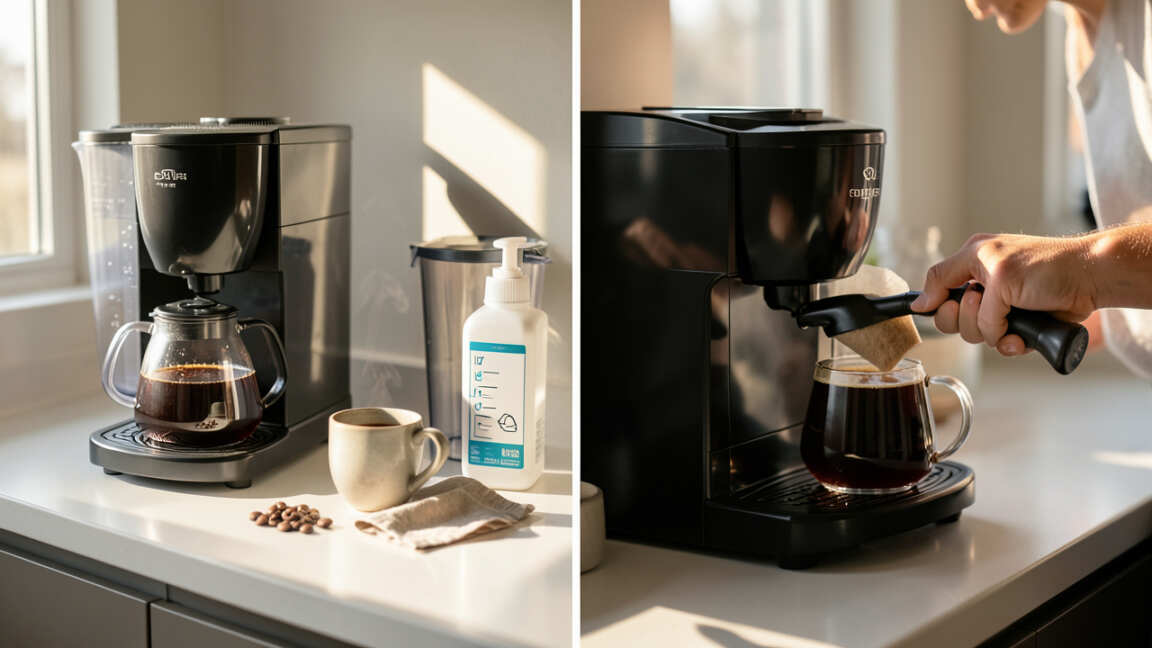
How to Prevent Common Coffee Maker Problems
The best way to deal with coffee maker problems is to prevent them from happening in the first place. A little bit of regular care goes a long way.
Regular Cleaning
Make it a habit to clean your coffee maker after every use. Wash the carafe and filter basket with soap and water. Wipe down the exterior.
Once a month, run a full descaling cycle using vinegar and water. This removes mineral buildup and coffee oils that can cause issues and affect taste.
Use Filtered Water
If your tap water is hard (contains a lot of minerals), using filtered water can significantly reduce scale buildup. This means you’ll need to descale less often and your coffee maker will last longer.
Use the Right Coffee Grind
As discussed, the grind size affects brewing. For most drip coffee makers, a medium grind is ideal. Using the wrong grind can lead to poor taste or slow brewing.
Check the Manual
Every coffee maker is a bit different. Your user manual has specific instructions for cleaning, maintenance, and troubleshooting your particular model. Keep it handy!
FAQ Of Fixing Common Coffee Maker Problems
Question: How often should I clean my coffee maker?
Answer: You should rinse the carafe and filter basket after every use. A full descaling with vinegar and water is recommended about once a month, or more often if you have hard water.
Question: Can I use regular tap water in my coffee maker?
Answer: Yes, you can use tap water. However, using filtered water can help reduce mineral buildup (scaling) and improve the taste of your coffee.
Question: My coffee maker is leaking from the bottom. What should I do?
Answer: Check if you have overfilled the water reservoir. Also, inspect the reservoir and any visible hoses for cracks or loose connections. Ensure the carafe is seated properly.
Question: Why is my coffee tasting bitter?
Answer: Bitter coffee can be caused by a dirty coffee maker, over-extraction (water too hot or grounds too fine), or using stale coffee. Clean your machine and check your coffee grounds.
Question: My coffee maker won’t turn on at all. What’s the first thing I should check?
Answer: Ensure the power cord is plugged in securely. Test the outlet by plugging in another working appliance. Check your home’s circuit breaker as well.
Final Thoughts
Most coffee maker issues are simple to fix. By performing regular cleaning and maintenance, you can avoid many common problems. Knowing these simple steps helps you get your coffee maker working again quickly.
Enjoy your delicious, freshly brewed coffee!

![10 Healthy Meals You Can Make Using Steam Cooking[1]](https://creativehouseblog.com/wp-content/uploads/2026/04/10_Healthy_Meals_You_Can_Make_Using_Steam_Cooking1-768x448.jpg)
![How to Maintain Double Glazing So It Stays Efficient[1]](https://creativehouseblog.com/wp-content/uploads/2026/05/How_to_Maintain_Double_Glazing_So_It_Stays_Efficient1-768x403.jpg)
![How to Protect Pipes From Freezing in Winter[1]](https://creativehouseblog.com/wp-content/uploads/2026/05/How_to_Protect_Pipes_From_Freezing_in_Winter1-768x403.jpg)
![8 Tips To Organise Your Mini Fridge Efficiently[1]](https://creativehouseblog.com/wp-content/uploads/2026/04/8_Tips_To_Organise_Your_Mini_Fridge_Efficiently1-768x448.jpg)
![What Makes Air Fryers Energy Efficient[1]](https://creativehouseblog.com/wp-content/uploads/2026/03/What_Makes_Air_Fryers_Energy_Efficient1-768x448.jpg)
![How Air Fryer Temperature Control Works Explained[1]](https://creativehouseblog.com/wp-content/uploads/2026/03/How_Air_Fryer_Temperature_Control_Works_Explained1-768x448.jpg)