
To maintain double glazing efficiency, perform regular cleaning of glass and frames to prevent dirt buildup, routinely inspect seals and gaskets to ensure the insulating barrier remains intact, and lubricate moving parts to keep windows operating smoothly. Addressing minor seal issues and preventing future damage through these simple checks are critical steps. Consistently following this maintenance routine will prolong the lifespan of your windows and help reduce household energy costs.
Keeping your double-glazed windows in top shape might seem tricky at first, especially if you’re new to home upkeep.
Many folks wonder, how to maintain double glazing so it stays efficient, and worry about making mistakes. But don’t fret!
It’s actually quite simple. We’ll walk you through easy steps to keep your windows working well and saving you energy. Get ready to learn how to make your home cozier and your bills lower.
Key Takeaways
- Regular cleaning of glass and frames prevents dirt buildup.
- Checking seals and gaskets helps maintain the insulating barrier.
- Lubricating moving parts ensures windows open and close smoothly.
- Addressing condensation issues promptly prevents damage.
- Simple checks can prolong the life and efficiency of your double glazing.
![How to Maintain Double Glazing So It Stays Efficient[1]](https://creativehouseblog.com/wp-content/uploads/2026/05/How_to_Maintain_Double_Glazing_So_It_Stays_Efficient1.jpg)
Keeping Your Double Glazing Clean
Clean windows not only look better but also work more efficiently. Dirt and grime on the glass can reduce the amount of light and heat that enters your home.
Keeping the frames clean also prevents materials from degrading, which can affect the seal.
This section focuses on the simple yet vital task of cleaning.
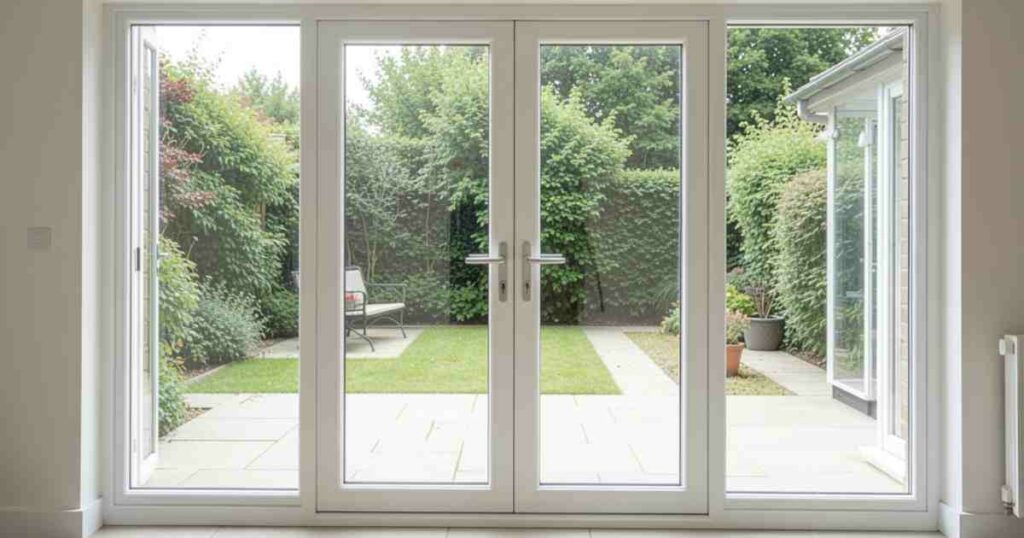
Cleaning the Glass
Cleaning the glass on your double-glazed windows is straightforward. You don’t need fancy tools. A simple mixture of water and a little bit of dish soap works wonders.
Use a soft cloth or a squeegee to avoid scratching the glass. For stubborn spots, a specialized glass cleaner can be used sparingly. Always rinse thoroughly with clean water and dry with a lint-free cloth to prevent streaks.
- Use a mild soap solution for everyday cleaning.
- A gentle approach prevents damage to any special coatings on the glass. Mix a small amount of mild dish soap with warm water. Wipe down the glass using a soft, lint-free cloth.
- Rinse with clean water. This helps remove dirt, smudges, and environmental residue that can obscure your view and slightly affect insulation.
- Address tough spots carefully.
- For dried-on dirt, sap, or paint splatters, a plastic scraper or a non-abrasive sponge can be used. Be gentle to avoid scratching the glass. Some window cleaning sprays are designed for tougher jobs, but always test them on a small, inconspicuous area first.
- Ensure the cleaner is suitable for the type of glass you have.
- Dry thoroughly to prevent water spots.
- After washing and rinsing, use a clean, dry microfiber cloth or a squeegee to dry the glass. Working from top to bottom can help prevent drips. Proper drying is key to achieving a streak-free finish and ensuring no water is left to freeze in cold weather, which could cause minor damage.
Cleaning the Frames and Seals
The frames and seals are just as important as the glass. They provide structural support and maintain the airtightness of the window unit. Dirt, dust, and debris can accumulate in the tracks and around the seals, hindering their function and potentially causing wear over time.
Regular cleaning ensures they remain effective.
- Wipe down frames with a damp cloth.
- Most uPVC and aluminum frames can be cleaned with a damp cloth and mild soap. Avoid abrasive cleaners or harsh chemicals, as these can damage the surface finish. Pay attention to corners and edges where dirt tends to gather.
- This simple step keeps the frames looking good and helps prevent material degradation.
- Clean the gaskets and weatherstripping.
- The rubber or silicone seals, also known as gaskets or weatherstripping, are crucial for keeping out drafts and water. Wipe them gently with a damp cloth. Check for any signs of wear, cracking, or looseness.
- Damaged seals can lead to significant heat loss and water ingress, so it’s important to keep them clean and in good condition.
- Clear debris from window tracks.
- The channels where the window slides or sits can collect dirt, leaves, and other small objects. Use a brush or a vacuum cleaner with a crevice tool to remove this debris. Keeping the tracks clear ensures smooth operation and prevents excess strain on the seals when opening and closing the window.
Checking and Maintaining Seals and Gaskets
The insulating gas trapped between the panes of glass is what makes double glazing efficient. This gas is sealed in by gaskets and frames.
If these seals break or degrade, the gas can escape, and moist air can enter, reducing the window’s effectiveness and leading to condensation.

Identifying Seal Problems
Look for signs of wear and tear on the seals around the edges of the glass. This includes cracking, peeling, or crumbling. If you notice gaps or areas where the seal looks compressed or damaged, it needs attention.
Also, check for any signs of moisture or dirt trapped between the glass panes. This is a sure sign that the seal has failed.
- Inspect for visible cracks or tears.
- The rubber or silicone seals around the edge of the glass unit are designed to be flexible and durable. Over time, exposure to sunlight, extreme temperatures, and general wear can cause them to develop small cracks or splits. These are easy to spot and indicate a breach in the seal’s integrity.
- Look for signs of hardening or brittleness.
- Instead of cracking, seals can also become hard and brittle. This often happens with older materials or those exposed to a lot of direct sunlight. Brittle seals lose their flexibility and can no longer create a tight barrier.
- They may feel stiff to the touch and can easily break away from the frame.
- Check for gaps or compression.
- Sometimes, seals don’t crack but simply lose their effectiveness through compression. This can happen if the window has been subjected to unusual pressure or if the seals were not fitted perfectly. Any visible gap between the glass and the frame, or an area where the seal appears permanently squashed, suggests a loss of sealing capability.
Addressing Minor Seal Issues
For minor issues like small cracks or gaps, you might be able to perform a temporary fix. Specialized sealants are available that can help restore some of the window’s integrity. However, it’s important to understand that these are often temporary solutions.
For significant damage, replacement of the sealed unit may be necessary.
- Use a flexible sealant for small cracks.
- If you find a small crack that doesn’t compromise the overall seal, a high-quality, exterior-grade flexible sealant can be applied. Choose a sealant that is designed for windows and doors and is resistant to weathering. Apply it carefully to fill the crack.
- Ensure the area is clean and dry before applying. This can help prevent water from entering the gap.
- Consider weatherstripping for minor drafts.
- If you feel slight drafts around the frame that aren’t due to seal failure between the panes, self-adhesive weatherstripping can be applied to the frame itself. This creates a tighter seal when the window is closed. It’s a simple and inexpensive way to improve comfort and energy efficiency.
- Know when to call a professional.
- If the seal failure is significant, or if you are unsure about making repairs, it is best to contact a professional window repair service. They can assess the damage accurately and recommend the most effective solution, which might involve replacing the entire sealed glass unit.
Preventing Future Seal Damage
Proper window maintenance can help prolong the life of your seals. Regular cleaning, avoiding harsh chemicals, and ensuring windows operate smoothly all contribute to preventing premature wear.
Protecting your windows from extreme weather conditions where possible also plays a role.
- Regular cleaning protects the seal material.
- As mentioned before, keeping the frames and seals clean is vital. Dirt and grime can act as an abrasive over time, and certain contaminants can degrade the materials of the seals. A simple wipe-down with a damp cloth helps remove these substances, preserving the flexibility and integrity of the seals.
- Avoid harsh cleaning agents.
- Never use strong solvents, abrasive cleaners, or scouring pads on window seals. These can strip away protective coatings, weaken the material, or even cause direct chemical damage. Stick to mild soap and water for cleaning to ensure the longevity of the rubber or silicone components.
- Ensure smooth operation.
- Windows that are difficult to open or close can put undue stress on the seals and hinges. If your windows are stiff, check for obstructions in the tracks or if they need lubrication. Smooth operation means less strain on all the moving parts, including the seals that maintain the airtightness.
Lubricating Moving Parts
Double-glazed windows often have complex mechanisms for opening, closing, and locking.
Like any mechanical system, these parts can become stiff or difficult to operate over time if not properly maintained.
Lubrication is a simple yet effective way to keep these parts working smoothly and prevent wear and tear.
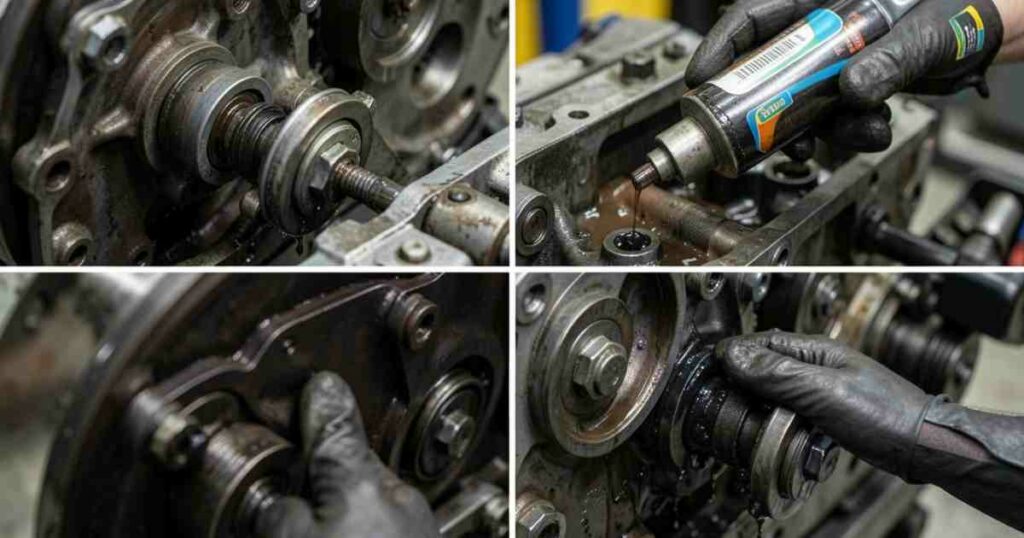
What to Lubricate
The main components that benefit from lubrication are the hinges, the locking mechanisms, and the sliding tracks (if applicable).
These are the parts that experience friction when the window is used. Keeping them well-oiled ensures that the window opens and closes without resistance and that the locking system functions correctly.
- Hinges need regular attention.
- The hinges allow the window to swing open. Over time, they can become dry and squeaky. A silicone-based spray lubricant is ideal for hinges.
- Apply a small amount directly to the moving parts of the hinge. Open and close the window a few times to distribute the lubricant evenly. This prevents rust and ensures smooth movement.
- Locking mechanisms require careful lubrication.
- The locking points and handles are critical for security. These can become stiff, making them hard to turn. Use a graphite-based lubricant or a light machine oil.
- Apply it sparingly to the keyhole and any moving parts of the locking mechanism. Test the lock thoroughly after application to ensure it operates freely.
- Sliding tracks should be kept clear and lubricated.
- For sliding or tilt-and-slide windows, the tracks are essential for smooth operation. Ensure the tracks are free of dirt and debris first. Then, apply a silicone lubricant or a dry lube spray.
- This helps the window slide effortlessly, reducing wear on both the track and the window frame.
Choosing the Right Lubricant
The type of lubricant you use matters. For most window components, a silicone-based spray is a safe bet. It is water-resistant and doesn’t attract dust as much as oil-based lubricants.
For locks, graphite powder or a specific lock lubricant is often recommended. Avoid using petroleum-based lubricants like WD-40 on seals, as they can degrade the rubber over time.
- Silicone spray is versatile.
- Silicone spray lubricants are widely available and suitable for most metal and plastic parts of windows. They provide a slick surface that reduces friction and protects against moisture. They are generally safe for most materials found in window hardware, including some types of plastic.
- Graphite powder for locks.
- Graphite powder is a dry lubricant that works well in lock cylinders. It doesn’t attract dirt and grime, which can gum up a lock over time. It’s a preferred choice for maintaining the smooth operation of keyholes and internal lock mechanisms.
- Ensure you use it sparingly.
- Avoid petroleum-based products on seals.
- Products like WD-40, while useful for many things, can be detrimental to the rubber or silicone seals on your windows. They can break down the material, making it brittle and prone to cracking. Always opt for lubricants specifically recommended for your window type or for rubber components.
How Often to Lubricate
The frequency of lubrication depends on how often you use the windows and the environmental conditions.
In general, lubricating moving parts once or twice a year is sufficient for most homes. If you live in an area with high humidity or salt air, you might need to do it more often.
Always check the operation of your windows; if they start to feel stiff or noisy, it’s time to lubricate.
- Annual checks are a good practice.
- Make it a habit to check your window hardware at least once a year. This could be done in spring and autumn. A quick inspection and lubrication can prevent bigger issues from developing and ensure your windows remain functional and easy to use throughout the year.
- Environmental factors matter.
- Homes near the coast or in areas with heavy pollution may require more frequent lubrication. Salt spray and airborne particles can accelerate wear and corrosion. Similarly, homes in very dry climates might experience quicker drying out of lubricants.
- Listen and feel for changes.
- The best indicator is often your own experience. If a window becomes harder to operate, makes squeaking noises, or the lock feels stiff, these are clear signs that lubrication is needed. Don’t wait until the problem becomes severe.
Dealing with Condensation
Condensation on double-glazed windows is a common issue, but its location can tell you a lot about the problem and how to fix it.
Understanding where the condensation appears is key to knowing whether your windows are still efficient or if there’s an underlying issue.
Inside the Room (Surface Condensation)
Condensation that forms on the inside surface of your windows is usually due to high humidity levels within your home.
This is a common household problem, not necessarily a fault with your double glazing. It happens when warm, moist air comes into contact with the cooler glass surface.
- High indoor humidity is the usual cause.
- Your daily activities like cooking, showering, and even breathing release moisture into the air. If this moisture isn’t adequately ventilated, it builds up. When this humid air touches the relatively cooler glass of your windows, the water vapor turns into liquid water droplets.
- Ventilation is key to reducing this.
- The best way to combat this is to improve ventilation. Open windows regularly, even for a few minutes, especially after activities that produce steam. Using extractor fans in kitchens and bathrooms is also very effective.
- Consider using a dehumidifier if humidity levels are consistently high.
- Drafts can worsen the problem.
- Although it seems counterintuitive, poor sealing around the window frame can sometimes contribute to surface condensation by allowing cold air to enter, making the glass surface colder. Ensuring your window frames are sealed well can help maintain a warmer internal glass surface.
Between the Panes (Internal Condensation)
If you see condensation between the two panes of glass, this is a clear indication that the seal of your double-glazed unit has failed.
The unit is no longer airtight, allowing moist air to enter the gap and condense. Unfortunately, this type of condensation cannot be cleaned away and usually requires the sealed unit to be replaced.
- Seal failure is the culprit.
- The primary function of the sealed unit is to trap a layer of insulating gas, usually argon, between the panes. When the seal breaks, this gas escapes, and the gap is filled with normal air. This air contains moisture, which then condenses on the cooler surfaces inside the unit, creating the visible fog or streaks.
- Replacement of the sealed unit is needed.
- There is no DIY fix for condensation between the panes. The entire sealed glass unit must be replaced. While this might sound expensive, it’s often more cost-effective than letting the problem persist, as it allows your windows to regain their energy efficiency and look better.
- Consider upgrades during replacement.
- When replacing a sealed unit, it’s an opportunity to consider upgrades. You might opt for units with better thermal insulation or even triple glazing for enhanced energy savings. Discuss options with your window professional to find the best fit for your home.
External Condensation
Condensation appearing on the outside surface of the glass is typically a sign that your double glazing is working very well. It means the external pane of glass is cool, and the warm, moist air outside is condensing on it. This is most common in humid weather, especially in the mornings, and is not a sign of a problem with the window itself.
- It’s a sign of good insulation.
- When the inside pane of glass is effectively insulated from the cold outside pane, the outside pane can drop to a temperature where condensation forms. This is perfectly normal, particularly in warmer, humid conditions, and indicates your windows are doing their job to keep the heat inside.
- It usually disappears quickly.
- As the day warms up and the sun’s rays hit the window, the external condensation will typically evaporate quickly. It doesn’t affect the window’s performance and doesn’t require any maintenance.
- It’s different from internal condensation.
- It’s important to distinguish this from condensation between the panes or on the inside. External condensation is transient and occurs when the outside temperature is right. It doesn’t indicate a fault with the window’s seal or structure.
How to Maintain Double Glazing So It Stays Efficient Regularly
Consistent care is the best way to ensure your double glazing remains efficient for years. Making these checks and maintenance tasks a routine part of your home care will save you money on energy bills and prevent costly repairs down the line.
It’s about small, regular efforts leading to significant long-term benefits.
Seasonal Checks
Performing checks at different times of the year can catch problems before they worsen. For example, checking seals before winter can help prevent drafts, and checking drainage before the rainy season can avoid water buildup.
- Spring check.
- In the spring, clean your windows thoroughly. Check frames and seals for any damage that may have occurred over winter. Lubricate any stiff hardware.
- Ensure drainage holes are clear of debris. This prepares your windows for the warmer months and allows you to spot any issues from the cold season.
- Autumn check.
- Before winter, it’s crucial to ensure your windows are as efficient as possible. Focus on checking seals and gaskets for any signs of wear or damage that might let cold air in. Address any small drafts promptly.
- This will help keep your home warmer and reduce heating costs.
Simple DIY Checks
Many maintenance tasks don’t require a professional. Simple visual inspections and cleaning can go a long way in maintaining your double glazing.
- Visual inspection of frames and glass.
- Regularly look at your window frames for cracks or peeling paint. Check the glass for any chips or damage. A quick look at the seals for obvious deterioration is also beneficial.
- Early detection of issues makes repairs much simpler and cheaper.
- Listen for drafts.
- Spend a quiet moment near your windows, especially on a windy day. If you can hear or feel air whistling through, there might be a seal issue or a gap in the frame that needs addressing. This is a simple way to identify potential leaks.
- Test window operation.
- Make sure windows open and close smoothly. If they feel stiff or require a lot of force, it’s time to investigate. Check for obstructions in tracks or consider lubrication as mentioned earlier.
- Smooth operation prevents wear and tear on hardware and seals.
When to Call a Professional
While much of the maintenance can be done yourself, some issues are best left to the experts.
These usually involve complex repairs or situations where the integrity of the sealed unit is compromised.
- Failed sealed units.
- As discussed, condensation between the panes is a sign of seal failure. This requires the replacement of the sealed glass unit. A professional can measure, order, and fit the correct unit for you.
- Damaged frames.
- If your window frames are significantly damaged, rotten, or corroded, they may need professional repair or replacement. This is especially true for structural damage that affects the window’s ability to be securely fitted and operate correctly.
- Complex hardware issues.
- Some modern windows have intricate locking and opening systems. If these mechanisms are malfunctioning and you are not comfortable with intricate repairs, a specialist can diagnose and fix the problem without causing further damage.
The Benefits of Well-Maintained Double Glazing
Investing a little time and effort into maintaining your double-glazed windows pays off significantly.
You’ll enjoy a more comfortable home and see savings on your energy bills. Plus, it helps protect your investment and keeps your home looking its best.
Energy Efficiency
Well-maintained double glazing acts as a superior barrier against the elements. Properly sealed units with intact frames prevent heat loss in winter and heat gain in summer.
This means your heating and cooling systems don’t have to work as hard, leading to lower energy consumption.
- Reduced heat loss.
- Efficient double glazing traps air or inert gas between the panes. This layer significantly slows down the transfer of heat from inside your home to the cold outside. This keeps your living spaces warmer and more comfortable without constantly running your heating system.
- Lower energy bills.
- By reducing the need for heating and cooling, your energy consumption decreases. This translates directly into lower monthly bills. Studies show that upgrading to energy-efficient windows and maintaining them can lead to substantial savings over the lifetime of the windows.
- Improved home comfort.
- Beyond just saving money, efficient windows mean a more consistently comfortable home. You’ll experience fewer drafts and less temperature fluctuation, making your living environment more pleasant year-round.
Longevity and Durability
Regular maintenance protects your windows from premature wear and damage. This extends their lifespan, meaning you won’t need to replace them as often.
Well-cared-for windows maintain their aesthetic appeal and structural integrity for longer.
- Preventing degradation of materials.
- Cleaning and using the right products prevent materials like uPVC or aluminum from degrading. Protecting seals and gaskets ensures they perform their function for their intended lifespan. This care prevents issues like brittleness, cracking, or fading.
- Avoiding costly repairs.
- Simple, regular maintenance can catch small problems early. Addressing a small crack in a seal or a stiff lock mechanism before it becomes a major issue can save you a lot of money on extensive repairs or full replacements.
- Maintaining appearance.
- Clean and well-functioning windows enhance the overall look of your home. Regular care ensures they continue to look good, contributing to your property’s curb appeal and value.
Environmental Benefits
By improving your home’s energy efficiency, you also reduce your carbon footprint. Less energy consumed means less demand on power plants, which often rely on fossil fuels. This contributes to a healthier planet.
- Reduced carbon emissions.
- When your home uses less energy for heating and cooling, the demand for electricity generated from fossil fuels decreases. This reduction in energy generation leads to lower carbon emissions being released into the atmosphere, helping combat climate change.
- Conserving natural resources.
- By using less energy, you are also helping to conserve natural resources. This includes fossil fuels and water, which are often used in energy production. Efficient homes require less intensive energy generation, which is better for the environment.
- Sustainable home management.
- Choosing to maintain your windows for efficiency is a part of sustainable home management. It’s about making your home work better for you and for the planet, using resources wisely and minimizing waste.
Frequently Asked Questions Of How to Maintain Double Glazing So It Stays Efficient
Question: How often should I clean my double-glazed windows?
Answer: It’s a good idea to clean the glass and frames of your double-glazed windows at least twice a year. More frequent cleaning might be necessary if you live in a particularly dusty or polluted area, or if they get dirty quickly from daily use.
Question: What is the best way to clean window seals?
Answer: Gently wipe the seals with a damp cloth and mild soap. Avoid using harsh chemicals, solvents, or abrasive materials, as these can damage the rubber or silicone and reduce their effectiveness. Ensure they are dry afterward.
Question: My double glazing has condensation between the panes. What should I do?
Answer: Condensation between the panes means the seal has failed. Unfortunately, this cannot be fixed by cleaning. You will need to have the sealed glass unit replaced by a professional window company.
Question: Can I lubricate my window locks myself?
Answer: Yes, you can lubricate window locks yourself. Use a graphite-based lubricant or a light machine oil. Apply it sparingly to the keyhole and any moving parts of the mechanism.
Test the lock afterward to ensure it operates smoothly.
Question: How can I tell if my double glazing is still efficient?
Answer: Signs of efficiency include a lack of drafts, consistent room temperatures, and no condensation between the glass panes. If you notice cold spots near windows, drafts, or internal condensation, your double glazing may be losing efficiency.
Conclusion
Keeping your double glazing in good working order is simpler than you might think. Regular cleaning of the glass and frames, checking and maintaining the seals, and lubricating moving parts are key. Addressing condensation promptly, especially between panes, is vital.
These simple steps ensure your windows stay efficient, saving you money and keeping your home comfortable.

![6 Ways To Reduce Energy Use In Cooling Appliances[1]](https://creativehouseblog.com/wp-content/uploads/2026/04/6_Ways_To_Reduce_Energy_Use_In_Cooling_Appliances1-768x448.jpg)
![Summer Home Maintenance Tasks You Should Do[1]](https://creativehouseblog.com/wp-content/uploads/2026/05/Summer_Home_Maintenance_Tasks_You_Should_Do1-768x403.jpg)
![Air Fryer Size Guide for Families[1]](https://creativehouseblog.com/wp-content/uploads/2026/03/Air_Fryer_Size_Guide_for_Families1-768x448.jpg)
![What Cookware Works on Induction[1]](https://creativehouseblog.com/wp-content/uploads/2026/03/What_Cookware_Works_on_Induction1-768x448.jpg)
![What New Homeowners Should Fix First 30 Days[1]](https://creativehouseblog.com/wp-content/uploads/2026/05/What_New_Homeowners_Should_Fix_First_30_Days1-1-768x403.jpg)