
Servicing your HVAC system before each season is a critical practice to maintain optimal performance, improve energy efficiency, and extend the lifespan of your heating and cooling equipment. Key steps in this process involve regularly cleaning or replacing air filters to ensure proper airflow, inspecting the outdoor condenser unit for dirt or damage, and checking the condensate drain line for clogs. By adhering to a seasonal maintenance routine, homeowners can achieve lower utility costs, enhanced indoor air quality, and fewer system malfunctions.
Many homeowners wonder about HVAC maintenance. It might seem complicated, but it doesn’t have to be.
Knowing How to Service Your HVAC System Before Each Season can save you money and keep your home comfortable.
This guide breaks down the steps simply. We’ll walk through what you can do to prepare your system for hot and cold weather. Get ready for easy-to-follow advice that makes HVAC care a breeze.
Key Takeaways
- Regular HVAC servicing helps prevent breakdowns.
- Simple checks can improve your system’s efficiency.
- Cleaning filters is a quick and important task.
- Seasonal checks ensure comfort and lower energy bills.
- DIY maintenance can save money on professional calls.
- Knowing when to call a pro is also key.
![How to Service Your HVAC System Before Each Season[1]](https://creativehouseblog.com/wp-content/uploads/2026/05/How_to_Service_Your_HVAC_System_Before_Each_Season1.jpg)
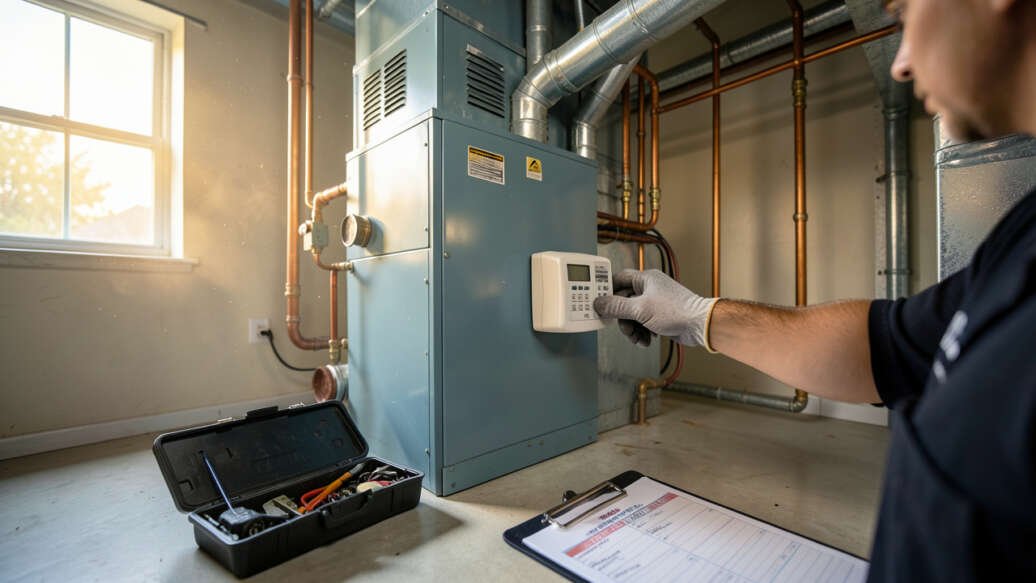
Prepare Your HVAC System For Peak Performance
Getting your heating, ventilation, and air conditioning (HVAC) system ready for each season is important. It helps your system work its best. This means your home stays comfortable, no matter the weather outside.
Plus, a well-maintained system uses less energy, which can save you money on your utility bills. It also helps your equipment last longer.
Think of it like getting your car ready for a long trip; a little attention now prevents big problems later.
Understanding Your HVAC System Basics
Your HVAC system is a network of components working together. The air conditioner cools your home in summer. The furnace or heat pump warms it in winter.
The fan circulates air through ducts. Understanding these main parts helps you see why they need regular care. For example, the air filter cleans the air before it’s heated or cooled.
A dirty filter makes the system work harder.
The thermostat controls the temperature. It tells the system when to turn on and off. Refrigerant is used in air conditioners to remove heat.
This is a gas that flows through coils. It’s essential for cooling. In heating systems, fuel like natural gas or electricity powers the heat.
You don’t need to be an expert, but knowing these basic functions helps. It explains why certain maintenance steps are so vital for overall performance and longevity of your unit.
The Importance of Seasonal HVAC Maintenance
Why is servicing your HVAC system before each season a big deal? Summer’s heat puts a strain on air conditioners. Winter’s cold tests furnaces and heat pumps.
Dust and debris build up over time. This can clog components. It forces the system to work overtime.
This leads to reduced efficiency and potential breakdowns. Regular checks catch small issues before they become costly repairs. It’s about proactive care to ensure consistent comfort and prevent surprises.
Consider a common problem: a clogged condensate drain line in your AC. During summer, this line carries away moisture. If it’s blocked, water can back up.
This might cause water damage or system shutdown. By clearing it before the hot season, you avoid this risk. Similarly, checking your furnace igniter in fall prevents a cold house in winter.
These are not complex tasks, but they make a big difference in how your system performs when you need it most.
Benefits of DIY HVAC Servicing
Many tasks involved in preparing your HVAC system can be done by you. This saves you money on professional service calls for simple maintenance. You can often perform these checks with basic tools.
It also gives you a better understanding of your system. This awareness helps you spot problems sooner. You become more proactive about your home’s comfort.
It’s empowering to know you can handle some basic upkeep yourself.
For example, cleaning or replacing the air filter is a quick job. It significantly impacts air quality and system efficiency. Inspecting your outdoor AC unit for debris is another easy step.
These small actions add up. They contribute to better performance and a longer lifespan for your HVAC equipment. While some jobs require a trained technician, many essential tasks are well within the reach of most homeowners.
This allows for more frequent attention to your system.
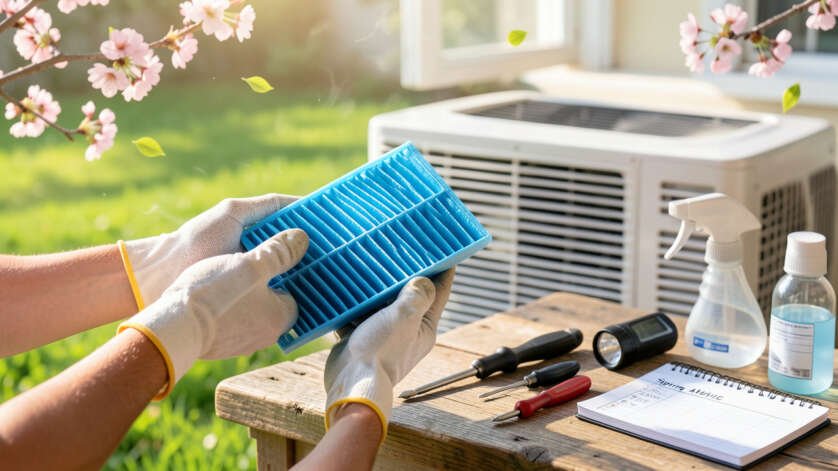
Spring HVAC Maintenance Checklist
Spring is the ideal time to get your air conditioning system ready for the upcoming warm months.
After a long winter, your AC unit might have accumulated dirt or debris. Checking it now ensures it’s ready to efficiently cool your home when temperatures rise.
This season’s tasks focus on cleaning and preparing the cooling components. Addressing these issues early can prevent costly emergency repairs during the peak of summer heat.
Clean or Replace Air Filters
The air filter is one of the most crucial parts of your HVAC system. It traps dust, pollen, and other airborne particles. A dirty filter restricts airflow.
This makes your AC work harder to cool your home. It also reduces indoor air quality. Clean filters are essential for efficient operation and healthy air.
- Frequency Check your filter monthly. Replace it every 1-3 months, depending on the filter type and your home’s environment. If you have pets or allergies, you might need to change it more often.
- Type of Filter Filters come in various types, from basic fiberglass to high-efficiency pleated filters. Higher MERV (Minimum Efficiency Reporting Value) ratings capture more particles but can restrict airflow if your system isn’t designed for them.
- Installation Ensure you install the new filter correctly, with the airflow arrow pointing in the right direction. It’s usually indicated on the filter’s frame.
A clogged filter is a common cause of AC problems. It can lead to the evaporator coils freezing up. This is because the reduced airflow prevents the coils from absorbing enough heat.
When the coils freeze, the AC can no longer cool your home. Replacing or cleaning the filter is a simple, inexpensive task that pays off in performance and comfort. It’s the first step in ensuring your system runs smoothly.
Inspect and Clean the Outdoor Condenser Unit
Your outdoor air conditioner unit, the condenser, needs attention too. It releases heat from your home into the outside air. Over winter, leaves, twigs, and other debris can pile up around and on it.
This debris can block airflow. It makes the unit less efficient and can even damage the fan motor or coils.
- Clear Debris Gently remove any leaves, grass clippings, or other obstructions from around the unit. Ensure at least two feet of clear space.
- Clean the Fins The metal fins on the sides of the unit can get bent or dirty. You can gently straighten bent fins with a fin comb. Use a garden hose to spray water from the inside out to remove dirt and grime. Avoid using a pressure washer, as it can damage the fins.
- Check for Damage Look for any visible damage to the fan blades or the casing. Ensure the unit is level and stable.
A dirty condenser coil can significantly reduce your AC’s cooling capacity. It’s like trying to breathe through a clogged nose; the system struggles. Cleaning it allows for better heat transfer.
This means your AC can cool your home more effectively. Many homeowners can perform this cleaning safely. Just be sure the power to the unit is turned off at the breaker box before you start.
Check the Condensate Drain Line
During cooling mode, your air conditioner removes humidity from the air. This moisture collects in a pan and then flows out through a drain line. This line is typically a PVC pipe.
If it becomes clogged with algae, mold, or debris, water can back up. This can cause water damage to your home or shut down your AC system.
- Locate the Drain Line It usually exits your home near the indoor air handler unit.
- Clear Obstructions You can try to clear minor clogs by pouring a cup of diluted bleach or vinegar down the line. This helps kill mold and algae. You can also use a wet/dry vacuum to suck out any blockages from the outdoor end of the drain.
- Use a Drain Pan Tablet Consider placing a slow-release tablet in the drain pan. These help prevent future buildup.
Preventing a clogged drain line is essential. A backed-up drain pan can overflow. This can trigger a safety float switch that shuts off your AC to prevent water damage.
If you notice water pooling around your indoor unit, this is a sign of a blockage. Addressing this promptly saves your home from water damage and keeps your system running.
Inspect Ductwork for Leaks and Damage
Your ductwork is the highway for conditioned air in your home. Leaks or damage in the ducts mean that cool air is escaping before it reaches your rooms. This wastes energy and makes your AC work harder.
Spring is a good time to do a visual inspection of accessible ductwork.
- Visual Check Look for any obvious holes, tears, or disconnected sections in your ductwork, especially in attics, basements, and crawl spaces.
- Seal Leaks Use mastic sealant or foil tape specifically designed for HVAC ductwork to seal any small gaps or leaks.
- Insulation Ensure ducts that run through unconditioned spaces are properly insulated to prevent temperature loss.
According to the U.S. Department of Energy, leaky ducts can waste a significant amount of energy. Up to 30% of conditioned air can be lost through leaks in poorly sealed ducts.
This wasted energy translates to higher electricity bills. It also means your home may not feel as comfortable as it should. Sealing ducts is a vital step for both efficiency and comfort, and it’s a task many homeowners can tackle themselves.
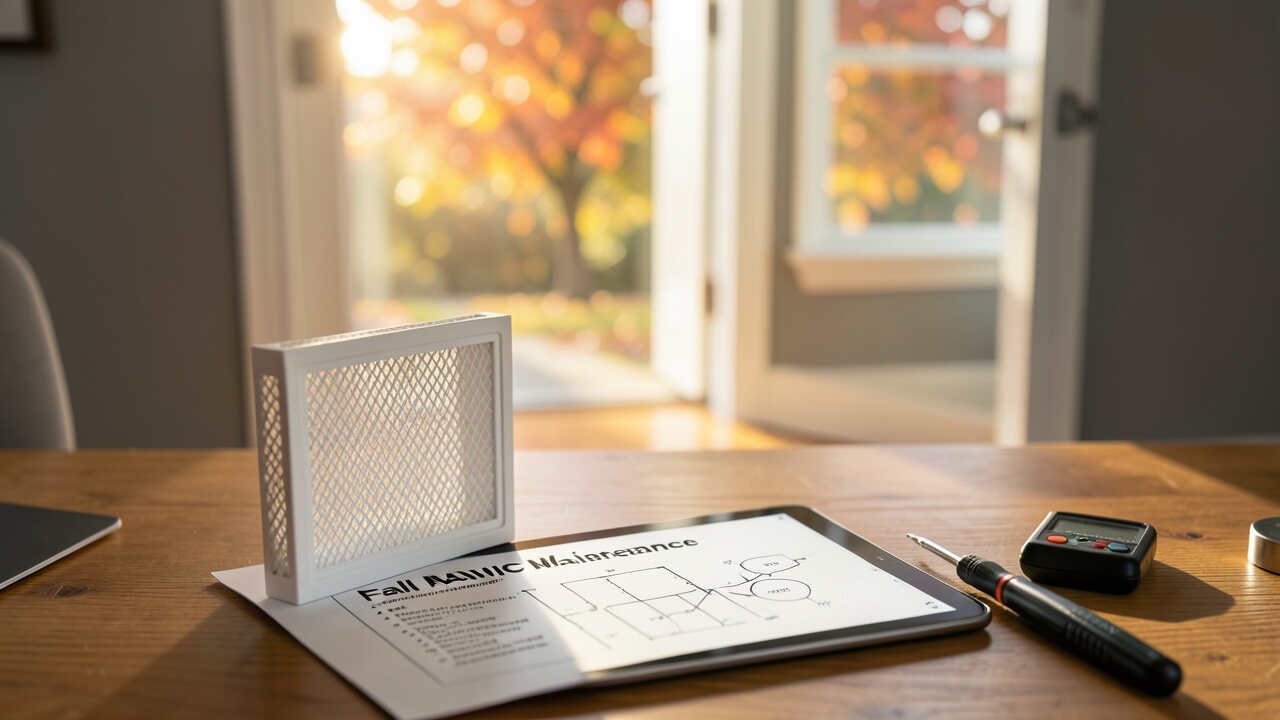
Fall HVAC Maintenance Checklist
As the weather cools, it’s time to prepare your heating system for winter. Fall maintenance focuses on ensuring your furnace or heat pump is in good working order. This prevents cold surprises and keeps your home warm and cozy.
Addressing potential issues now can save you from costly emergency service calls in the dead of winter.
Inspect and Change Furnace Filters
Just like with the air conditioner, your furnace uses an air filter. This filter traps dust and debris that circulates through your heating system.
A clean filter ensures efficient heating and better indoor air quality during the colder months.
A dirty filter makes your furnace work harder, using more energy.
- Frequency Check your furnace filter monthly. Replace it every 1-3 months, or as recommended by the manufacturer. More frequent changes are needed if you have pets or allergies.
- Filter Material Consider using a higher MERV-rated filter if your furnace can handle the increased airflow resistance. This can capture more fine particles, improving your home’s air quality.
- Proper Fit Make sure the filter is the correct size for your furnace. An ill-fitting filter will not protect your system effectively.
A dirty furnace filter can lead to several problems. It can cause your furnace to overheat. This might trigger a safety shutdown.
It can also lead to reduced airflow. This means less heat reaches your rooms. Over time, it can even damage the furnace’s heat exchanger.
Replacing the filter is a simple, cost-effective way to ensure your heating system runs efficiently and safely all winter long.
Check Your Furnace for Proper Operation
Before the really cold weather hits, it’s wise to test your furnace. Turn it on for a few minutes to ensure it’s working correctly. Listen for any unusual noises.
Look for any strange smells. You should feel warm air coming from the vents.
- Listen for Strange Sounds Grinding, squealing, or banging noises are not normal. These could indicate a problem with the fan motor or other moving parts.
- Smell for Odors A strong smell of gas is a serious safety concern. It means you should immediately turn off the furnace and call your gas company or a qualified technician. A faint, dusty smell is often normal for the first few uses after a long period of inactivity.
- Test Thermostat Settings Ensure your thermostat is working and set to the correct temperature.
Performing a test run allows you to identify potential issues early. For example, if your furnace ignites but then shuts off quickly, it could be a sign of a safety control issue. If you notice any of these problems, it is best to call a professional HVAC technician.
They can diagnose and fix the issue before it leaves you without heat.
Inspect and Clean Vents and Registers
Your vents and registers are where warm air enters your rooms. Over time, they can collect dust, dirt, and even pet hair. Cleaning them ensures that warm air can flow freely into your living spaces.
It also helps improve your home’s air quality by preventing dust from being blown around.
- Remove Grates Carefully remove the vent covers from the walls or floors.
- Clean Grates Wash the grates with soap and water.
- Vacuum Ducts Use a vacuum cleaner with a brush attachment to clean out the visible parts of the ductwork beyond the registers.
- Replace Grates Securely reattach the clean grates.
Blocked vents can impede airflow. This can create uneven temperatures throughout your home. Some rooms might be warmer than others.
Regular cleaning ensures that the heat your furnace produces reaches all parts of your house efficiently.
This contributes to consistent comfort and can help reduce the amount of time your furnace needs to run to maintain your desired temperature.
Check Your Heat Pump’s Defrost Cycle (If Applicable)
If you have a heat pump, it works differently than a furnace. In cold weather, heat pumps can sometimes develop ice on their outdoor coils. They have a defrost cycle to melt this ice.
It’s important to ensure this cycle is working properly.
- Observe Operation During very cold, damp weather, watch your outdoor heat pump unit. It should periodically reverse its operation for a few minutes to melt frost.
- Look for Steam You might see steam rising from the unit as the ice melts.
- Listen for Changes The unit might make different sounds during the defrost cycle.
A heat pump that doesn’t defrost properly can become coated in ice. This severely reduces its ability to extract heat from the outside air. Eventually, the unit may stop working altogether.
If you suspect your heat pump’s defrost cycle isn’t functioning correctly, it’s a sign to call a technician. They can check the reversing valve and other components. This ensures efficient heating throughout the winter.
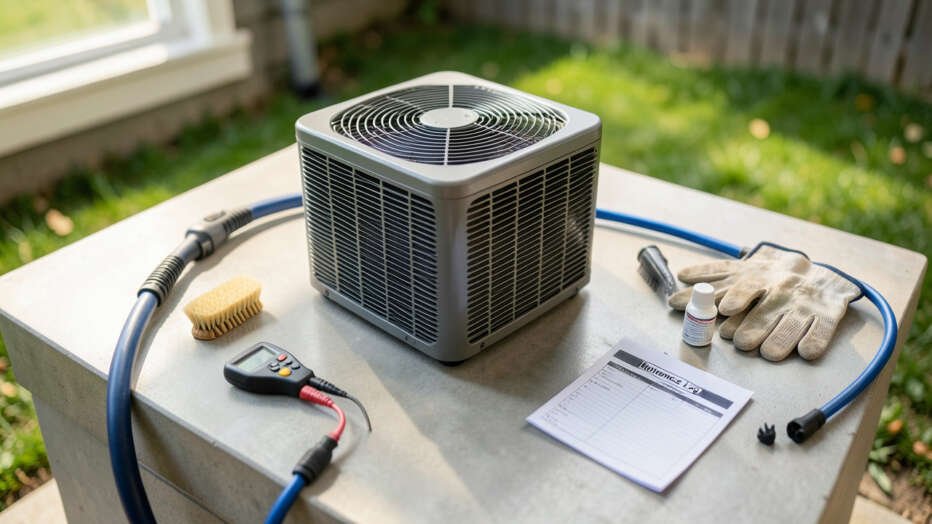
General HVAC Maintenance Tips
Beyond seasonal checks, there are ongoing maintenance practices that benefit your HVAC system year-round.
These simple habits can extend the life of your equipment and ensure it runs as efficiently as possible.
They are easy to incorporate into your routine and make a significant difference in overall performance.
Keep Airflow Unobstructed
Ensure that furniture, curtains, or other objects do not block your supply and return air vents.
Restricted airflow forces your HVAC system to work harder. This reduces efficiency and can lead to premature wear and tear on components.
Keep at least a few inches of clear space around all vents.
- Supply Vents These are where conditioned air comes into your rooms.
- Return Vents These pull air back into the system to be reconditioned.
Keeping these vents clear is a simple yet powerful way to maintain system performance. Imagine trying to run with a blocked nose; it’s much harder. The same applies to your HVAC system.
Unobstructed airflow allows conditioned air to circulate freely, ensuring your home stays comfortable with less effort from the system. This simple habit is a cornerstone of efficient HVAC operation.
Schedule Professional Tune-Ups
While DIY maintenance is valuable, professional tune-ups are essential. HVAC technicians have the tools and expertise to perform more in-depth checks. They can identify issues that might be invisible to the untrained eye.
Most experts recommend at least one professional tune-up per year.
A professional tune-up typically includes a thorough inspection of all major components. This includes checking refrigerant levels, testing electrical connections, lubricating moving parts, and inspecting the heat exchanger.
They can also identify potential problems like minor leaks or failing parts before they lead to a major breakdown.
Many HVAC companies offer maintenance plans that can cover these annual checks. These plans can also offer priority service and discounts on repairs.
Investing in professional maintenance can save you money in the long run by preventing costly emergency repairs and extending the life of your system.
Monitor Energy Bills for Unusual Changes
Your energy bills can be a good indicator of your HVAC system’s health. A sudden, unexplained increase in your electricity or gas bill might signal a problem. Your HVAC system is often the largest energy consumer in your home.
If it starts working less efficiently, your bills will reflect that. Be sure to compare your bills to previous months and the same months in prior years.
If you notice a significant spike in energy usage, it’s worth investigating. It could be a sign that your system is struggling. Perhaps a component is failing, or the system is simply running more often than usual.
Early detection through energy bill monitoring can lead to quicker fixes. This helps avoid larger repair costs and ensures your system operates at its optimal efficiency. It’s a simple, proactive step for homeowners concerned about system performance.
Maintain Clear Drainage Areas
For your outdoor AC unit, ensure the area around it remains clear. This includes the condensate drain line outlet. Proper drainage prevents water from pooling around the unit.
Water accumulation can lead to corrosion and can even affect the unit’s electrical components. Keep shrubs and plants trimmed back from the outdoor unit.
- Outdoor Unit Placement Ensure the outdoor unit is not situated in a low-lying area where water collects easily.
- Drain Line Outlet Check that the condensate drain line’s exit point is not blocked by soil or debris.
- Winterization In some colder climates, it’s recommended to cover the outdoor unit during winter. Ensure the cover allows for ventilation to prevent moisture buildup.
Proper drainage is vital for the longevity of your outdoor HVAC equipment. Standing water can create a breeding ground for mold and mildew. It can also cause rust and deterioration of metal parts.
By ensuring water flows away freely, you protect your investment. You also help maintain efficient operation throughout the year. This simple attention to the drainage path is a key element of good HVAC care.
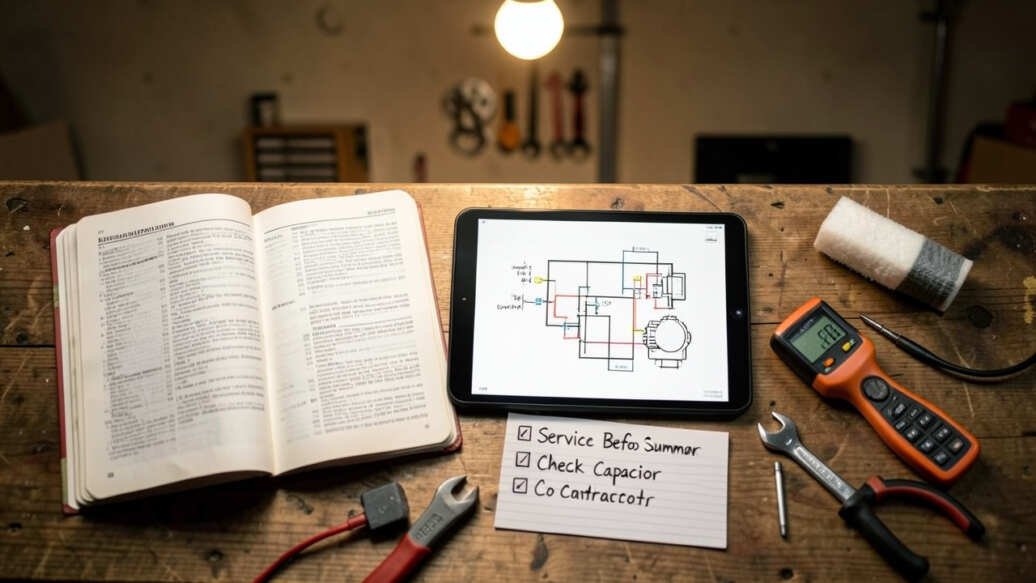
Troubleshooting Common HVAC Issues
Sometimes, despite regular maintenance, you might encounter minor HVAC problems. Knowing how to troubleshoot can help you identify the issue and sometimes even fix it yourself. This section covers a few common problems and their potential solutions.
System Not Cooling or Heating
If your system isn’t cooling or heating, the first step is always to check the thermostat. Make sure it’s set to the correct mode (cool or heat) and that the temperature setting is appropriate. Ensure the thermostat has power; check the batteries if it’s a battery-powered model.
- Thermostat Settings Double-check that the mode is correct and the temperature is set to achieve desired comfort.
- Power Check Ensure the thermostat is receiving power. Replace batteries if necessary.
- Circuit Breaker Locate your home’s electrical panel and check the breaker for your HVAC system. If it’s tripped, reset it once. If it trips again, call a technician.
A tripped circuit breaker is a common reason for a system shutdown. It’s a safety feature that prevents damage. If resetting it solves the problem, monitor the system closely.
If the breaker trips repeatedly, it indicates a more serious electrical issue that requires professional attention. Don’t keep resetting it, as this could cause further damage.
Uneven Heating or Cooling
If some rooms are comfortable while others are too hot or too cold, you might have an airflow problem.
Check for blocked vents, as mentioned earlier. Also, ensure that doors to unused rooms are not completely closed, which can disrupt air circulation.
Another cause of uneven temperatures can be ductwork leaks. If air is escaping from the ducts before reaching the rooms, some areas will receive less conditioned air.
Inspecting and sealing ductwork can significantly improve temperature consistency throughout your home.
If the problem persists, the issue might be related to the system’s overall capacity or balancing the airflow across different zones. This would likely require a professional assessment.
Strange Noises
Unusual noises coming from your HVAC system can indicate various problems. A rattling sound might mean a loose part, while a hissing sound could suggest a refrigerant leak.
A grinding or squealing noise often points to issues with the fan motor or other mechanical components.
For rattling, check if any panels or covers are loose and tighten them. If you hear hissing, turn off the system immediately and call a technician, as refrigerant leaks are dangerous and harmful to the environment.
Grinding or squealing noises also warrant professional attention, as they often involve motors or bearings that need repair or replacement.
Ignoring these sounds can lead to more severe and costly damage.
Pilot Light Issues (Gas Furnaces)
If your gas furnace has a pilot light that won’t stay lit, it could be a problem with the thermocouple or the gas valve.
The thermocouple is a safety device that senses the pilot flame. If it fails, it tells the furnace to shut off the gas.
Sometimes, a buildup of soot on the thermocouple can prevent it from working properly.
- Check Thermocouple Gently clean the thermocouple with a fine-grit sandpaper or a soft cloth.
- Relight Pilot Follow the manufacturer’s instructions for relighting the pilot light.
- Gas Valve Check If the pilot light still won’t stay lit after cleaning the thermocouple, the gas valve might be faulty. This requires a professional to diagnose and replace.
A faulty pilot light or thermocouple is a common issue in older gas furnaces. While cleaning the thermocouple can sometimes resolve the problem, a failing gas valve needs expert attention.
If you are uncomfortable working with gas appliances, it’s always best to call a qualified HVAC technician.
Safety is paramount when dealing with natural gas.
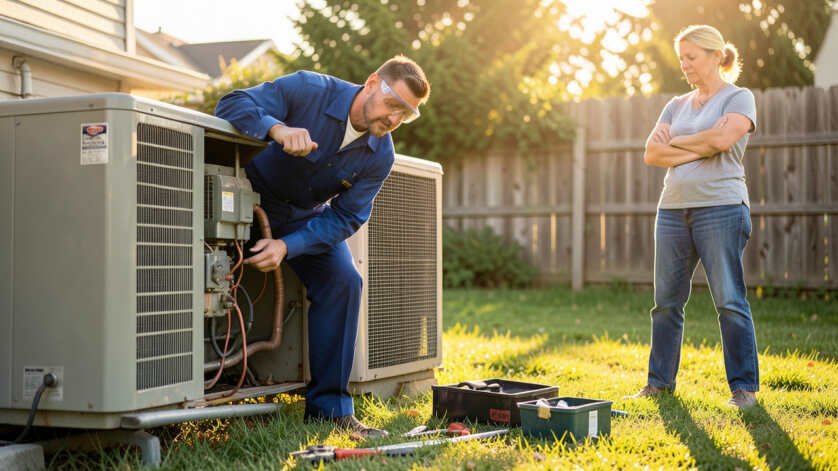
When to Call a Professional HVAC Technician
While many HVAC tasks are manageable for homeowners, some require the expertise of a trained professional. Knowing when to call for help is crucial for safety and ensuring proper repairs.
Complex Mechanical Issues
If your system is making loud, unusual noises like grinding or screeching, or if it’s leaking fluids, it’s time to call a technician. These noises often indicate internal mechanical problems.
Refrigerant leaks, for example, require specialized equipment and knowledge to repair safely and effectively.
Attempting these repairs yourself could be dangerous and might void your system’s warranty.
A technician can diagnose the exact cause of the noise or leak. They have access to diagnostic tools and replacement parts specific to your HVAC model. They also understand the complex interplay of components.
This ensures that the repair is done correctly the first time. It prevents further damage and ensures your system operates reliably after the fix.
Don’t risk damaging your expensive equipment by trying to fix complex mechanical issues alone.
Electrical Problems
Any issues related to your HVAC system’s electrical components should be handled by a professional.
This includes frequent circuit breaker trips, flickering lights when the system runs, or strange burning smells. Working with electricity is inherently dangerous.
An HVAC technician is trained to safely troubleshoot and repair electrical faults in your system.
They can identify issues with wiring, capacitors, motors, or control boards. Improperly handled electrical problems can lead to serious safety hazards, including fires.
A qualified technician has the necessary safety equipment and knowledge to work on these critical parts.
They can ensure that all electrical connections are secure and that the system is operating within safe parameters.
Your safety and the integrity of your home’s electrical system depend on professional care for these issues.
Refrigerant Leaks
Refrigerant is vital for your air conditioner or heat pump to cool your home. If you suspect a refrigerant leak, which might manifest as hissing sounds, reduced cooling performance, or ice buildup on coils, do not attempt to fix it yourself.
Refrigerants are pressurized chemicals that can cause serious harm if mishandled.
They are also regulated substances that require proper disposal and handling.
A professional HVAC technician has the training and equipment to detect, repair, and recharge your system with the correct type and amount of refrigerant.
They can also identify the source of the leak. This ensures that the problem is fully resolved, preventing future leaks.
Environmental regulations also require that refrigerant handling is done by certified professionals.
System Not Heating or Cooling Adequately After Basic Checks
If you’ve checked your thermostat, air filter, and circuit breaker, and your system still isn’t performing as it should, it’s time to call in the pros.
This could indicate a deeper issue with the compressor, fan motor, heat exchanger, or internal components. These parts are complex and require specialized diagnostic tools and expertise to service.
A professional can perform a comprehensive system check. They can test the performance of each major component. This helps them pinpoint the exact cause of the inadequate heating or cooling.
They can then provide the most effective solution. Trying to force a malfunctioning system can lead to more extensive damage and higher repair costs down the line. Trusting the professionals ensures the issue is resolved correctly.
Frequently Asked Questions Of How to Service Your HVAC System Before Each Season
Question: How often should I change my HVAC air filter
Answer: You should check your HVAC air filter at least once a month. Depending on the type of filter and your home environment (like if you have pets or allergies), you’ll likely need to replace it every 1 to 3 months.
Question: What are the signs of a refrigerant leak
Answer: Signs of a refrigerant leak include hissing noises from the unit, reduced cooling performance, ice buildup on the indoor or outdoor coils, and potentially higher energy bills due to the system working harder.
Question: Can I clean my outdoor AC unit myself
Answer: Yes, you can clean your outdoor AC unit yourself by clearing debris around it and gently rinsing the fins with a garden hose. Always turn off the power to the unit at the breaker before starting.
Question: My furnace is making a strange noise, what should I do
Answer: If your furnace is making unusual noises like grinding, squealing, or banging, turn it off and call a professional HVAC technician. These sounds often indicate mechanical problems that need expert attention.
Question: How can I tell if my ductwork is leaking
Answer: Signs of leaky ductwork include uneven temperatures in different rooms, dusty rooms, and unusually high energy bills. You can also visually inspect accessible ductwork for gaps or disconnections.
Conclusion
Taking care of your HVAC system before each season is simple and smart. You can keep your home comfortable and save money. These steps help your system run better for longer.
Performing basic checks yourself and knowing when to call a pro makes a big difference. Enjoy a consistently comfortable home all year round.

![10 Foods You Can Cook In A Deep Fryer (Beyond Fries)[1]](https://creativehouseblog.com/wp-content/uploads/2026/04/10_Foods_You_Can_Cook_In_A_Deep_Fryer_Beyond_Fries1-768x448.jpg)
![10 Creative Foods You Can Make In A Sandwich Maker[1]](https://creativehouseblog.com/wp-content/uploads/2026/04/10_Creative_Foods_You_Can_Make_In_A_Sandwich_Maker1-768x448.jpg)
![How to Fix a Leaking Gutter Joint Without Replacing It[1]](https://creativehouseblog.com/wp-content/uploads/2026/05/How_to_Fix_a_Leaking_Gutter_Joint_Without_Replacing_It1-768x403.jpg)
![Are Induction Cooktops Energy Efficient[1]](https://creativehouseblog.com/wp-content/uploads/2026/03/Are_Induction_Cooktops_Energy_Efficient1-768x448.jpg)
![Bread Maker Settings Explained Simply (2)[1]](https://creativehouseblog.com/wp-content/uploads/2026/03/Bread_Maker_Settings_Explained_Simply_21-768x448.jpg)
![Air Fryer vs Deep Fryer Differences Explained[1]](https://creativehouseblog.com/wp-content/uploads/2026/03/Air_Fryer_vs_Deep_Fryer_Differences_Explained1-768x448.jpg)