Outdoor chairs tip backward when the center of gravity shifts behind the rear legs, typically because the user sits too far forward on a chair with short rear legs or a narrow base. This instability is worsened by soft surfaces like grass or sand, where legs sink unevenly. Adding weight to the front of the chair or selecting a design with a wider base and longer rear legs can reliably prevent tipping without needing replacement.
You sit down in your outdoor chair and it suddenly lurches backward. This guide covers the real reasons why does your outdoor chair keep making you tips backward and how to fix it.
Simply put, outdoor chairs tip backward when the center of gravity shifts behind the rear legs. This happens when you sit too far forward on a chair with short rear legs, sit on a soft surface that lets the legs sink, or use a chair with a narrow base. The fix often involves adding counterweights, adjusting the leg angle, or choosing a different chair design altogether.
Key Takeaways
- Outdoor chairs tip backward because the center of gravity shifts behind the rear legs, often due to improper sitting position or chair design.
- Short rear legs and a narrow base are the most common design flaws that cause backward tipping in outdoor chairs.
- Adding weight to the front of the chair or adjusting the leg angle can solve most tipping problems without buying a new chair.
- Soft surfaces like grass or sand make chairs less stable because the legs sink unevenly into the ground.
- Choosing a chair with a wider base and longer rear legs prevents tipping before it starts.
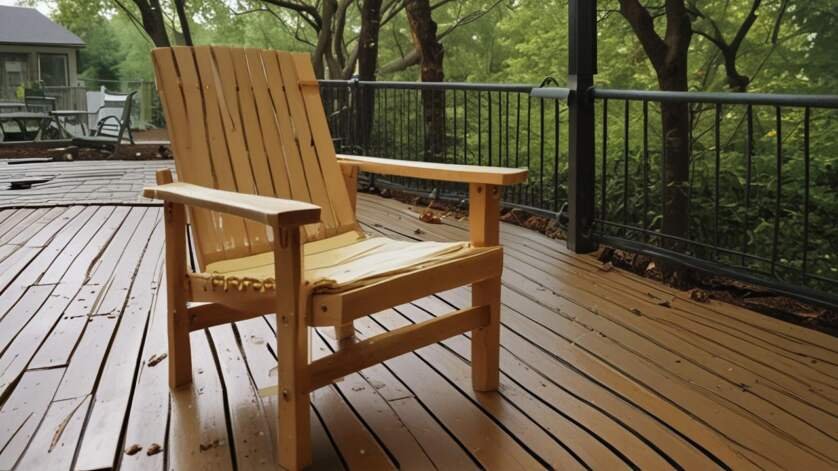
What Is Chair Tipping and Why Is It Dangerous?
Chair tipping happens when a chair falls backward while someone is sitting in it. The rear legs lift off the ground and the person falls backward. This is more than just an inconvenience.
According to the, over 40,000 people visit emergency rooms each year due to chair-related falls. Many of these incidents happen with outdoor chairs on soft or uneven ground. Backward tipping can cause head injuries, back injuries, and broken bones.
Outdoor chairs are especially prone to tipping because they are lightweight. Many are made from aluminum or plastic. They are designed to be portable. But portability often comes at the cost of stability.
Warning: A backward fall from a chair can cause serious injury, especially for older adults and children. Always check the stability of an outdoor chair before sitting down, particularly on soft or uneven ground.
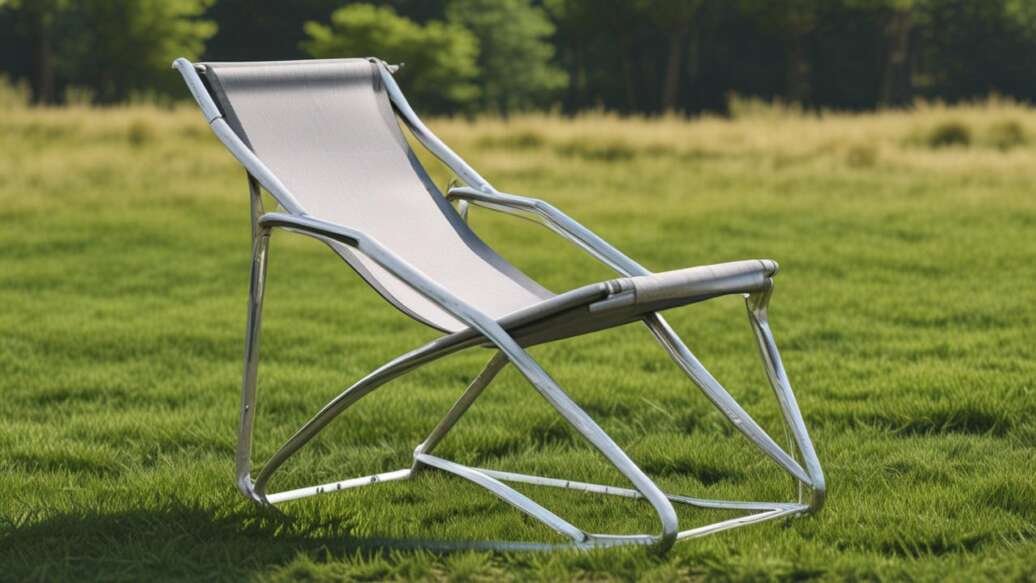
How Does Chair Design Affect Stability?
Chair design plays a major role in whether a chair tips backward. The key factors are the center of gravity, the base width, and the rear leg length.
The center of gravity is the point where your weight and the chair’s weight balance. When you sit, your center of gravity is usually above your hips. If the rear legs are too short or the base is too narrow, your center of gravity can shift behind the rear legs. This causes the chair to tip.
Three design features most often cause tipping:
- Short rear legs – The rear legs do not extend far enough behind the sitter’s center of gravity. When you lean back even slightly, the chair tips.
- Narrow base – The distance between the left and right rear legs is too small. A narrow base provides less stability side-to-side and front-to-back.
- Lightweight frame – Chairs made from thin aluminum or plastic do not have enough weight to resist tipping. The chair itself moves before your weight stabilizes it.
The sets standards for furniture stability. ASTM F1562 is the standard for outdoor seating. Chairs that meet this standard are tested for tipping resistance on both hard and soft surfaces.
| Design Feature | How It Causes Tipping | What to Look For |
|---|---|---|
| Short rear legs | Center of gravity shifts behind the legs | Rear legs less than 12 inches from seat edge |
| Narrow base | Less stability in all directions | Base width less than 18 inches |
| Lightweight frame | Chair moves before weight stabilizes it | Chair weight under 8 pounds |
| Soft or uneven ground | Legs sink unevenly, shifting the base | Grass, sand, gravel, or sloped surfaces |
Tip: Before buying an outdoor chair, test its stability by sitting in it on a flat, hard surface. Shift your weight forward and backward. If the rear legs lift easily, the chair is not stable enough for soft ground.
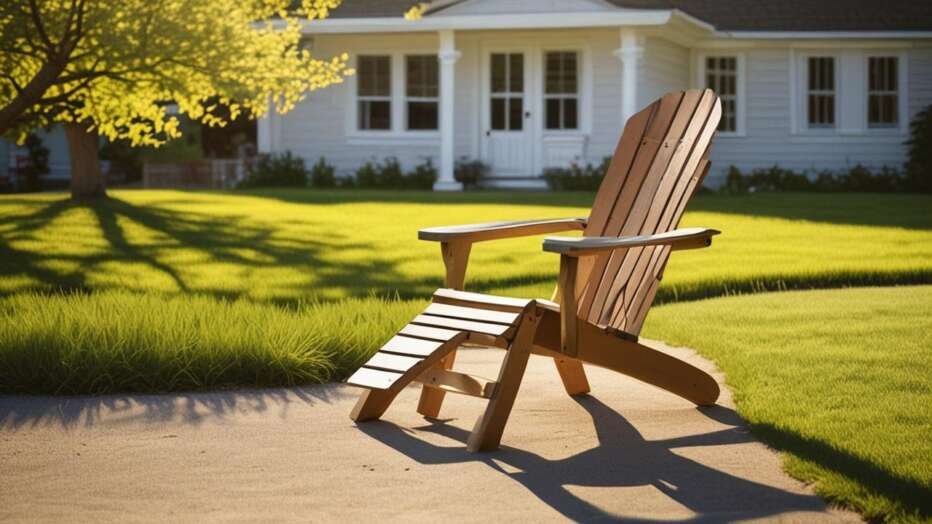
What Causes an Outdoor Chair to Tip Backward?
Several specific factors cause outdoor chairs to tip backward. Some are design-related. Others come from how you use the chair or where you place it.
The most common cause is sitting too far forward on the chair. When you sit forward, your center of gravity shifts to the front. This lifts the rear legs off the ground. A slight lean backward is then enough to tip the chair.
Another common cause is the chair sinking into soft ground. On grass, sand, or gravel, the rear legs can dig into the surface. This changes the angle of the chair. The seat tilts backward slightly. This small angle shifts your center of gravity behind the rear legs.
Other causes include:
- Leaning backward – Many people lean back to relax. If the chair has short rear legs, leaning back even a few degrees can cause tipping.
- Uneven legs – Bent or damaged legs make the chair unstable. One side may sit lower than the other. Even a small difference can cause tipping.
- Adding weight to the back – Hanging a bag or jacket on the back of the chair adds weight behind the rear legs. This makes tipping more likely.
- Using a chair on a slope – A chair placed on a downhill slope has a natural tilt. This tilt can push the center of gravity backward.
The reports that over 30 percent of chair-related injuries involve chairs tipping over. Outdoor chairs account for a large share of these injuries because they are used on varied surfaces.
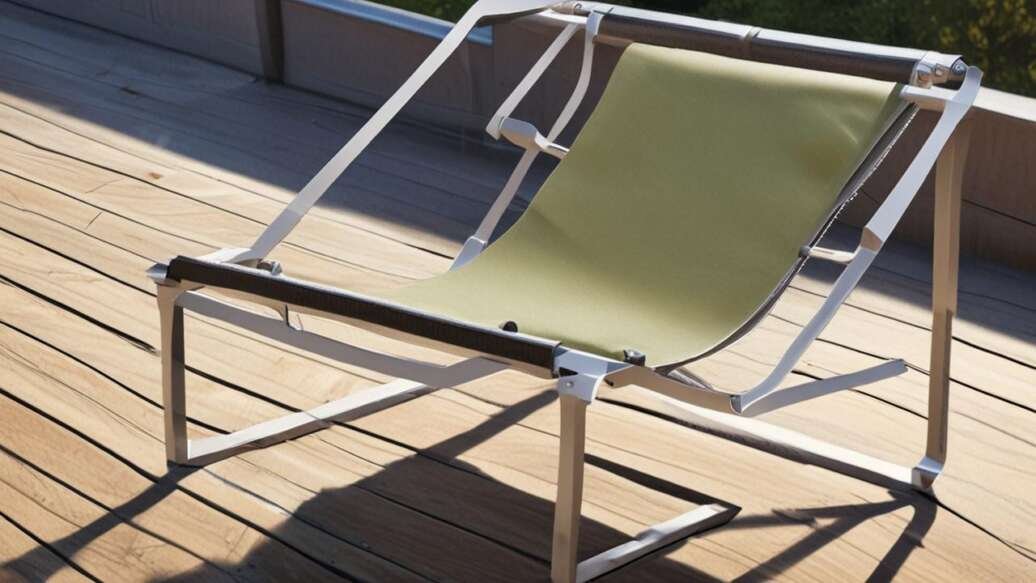
How to Fix an Outdoor Chair That Tips Backward
You can fix most tipping problems without buying a new chair. The right fix depends on why the chair is tipping. Follow these steps to diagnose and solve the problem.
Step 1: Check the Surface
Place the chair on a flat, hard surface like concrete or a patio. Sit in the chair. Shift your weight forward and backward. If the chair does not tip on a hard surface, the problem is the ground. Use the chair only on hard surfaces. Or add a flat base under the legs.
Step 2: Check the Legs
Look at all four legs. Are they bent or damaged? Is one leg shorter than the others? Use a tape measure to check the height of each leg from the ground to the seat frame. If one leg is shorter, replace the leg or add a shim to balance it.
Step 3: Add Weight to the Front
Adding weight to the front of the chair shifts the center of gravity