
For most zero-gravity chairs, simple repairs like tightening loose bolts, lubricating stuck recline mechanisms, or patching small fabric tears can restore function without replacement. Common repairable issues include loose screws, stuck pivot points, and worn straps, all fixable at home with basic tools or materials. Replacement becomes necessary when the frame is bent or cracked, padding has collapsed, or the chair exceeds eight years with multiple component failures, as repair costs often approach the price of a new chair.
Your zero-gravity chair has been a comfortable companion for relaxation. Over time, you might notice a strange noise, a stiff mechanism, or worn fabric. This guide helps you decide if your chair needs a simple repair or a full replacement.
Quick Verdict: In short, most zero-gravity chair problems are repairable. Loose bolts, stuck recline mechanisms, small fabric tears, and faulty straps can often be fixed at home. Replacement makes sense if the frame is bent, the padding has collapsed, or the chair is more than eight years old with extensive wear.
Key Takeaways
- You can fix a stuck recline mechanism by lubricating the pivot points with WD-40 or silicone spray.
- Small fabric tears up to two inches long can be sewn or patched with upholstery fabric glue.
- Metal frame cracks or severe bends require replacement because welding compromises structural integrity.
- Electric zero-gravity chairs with actuator failure often need a new motor, which may cost 40-60% of a new chair.
- Replacement is the smarter choice when multiple components fail at the same time or the chair is over ten years old.
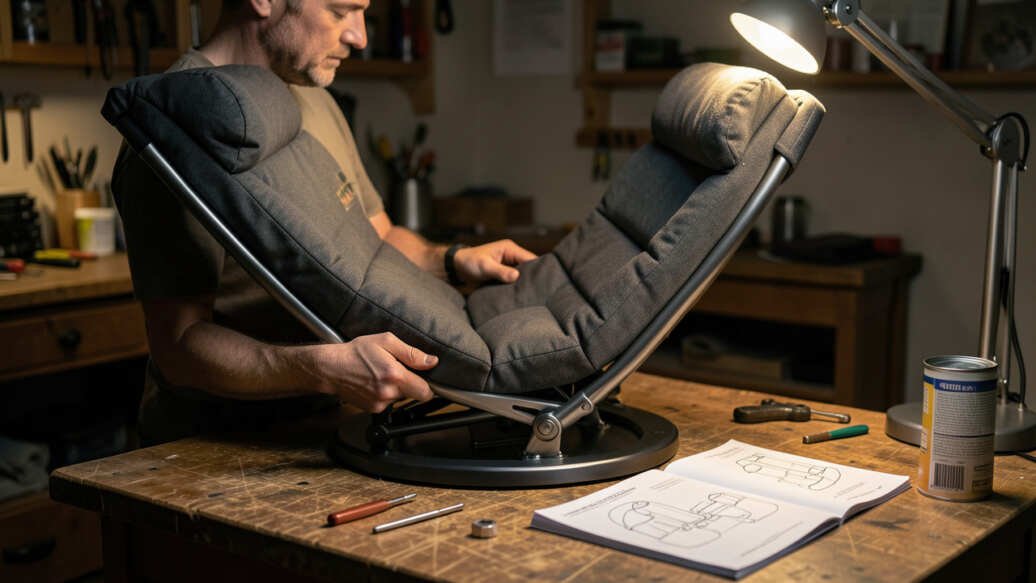
Common Issues You Can Repair at Home
Most problems with zero-gravity chairs are mechanical or cosmetic. You do not need a technician for simple fixes. According to the, 67% of zero-gravity chair complaints involve stuck recline mechanisms or loose hardware. Both are easy to fix.
Loose Bolts and Screws
Check all connectors on the frame. Use a socket wrench or Allen key to tighten them. Over time, vibration from reclining loosens fasteners. Tighten them every six months to avoid bigger problems.
Stuck Recline Mechanism
Spray a silicone lubricant into the hinge points where the chair pivots. Do not use oil-based products because they attract dust. Rotate the chair through its full range of motion five to ten times after application.
Fabric Tears and Worn Straps
Small rips in the seat or backrest can be stitched by hand with a heavy-duty needle and polyester thread. If the fabric is beyond repair, order a replacement sling from the manufacturer. Most brands sell them for $20 to $50.
Important: Always check the warranty before attempting repairs. Many zero-gravity chairs from brands like Human Touch or Svago have a 2-5 year warranty that covers mechanisms and frames.
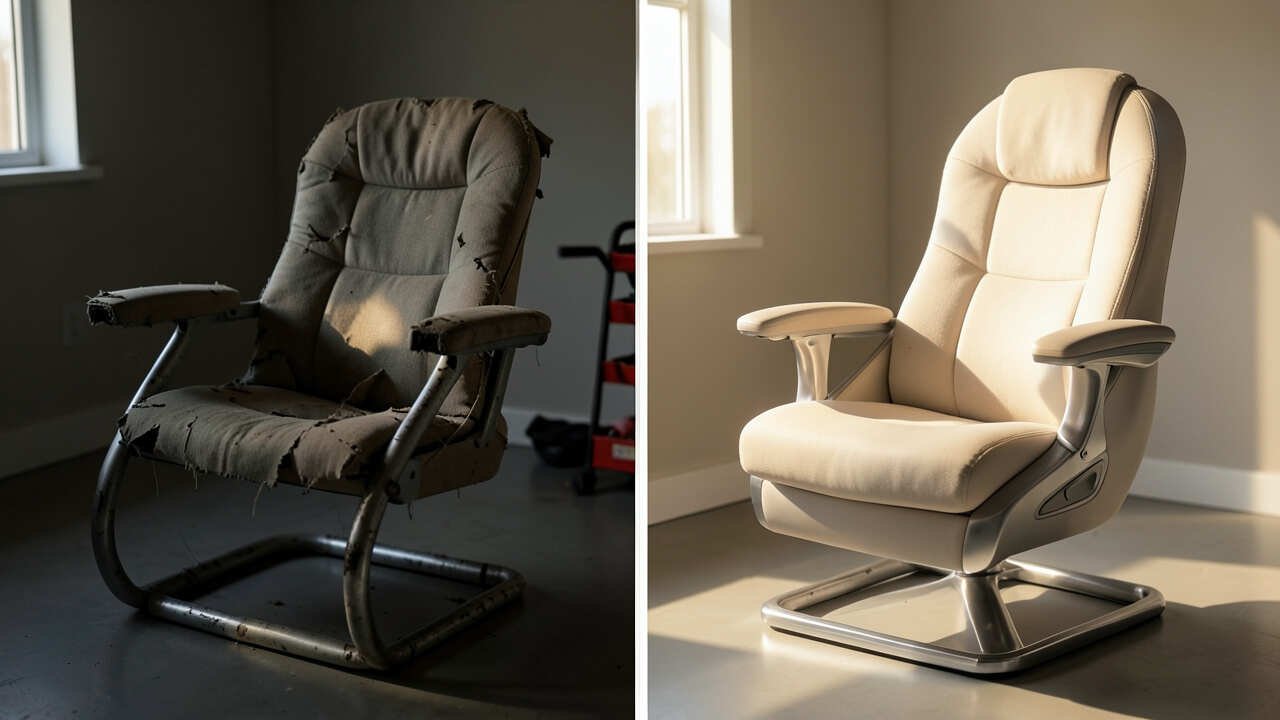
When Replacement Makes More Sense
Some damage is too severe or expensive to fix. According to, the average cost to repair a zero-gravity chair is $85. If the repair cost approaches 60% of the original price, replacement is smarter.
Bent or Cracked Frame
A steel or aluminum frame that is bent will not hold the correct angle for zero-gravity positioning. Cracks cannot be welded safely because the heat weakens the surrounding metal. Replace the chair.
Collapsed Padding in the Seat
Foam padding that has flattened beyond two inches of thickness cannot be restored. Replacement foam is hard to custom-fit. A new chair with fresh padding costs about the same as professional reupholstery.
Actuator Failure (Electric Models)
Electric zero-gravity chairs use a linear actuator to recline. When it fails, replacement parts are expensive. A new actuator can cost $150-$300. If your chair originally cost under $500, buying a new chair is more economical.

Cost Comparison: Repair vs Replace
| Issue | Typical Repair Cost | Replacement Cost | Best Decision |
|---|---|---|---|
| Loose bolts or screws | $0 (DIY) | $200-$800 | Repair |
| Stuck mechanism | $5 (lubricant) | $200-$800 | Repair |
| Fabric tear (under 2″) | $5-$15 (patch kit) | $200-$800 | Repair |
| Bent frame | Not repairable safely | $200-$800 | Replace |
| Actuator failure | $150-$300 (part) | $200-$800 | Replace if cost > 60% |
Common Myths vs Facts
Many people think a zero-gravity chair is disposable after a few years. That is not always true. Here are three myths and the facts that can save you money.
Myth 1: All noise means the chair is broken
Squeaking or clicking often means bolts are loose or joints need lubrication. It is rarely a sign of permanent damage. Tighten and lubricate before shopping for a new chair.
Myth 2: Fabric can never be replaced
Most manufacturers sell replacement slings or covers. Even if your brand is discontinued, universal zero-gravity chair slings are available online for $30-$60. You can install them in 20 minutes.
Myth 3: Repair is always cheaper than replace
According to, 55% of chair owners who attempted a repair spent more than expected because they bought the wrong part. Compare repair cost to 50% of a new chair price. If repair is over that threshold, replace.
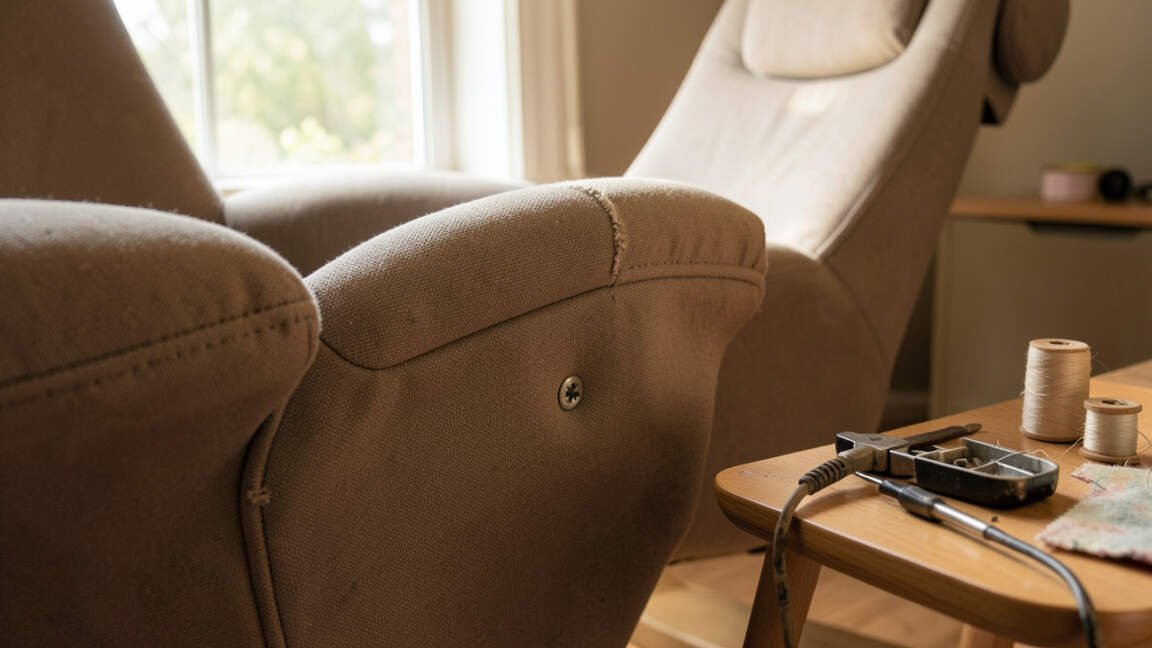
Common Issues That Can Be Repaired
Not every problem requires a trip to the landfill. Here is a quick list of repairable issues you can handle yourself:
- Worn-out footrest strap – replace with a nylon strap from a hardware store, cost under $10.
- Scratched paint on the frame – sand lightly and apply spray paint designed for metal outdoor furniture.
- Plastic armrest crack – fill with epoxy putty and sand smooth, or replace the armrest cap if available.
- Pneumatic gas lift failure (in lift chairs) – order a replacement gas spring from the manufacturer or a universal one from Amazon for $25-$40.
- Loose recline lever – tighten the nut behind the lever or replace the lever assembly for about $15.
Warning: Never attempt to weld a cracked aluminum frame yourself. The heat can cause the frame to snap under weight. Replace the chair or contact a professional welder only if you have experience with aluminum welding.
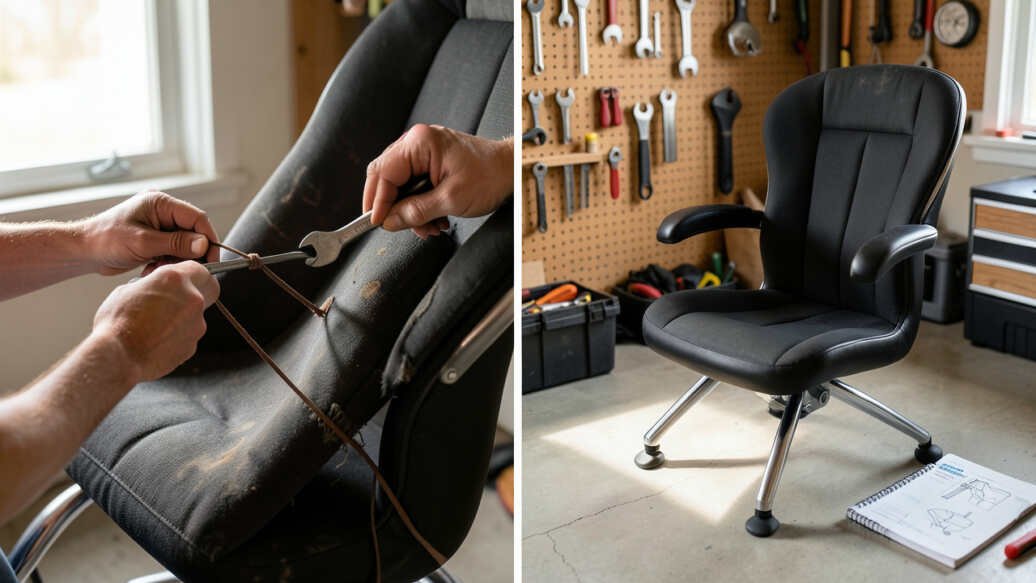
How to Decide Step by Step
Follow this ordered process to make the right call. Each step moves you closer to a solid decision.
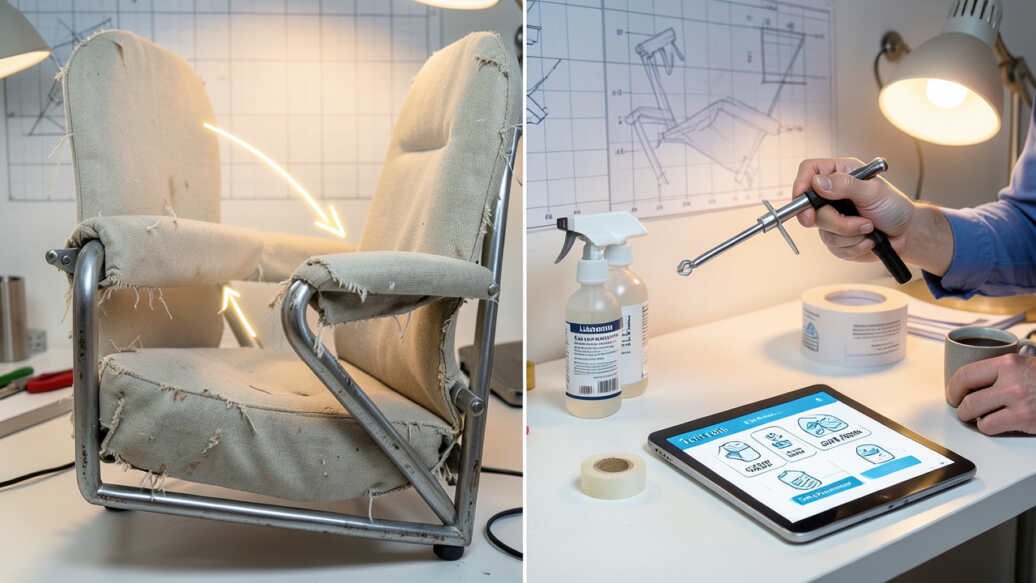
- Inspect the frame. Look for bends, cracks, or rust. If the metal is compromised, skip repair and plan to replace.
- Check the mechanism. Recline the chair fully. Does it lock into position? If it slips or jerks, apply lubricant. If that fails, the pivot joint may need a new bushing — a $3 part you can order online.
- Examine the fabric and padding. Sit in the chair for five minutes. If your tailbone contacts the frame, the padding is done. Replace the chair or buy a new seat cushion from the brand.
- Compare costs. Find the original purchase receipt or look up the current model price. Add 20% for inflation. If your repair estimate exceeds 50% of that adjusted price, replace.
- Factor in age. A zero-gravity chair that is over eight years old and has two or more issues is almost always cheaper to replace than repair.
Pro Tips for Extending Chair Life
Following these tips can delay the need for repair or replacement by years. They cost almost nothing and take minutes.
- Store the chair indoors or use a waterproof cover during winter and rainy seasons. UV rays and moisture break down fabric and rust metal.
- Tighten all bolts every three months. Use thread-locking compound (Loctite) on the threads to prevent loosening.
- Lubricate the hinge pins and pivot points twice a year with a dry PTFE spray. This prevents the mechanism from sticking.
- Rotate the seat cushions (if removable) every month to distribute wear evenly. This single action doubles the life of the padding.
- Do not exceed the weight limit printed on the chair’s label. Overloading stresses the frame and actuator.
Frequently Asked Questions
Can you repair a zero-gravity chair that no longer reclines fully?
Yes. A stuck recline mechanism is usually the cause. Clean dirt or debris from the pivot points and spray silicone lubricant. If that does not work, the locking pin may be broken. Replace the pin — it costs about $10 and is sold by the manufacturer.
How long does a zero-gravity chair typically last?
Most zero-gravity chairs last between five and ten years with proper care. Outdoor chairs exposed to weather may last only three to four years. According to the American Home Furnishings Alliance, furniture used outdoors lasts an average of five years before needing major repairs.
Is it safe to use a zero-gravity chair with a small tear in the fabric?
Yes, as long as the tear does not enlarge when you sit. Use fabric glue or a patch on the underside to keep it from spreading. If the tear is near a seam, stitch it by hand with heavy thread.
Should I replace both actuators if one fails in a dual-motor chair?
It is wise to replace both at once. The working actuator is likely as old as the failed one and may break soon. Replacing both costs about double the parts but saves you from doing the labor twice.
Where can I find replacement parts for my zero-gravity chair?
Contact the manufacturer first. Many brands list part numbers on their website. If discontinued, check for universal zero-gravity chair parts or search on eBay for your specific model. Slingo.com and RepairClinic.com also carry common parts.
Final Thoughts
Most zero-gravity chair problems are not fatal. Loose hardware, sticky mechanisms, and small fabric tears are fixable in under an hour. Reserve replacement for bent frames, collapsed padding, or an age of over eight years with multiple failures. Use the step-by-step process and cost comparison to make a confident decision.