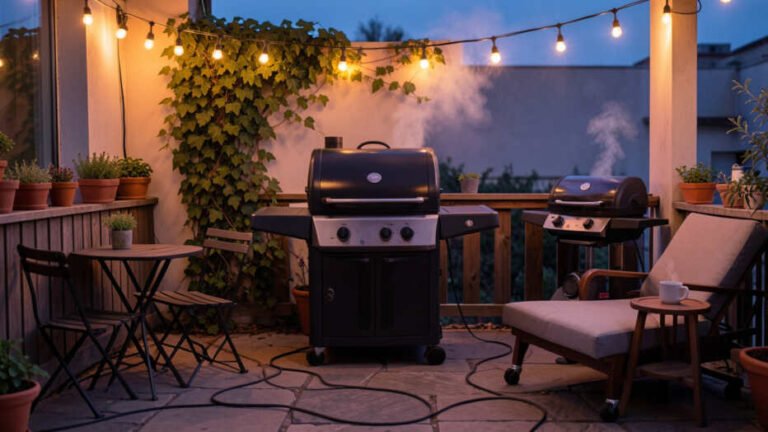
For a small patio, a gas grill is generally the better choice because it offers instant heat up in 10-15 minutes, precise temperature control to prevent dangerous flare-ups, and simpler cleanup in a compact space. Charcoal grills deliver richer smoky flavor but require 20-30 minutes to reach cooking temperature, more ventilation due to smoke, and additional storage for accessories, making them less suited for tight areas. To ensure a proper fit, measure your patio before purchasing and opt for a gas model under 36 inches wide, or choose a portable charcoal option like the Weber Smokey Joe if smoky flavor is your top priority.
Choosing between a gas and a charcoal grill for a small patio can feel like a major decision. This comparison breaks down the key differences to help you pick the best grill for your outdoor space.
Quick Verdict: In short, a gas grill is generally better for a small patio. It offers instant heat, precise temperature control, and easy cleanup. Charcoal grills deliver richer smoky flavor but require more space, time, and ventilation. For most small patios with limited room and storage, gas wins for convenience and safety.
Tip: Measure your patio before buying. Most gas grills for small patios are under 36 inches wide. Compact charcoal grills like the Weber Smokey Joe work well if you prioritize flavor over convenience.
Key Takeaways
- A gas grill heats up in 10-15 minutes and allows you to adjust temperature instantly, which is critical on a small patio where flare-ups can be dangerous.
- Charcoal grills produce a stronger smoky flavor, but they take 20-30 minutes to reach cooking temperature and require more cleanup.
- Safety is a bigger concern on small patios: gas grills have fewer open flames and less smoke, making them more suitable for balconies or enclosed spaces.
- Storage and portability matter; many gas grills have side tables that take up space, while compact charcoal grills can be stored easily during off-season.
- According to the, gas grills account for about 64% of all grill sales in the U.S., reflecting their popularity for convenience.
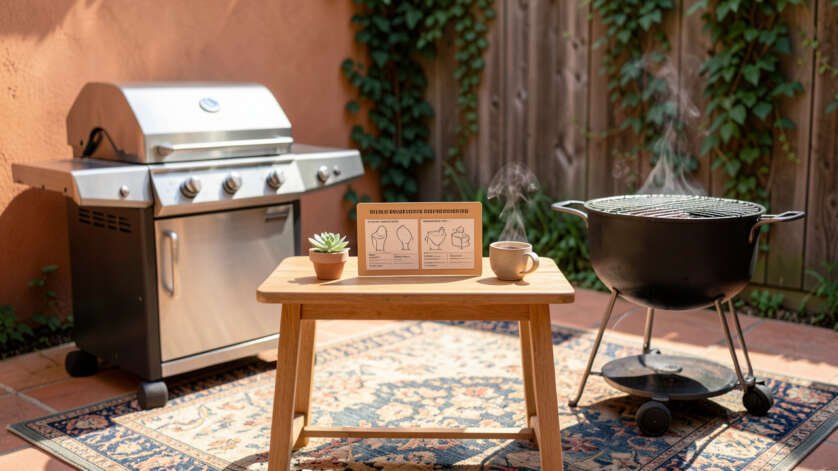
Quick Comparison Table
| Factor | Gas Grill | Charcoal Grill |
|---|---|---|
| Heat Time | 10-15 minutes | 20-30 minutes |
| Temperature Control | Precise via knobs | Manage by air vents |
| Flavor | Mild, less smoky | Strong, authentic smoke |
| Cleanup | Easy – scrape grates, empty drip tray | Messy – ash disposal, soot |
| Space Required | Medium (with side tables) | Small to medium |
| Portability | Less portable (propane tank) | Very portable (lightweight) |
| Cost (Compact Model) | $150 – $400 | $30 – $150 |
| Fuel Cost Per Use | $0.20 – $0.50 (propane) | $0.10 – $0.30 (charcoal) |
| Safety Risk | Low (gas leaks rare) | Moderate (hot coals, ash) |
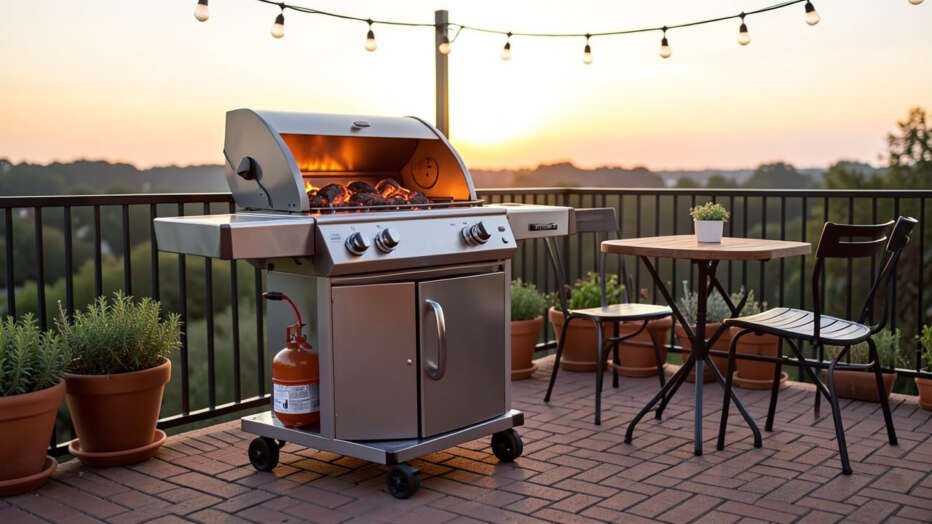
Gas Grill Overview for Small Patios
A gas grill uses propane or natural gas to produce heat. It is the top choice for small patios because of its convenience. You turn a knob and wait a few minutes. The flame ignites instantly. Most models have two or three burners that let you control heat zones.
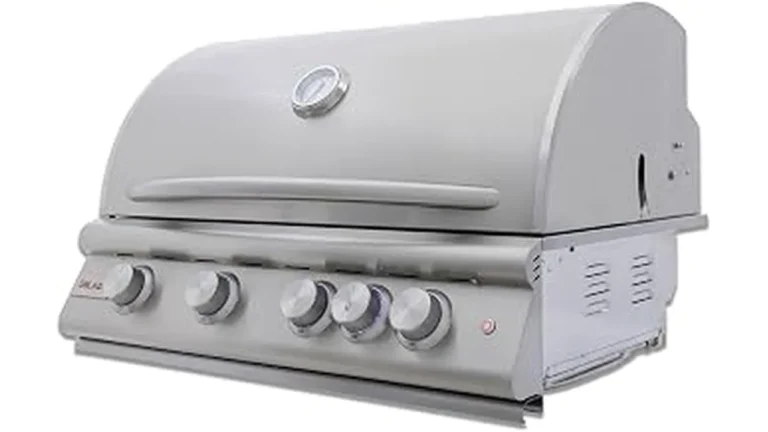
Gas grills for small patios come in sizes as small as 20 inches wide. Many include foldable side tables that save space when not in use. The and the offer compact models under 36 inches. These grills also include a lid for even cooking and a built-in thermometer.
Pros of Gas Grills
- Quick startup with push-button ignition saves time on busy weeknights.
- Precise temperature control prevents burning food on a small patio where you cannot move away from heat.
- Cleanup involves only scraping the grates and emptying the drip tray.
- Less smoke production makes them safe for balconies and covered patios.
Cons of Gas Grills
- Initial cost is higher, typically $150 to $500 for a good compact model.
- You need to store a propane tank, which takes up floor space.
- Flavor is milder than charcoal; you may need a smoker box to add smoke.
- Side tables can make the unit wider than your patio allows.
Important: Check your local fire codes. Many apartment buildings and condos prohibit charcoal grills on balconies. Gas grills with 20-pound propane tanks are often allowed but must be kept at least 10 feet from doors.
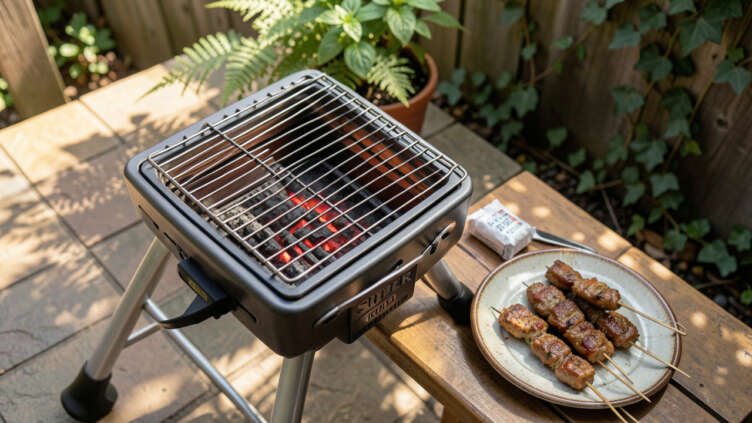
Charcoal Grill Overview for Small Patios
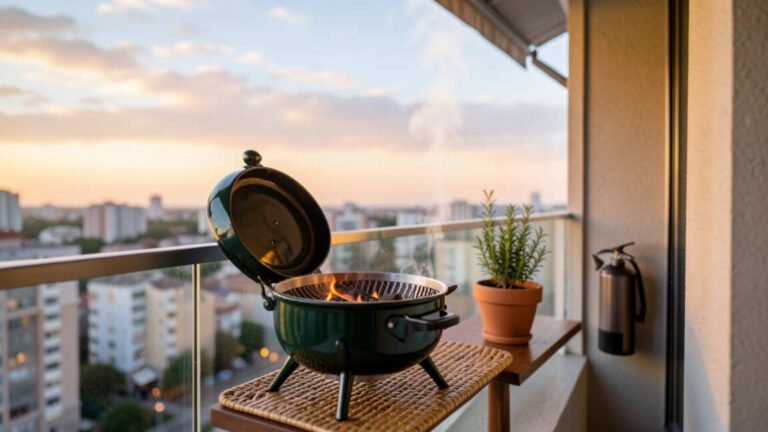
A charcoal grill uses charcoal briquettes or lump charcoal as fuel. It burns at higher temperatures and produces a distinct smoky flavor that many grill lovers prefer. For small patios, you can choose from kettle-style grills like the (22 inches) or portable models like the.
Charcoal grills require more space for the unit and for safe operation. You need to place it on a non-combustible surface. The chimney starter and bags of charcoal also need storage. Ash disposal is another consideration. Despite these downsides, many people insist that charcoal delivers unbeatable taste.
Pros of Charcoal Grills
- Superior smoky flavor that many believe cannot be replicated by gas.
- Higher maximum temperatures (up to 700°F) for perfect searing on steaks.
- Lower upfront cost – a basic kettle grill starts around $40.
- Portable models are lightweight and easy to move around the patio.
Cons of Charcoal Grills
- Slow to light and heat – you must plan 20-30 minutes ahead.
- Messy cleanup with ash and soot that can stain patio floors.
- Hard to control temperature – you adjust the vents and wait.
- Flare-ups from dripping fat are more frequent and harder to manage in a small area.
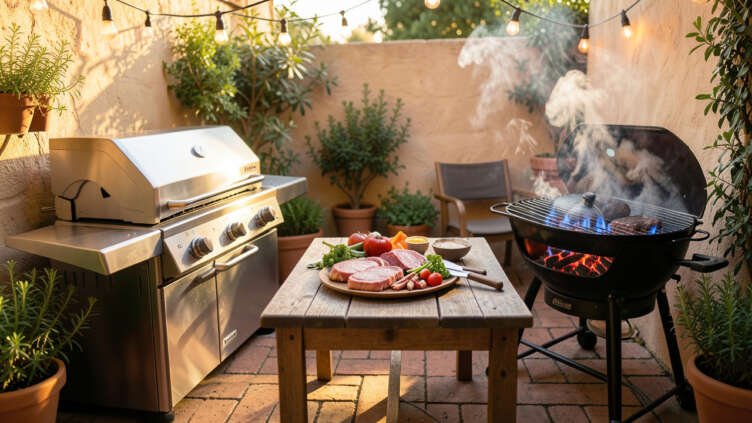
Head-to-Head Comparison
Cost
Gas grills cost more initially but have lower per-use fuel cost if you refill propane. A 20-pound propane tank costs about $20 and lasts 15-20 grilling sessions. Charcoal is cheaper per session if you buy briquettes in bulk. However, you may use a chimney starter or lighter fluid, which adds to the expense. Over a year of weekly grilling, both options cost roughly $50-80 in fuel.
Ease of Use
Gas wins for convenience. You turn a knob and grill in minutes. Charcoal requires you to light the coals, wait for them to ash over, then spread them. On a small patio, this extra time and attention can be frustrating, especially in windy conditions.
Flavor
Charcoal produces a deep, smoky flavor that many consider the gold standard. Gas grills give a clean, almost neutral taste. You can add wood chips to a gas grill using a smoker box, but the effect is weaker. If flavor is your top priority, charcoal is better. The tests confirm that charcoal imparts more flavor to meats.
Space and Storage
Gas grills require space for the unit and propane tank. Most compact gas grills have a footprint of about 2 feet by 3 feet. Charcoal grills can be smaller and store easily in a closet or under a table. However, you also need to store charcoal and accessories. If your patio has storage constraints, charcoal may be more practical.
Safety
Gas grills have fewer open flames and produce less smoke. This makes them safer for small patios, especially if your patio is near windows or ventilation. Charcoal grills produce carbon monoxide, so you must never use them indoors or in enclosed spaces. Many apartment leases explicitly ban charcoal grills for fire risk.
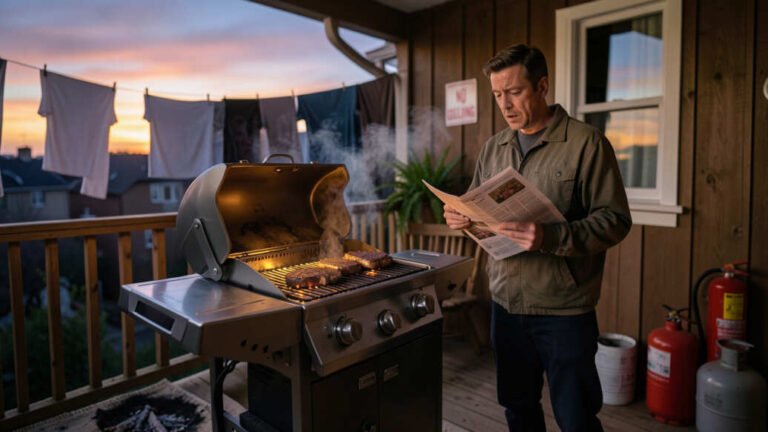
Warning: Never use a charcoal grill on a wooden porch or balcony without fire protection. The hot coals can cause severe burns and property damage. Always place charcoal grills on concrete, stone, or metal surfaces.
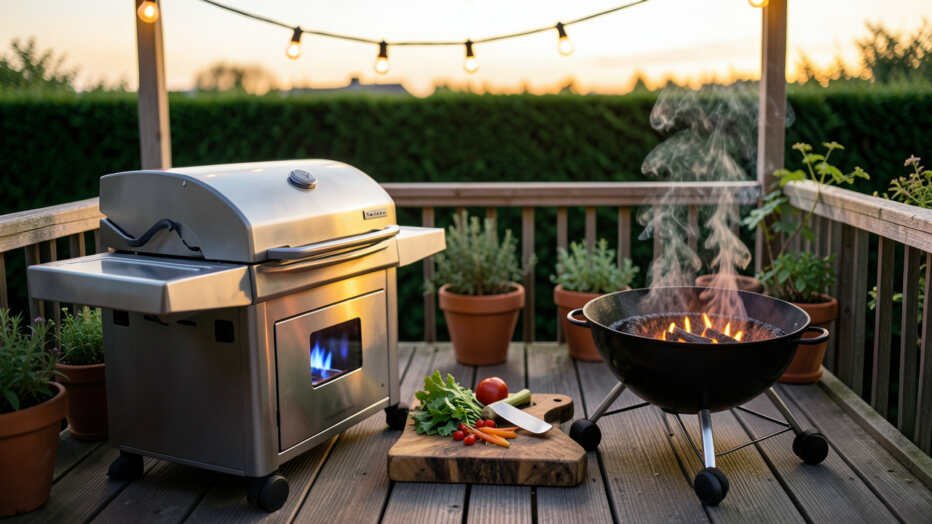
Which One Should You Choose for a Small Patio?
Is a gas or charcoal better for a small patio? The answer depends on your priorities. Choose a gas grill if you value convenience, quick meals, and safety above all. It works best for small patios where space is tight and you cook 2-4 servings. Choose a charcoal grill if you are a flavor enthusiast who has time and wants to master live-fire cooking. It suits patios with non-flammable floors and enough room to store supplies.
Consider these scenarios:
- You cook for two people on a 4×6 foot balcony: a small gas grill like the Weber Q1200 is ideal.
- You love hosting weekend dinner parties on a 10×12 foot terrace: a 2-burner gas grill with side tables fits perfectly.
- You are a purist who wants the best ribs and steaks: a compact charcoal kettle grill can still work if you keep it away from the house.
- You live in a windy area: gas grills are less affected by wind than charcoal, which can have trouble staying lit.
Ultimately, the best grill for a small patio is one you will use often. Gas makes it easy to grill on a whim. Charcoal rewards you with flavor but requires commitment.
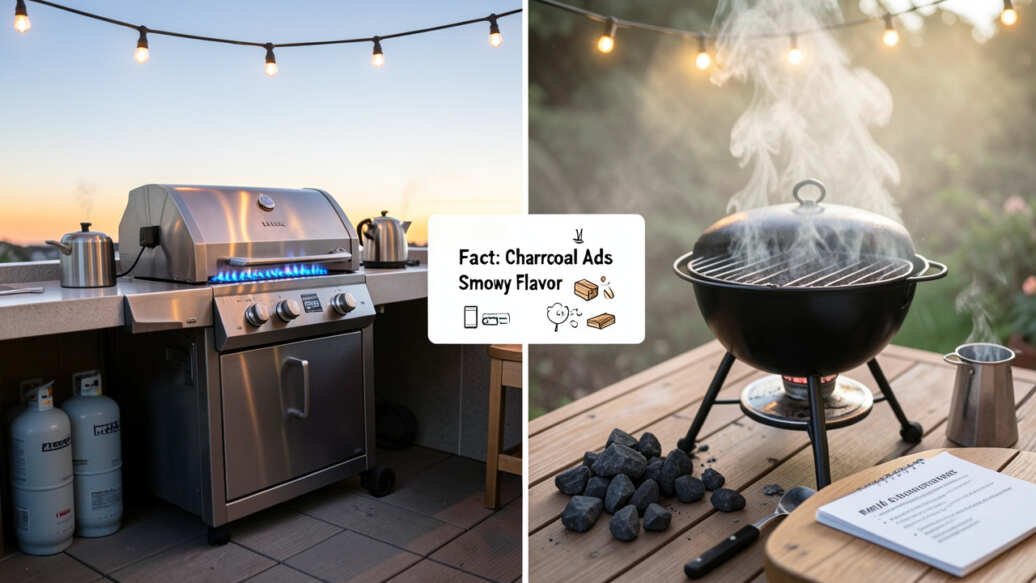
Common Myths vs Facts About Gas and Charcoal Grills
- Myth: Charcoal grills are always cheaper.
Fact: While initial purchase is lower, high-quality charcoal grills (like Kamado Joe) can cost over $1,000. Gas grills also have budget-friendly compact options under $150.
- Myth: Gas grills cannot give food a smoky flavor.
Fact: You can add wood chips or a smoker box to a gas grill. The result is milder but still noticeable. Many gas grills also have built-in flavorizer bars that produce some smoke.
- Myth: All small patios are unsafe for charcoal grills.
Fact: A charcoal grill is safe if you place it on a non-combustible surface, keep it away from walls, and never leave it unattended. Check local rules first.
Frequently Asked Questions
Is a gas grill safer than charcoal on a small balcony?
Yes. Gas grills produce less smoke and have no hot coals to fall. They are less likely to cause fires on small balconies. The National Fire Protection Association recommends gas over charcoal for balconies.
Can I use a charcoal grill on a second-floor balcony?
In most cases, no. Many apartment buildings and condos ban charcoal grills on balconies due to fire risk. Check your lease and local fire codes. Gas grills are often allowed if the propane tank is kept small.
How much space do I need for a small grill?
You need at least 2 feet of clearance on all sides for any grill. For a gas grill, add room for the propane tank. Measure your patio before purchasing. A compact grill can fit on a 4×6 foot space.
Which grill is easier to clean on a small patio?
Gas grills are easier to clean. You scrape the grates and empty the drip tray. Charcoal requires removing ash, which can fly and dirty nearby surfaces. Ash disposal is messier, especially on a small patio.
What is the best grill for apartment dwellers with small patios?
The best grill is a compact gas grill like the Weber Q1200 or the Napoleon TravelQ. They are portable, safe, and fit small spaces. For charcoal lovers, a Weber Smokey Joe is the smallest option.
Final Thoughts
Gas grills are the practical winner for small patios due to their speed, safety, and convenience. Charcoal grills offer superior flavor but require more space and caution. Assess your patio size, local regulations, and cooking habits before deciding. Choose the grill that matches your lifestyle so you can enjoy outdoor cooking all season.