A food slicer cuts poorly primarily due to a dull blade, improper food preparation, and inadequate maintenance. The most frequent culprit is a dull blade, which requires regular sharpening or replacement for clean cuts. Additionally, the food's temperature and consistency, along with proper assembly and thickness settings, are critical for optimal performance.
Is your food slicer leaving you with uneven slices or struggling to get through tough ingredients? You’re not alone! Many folks find their slicers aren’t working quite right, and it can be frustrating.
But don’t worry, fixing this is usually quite simple. We’ll walk you through 6 Reasons Your Food Slicer Isn’t Cutting Properly so you can get back to enjoying perfect slices every time. Stick around, and we’ll show you just what to do, step-by-step.
Key Takeaways
- You’ll learn why a dull blade is the most common culprit for poor slicing.
- Discover how food consistency and preparation impact your slicer’s performance.
- Understand the importance of proper cleaning and maintenance for optimal function.
- Find out how assembly and blade alignment can cause cutting issues.
- Learn about setting the right thickness and avoiding overload for better results.
- See how different food types can challenge your slicer and what to do about it.
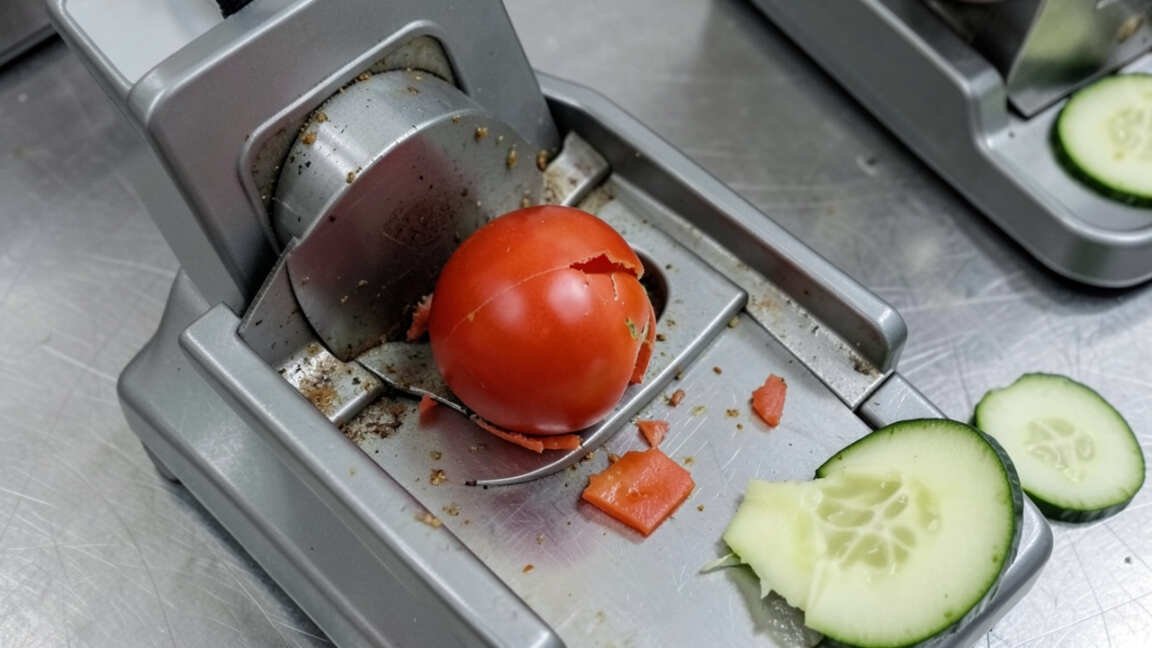
Understanding Why Your Food Slicer Isn’t Cutting Properly
It can be really annoying when your food slicer doesn’t do its job. You expect nice, even slices, but instead, you get messy bits or it just can’t cut through. This problem isn’t usually a sign that your slicer is broken for good. Often, it’s just a few simple things that are a little off. Knowing what these common issues are helps you fix them fast. Let’s explore 6 Reasons Your Food Slicer Isn’t Cutting Properly so you can get back to making delicious food with ease.
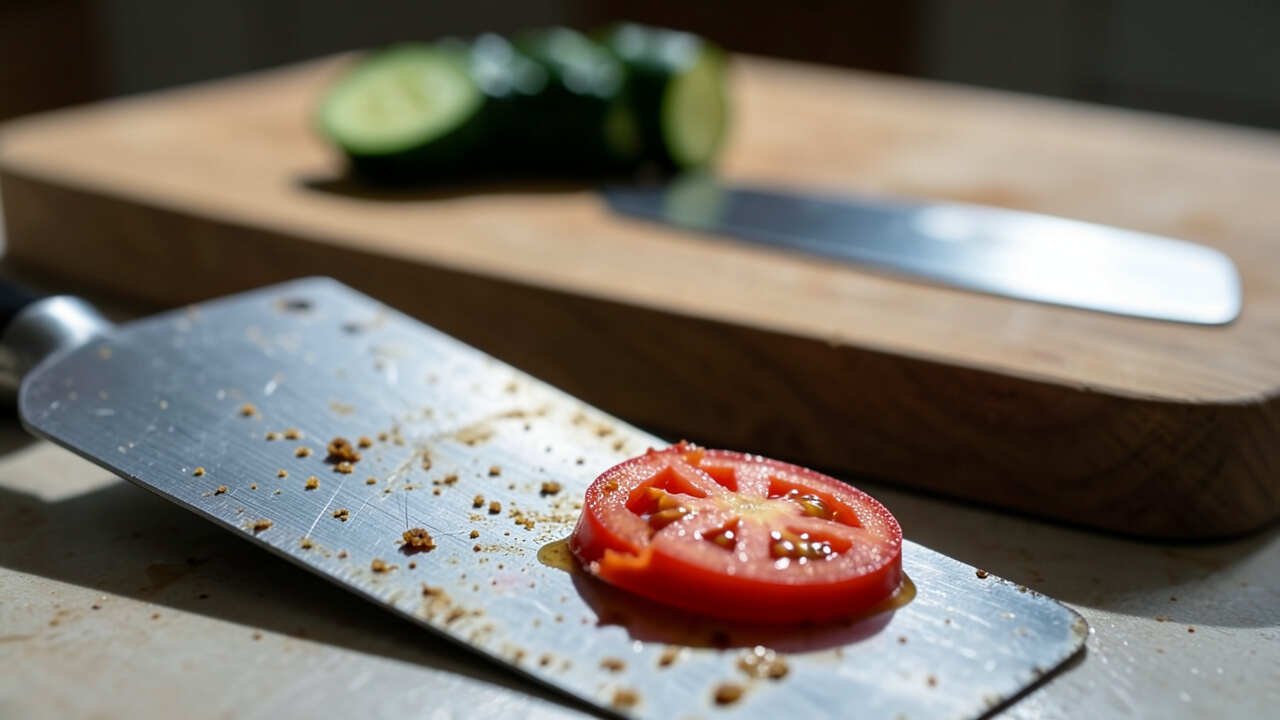
The Sharpness Factor: Is Your Blade Dull?
This is the big one. Most of the time, if your food slicer isn’t cutting well, the blade is just not sharp enough anymore. Think about using a dull knife; it tears and squishes food instead of slicing it clean. A food slicer works the same way. When the blade gets worn down from use, it can’t glide through food smoothly. This leads to jagged edges, crumbled pieces, and a lot of effort for the motor.
Why Blades Get Dull
Blades get dull from cutting different types of food. Harder items like carrots or tough meats wear them down faster. Even soft foods can dull a blade over time with repeated use. Also, if you wash your blade improperly or let it sit wet, it can rust, which also dulls it and can make it harder to sharpen.
What You Can Do
The best solution is to sharpen your blade regularly. Many food slicers come with a built-in sharpener, or you can buy a separate one. If your blade is very old or damaged, it might be time to replace it. A sharp blade makes a huge difference.
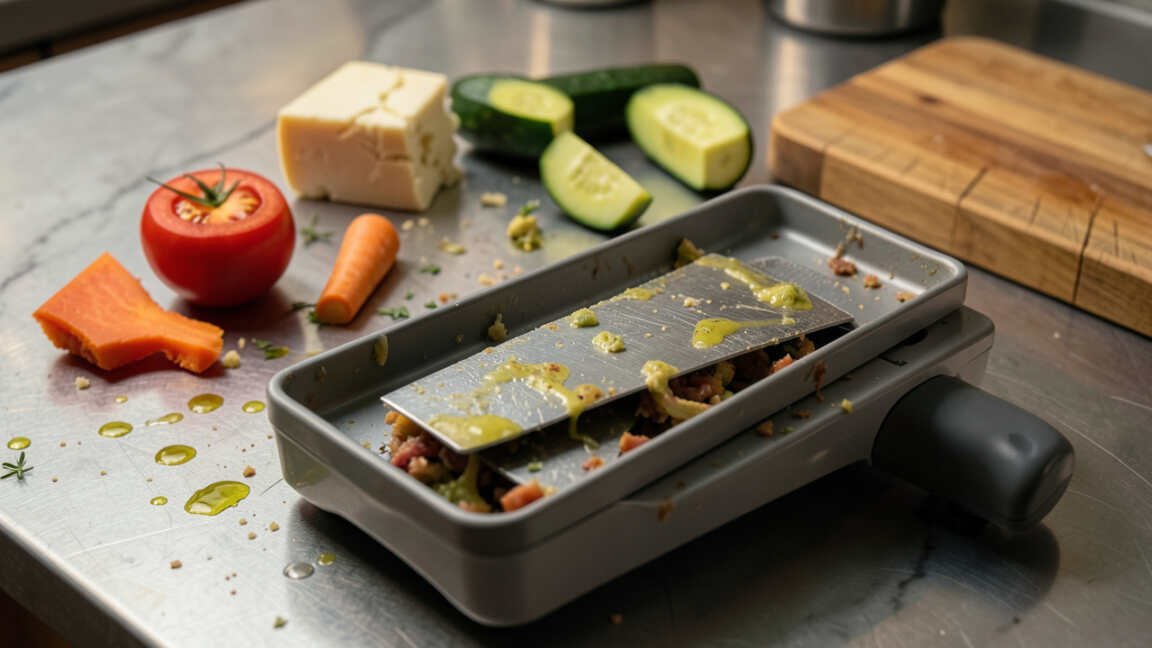
Food Preparation Matters
How you prepare your food before it hits the slicer plays a big role. If food isn’t prepared correctly, it can put a strain on the slicer and result in poor cuts.
Too Hard or Too Soft
If you’re trying to slice something that’s frozen solid, your slicer might struggle. It’s designed for chilled or room-temperature foods. On the other hand, very soft items like ripe tomatoes or soft cheeses can also be tricky. They might get squished before the blade can cut them cleanly.
Improper Sizing
Make sure the food fits comfortably on the slicer’s platform and can be guided easily into the blade. If you’re forcing a large piece, it won’t cut evenly. Trim off any irregular shapes so the food is more uniform.
What You Can Do
For very hard items, let them thaw slightly. For very soft items, chill them thoroughly in the refrigerator. This makes them firmer and easier to slice. Cut larger items into manageable pieces that fit the slicer’s feed chute or tray.
Cleaning and Maintenance Are Key
Food slicers are machines, and like any machine, they need to be cleaned and cared for. Dirt, debris, and old food particles can get stuck in the workings and affect how well it cuts.
Gunk Buildup
After slicing, small bits of food can stick to the blade, the food tray, and the guard. If these aren’t cleaned off, they can build up. This gunk can interfere with the blade’s movement and make it less effective.
Lubrication
Some slicer parts might need a little bit of food-grade lubricant to move smoothly. If these parts get dry or sticky, it can cause drag and make the slicer work harder.
What You Can Do
Always clean your food slicer after each use. Follow the manufacturer’s instructions for disassembly and cleaning. Make sure all parts are dry before putting them back together. Check your manual for any specific lubrication needs.
Assembly and Blade Alignment
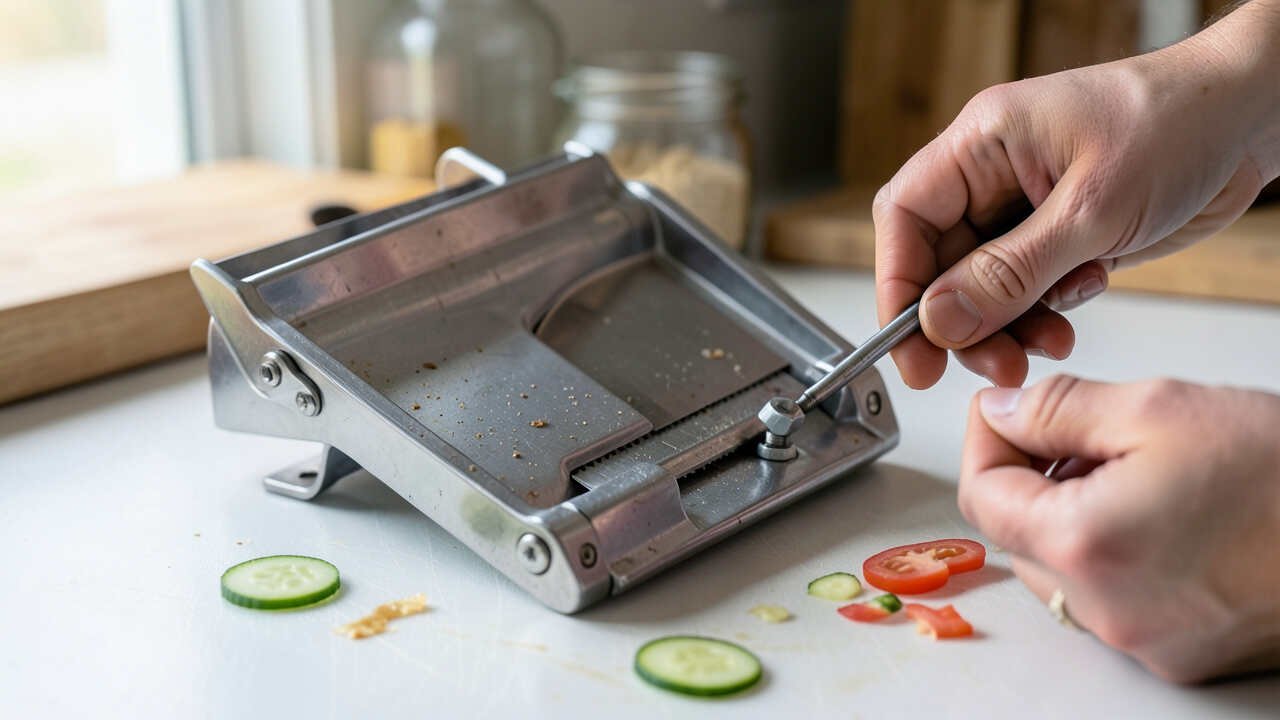
Sometimes, the issue isn’t with the blade itself, but how it’s put back together. If parts aren’t aligned correctly, the slicer won’t function as it should.
Loose Components
If the blade isn’t secured tightly, or if other parts of the slicer are loose, it can cause vibrations or wobbling. This makes for uneven cuts and can even be unsafe.
Incorrect Assembly
After cleaning, it’s easy to put a part back in the wrong place. This can prevent the blade from spinning at the right speed or from meeting the food at the correct angle.
What You Can Do
Always double-check that all parts are securely fastened, especially the blade. Refer to your user manual to ensure you’ve assembled everything correctly. A well-assembled slicer is crucial for good performance.
Setting the Thickness and Overloading
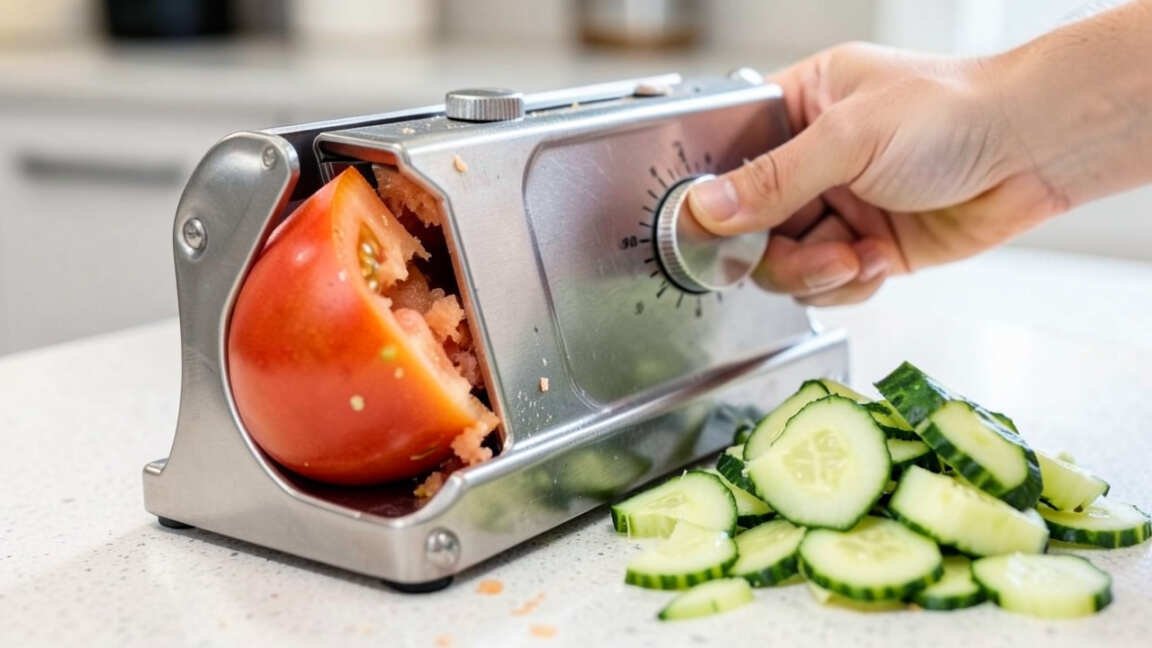
These are two common mistakes that beginners often make. The thickness setting and how much food you put in the slicer at once are very important.
The Wrong Thickness Setting
If you’re trying to slice paper-thin deli meats, but the setting is too thick, you’ll get chunky slices. If you’re trying to make thicker slices for sandwiches and the setting is too thin, the food might just fall apart.
Too Much Food
Putting too much food into the slicer at one time can overwhelm the motor and the blade. It’s like trying to push too much through a narrow opening; it just doesn’t work well. This can lead to jams and uneven cuts.
What You Can Do
Start with a thicker setting and then adjust it down to find the perfect thickness for your needs. Always slice food in manageable batches. Don’t force the food; let the slicer do the work.
Type of Food Matters
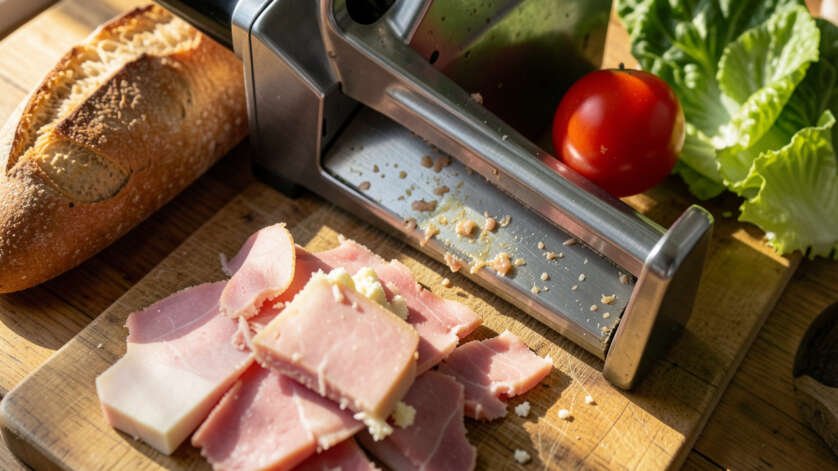
Not all foods are created equal when it comes to slicing. Some foods are naturally easier to slice than others, and some can pose unique challenges to your food slicer.
Delicate Foods
Very delicate items, like soft cheeses or ripe berries, can be tricky. They tend to squish easily, and the blade might tear them rather than slice them cleanly.
Fibrous Foods
Some meats or vegetables have a lot of fibrous material. These can be harder for a dull or even a sharp blade to cut through cleanly. They might require more pressure, which can lead to unevenness.
What You Can Do
For delicate foods, chilling them thoroughly is the best trick. For fibrous foods, ensure your blade is exceptionally sharp and consider slicing against the grain of the meat to make it easier. Sometimes, a slower, more controlled feed rate works best for these tougher items.
Frequently Asked Questions
Question: How often should I sharpen my food slicer blade?
Answer: You should sharpen your blade every few months, or more often if you use your slicer frequently or slice tough foods. A quick check of the blade’s edge can tell you if it’s becoming dull.
Question: Can I wash my food slicer blade in the dishwasher?
Answer: It’s generally not recommended to put food slicer blades in the dishwasher. The harsh detergents and high heat can dull the blade faster and potentially cause damage. Hand washing is usually best.
Question: My slicer is making a weird noise. What could be wrong?
Answer: A strange noise could mean a few things. It might be a loose part, a motor issue, or food debris stuck in the mechanism. Make sure everything is assembled correctly and clean it thoroughly.
If the noise continues, consult your manual or a repair service.
Question: Is it safe to use a food slicer if the blade seems a little wobbly?
Answer: No, it is not safe to use a wobbly blade. A wobbly blade indicates that it’s not properly secured or that there’s a more serious issue with the slicer’s mechanism. Stop using it immediately and check the blade’s mounting.
Question: What’s the best way to slice very soft cheese?
Answer: For very soft cheese, the best approach is to chill it in the freezer for about 15-20 minutes before slicing. This makes it firmer and much easier to get clean slices without it smearing.
Final Thoughts
Getting your food slicer to cut perfectly isn’t a big mystery. The 6 Reasons Your Food Slicer Isn’t Cutting Properly we discussed are all common and fixable. It usually comes down to blade sharpness, how you prepare your food, keeping things clean, proper assembly, setting the right thickness, and understanding different food types.
By paying attention to these simple things, your slicer will work like new. Enjoy making those perfect, even slices for all your meals and snacks!

![7 Waffle Maker Mistakes That Ruin Texture[1]](https://creativehouseblog.com/wp-content/uploads/2026/04/7_Waffle_Maker_Mistakes_That_Ruin_Texture1-768x448.jpg)

![How To Balance Radiators For Even Heat[1]](https://creativehouseblog.com/wp-content/uploads/2026/05/How_To_Balance_Radiators_For_Even_Heat1-768x403.jpg)
![Winter Home Maintenance Checklist Before Cold Season Hits[1]](https://creativehouseblog.com/wp-content/uploads/2026/05/Winter_Home_Maintenance_Checklist_Before_Cold_Season_Hits1-768x403.jpg)
![How To Spot Slow Leaks At Home Before They Grow[1]](https://creativehouseblog.com/wp-content/uploads/2026/05/How_To_Spot_Slow_Leaks_At_Home_Before_They_Grow1-768x403.jpg)