
To keep your home cool without wasting energy, focus on natural ventilation, strategic fan use, and effective heat-blocking techniques. Effective strategies include opening windows during cooler hours to harness natural airflow, using fans to circulate air, installing reflective window treatments, sealing air leaks, and utilizing shade from trees or plants. These combined approaches significantly reduce reliance on air conditioning, lowering energy consumption and utility bills while maintaining a comfortable indoor environment.
Keeping your home cool when it’s hot outside can feel tricky, especially if you’re new to saving energy.
Many people worry about high electric bills or how to make their living space comfortable without using too much power.
It’s a common challenge because we all want to feel good at home without spending extra money or hurting the planet.
This guide will show you simple, step-by-step tips to beat the heat and save energy. Get ready to learn easy tricks that make a big difference.
Key Takeaways
- Understand how natural ventilation can cool your home.
- Learn to use fans effectively for maximum cooling.
- Discover simple ways to block out sun and heat.
- Explore how plants can help keep your home cooler.
- Find out how to manage appliances to reduce heat.
- See why proper insulation is key to staying cool.
![Smart Ways How to Keep Your Home Cool Without Wasting Energy[1]](https://creativehouseblog.com/wp-content/uploads/2026/05/Smart_Ways_How_to_Keep_Your_Home_Cool_Without_Wasting_Energy1.jpg)
How to Keep Your Home Cool Without Wasting Energy Through Ventilation
When thinking about how to keep your home cool without wasting energy, ventilation is your first friend. It’s all about letting fresh air move through your house.
This helps push out warm, stuffy air and brings in cooler air, especially when the outside temperature drops.
Good ventilation means your home feels more comfortable without needing to run your air conditioner all the time. It’s a natural way to refresh your space.
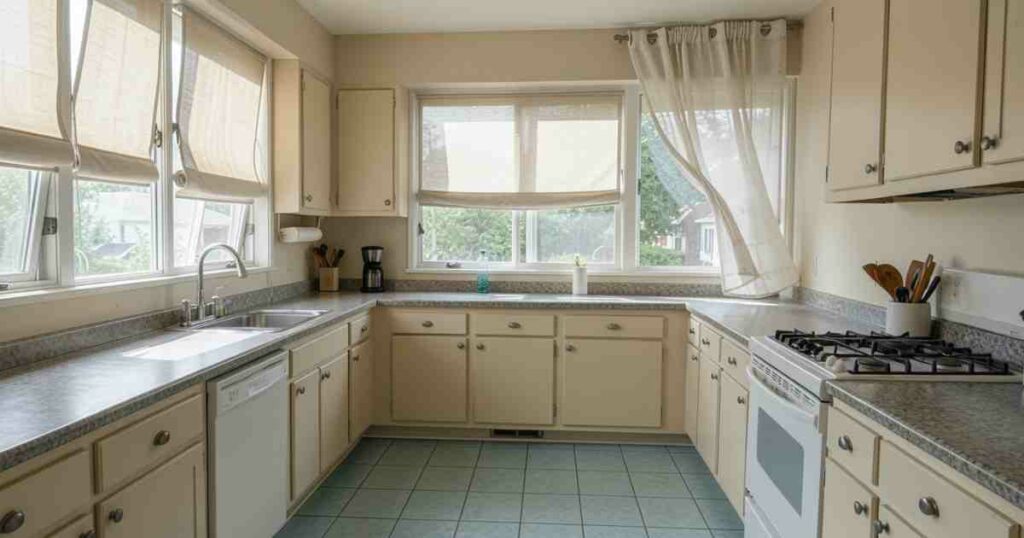
Harnessing Natural Airflow
The easiest way to use natural airflow is by opening windows and doors at the right times. When the sun goes down and the air outside gets cooler than inside, open up your windows. This lets the warm air escape and cooler night air come in.
Then, close them up in the morning before it gets hot again. This simple habit can make a big difference in your home’s temperature throughout the day. It costs nothing and is very effective.
Cross-ventilation is a powerful technique. This happens when you open windows on opposite sides of your home. Air flows through your house, creating a cooling breeze.
If your house is one room deep, opening windows on the front and back works well. For houses with more rooms, try opening windows on opposite walls or even on different floors. The goal is to create a path for air to move freely.
Many homes have vents that can be opened or closed. These vents help control airflow within your house.
Make sure they are open when you want to move air around, especially if you are trying to cool down a specific room naturally.
Cleaning out dust and debris from vents also helps air move more easily. This ensures that the air you want to circulate actually gets where it needs to go.
Using Fans Smartly
Fans are great for making you feel cooler, even if they don’t lower the actual room temperature.
They do this by moving air across your skin, which helps sweat evaporate faster. This evaporation process cools your body down.
So, when you use a fan, you feel more comfortable and can often tolerate higher room temperatures. This means you might not need to turn down your thermostat as much.
Ceiling fans are excellent for circulating air throughout a room. Make sure your ceiling fan is set to spin counter-clockwise during warmer months. This pushes air downwards, creating a cooling downdraft.
This direct airflow can make a room feel several degrees cooler. It’s important to remember that fans cool people, not rooms, so turn them off when you leave a room to save energy.
Box fans and portable fans can also be very useful. You can place a box fan in a window, facing outwards, to help push hot air out of your home.
Alternatively, you can place it facing inwards to draw cooler outside air in, especially at night.
Experimenting with fan placement can help you create the best airflow for your specific home layout. This can be a very effective way to supplement natural cooling.
Consider using fans with a smart thermostat or timer. This allows you to automate when your fans turn on and off.
For example, you could set a fan to turn on in the evening as the outside temperature drops and turn off in the morning.
This helps ensure you are getting the most out of your fans without forgetting to turn them off. It’s a simple way to automate your cooling strategy.
Blocking Out Unwanted Heat
A big part of how to keep your home cool without wasting energy is stopping the heat from getting in in the first place.
Sunlight can heat up your home very quickly, especially through windows. By blocking the sun’s rays, you prevent your house from becoming a greenhouse.
This makes it much easier for any cooling efforts you do employ to be effective.
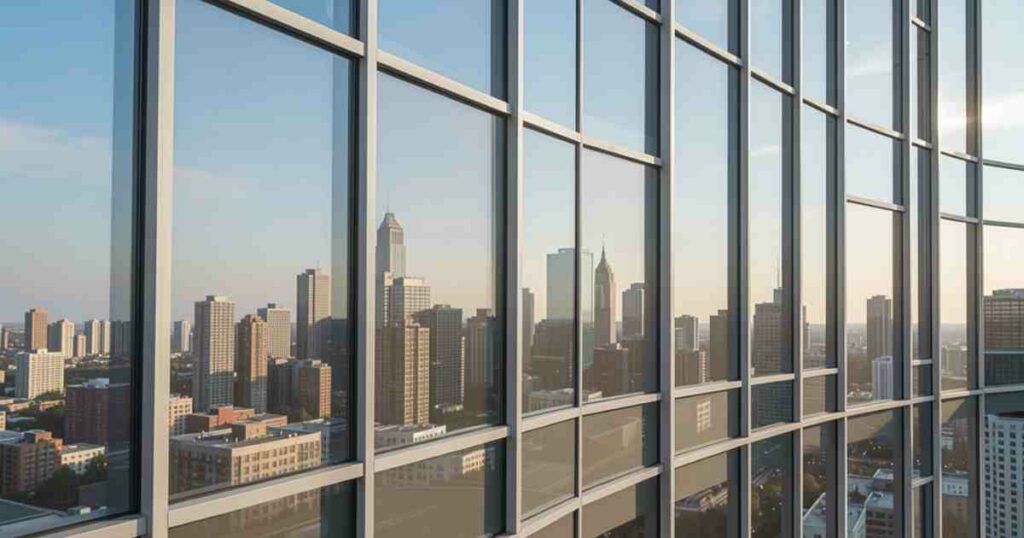
Window Treatments
Window coverings are your first line of defense against solar heat gain. Light-colored curtains or blinds reflect sunlight away from your windows.
During the hottest parts of the day, keeping your curtains or blinds closed can significantly reduce the amount of heat entering your home.
This is especially true for windows that get direct sunlight for long periods.
Blackout curtains are particularly effective because they are designed to block out almost all light.
This means they also block a large amount of heat. Choosing curtains with a white or light-colored backing can help reflect more sunlight.
Combining these with blinds can create an even more powerful barrier against the sun’s heat.
Reflective window films are another great option. These films are applied directly to your windows. They create a mirrored surface that bounces sunlight back.
This keeps the heat outside where it belongs. While they do reduce the amount of light coming into your home, many people find the cooling benefits worth it. They are a relatively inexpensive way to upgrade your windows.
Exterior shading is even more effective than interior shading. This includes awnings, shutters, and even strategically planted trees or large shrubs. Awnings can block the sun from hitting your windows directly.
Shutters can be closed during the hottest times. Trees and shrubs provide shade for your entire house, not just the windows. This is a more permanent solution but can have a significant impact.
Sealing Air Leaks
Another way heat gets into your home is through small cracks and openings. These are called air leaks.
They can be found around windows, doors, electrical outlets, and plumbing penetrations.
Sealing these leaks prevents hot outside air from entering your home and cool inside air from escaping.
Weatherstripping is used around doors and windows. It creates a seal that stops air from passing through.
Caulk is used to seal gaps and cracks in stationary areas like around window frames and where walls meet foundations.
Regularly checking for and sealing these leaks is a simple but powerful way to improve your home’s energy efficiency and comfort.
One study found that sealing air leaks can reduce heating and cooling costs by 10% to 20% per year.
This is a significant saving for most households. It also improves the overall comfort of your home by reducing drafts and hot spots.
It is a very practical step for anyone looking to save energy.
Leveraging Nature for Cooling
Sometimes the best solutions are the ones nature provides. Using plants and green spaces around your home can have a surprising effect on temperature.
This is a natural way to help lower the heat absorbed by your house and its surroundings.

The Power of Trees and Plants
Trees, especially deciduous ones, can offer significant shade during the hot summer months.
Deciduous trees lose their leaves in the fall, allowing sunlight to warm your home during cooler weather. Planting trees on the south and west sides of your house can provide the most benefit.
This strategic planting can significantly reduce the cooling load on your home.
Large shrubs and vines can also provide shade. They can be planted near walls or windows that receive a lot of direct sunlight. Ground cover plants can help keep the soil around your home cooler.
This prevents that heat from radiating up into your house. This also helps to reduce the urban heat island effect in hotter climates.
A study by the U.S. Forest Service found that a single tree can save a homeowner between $50 and $100 per year in energy costs. Imagine the savings with multiple trees strategically placed around your home.
This demonstrates the tangible financial benefits of green landscaping.
Green Roofs and Walls
For those with flat roofs, a green roof can be a fantastic way to cool your home. A green roof is essentially a layer of vegetation planted on top of a waterproof membrane. The plants absorb sunlight and water, which helps to keep the roof surface cooler.
This reduces the amount of heat transferred into your home below.
Green walls, also known as vertical gardens, work similarly. They cover the exterior walls of a building with plants. This provides insulation and shade.
They can significantly reduce the surface temperature of walls, keeping the interior cooler. Both green roofs and walls contribute to a more pleasant microclimate around your home.
The cooling effect of a green roof can be substantial. It can reduce the roof surface temperature by as much as 30-40 degrees Fahrenheit compared to a conventional dark roof. This translates directly into less heat entering your home and lower cooling costs.
It is an investment that pays off in comfort and energy savings.
Managing Appliances and Home Habits
Appliances and everyday habits in your home can generate a surprising amount of heat. Being mindful of how you use them can make a big difference in keeping your house cool without overworking your air conditioning.
Reducing Heat from Electronics
Many electronic devices produce heat as a byproduct of their operation. This includes computers, televisions, gaming consoles, and even chargers.
When these devices are on or in standby mode, they contribute to the overall heat load in your home.
Unplugging electronics when they are not in use, or using smart power strips that cut power to devices in standby mode, can help reduce this heat.
Consider the location of heat-generating electronics. If possible, move them away from main living areas or into rooms that don’t need to be kept as cool.
For instance, a home office with multiple computers might be warmer than other parts of the house.
Ensuring good ventilation in that specific room can help dissipate the heat.
A simple way to think about this is to turn off devices when you are not actively using them. Even small amounts of heat from multiple devices can add up. This habit is not only good for cooling but also for saving electricity.
It’s a win-win for your home and your wallet.
Smart Kitchen Practices
The kitchen can be a major source of heat in a home, especially during warmer months. Using your oven or stove top generates a lot of heat. When possible, opt for cooking methods that produce less heat.
Grilling outdoors, using a microwave, or preparing cold meals like salads are great alternatives.
If you must use your oven, try to do so during cooler parts of the day, like in the morning or evening.
Also, keep the oven door closed while it is in use. Every time you open the door, a significant amount of heat escapes into your kitchen.
Consider using a toaster oven for smaller tasks, as it uses less energy and generates less heat than a full-sized oven.
Your dishwasher also generates heat and humidity when it runs. Running your dishwasher during the cooler evening hours can help prevent it from adding extra heat to your home during the peak heat of the day.
Air-drying dishes instead of using the heated dry cycle can also save energy and reduce heat.
Lighting Choices
Traditional incandescent light bulbs generate a lot of heat. Switching to more energy-efficient lighting options, such as LED bulbs, can make a noticeable difference.
LED bulbs use much less energy and produce very little heat, making them ideal for keeping your home cool.
The amount of heat produced by a 60-watt incandescent bulb is significant. In contrast, an equivalent LED bulb uses only about 9-10 watts and produces minimal heat.
Over time, switching all your bulbs to LEDs can reduce the overall heat load in your home, helping your cooling systems work less.
It is a simple upgrade with direct benefits.
Ensuring Proper Insulation
Insulation is a critical component in how to keep your home cool without wasting energy. It acts as a barrier, preventing heat from entering your home during the summer and escaping during the winter.
Well-insulated homes are more comfortable year-round and use less energy for heating and cooling.
Attic and Wall Insulation
The attic is often the hottest part of a home in the summer. This is because it directly absorbs sunlight. Proper attic insulation is crucial for keeping the living spaces below cool.
Heat from the attic can easily transfer down through the ceiling if there isn’t adequate insulation.
Consider the R-value of your insulation. The R-value measures how well insulation resists heat flow. Higher R-values indicate better insulation.
Many older homes may have insufficient insulation, and adding more can provide significant energy savings. Professionals can assess your current insulation levels and recommend improvements.
Wall insulation is also important, though it can be more challenging to add to existing homes. If you are renovating or building, ensure your walls are well-insulated.
Some methods for adding insulation to existing walls include blowing insulation into wall cavities.
This can improve comfort and reduce energy bills.
Insulating Your Crawl Space or Basement
Your crawl space or basement can also be a source of heat gain or loss. Insulating these areas helps to create a more stable temperature environment for your home.
In the summer, it helps prevent hot, humid air from entering your living space from below.
Properly insulating these areas also helps to protect your home’s foundation and prevent moisture issues.
This is because insulation can help regulate temperature and humidity levels. It creates a more controlled environment throughout your home’s structure.
A well-insulated home is like wearing a good coat in winter and a good umbrella in summer.
It keeps the elements out and maintains a comfortable interior. For effective cooling, ensuring your entire home is properly insulated is paramount.
It is a foundational step for any energy-saving strategy.
Frequently Asked Questions Of Smart Ways How to Keep Your Home Cool Without Wasting Energy
Question: What is the best time to open windows for cooling
Answer: Open your windows in the evening and overnight when the outside air is cooler than inside your home. Close them in the morning before the sun heats things up to trap the cooler air.
Question: Can I use fans to cool my entire house
Answer: Fans primarily cool people by moving air across their skin, helping sweat evaporate. While they don’t lower room temperature like an air conditioner, using them strategically in multiple rooms and windows can create a noticeable cooling effect throughout the house.
Question: How much difference do blackout curtains make
Answer: Blackout curtains can significantly reduce heat gain by blocking up to 99% of sunlight. This can make a noticeable difference in how warm your rooms feel, reducing reliance on air conditioning.
Question: Are LED bulbs really cooler than incandescent bulbs
Answer: Yes, LED bulbs produce very little heat compared to incandescent bulbs. They also use much less electricity, so switching to LEDs helps reduce both heat and energy consumption in your home.
Question: Does insulating my attic really help with summer heat
Answer: Absolutely. The attic absorbs a lot of solar heat. Proper attic insulation acts as a barrier, preventing that heat from transferring into your living spaces below, making a big difference in keeping your home cool.
Conclusion
Keeping your home cool without wasting energy is achievable with simple steps. Focus on letting nature help through smart ventilation and strategic planting. Block the sun with effective window treatments and consider exterior shading.
Manage appliances and lights to minimize heat. Good insulation is your home’s shield against heat. These methods work together to create a comfortable home and save energy.

![How to Stop a Toilet Cistern Running[1]](https://creativehouseblog.com/wp-content/uploads/2026/05/How_to_Stop_a_Toilet_Cistern_Running1-768x403.jpg)
![9 Fun Snacks You Can Make With A Popcorn Maker[1]](https://creativehouseblog.com/wp-content/uploads/2026/04/9_Fun_Snacks_You_Can_Make_With_A_Popcorn_Maker1-768x448.jpg)
![6 Reasons Your Milk Isn’T Frothing Properly[1]](https://creativehouseblog.com/wp-content/uploads/2026/04/6_Reasons_Your_Milk_IsnT_Frothing_Properly1-768x448.jpg)
![9 Things You Should Know Before Using A Pizza Oven At Home[1]](https://creativehouseblog.com/wp-content/uploads/2026/04/9_Things_You_Should_Know_Before_Using_A_Pizza_Oven_At_Home1-768x448.jpg)
![How to Service Your HVAC System Before Each Season[1]](https://creativehouseblog.com/wp-content/uploads/2026/05/How_to_Service_Your_HVAC_System_Before_Each_Season1-768x403.jpg)
![Air Fryer Fan Technology Explained[1]](https://creativehouseblog.com/wp-content/uploads/2026/03/Air_Fryer_Fan_Technology_Explained1-768x448.jpg)