
An effective autumn home maintenance checklist before cold weather arrives involves inspecting and servicing critical systems to prevent winter damage and inefficiency. Key tasks include cleaning gutters and downspouts, servicing the heating system and replacing filters, checking attic insulation, and sealing exterior cracks in the foundation. Performing these proactive steps helps ensure your home remains safe, energy-efficient, and protected against common cold-weather issues like frozen pipes and heat loss.
As the crisp autumn air arrives and temperatures begin to drop, it’s the perfect time to prepare your home for the colder months ahead.
A simple fall maintenance routine can help keep your house warm, safe, and energy-efficient all winter long.
From cleaning gutters to checking heating systems, these essential autumn home maintenance tips will help you avoid costly repairs and enjoy a cozy season with peace of mind.
Key Takeaways
- You will learn the most important tasks for your home this autumn.
- Discover how to protect your home from winter weather damage.
- Find out simple ways to save energy and money on heating bills.
- Understand how to keep your family safe during the colder months.
- Gain confidence in preparing your home with this easy checklist.
![Autumn Home Maintenance Checklist Before Cold[1]](https://creativehouseblog.com/wp-content/uploads/2026/05/Autumn_Home_Maintenance_Checklist_Before_Cold1.jpg)
Essential Autumn Home Maintenance Checklist
As leaves turn golden and the air grows crisp, it’s time to think about getting your home ready for the coming cold.
This isn’t just about comfort; it’s about protecting your biggest investment and keeping your family safe and warm.
Ignoring some key autumn tasks can lead to costly repairs down the line, like frozen pipes or drafts that send your heating bills soaring.
A good Autumn Home Maintenance Checklist Before the Cold Comes helps you catch potential problems early.
It guides you through the must-do jobs, from your roof to your basement, ensuring your home stands up well to winter’s challenges. Think of it as a yearly tune-up for your house.

Roof and Gutters
Your roof is your first line of defense against the elements. Checking it in the fall is crucial. Loose or damaged shingles can let water in, leading to leaks that can cause serious damage inside your home.
Over time, weather can wear down roofing materials, and a professional inspection can spot issues before they become major problems.
This early attention saves you from expensive repairs that could arise from water damage or mold growth. A well-maintained roof protects your home’s structure and insulation.
- Inspect Shingles for Damage
- Look for any missing, cracked, or curling shingles. These are weak spots where water can seep under your roofing material. If you see them, they need to be replaced promptly.
- Consider getting a professional roof inspection every few years to catch things you might miss.
- Clean Out Gutters and Downspouts
- Clogged gutters can cause water to back up and overflow, damaging your roofline, siding, and foundation. Leaves, twigs, and debris need to be removed to allow water to flow freely away from your home. Make sure downspouts are clear and directing water at least a few feet away from your house.
- Check for Sagging or Pooling Water
- These signs can indicate underlying structural issues with your roof. If you notice any areas that seem to be sinking or holding water, it’s a clear signal to call in a professional roofer. Addressing these problems early prevents more extensive and expensive damage to your home’s framework.
Heating System and Insulation
Your heating system works hard all winter. Making sure it’s in top shape before the cold hits is vital for comfort and efficiency. A furnace that’s not working properly can lead to a cold home and high energy bills.
Regular maintenance ensures it runs smoothly and safely. Good insulation also plays a huge role.
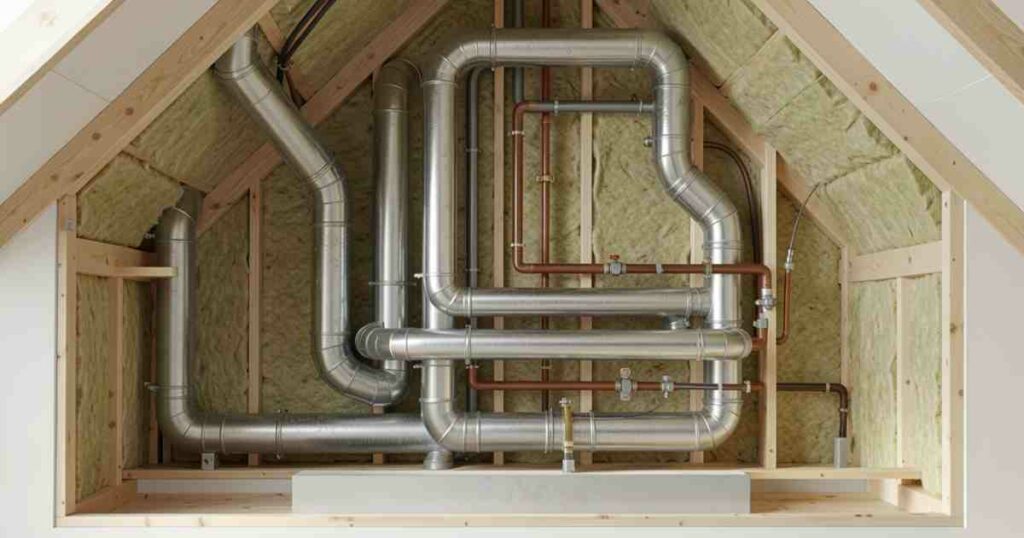
It keeps the warm air inside and the cold air out, meaning your heating system doesn’t have to work as hard.
This saves energy and money, and makes your home much more comfortable.
- Schedule Furnace Tune-Up
- Have a qualified technician inspect and service your furnace. They will clean it, check for any worn parts, ensure it’s operating efficiently, and test safety controls. This preventative maintenance can prevent breakdowns during the coldest months and improve air quality.
- Check and Replace Air Filters
- Dirty air filters restrict airflow, making your furnace work harder and reducing efficiency. They can also spread dust and allergens throughout your home. Replace filters according to the manufacturer’s recommendations, typically every 1-3 months, depending on the filter type and household conditions.
- Inspect and Seal Air Leaks
- Drafts around windows, doors, and outlets let warm air escape and cold air enter. Use caulk and weatherstripping to seal these leaks. This simple step can significantly reduce your energy bills and make your home feel warmer and more comfortable.
- Evaluate Insulation Levels
- Check insulation in your attic, walls, and basement. Inadequate insulation is a major cause of heat loss. Adding or improving insulation can make a big difference in energy efficiency and comfort, especially in older homes.
Exterior and Foundation
The outside of your home needs attention before winter’s harsh weather sets in. Protecting your foundation and exterior walls is key to preventing long-term damage.
When water freezes and thaws around your foundation, it can expand and cause cracks.
Keeping your exterior sealed and clear of debris helps prevent these issues. This also includes checking things like your siding and window frames to ensure they are intact and properly sealed against the elements. A well-maintained exterior protects your home’s structure.
- Inspect Foundation for Cracks
- Look for any new cracks or widening of existing ones in your foundation walls. Small cracks can be sealed with appropriate materials. Larger or spreading cracks might require professional attention to prevent water intrusion and structural damage.
- Check Siding and Exterior Walls
- Ensure your siding is securely attached and free from damage. Loose or cracked siding can allow moisture to penetrate the walls. Repair any damaged sections and check for gaps around windows and doors that need sealing.
- Clear Yard Debris
- Rake leaves and remove any fallen branches or other debris from your yard, especially around your foundation. Accumulated debris can hold moisture against your house, leading to rot and pest problems. It also helps prevent water from pooling near your foundation.
- Prepare Outdoor Faucets and Hoses
- Drain all garden hoses and store them indoors. Shut off the water supply to outdoor faucets and drain any water remaining in them to prevent them from freezing and bursting. Consider using insulated faucet covers for extra protection.
Safety Checks
Safety is paramount as the weather turns colder, and the risk of certain hazards increases. With shorter days and more time spent indoors, ensuring your smoke and carbon monoxide detectors are working is essential. These devices are your first line of defense against fire and dangerous gas leaks.
Also, checking your fireplace and chimney is important because creosote buildup can lead to chimney fires.
Proper maintenance of these systems keeps your home and family safe during the colder months.
- Test Smoke and Carbon Monoxide Detectors
- Ensure all detectors have fresh batteries and are functioning correctly. Test them monthly. Replace detectors that are older than 10 years.
- Carbon monoxide is odorless and deadly, so these detectors are vital for your family’s safety, especially when heating systems are in use.
- Inspect Fireplace and Chimney
- Have your chimney inspected and cleaned by a professional, especially if you use your fireplace regularly. Creosote buildup can be a fire hazard. Make sure the damper is working properly and that there are no blockages.
- Check Fire Extinguishers
- Ensure your home fire extinguishers are charged and accessible. Know how to use them. They are a crucial tool for quickly putting out small fires before they spread, providing an important layer of safety.
Prepare Your Home for Winter
Taking care of these tasks now makes a big difference. It saves you from problems later. A prepared home is a safe and comfortable home.
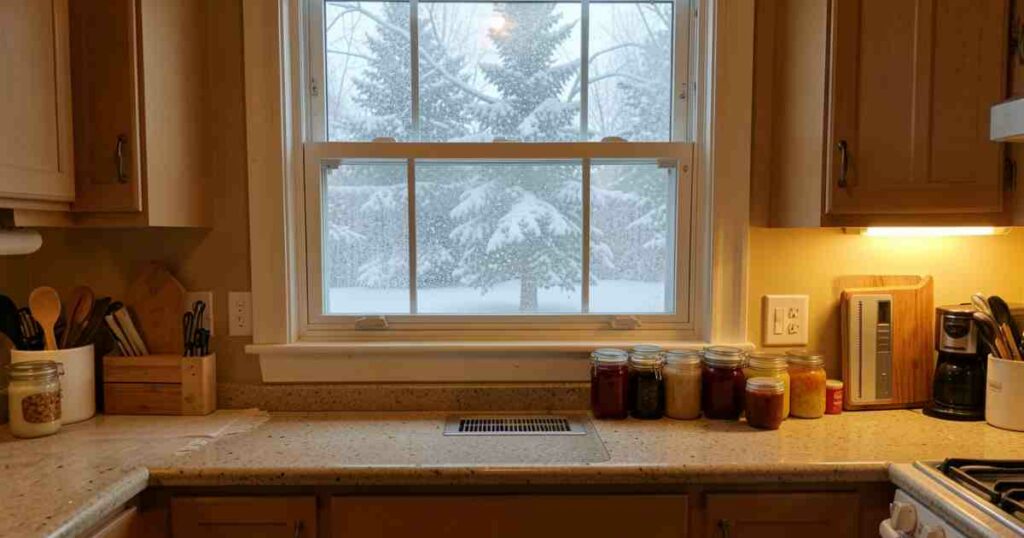
Follow this checklist to ensure your house is ready for the cold. You’ve got this!
Frequently Asked Questions Of Autumn Home Maintenance Checklist Before Cold
Question: When is the best time to do autumn home maintenance
Answer: The best time is in early to mid-fall, before temperatures drop significantly. This gives you enough time to complete tasks and make any necessary repairs before winter weather arrives.
Question: Do I need to hire professionals for all tasks
Answer: While some tasks like chimney cleaning or major roof repairs are best left to professionals, many basic maintenance jobs like cleaning gutters or sealing air leaks can be done by homeowners with a little effort and the right tools.
Question: How often should I check my heating system
Answer: It is recommended to have your heating system professionally inspected and serviced annually, typically in the fall before you start using it heavily. Regular filter changes should be done more frequently.
Question: What is the most important safety check for winter
Answer: Testing your smoke and carbon monoxide detectors is the most critical safety check. These devices are your early warning system for fires and dangerous gas leaks, which are more common when heating systems are in use.
Question: Can I save money by doing this maintenance myself
Answer: Yes, many DIY maintenance tasks can save you money on labor costs. Additionally, ensuring your home is well-insulated and your heating system is efficient can significantly reduce your energy bills throughout the winter.
Conclusion
Your home is now much better prepared for the cold. You’ve checked the roof, gutters, heating, and safety systems. This proactive approach prevents problems and saves money.
Enjoy a warm and safe winter!

![7 Meat Grinder Mistakes To Avoid[1]](https://creativehouseblog.com/wp-content/uploads/2026/04/7_Meat_Grinder_Mistakes_To_Avoid1-768x448.jpg)
![Air Fryer Size Guide for Families[1]](https://creativehouseblog.com/wp-content/uploads/2026/03/Air_Fryer_Size_Guide_for_Families1-768x448.jpg)
![Food Processor Versus Blender A Simple Guide[1]](https://creativehouseblog.com/wp-content/uploads/2026/03/Food_Processor_Versus_Blender_A_Simple_Guide1-768x448.jpg)
![How To Clean And Restore Outdoor Furniture[1]](https://creativehouseblog.com/wp-content/uploads/2026/05/How_To_Clean_And_Restore_Outdoor_Furniture1-768x403.jpg)
![6 Reasons Your Bread Maker Isn’T Working Properly[1]](https://creativehouseblog.com/wp-content/uploads/2026/04/6_Reasons_Your_Bread_Maker_IsnT_Working_Properly1-768x448.jpg)
![What Foods Should Not Go in a Food Processor[1]](https://creativehouseblog.com/wp-content/uploads/2026/03/What_Foods_Should_Not_Go_in_a_Food_Processor1-768x448.jpg)