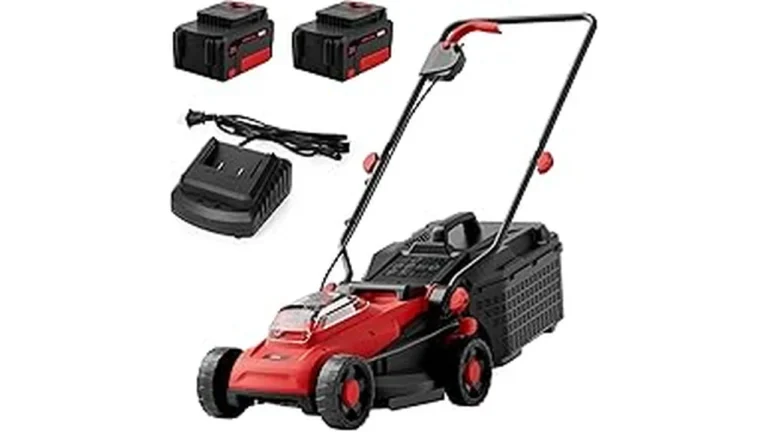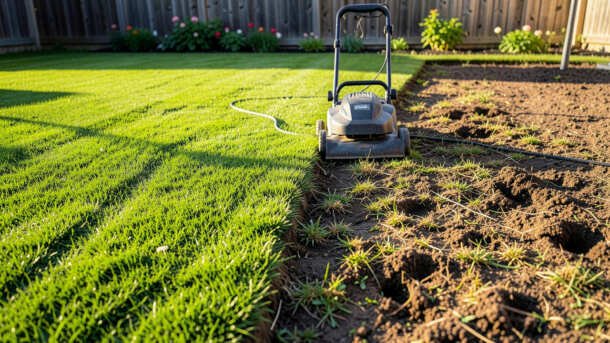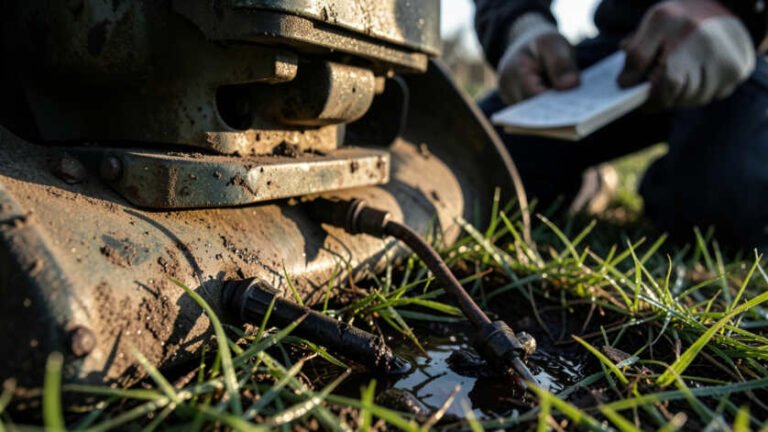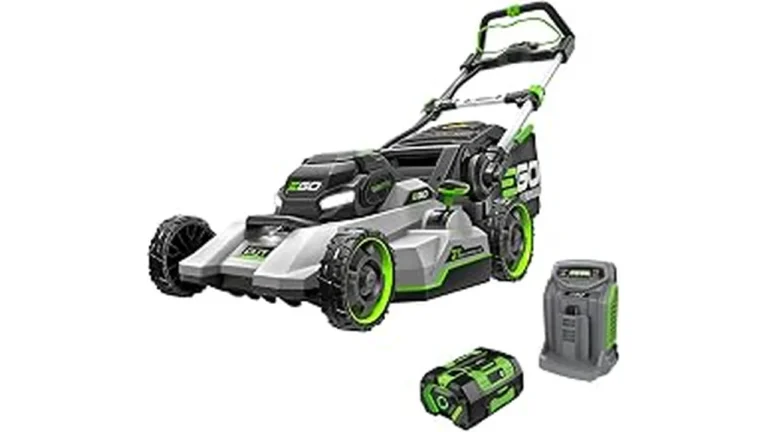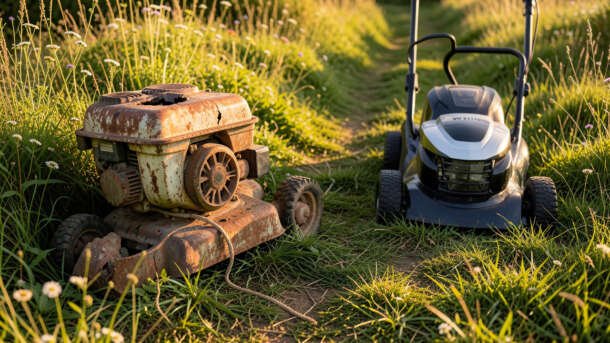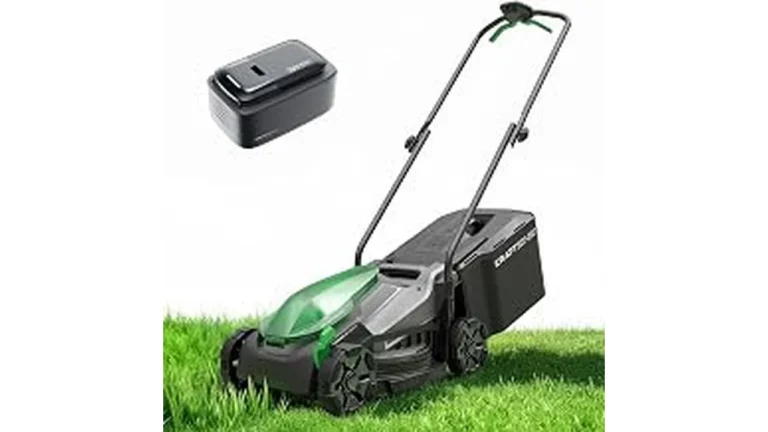
What nobody tells first-home buyers before buying a lawn mower is that long-term ownership involves hidden costs like storage space, physical effort, noise regulations, and yearly maintenance. Yard size is the most critical factor, and battery-powered mowers now offer lower maintenance and quieter operation for typical suburban lots. A larger engine does not guarantee a better cut, and gas mowers are not inherently more powerful than electric models, so choose based on your terrain and maintenance willingness rather than just the sticker price.
You just closed on your first home. The yard is a blank canvas, but it is already covered in grass.
This guide reveals the trade-offs and hidden details that first-home buyers face when choosing their first lawn mower.
Quick Verdict: Most first-home buyers focus only on price and engine power. They ignore storage space, physical effort, noise ordinances, and yearly maintenance costs. A mower is a long-term investment in your property and your weekends. Choose based on your yard size, terrain, and your willingness to maintain the machine, not just the sticker price.
Key Takeaways for First-Home Mower Shoppers
- Yard size is the single most important factor, and gas push mowers are rarely the best choice for larger slopes or complex landscaping.
- Battery-powered mowers currently offer lower maintenance and quieter operation, making them suitable for most standard suburban lots.
- Brands like Honda and Toro hold significantly better resale value, which matters if you upgrade within a few years.
- Setting aside 10-15% of the mower’s price annually for blades, oil, and tune-ups ensures your equipment runs reliably for the long term.

Key Statistics About Lawn Mower Ownership
Understanding the market data helps you make a smarter purchase. According to the, over 8 million walk-behind mowers are sold annually in the United States. The reports that approximately 80,000 people visit emergency rooms each year due to lawn mower accidents.
A study by indicates that battery-powered mowers now match gas mowers in cut quality on standard lawns. According to the, an older gas mower can emit as much pollution in one hour as driving a modern car for over 100 miles. This data directly impacts your decision between gas and electric power.
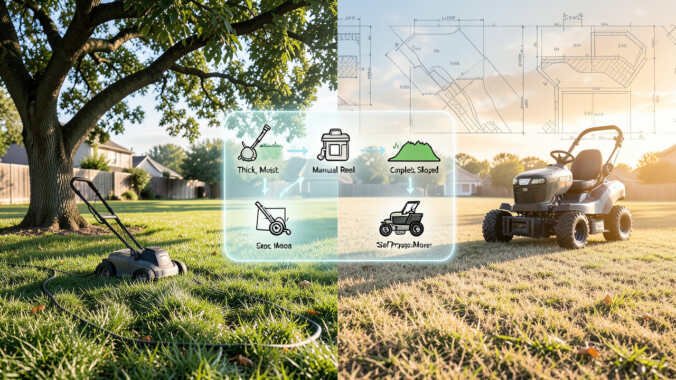
How to Match a Mower to Your Specific Lawn Needs
Your yard is unique. You must measure it and evaluate its shape before visiting any store. Do not rely on guesswork or the advice of a salesperson who has never seen your property.
- Measure your lawn area. Walk the property line and subtract the area of your house, driveway, and flower beds. Use a measuring wheel for accuracy.
- Identify slopes and obstacles. Note any hills, tight corners, or garden paths. A heavy gas mower is difficult to handle on a steep incline.
- Assess storage space. Measure your garage or shed door opening. A riding mower requires significant depth for parking and maintenance access.
- Check local regulations. Some cities restrict gas-powered leaf blowers and mowers during certain seasons. Verify the rules in your area before buying.
- Determine your budget. Include the cost of a charger, extra battery, cover, and annual maintenance in your total budget, not just the base price.
5 Things Nobody Tells First-Home Buyers About Mowers
- Storage space is a deal breaker. A gas mower needs a dry, ventilated shed or garage. Storing it indoors near a water heater or furnace is a fire hazard. Battery mowers are smaller, lighter, and safer to store indoors.
- Neighbors care about noise. Gas mowers operate at around 95 decibels. A battery mower runs at 65 decibels. Starting early on a Saturday with a gas mower is a quick way to annoy your neighbors.
- Self-propelled does not mean easy on hills. The drive system helps the wheels turn, but you still must steer and hold the machine back on steep slopes. A heavy gas self-propelled mower can actually be harder to control on a hill than a lightweight battery model.
- Warranties have fine print. Many mower warranties require dealer service. If you live in a rural area, the dealer might be 30 miles away. Check for brands that allow self-service and have local authorized repair shops.
- Batteries degrade over time. A lithium-ion battery loses capacity each year. A five-year-old battery mower might not finish a full lawn on one charge. Factor in the cost of a replacement battery, which can be $200 or more.
Warning: Never store a gas mower inside your home or living space. Gasoline fumes are flammable and toxic. Always use a detached shed or a well-ventilated garage for storage.
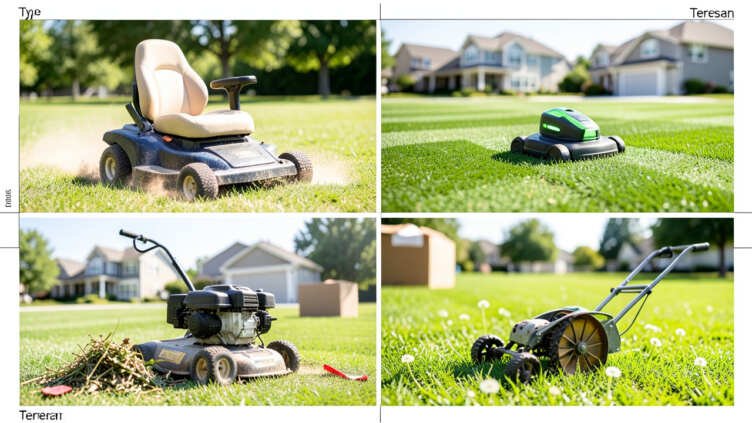
Quick Comparison of Mower Types
| Mower Type | Best Yard Size | Effort Level | Annual Maintenance Cost |
|---|---|---|---|
| Gas Push Mower | Under 1/4 acre | High | $75 – $150 / year |
| Battery Self-Propelled | 1/4 to 1/2 acre | Low to Medium | $30 – $60 / year |
| Gas Riding Mower | 1/2 to 2 acres | Very Low | $150 – $400 / year |
| Robot Mower | Under 1/4 acre | None (Setup required) | $50 – $100 / year |
What Nobody Tells You About Lawn Mowers: Myths vs Reality
Myth 1: A bigger engine always means a better cut.
Reality: Deck design and blade sharpness affect cut quality more than raw horsepower. A well-engineered 160cc Honda mower often outperforms a generic 200cc engine from a discount brand.
Myth 2: Gas mowers are always more powerful than electric mowers.
Reality: Current brushless motors in high-voltage battery mowers from EGO and Toro produce equivalent torque and power for residential grass types. They also offer instant torque without the warm-up period.
Myth 3: You must buy the mower before the grass grows.
Reality: Rushing a purchase leads to buyer’s remorse. You can use a landscaping service for a month while you research the right mower for your specific lawn conditions and budget.
What Are the Essential Features to Look For?
Not all mowers are built the same. Paying attention to specific features can mean the difference between a machine that lasts ten years and one that fails after two seasons.
- Deck material: Fabricated steel or aluminum decks outlast stamped steel decks. Stamped decks are cheaper but prone to rust and cracking.
- Wheel bearings: Look for ball bearing wheels. Plastic bushings wear out quickly and cause uneven cuts.
- Blade engagement: A blade brake clutch (BBC) lets you stop the blade without killing the engine. This is a safety must-have for yards with children or pets.
- Battery voltage: For electric mowers, choose a system with at least 56 volts. Lower voltage systems lack the torque needed for thick or wet grass.
- Handle comfort: Adjustable handles reduce strain on your back. Ergonomic grips are essential for sloped or large yards.
Important: Always perform a break-in oil change after the first 5 hours of use on a new gas mower. This removes metal shavings from the manufacturing process and extends engine life significantly.

How to Buy a Used Mower Safely
Buying a used mower can save you money, but it comes with risks. First-home buyers often assume a used mower is a bargain. You need to inspect it carefully or you may end up with costly repairs.
What to Check Before Buying Used
- Compression test: Pull the starter cord or turn the key. The engine should feel tight and resist compression. A loose feeling indicates worn piston rings.
- Exhaust smoke: Blue smoke means burning oil. White smoke could mean a blown head gasket. Avoid both.
- Deck rust: Surface rust is normal. Holes or flaking metal mean the deck needs replacement, which costs as much as a used mower.
- Blade condition: Chipped or bent blades indicate the mower was used on rocks or hard debris. This can damage the crankshaft.
- Service history: Ask for receipts. A mower with regular oil changes and blade sharpening is worth a premium.
When Buying Used Is Worth It
A used Honda or Toro mower with under 50 hours of use can perform like a new machine. These brands have excellent parts availability and strong resale value. If the seller has all maintenance records, buying used is a smart financial move for first-home buyers on a tight budget.
Pro Tips for Making the Final Decision
- Test the weight of the mower in the store. Lift the front and back to see how it handles. A mower that is too heavy to maneuver will be a chore to use.
- Check the availability of replacement parts. Brands like Toro and Honda have parts widely available online and at local hardware stores.
- Look for a mower with a washout port. This allows you to attach a garden hose to clean the underside of the deck, preventing rust and grass buildup.
- Do not buy the cheapest mower at the big box store. The deck is often stamped steel that will warp or rust within two years. Spend a bit more for a fabricated or aluminum deck.
- Buy an extra battery if you go electric. A single battery may not finish a large lawn, especially in the spring when the grass grows fast and thick.
Tip: Join a local homeowners group on social media and ask what mower they use. Real-world feedback from neighbors who share your climate and grass type is more valuable than any online review.
Frequently Asked Questions About Buying a First Mower
Should a first-home buyer buy a gas or electric mower?
For a standard one-quarter acre lot, a battery-powered mower currently offers the best balance of power, noise, and minimal maintenance. Gas mowers remain better for very large yards where runtime is a concern.
How much should a first-time buyer spend on a lawn mower?
Plan to spend between $300 and $600 for a quality self-propelled mower that will last 5 to 7 years. Prices under $250 often sacrifice deck durability and engine reliability.
Is it worth buying a used lawn mower?
Yes, if you inspect it properly. Check for compression, smoke from the exhaust, rust on the deck, and the condition of the blades. Used Honda and Toro mowers with good maintenance often perform like new for a fraction of the cost.
What size mower deck do I need?
A 20-inch to 22-inch deck is standard for most push and self-propelled mowers. Smaller yards under 5,000 square feet can use an 18-inch deck to get tighter turns and easier storage.
How do I maintain my first lawn mower?
Sharpen the blade at least once a year, change the oil annually for a gas mower, and keep the underside of the deck clean. For battery mowers, store the batteries at room temperature during winter months to preserve their lifespan.

Resources and Tools
OPEI (Outdoor Power Equipment Institute) – Industry data and safety guidelines for outdoor power equipment.
Consumer Reports – Independent reviews and ratings for lawn mowers and outdoor equipment.
CPSC (Consumer Product Safety Commission) – Safety recalls and incident reports for lawn mowers.
EPA (Environmental Protection Agency) – Emissions standards and environmental impact data for small engines.
Final Thoughts
Choosing your first mower is a balance of yard size, storage, and your personal time. A battery model works best for convenience and quiet operation on a standard lot. Remember to budget for storage and yearly blade maintenance to protect your investment for years to come.