
Induction cooktops require cookware made of ferromagnetic materials like cast iron, magnetic stainless steel, or enameled steel with a magnetic base. Aluminum, copper, glass, and non-magnetic stainless steel are generally incompatible unless they have a specially designed magnetic layer. To verify compatibility, test your existing pans with a common magnet; if it clings strongly to the bottom, the cookware will work on induction.
Key Takeaways
- Induction cooktops need magnetic cookware to work.
- Cast iron and most stainless steel pots and pans are induction-ready.
- Aluminum, copper, and glass cookware generally do not work unless they have a magnetic base.
- Look for the induction symbol or test your cookware with a magnet.
- Check the manufacturer’s specifications for confirmation.
Switching to an induction cooktop can be exciting, but figuring out which pots and pans will work can feel a little tricky at first.
You might look at your current cookware and wonder if it’s compatible. Don’t worry, it’s a common question, and it’s simpler than you think to find the right pieces.
We’ll walk through exactly What Cookware Works on Induction so you can start cooking with confidence.
![What Cookware Works on Induction[1]](https://creativehouseblog.com/wp-content/uploads/2026/03/What_Cookware_Works_on_Induction1.jpg)
How Induction Cooktops Work
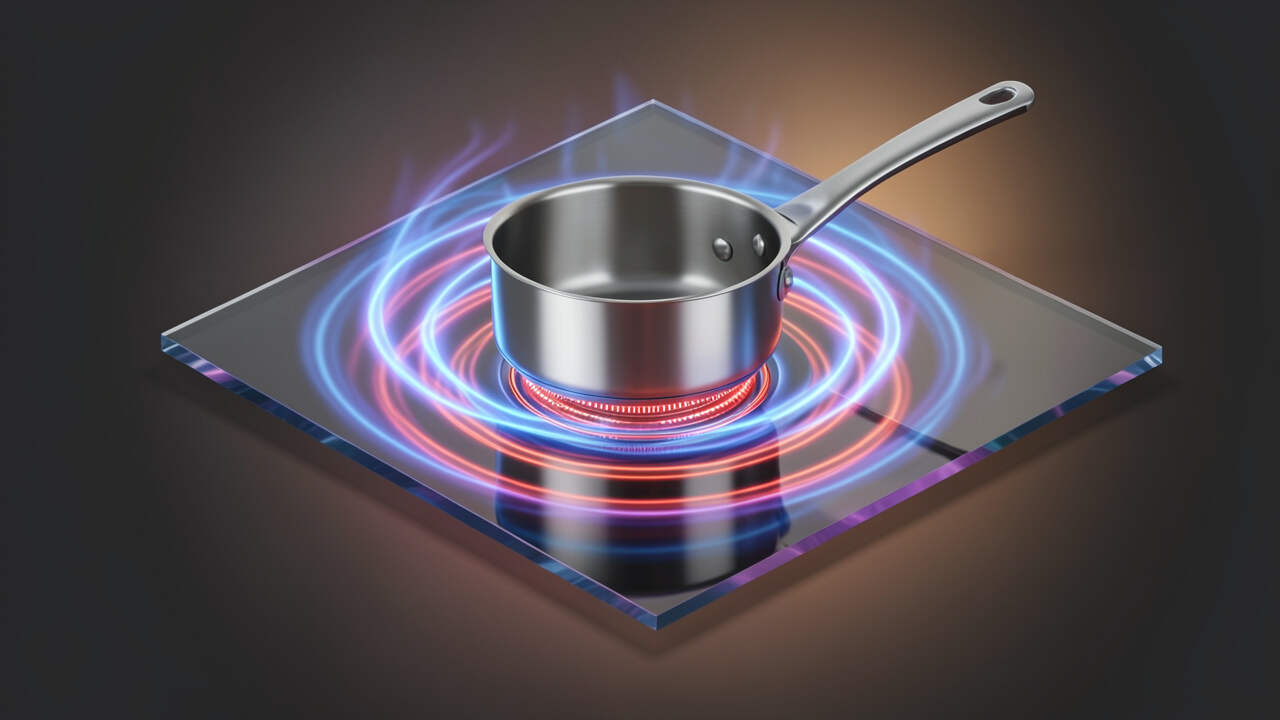
Induction cooking is a bit different from the stoves you might be used to. Instead of heating a burner that then heats your pot, induction uses electromagnetism. There’s a coil beneath the cooktop surface.
When you turn it on, this coil creates a magnetic field. This magnetic field makes the metal in your cookware vibrate very quickly.
This vibration creates friction, and that friction is what generates heat directly in your pot or pan.
This method is super efficient because almost all the energy goes straight into heating your food, not the air around it.
It means faster cooking times and more precise temperature control. But for this magic to happen, the cookware must be able to interact with that magnetic field.
This is why the question What Cookware Works on Induction comes up so often for new users.

The Magnetic Test
The simplest way to know if a piece of cookware is compatible with induction is to check if it’s magnetic.
Induction cooktops rely on a ferromagnetic material in the base of the cookware. This is just a fancy way of saying the metal needs to be attracted to a magnet.
Grab a regular refrigerator magnet. If the magnet sticks firmly to the bottom of your pot or pan, it will likely work on an induction cooktop. Hold the magnet to the side or bottom of the cookware.
If it clings well, you’re probably good to go. If the magnet slides off easily or doesn’t stick at all, that particular piece probably won’t work on its own.
Testing Your Existing Pans
Go through your kitchen cabinets and drawers. Test each pot and pan you own. You’ll find that many of your existing pieces might already be induction-compatible.
This can save you a lot of money and reduce waste.
Some cookware might feel magnetic, but the connection might be weak. A strong, firm stick is the best indicator. If you’re unsure, it’s always best to check the manufacturer’s information or try a different test.
Cookware Materials That Work
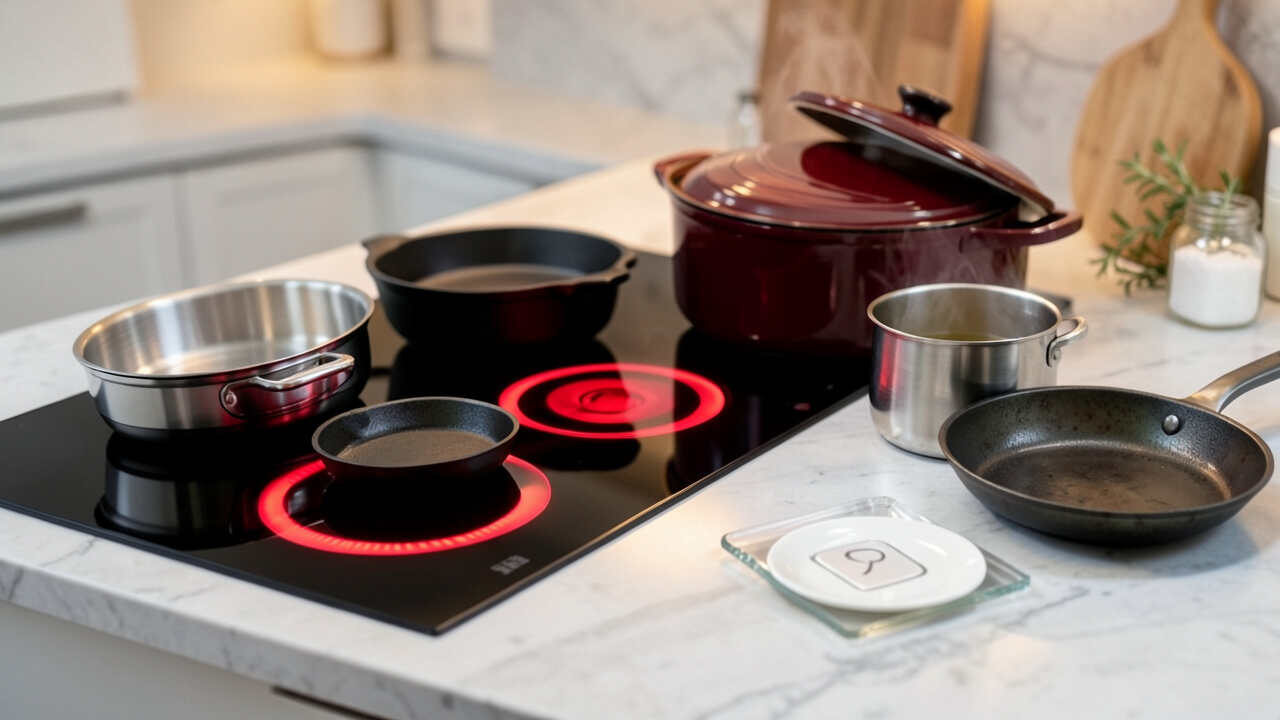
Certain materials are naturally magnetic and therefore ideal for induction cooking. Knowing these can help you make informed choices when buying new cookware.
Cast Iron
Cast iron cookware is a champion of induction. Its dense, magnetic iron content makes it a perfect match for induction coils. Whether it's enameled or bare cast iron, it will work beautifully.
Enamel-coated cast iron is very popular. The enamel makes it non-reactive and easier to clean. The underlying iron still provides the magnetic base needed for induction.
Magnetic Stainless Steel
Not all stainless steel is created equal when it comes to induction. Standard 18/10 or 18/8 stainless steel might not be magnetic enough on its own.
However, many stainless steel cookware sets are specifically designed with an induction-compatible base.
Often, this means the cookware has a core or base layer made of a magnetic material, like iron or steel, sandwiched between layers of stainless steel.
This layered approach gives you the durability and non-reactive qualities of stainless steel while ensuring it works with induction.
Look for cookware labeled as “induction-ready” or that specifies a magnetic base. If you do the magnet test, most magnetic stainless steel will pass with flying colors. The thicker the base, the better the heat distribution usually is.
Enameled Steel
Enameled steel cookware, like some Dutch ovens or saucepans, also works well on induction.
The steel core is magnetic, and the enamel coating provides a smooth, non-stick, and easy-to-clean surface. The key here is that the underlying material is magnetic steel.
Carbon Steel
Carbon steel pans, often used by professional chefs for their versatility and quick heating, are also typically induction-compatible. Like cast iron, carbon steel is a magnetic material.
These pans can develop a natural non-stick patina over time with proper seasoning and use. They are lighter than cast iron, making them easier to maneuver.
Cookware Materials That Typically Don’t Work
Some common cookware materials lack the magnetic properties needed for direct induction heating. While they might be great for other stovetops, they usually won’t work on induction unless they have a special adaptation.
Aluminum
Pure aluminum cookware does not respond to the magnetic fields of an induction cooktop. The molecules in aluminum don’t align in a way that generates heat through magnetic induction.
However, many aluminum pots and pans are made with a bonded base. This base often includes a layer of magnetic stainless steel or iron. If your aluminum cookware has such a base, it will work on induction.
Always check for this magnetic base layer or do the magnet test.
Copper
Solid copper cookware is beautiful and conducts heat exceptionally well. However, copper itself is not magnetic. Therefore, a pan made entirely of copper will not work on an induction cooktop.
Similar to aluminum, copper cookware might have a magnetic stainless steel or iron base. If this is the case, the copper pan will be induction-compatible. Many high-end copper pans feature this layered construction.
Glass and Ceramic
Cookware made entirely of glass or ceramic is not magnetic. These materials are excellent for oven use and can be used on electric or gas stoves, but they do not interact with induction fields.
There are some specialized induction-compatible glass or ceramic cookware pieces available, but they are rare.
These usually have a magnetic metal disk integrated into the bottom. For general glass or ceramic cookware, assume it won’t work.
Non-Magnetic Stainless Steel
As mentioned earlier, some types of stainless steel, particularly those with very high chromium content or specific alloys, might not be magnetic enough. If your stainless steel pan fails the magnet test, it’s likely not suitable for induction.

How to Be Sure Your Cookware Works
Beyond the magnet test, there are other ways to confirm compatibility.
Look for the Induction Symbol
Many cookware manufacturers now include a specific symbol on their products to indicate induction compatibility.
This symbol often looks like a series of loops or a stylized coil. It’s usually found on the bottom of the pan, on the packaging, or in the product description online.
If you see this symbol, you can be confident that the cookware is designed for induction use. It’s the easiest way to shop for new induction cookware.
Check Manufacturer Specifications
If you can’t find a symbol or the magnet test is borderline, always refer to the manufacturer’s website or product manual. They will clearly state whether their cookware is induction-compatible.
When buying new cookware, read the product details carefully. Terms like “induction-ready,” “induction compatible,” or “magnetic base” are good indicators.
Induction Cookware Sets
If you’re buying a new set of cookware specifically for your induction stove, look for sets marketed as being for induction. These are guaranteed to work.
A good starter set might include a frying pan, a saucepan, and a larger stockpot. Ensure they all have the magnetic base required for induction cooking.
Cookware Features to Consider for Induction
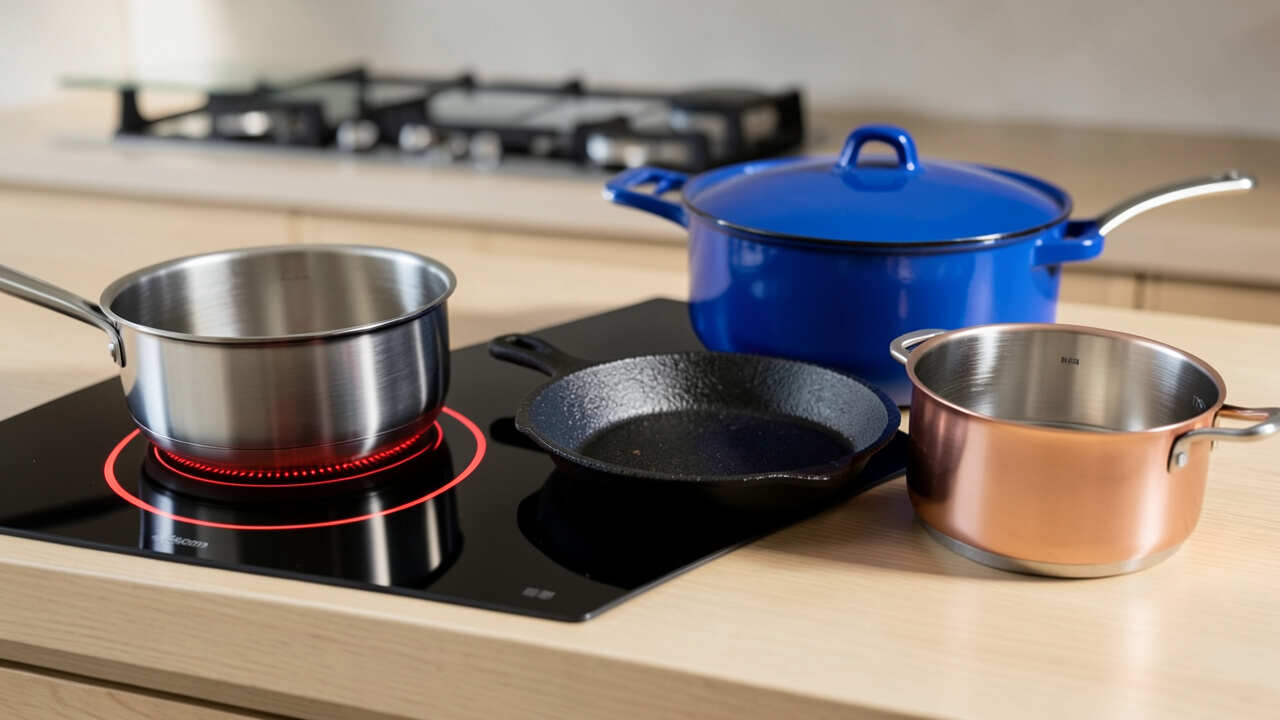
Once you know your cookware is induction-compatible, consider these features for the best cooking experience.
Base Thickness and Flatness
For efficient heat transfer, the base of your induction cookware should be flat and relatively thick.
A warped or uneven base won’t make good contact with the induction element, leading to slower heating and hot spots.
Thicker bases also help distribute heat more evenly across the cooking surface, preventing scorching and ensuring consistent results.
Handle Material
Handles on induction cookware can be made from various materials, including stainless steel, cast iron, silicone, or wood. The material doesn’t affect compatibility but impacts how the pan feels and handles.
Consider oven-safe handles if you plan to finish dishes in the oven. Some handles can get hot, so using a pot holder might be necessary regardless of the material.
Weight
While not directly related to induction compatibility, the weight of the cookware can be a factor.
Cast iron and multi-ply stainless steel can be heavy. Ensure you can comfortably lift and maneuver the pans, especially when full.

What About Cookware Adapters?
If you have a favorite piece of cookware that isn’t induction-compatible, you might consider an induction disk adapter. This is a metal plate that sits between the induction cooktop and your non-magnetic pan.
The adapter heats up from the induction element and then transfers heat to your pan. While it works, it’s less efficient than using directly compatible cookware. It can also slow down the responsiveness of the cooktop.
Adapters are a good option if you have one or two specific items you can’t bear to part with, but they aren’t ideal for everyday use.
FAQ Of What Cookware Works on Induction
How do I know if my stainless steel pans will work on induction
The easiest way is to test them with a magnet. If a magnet sticks firmly to the bottom of your stainless steel pan, it is likely induction-compatible. Many stainless steel pans have a magnetic base layer for this reason.
Can I use my old non-stick pans on an induction stove
Generally, no, unless your non-stick pans have a special magnetic base. Most non-stick pans are made of aluminum or other materials that aren’t magnetic. Check the pan’s base for a magnetic layer or look for an induction symbol.
Do all copper pans work on induction
No, pure copper pans do not work on induction cooktops because copper is not magnetic. However, many copper pans have a stainless steel or iron base that makes them compatible with induction.
What is the induction symbol
The induction symbol is a small icon, often looking like a series of loops or a coil, that manufacturers place on cookware to indicate it’s compatible with induction cooktops. It’s usually found on the packaging or the bottom of the pan.
What happens if I try to use non-compatible cookware
Nothing will happen. The cooktop will not heat up the pan because there is no magnetic connection. You might hear a slight humming sound, but your food will not cook.
Final Thoughts
Choosing the right cookware for your induction stove is a straightforward process. Focus on magnetic materials like cast iron and compatible stainless steel.
Always perform the magnet test or look for the induction symbol to ensure your pots and pans will heat up.
With the right cookware, you’ll enjoy the speed and efficiency of induction cooking.

![7 Mistakes People Make With Smart Ovens[1]](https://creativehouseblog.com/wp-content/uploads/2026/04/7_Mistakes_People_Make_With_Smart_Ovens1-768x448.jpg)
![Air Fryer Fan Technology Explained[1]](https://creativehouseblog.com/wp-content/uploads/2026/03/Air_Fryer_Fan_Technology_Explained1-768x448.jpg)
![How to Choose the Right Blender Power[1]](https://creativehouseblog.com/wp-content/uploads/2026/03/How_to_Choose_the_Right_Blender_Power1-768x448.jpg)
![6 Reasons Smart Kitchen Devices Save Time[1]](https://creativehouseblog.com/wp-content/uploads/2026/04/6_Reasons_Smart_Kitchen_Devices_Save_Time1-768x448.jpg)
![9 Things You Should Know Before Using A Pizza Oven At Home[1]](https://creativehouseblog.com/wp-content/uploads/2026/04/9_Things_You_Should_Know_Before_Using_A_Pizza_Oven_At_Home1-768x448.jpg)
![Induction vs Electric Stoves A Simple Guide[1]](https://creativehouseblog.com/wp-content/uploads/2026/03/Induction_vs_Electric_Stoves_A_Simple_Guide1-768x448.jpg)