
Electrical safety checks involve visual inspections of outlets, switches, cords, and plugs to identify hazards like damage or wear. Homeowners should regularly test smoke and carbon monoxide detectors and familiarize themselves with the circuit breaker or fuse box to manage electrical loads safely. For complex issues, such as panel upgrades or persistent circuit faults, consulting a qualified electrician is critical to prevent fires and ensure compliance with safety standards.
Keeping your home safe is super important, but sometimes thinking about electrical stuff can feel a bit tricky, especially if you’re new to homeownership.
You might wonder where to even start with electrical safety. Don’t worry, we’ve got you covered!
This guide will break down all the essential electrical safety checks every homeowner should know into easy steps.
We’ll show you exactly what to look for and how to make sure your home is safe and sound. Let’s get started on making your home safer.
Key Takeaways
- You will learn about common electrical hazards in homes.
- We will cover how to inspect your electrical outlets and switches.
- You will find out how to check your circuit breaker or fuse box.
- We will discuss the importance of smoke and carbon monoxide detectors.
- You will get tips on hiring a qualified electrician for complex issues.
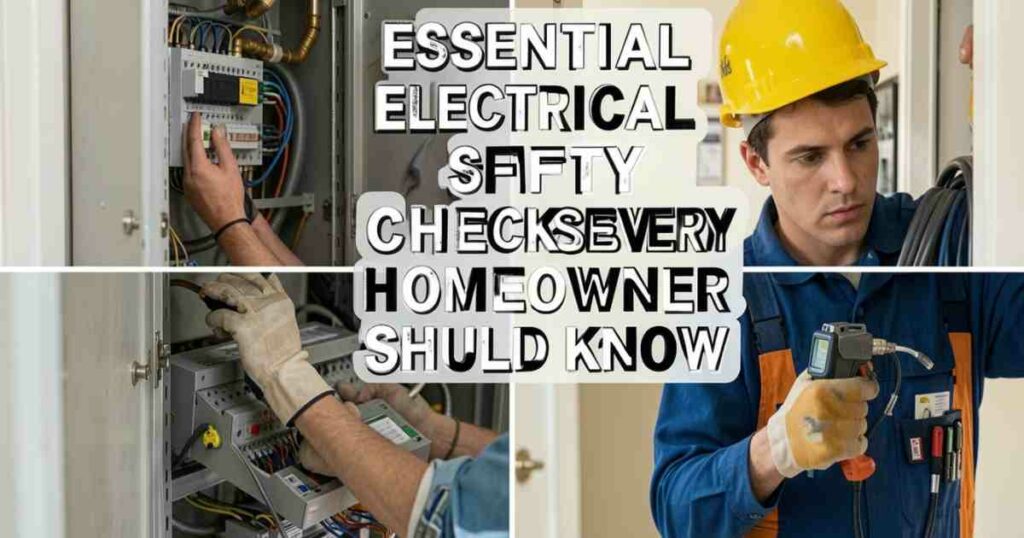
![Electrical Safety Checks Every Homeowner Should Know[1]](https://creativehouseblog.com/wp-content/uploads/2026/05/Electrical_Safety_Checks_Every_Homeowner_Should_Know1.jpg)
Essential Electrical Safety Checks Every Homeowner Should Know
Ensuring your home’s electrical system is safe is one of the most vital tasks for any homeowner.
A faulty electrical system can lead to fires, shocks, and damage to your appliances. Many homeowners find the specifics of electrical safety confusing, making it hard to know where to begin.
This section will guide you through the most important areas to inspect, helping you identify potential problems before they become serious.
We will look at simple visual checks you can do yourself and when it’s time to call a professional.
Visual Inspection of Outlets and Switches
One of the easiest ways to spot electrical problems is by visually inspecting your outlets and switches.
These are the parts of your electrical system that you interact with daily, so they often show the first signs of wear or damage. Regular checks can prevent shocks and fires.
- Look for Damage: Carefully examine each outlet and switch plate. Do you see any cracks, scorch marks, or discoloration? These are clear indicators that something is wrong. Scorch marks, in particular, suggest overheating, which is a significant fire risk. Cracked or broken plates might expose wires, creating a shock hazard.
If you find any damage to outlet or switch covers, it’s best to
- Check for Loose Connections: Gently try to wiggle each outlet and switch. Do they feel loose in the wall? Loose connections can cause arcing, which generates heat and can lead to fires. This looseness also means the electrical connection might not be reliable, affecting the power to your devices.
Loose outlets and switches are often caused by the screws holding them to the electrical box becoming worn or the electrical box itself becoming loose in the wall. If an outlet or switch wobbles significantly, it needs to be secured.
For a homeowner comfortable with basic tasks and after ensuring the power is off, tightening the mounting screws can often fix this.
If the box is loose, it might require more involved repair.
- Test GFCI Outlets: Ground Fault Circuit Interrupter (GFCI) outlets are essential safety devices, especially in areas near water like kitchens, bathrooms, and outdoor spaces. They are designed to quickly shut off power if they detect an imbalance in the electrical current, preventing shocks.
Most GFCI outlets have two small buttons: a “Test” button and a “Reset” button. To test them, plug in a night light or a small appliance. Then, press the “Test” button.
The light or appliance should immediately turn off, indicating the GFCI is working correctly. To restore power, press the “Reset” button.
If the GFCI doesn’t trip when you press “Test,” or if it doesn’t reset, it needs to be replaced by an electrician.
Testing these monthly is a good practice.
Inspecting Cords and Plugs
The cords and plugs connected to your appliances are also a critical part of electrical safety.
Damaged cords are a common cause of electrical fires and shocks. It’s easy to overlook these, but a quick check can save your home.
- Look for Wear and Tear: Examine all visible electrical cords on appliances, lamps, and electronics. Check for any signs of fraying, cracking, or exposed wires. These are serious hazards. Also, look at the plugs themselves. Are they bent or broken?
Frayed cords are dangerous because the insulation that protects you from the electrical current has worn away.
If you see any damage to a cord, do not use the appliance it’s attached to. The cord should be replaced, or if the appliance is old or inexpensive, it might be safer to replace the entire unit.
Bent or damaged plugs can also cause poor connections and overheating.
- Avoid Overloading: Never overload electrical outlets or extension cords by plugging in too many devices. This can cause the wiring to overheat, leading to a fire.
Using power strips with built-in surge protection can help, but even these have limits. Pay attention to the wattage or amperage ratings on cords and devices.
If an extension cord feels warm to the touch when in use, it’s likely overloaded.
It’s better to use multiple outlets or consider having more outlets installed if you frequently need to power many devices in one area.
- Proper Cord Storage: Ensure cords are not pinched under furniture, in doorways, or where they can be easily damaged.
When cords are repeatedly run over by furniture or walked on, the protective outer layer can wear away, exposing the wires inside.
Similarly, cords pinched in doors or windows can be damaged over time. Always try to route cords safely away from high-traffic areas and potential pinch points.
Storing cords loosely, without sharp bends, also helps prolong their life.
Understanding Your Circuit Breaker or Fuse Box
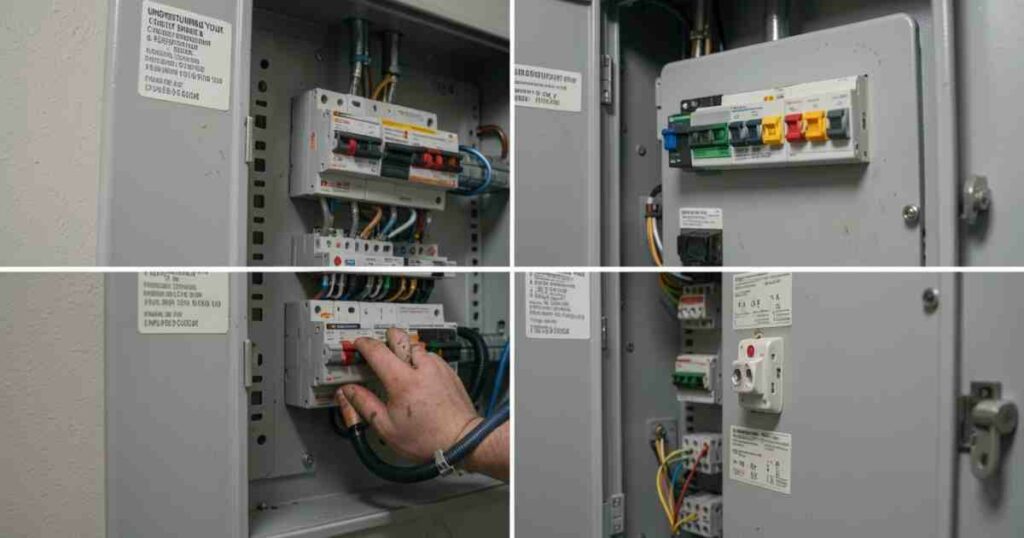
The circuit breaker or fuse box is the heart of your home’s electrical system. It protects your home from electrical overloads and short circuits by cutting off the power when problems occur. Knowing how to identify issues here is key to electrical safety.
Circuit Breakers
Most modern homes use circuit breakers. These are switches that automatically "trip" (turn off) when they detect too much current flowing through them.
- Locate Your Panel: Find your main electrical panel. It’s typically in a basement, garage, utility room, or a closet.
- Check for Tripped Breakers: Breakers that have tripped will be in a position different from the “on” or “off” position, often in the middle or fully off. If a breaker is tripped, it means there was an overload or a short circuit on that specific circuit.
To reset a tripped breaker, push the switch firmly to the “off” position and then back to the “on” position.
If the breaker trips again immediately, there’s a persistent problem on that circuit. This could be a faulty appliance or an issue with the wiring.
Do not keep resetting a breaker that keeps tripping.
- Look for Damaged Breakers: Visually inspect the breakers themselves. Do any look discolored, melted, or damaged?
While less common than tripping, damaged circuit breakers can be a serious safety hazard.
They might not function correctly when needed, leaving your home vulnerable. If you see any signs of physical damage to a breaker, it should be replaced by a qualified electrician.
According to the Electrical Safety Foundation International (ESFI), electrical distribution and protection equipment, including circuit breakers, are responsible for a significant number of electrical fires. Regular inspection and maintenance are therefore crucial.
Fuses
Older homes might have a fuse box instead of circuit breakers. Fuses contain a wire that melts and breaks the circuit when too much current flows through it.
- Identify Blown Fuses: A blown fuse will have a broken or melted wire inside its glass or ceramic casing.
To check a fuse, you may need to remove it from its socket. If the wire inside is broken, the fuse needs to be
- Recognize Fuse Box Issues: Look for signs of heat or melting around the fuse sockets.
Just like with circuit breakers, any signs of damage or overheating around fuse sockets indicate a problem that needs professional attention. Overloading a fuse circuit repeatedly can cause the wiring to become stressed.
Labeling Your Panel
It’s important that your electrical panel is clearly labeled. This tells you which outlets, lights, and appliances are connected to each breaker or fuse.
- Create or Update Labels: If your panel isn’t labeled, or the labels are unclear, take the time to do it.
You can label circuits by turning off one breaker at a time and seeing which lights or devices go off.
This helps you identify which rooms or specific appliances are on each circuit. Clear labeling makes troubleshooting much easier and safer in the event of an electrical issue.
For example, if your kitchen lights go out, you can quickly identify the corresponding breaker without guessing.
Smoke and Carbon Monoxide Detectors
While not directly part of the electrical system’s wiring, smoke and carbon monoxide detectors are vital safety devices powered by electricity or batteries.They are your first line of defense against fires and the silent threat of carbon monoxide.
Smoke Detectors
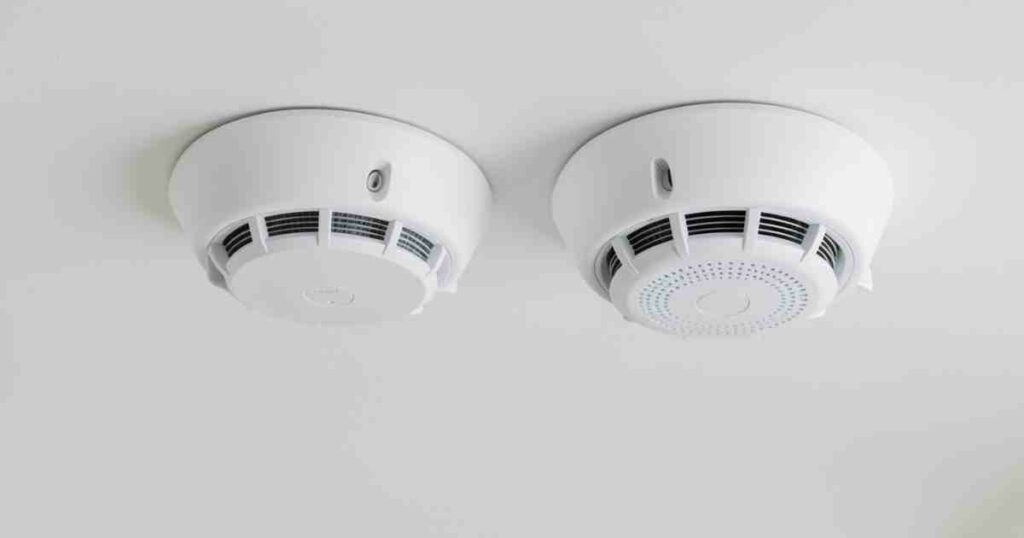
Smoke detectors save lives by alerting you to a fire early, giving you precious time to escape.
- Testing Regularly: Test all smoke detectors at least once a month by pressing the test button.
The test button simulates smoke, and you should hear a loud, clear alarm. If you don’t, the detector may need new batteries or the unit itself might be faulty. Most smoke detectors have a lifespan of about 10 years.
Check the manufacturer’s recommendations for replacement.
- Battery Replacement: Replace batteries at least once a year, or when the detector chirps to signal a low battery.
A common practice is to change batteries when you change your clocks for daylight saving time.
This makes it easier to remember. Battery-powered smoke detectors need fresh batteries to function correctly.
- Placement: Install smoke detectors on every level of your home, inside each bedroom, and outside sleeping areas.
Proper placement ensures you are alerted to a fire no matter where it starts or where you are sleeping.
For example, placing a detector in a hallway outside bedrooms ensures that even if a fire starts elsewhere, occupants will be woken up.
Carbon Monoxide Detectors
Carbon monoxide (CO) is a colorless, odorless gas that can be deadly. It’s produced by the incomplete burning of fuels, such as those in furnaces, water heaters, stoves, and fireplaces.
- Testing and Maintenance: Test CO detectors monthly and replace batteries as needed, just like smoke detectors.
CO detectors also have a limited lifespan, typically 5-7 years. Check the manufacturing date on the unit. If it’s expired, replace it immediately.
- Placement: Install CO detectors on every level of your home, especially near sleeping areas.
They should be placed away from vents and windows that could affect their readings. If a CO detector sounds an alarm, it’s crucial to take it seriously. Immediately evacuate your home and call emergency services.
According to the National Fire Protection Association (NFPA), working smoke alarms cut the likelihood of dying in a home fire in half. Similarly, CO detectors are essential for preventing poisoning deaths.
When to Call a Qualified Electrician
While basic visual checks and simple resets are things most homeowners can handle, some electrical issues are best left to the professionals.
Trying to fix complex electrical problems yourself can be dangerous and may void your home insurance.
Signs You Need Professional Help
Recognizing when to call an electrician is as important as knowing what to check yourself.
- Persistent Tripping Breakers or Blown Fuses: If a breaker trips repeatedly or a fuse blows often on the same circuit, it indicates a problem that likely needs expert diagnosis.
This could be due to faulty wiring, an overloaded circuit that can’t handle the demand, or a problem with the appliance itself.
An electrician can use specialized tools to find the exact cause, whether it’s a short circuit, a ground fault, or a faulty breaker.
- Flickering or Dimming Lights: Lights that flicker or dim without an obvious cause, especially when appliances are turned on, can signal loose connections or a problem with the main electrical supply.
This is not just an annoyance; it can indicate that the wiring is not carrying power efficiently, leading to potential overheating.
It might be a loose connection at the breaker panel, in an outlet, or even at the utility connection point.
- Burning Smells: Any unusual burning smell, especially near outlets, switches, or appliances, is a serious warning sign.
This smell often indicates that wires are overheating, which is a direct precursor to a fire. Do not ignore this.
Turn off the power to the affected area at the breaker if possible, and call an electrician immediately.
- Sparks or Arcing: If you see sparks when plugging in or unplugging a device, or hear crackling sounds from outlets or switches, this is a sign of arcing.
Arcing is electricity jumping across a gap where it shouldn’t be, creating intense heat and a fire risk. This can happen due to loose wires or damaged components within the outlet or switch.
- Old or Outdated Wiring: Homes built before the 1970s may have outdated wiring systems like knob-and-tube or aluminum wiring, which can be less safe than modern copper wiring.
Aluminum wiring, in particular, requires special connectors to prevent overheating. Knob-and-tube wiring, while often still functional, lacks a grounding wire, which is a critical safety feature in modern systems.
An electrician can assess the condition of your wiring and recommend upgrades if necessary.
Choosing a Qualified Electrician
When you need to hire an electrician, look for someone who is licensed and insured in your area. Get recommendations from friends, family, or neighbors.
- Verify Credentials: Always check for proper licensing and insurance.
A licensed electrician has met the training and experience requirements set by your state or local government. Insurance protects you in case of accidents or damage during the work.
- Get Multiple Quotes: For larger jobs, it’s wise to get estimates from at least three different electricians.
This helps you compare pricing, understand the scope of work, and choose the best fit for your needs and budget. Don’t just pick the cheapest option; consider their reputation and communication.
A 2022 study by the Consumer Product Safety Commission (CPSC) highlighted that electrical failures or malfunctions are a leading cause of home fires. Employing qualified professionals for electrical work helps mitigate these risks.
Performing Electrical Safety Checks Every Homeowner Should Know
Taking small steps to check your home's electrical system can prevent big problems. Regularly look at your outlets, cords, and breakers. Test your safety devices often.
If you see anything that worries you or feels beyond your skill, don’t hesitate to call a pro. Keeping up with these basic electrical safety checks every homeowner should know helps protect your family and your property.
Frequently Asked Questions Of Electrical Safety Checks Every Homeowner Should Know
Question: How often should I check my electrical outlets and switches?
Answer: It’s a good idea to do a quick visual check of your outlets and switches every few months. Look for any visible damage or loose fittings.
Question: What is GFCI and why is it important?
Answer: GFCI stands for Ground Fault Circuit Interrupter. It’s a safety device that shuts off power if it detects a dangerous electrical imbalance, preventing shocks, especially in wet areas.
Question: My circuit breaker keeps tripping. What should I do?
Answer: If a breaker trips repeatedly, do not keep resetting it. This indicates a persistent problem like an overloaded circuit or a wiring issue. Call a qualified electrician to diagnose and fix the problem.
Question: How can I tell if my home’s wiring is old and needs updating?
Answer: Signs of old wiring include frequent flickering lights, outlets that are warm to the touch, or if your home was built before the 1970s. An electrician can inspect your wiring and advise on upgrades.
Question: Should I replace batteries in my smoke detectors more often than once a year?
Answer: While once a year is a minimum, it’s best to replace batteries whenever the detector chirps to signal a low battery, or if you are unsure of their age. Some recommend changing them twice a year for extra safety.
Summary
Regularly checking your electrical system is key to a safe home. Inspect outlets, cords, and your breaker box for any signs of damage or wear. Test your smoke and carbon monoxide detectors monthly.
If you find serious issues or are unsure, always call a licensed electrician. These electrical safety checks every homeowner should know empower you to keep your home secure.

![How to Build a Home Maintenance Routine You’ll Love[1]](https://creativehouseblog.com/wp-content/uploads/2026/05/How_to_Build_a_Home_Maintenance_Routine_Youll_Love1-768x403.jpg)
![Pressure Cooker Versus Slow Cooker What Is Best[1]](https://creativehouseblog.com/wp-content/uploads/2026/03/Pressure_Cooker_Versus_Slow_Cooker_What_Is_Best1-768x448.jpg)
![9 Fun Baking Ideas Using Small Kitchen Machines[1]](https://creativehouseblog.com/wp-content/uploads/2026/04/9_Fun_Baking_Ideas_Using_Small_Kitchen_Machines1-768x448.jpg)
![6 Reasons Your Garbage Disposal Is Smelling Bad[1]](https://creativehouseblog.com/wp-content/uploads/2026/04/6_Reasons_Your_Garbage_Disposal_Is_Smelling_Bad1-768x448.jpg)
![Benefits Of Fresh Juice Vs Store Bought[1]](https://creativehouseblog.com/wp-content/uploads/2026/04/Benefits_Of_Fresh_Juice_Vs_Store-Bought1-1-768x448.jpg)
![Are Induction Cooktops Energy Efficient[1]](https://creativehouseblog.com/wp-content/uploads/2026/03/Are_Induction_Cooktops_Energy_Efficient1-768x448.jpg)