
Low water pressure in homes typically stems from supply-side issues, obstructions in fixtures, or pressure regulation problems. The first step is to diagnose the cause by checking key components like the main shut-off valve, pressure reducing valve, and individual fixture aerators for clogs or sediment. Most common issues, such as a blocked showerhead or a misadjusted pressure valve, can often be resolved with simple homeowner maintenance before needing professional plumbing assistance.
Low water pressure can be a real head-scratcher, especially when you just want a good shower or need to do laundry.
It’s a common problem many homeowners face, and figuring out Why Your Water Pressure Is Low and How to Fix It might seem tricky at first. But don’t worry!
We’re going to break down the simple steps to find the cause and get your water pressure back to normal. You’ll learn what to look for and how to handle common issues yourself.
Key Takeaways
- You will learn the most common reasons for low water pressure.
- Simple checks you can do yourself to diagnose the problem.
- How to fix issues with your main shut-off valve.
- What to do about clogged aerators and showerheads.
- The role of a pressure reducing valve and how to adjust it.
- When it’s time to call a professional plumber.
![Why Your Water Pressure Is Low And How To Fix It[1]](https://creativehouseblog.com/wp-content/uploads/2026/05/Why_Your_Water_Pressure_Is_Low_And_How_To_Fix_It1.jpg)
Understanding Low Water Pressure Causes
Low water pressure is a frustrating issue that many homeowners experience from time to time. It can make simple tasks like showering, washing dishes, or watering the garden feel like a chore.
This section will explore the most frequent culprits behind a drop in your home’s water flow.
We will cover everything from easily fixable problems to issues that might require a bit more attention.
By understanding these common causes, you can start to pinpoint why your water pressure is low and how to fix it.
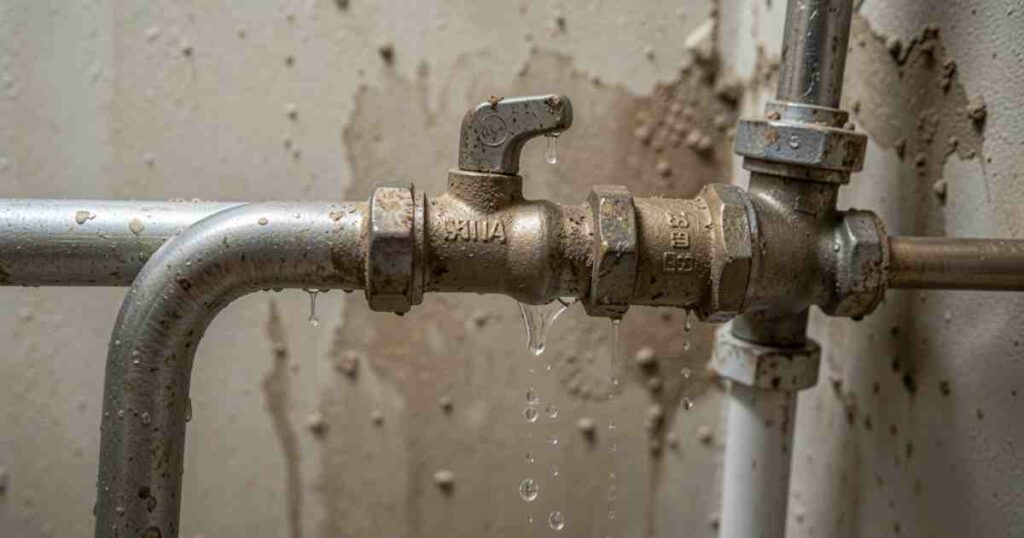
Common Residential Water Pressure Issues
Several factors can contribute to weak water flow in your home. One of the most straightforward reasons is a partially closed main water shut-off valve. This valve controls all the water entering your house.
If it’s not fully open, it restricts the amount of water that can pass through, leading to lower pressure at your faucets and showerheads. It’s a simple oversight that can have a big impact.
Another frequent cause is sediment buildup in your pipes. Over time, minerals and debris can accumulate inside your plumbing, narrowing the passageways for water.
This buildup is more common in older homes with galvanized steel pipes, which are prone to corrosion.
The rust and sediment flake off and create blockages.
Leaks in your plumbing system can also lead to noticeable drops in water pressure. Even a small, hidden leak can allow a significant amount of water to escape before it reaches your fixtures. This results in less water available at the tap.
Finally, issues with your municipal water supply or a faulty pressure reducing valve can be the source of your problem. Sometimes the issue isn’t even within your home but with the service coming into it.
The Role of Your Shut-Off Valve
Your home’s main water shut-off valve is a critical component of your plumbing system. It acts like a gatekeeper, controlling the flow of water from the municipal supply into your house.
This valve is typically located where the main water line enters your home, often in a basement, crawl space, or utility closet.
It’s usually a wheel-shaped handle or a lever.
If this valve is not fully open, it will restrict the volume of water that can reach your faucets and showerheads.
This restriction directly translates to lower water pressure throughout your entire house. It’s a common oversight, especially if the valve was recently operated for maintenance or an emergency.
How to check and fix: To check your shut-off valve, locate it and ensure the handle is turned as far as it will go in the direction that opens the flow.
For lever-style valves, the handle should be parallel to the pipe. For wheel-style valves, turn it counter-clockwise until it stops.
After adjusting it, test your water pressure at a faucet to see if there’s an improvement. If the valve is stiff or difficult to turn, it might indicate corrosion or mineral deposits, and you may need a plumber’s help.
Sediment and Pipe Blockages
Over years of use, your home’s water pipes can accumulate mineral deposits, rust, and other debris.
This buildup, known as sediment, gradually narrows the internal diameter of the pipes. Imagine trying to drink a thick milkshake through a thin straw; the flow is significantly reduced.
The same principle applies to your plumbing.
This problem is especially prevalent in older homes that still have galvanized steel pipes. These pipes are susceptible to corrosion, and the rust particles can break away and form blockages.
PEX or copper pipes are less prone to this issue, but even they can experience sediment buildup from the water supply itself.
Signs of blockages: You might notice that the low pressure is worse at certain fixtures than others, or it might be more pronounced when multiple appliances are using water simultaneously.
Discolored water, particularly when you first turn on a faucet, can also be a sign of rust and sediment.
What to do: Fixing sediment buildup often involves flushing the pipes. This can sometimes be done by temporarily removing aerators from faucets and the showerhead from your shower and running water at full blast for several minutes.
For more severe blockages, a professional plumber might need to use specialized equipment to clear the pipes, or in some cases, repiping might be necessary.
Water Leaks in Your Plumbing
A hidden water leak can be a silent thief of your home’s water pressure. When water escapes from a pipe before it reaches its intended destination, the volume of water available at your faucets and showerheads is reduced.
This means less water is flowing through the pipes, leading to a noticeable drop in pressure.
Leaks can occur in various places: behind walls, under floors, in the crawl space, or even in your yard along the main water line. They can be caused by corrosion, physical damage to pipes, or loose fittings.
A small, slow drip might not seem like much, but collectively, these small losses can significantly impact your home’s water supply.
Detecting leaks: One way to check for leaks is to monitor your water meter. Turn off all water-using appliances and fixtures in your home. Then, locate your water meter and check if the dial is still moving.
If it is, there’s likely a leak somewhere in your system. Another sign is unexplained high water bills or the sound of running water when no fixtures are in use. You might also notice damp spots on walls or ceilings, or mold growth.
Addressing leaks: If you suspect a leak, it’s crucial to address it promptly. For easily accessible leaks, like a dripping faucet or a leaky toilet, you might be able to fix them yourself with
Troubleshooting Specific Fixtures
Sometimes, the low water pressure isn’t a whole-house problem but is isolated to a specific faucet or showerhead.
This section will guide you through the common issues affecting individual fixtures and provide practical solutions to restore their flow.
Often, these problems are due to simple blockages or worn-out parts that can be easily cleaned or replaced.
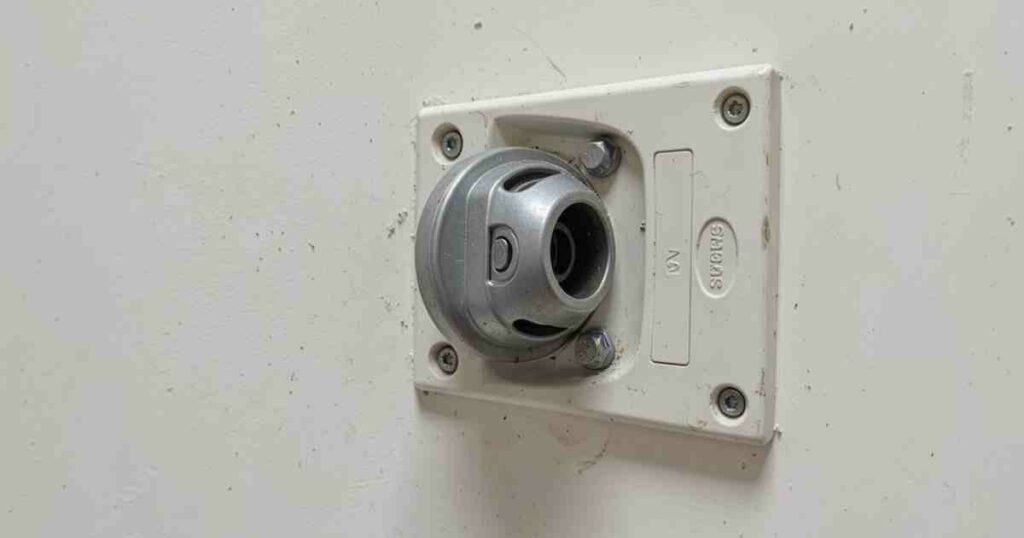
Clogged Faucet Aerators
Faucet aerators are small, screw-on attachments found at the tip of most faucets. Their primary job is to mix air with water, which creates a softer, splash-free stream and also reduces water consumption.
However, these small devices are also prime spots for mineral deposits and debris to accumulate, restricting water flow.
When an aerator becomes clogged with sediment or mineral buildup, it acts like a bottleneck for the water.
Even if the pipes supplying the faucet are clear, the water’s path is constricted at the very end, leading to a weaker stream.
This is one of the most common and easiest-to-fix reasons for low pressure at a single faucet.
How to check and clean: To check your faucet aerator, you can usually unscrew it by hand or with pliers (use a cloth to protect the finish).
Once removed, you’ll likely see a mesh screen inside. Rinse this screen thoroughly under running water.
You can also soak the aerator in a bowl of white vinegar for a few hours or overnight to dissolve stubborn mineral deposits. After cleaning, screw the aerator back onto the faucet and test the water pressure.
When to replace: If cleaning doesn’t improve the flow, or if the aerator appears damaged, it might be time to replace it.
Aerators are inexpensive and readily available at hardware stores. Make sure to get the correct size and thread type for your faucet.
Showerhead Blockages
Similar to faucet aerators, showerheads can also become clogged with mineral deposits, particularly in areas with hard water.
These deposits can block the small nozzles through which water exits the showerhead, resulting in reduced water flow and a less satisfying shower experience.
If you notice that your shower’s water pressure has decreased significantly, or the spray pattern has become uneven, the showerhead is a likely suspect.
This issue is common because showerheads are exposed to constant moisture and often contain numerous small openings that can easily become plugged.
Cleaning your showerhead: The easiest way to clean a clogged showerhead is to remove it and soak it in vinegar.
Use a wrench to carefully unscrew the showerhead from the shower arm. Place it in a plastic bag filled with white vinegar, ensuring the nozzles are fully submerged.
Let it soak for several hours or overnight. Afterwards, scrub the nozzles with a soft brush or an old toothbrush to dislodge any remaining debris. Rinse it thoroughly and reattach it to the shower arm.
Alternative cleaning methods: For showerheads that cannot be easily removed or for ongoing maintenance, you can fill a plastic bag with vinegar and secure it around the showerhead with a rubber band, making sure the nozzles are immersed.
Leave it overnight. Some modern showerheads have rubber nozzles that can be cleaned by simply rubbing them with your finger.
Issues with Your Pressure Reducing Valve
Many homes are equipped with a pressure reducing valve (PRV). This device is installed on the main water line after the shut-off valve and is designed to lower the incoming water pressure from the municipal supply to a safe and consistent level for your home’s plumbing system.
Standard household water pressure is typically between 40 and 60 psi (pounds per square inch), but incoming pressure can sometimes be much higher.
If your PRV is malfunctioning, set too low, or has become clogged with debris, it can cause low water pressure throughout your home.
A PRV that is failing can fail to regulate the pressure correctly, either letting too little water through or not opening fully. This is especially common in older PRV units that have been in place for many years.
Locating and testing your PRV: The PRV is usually found on the main water supply line just after the main shut-off valve.
It typically looks like a bell-shaped cap on a cylindrical body. To test if it’s the source of your low pressure, you can try to bypass it temporarily.
This involves closing the shut-off valve on the inlet side of the PRV and opening the valve on the outlet side. If your water pressure immediately increases, the PRV is likely the problem.
Adjusting or replacing a PRV: PRVs have an adjustment screw or nut that can be used to modify the water pressure.
Turning this screw clockwise usually increases the pressure, while turning it counter-clockwise decreases it.
However, it’s important to consult your PRV’s manual or a plumber before attempting to adjust it, as setting the pressure too high can damage your plumbing.
If the valve is old or faulty, it will need to be replaced. This is a job best left to a professional plumber.
More Complex Causes and Solutions
When the simpler checks don’t reveal the cause of your low water pressure, it’s time to investigate more complex issues.
These can involve the water supply itself, problems deeper within your plumbing system, or even the condition of your water heater.
Understanding these can help you diagnose why your water pressure is low and how to fix it.

Municipal Water Supply Issues
Sometimes, the problem of low water pressure originates not within your home but from the municipal water supply serving your neighborhood.
The water company manages the pressure in the main lines that deliver water to all homes in an area. Various factors can affect this pressure.
One common reason is routine maintenance or repairs being performed on the water main. When the water company works on the lines, they might temporarily reduce or shut off the pressure to a section of the neighborhood.
Another cause could be a break in a main water line elsewhere in the system, which can significantly lower pressure for many customers.
Also, during periods of high demand, such as hot summer days when many people are using water for irrigation, the overall pressure in the municipal system can decrease.
This is especially true if the water infrastructure in your area is older or not designed to handle such high demand.
What to do: If you suspect the issue is with the municipal supply, the first step is to check with your neighbors to see if they are experiencing similar problems.
If multiple households report low water pressure, it’s highly likely an issue with the water company.
You can then contact your local water utility to inquire about any known issues, maintenance, or pressure fluctuations in your area.
They can provide information on the status of the supply and estimated repair times.
Problems with Your Water Heater
Your water heater, while primarily responsible for heating water, can also indirectly affect your water pressure.
If the inlet valve to your water heater is partially closed or blocked, it can restrict the flow of cold water into the tank. This restriction can then lead to lower hot water pressure at your fixtures.
Another potential issue is sediment buildup within the water heater tank itself. Over time, minerals can settle at the bottom of the tank.
If this sediment becomes significant, it can clog the outlet pipe that supplies hot water to your home, reducing pressure.
This is more common in tanks that haven’t been drained and flushed regularly.
Checking the water heater: To check the inlet valve, locate it on the pipe supplying cold water to your water heater. Ensure it is fully open. To address sediment, you can drain and flush the tank.
This involves shutting off the water supply to the heater, opening a drain valve at the bottom, and allowing the water to run out.
You may need to open a hot water faucet elsewhere in the house to help the water drain. Once drained, you can briefly turn the cold water supply back on to help flush out any remaining sediment.
When to call a pro: If draining and flushing doesn’t improve the hot water pressure, or if you suspect a more serious internal issue with the water heater, it’s best to contact a qualified plumber or water heater technician.
They can inspect the unit for internal blockages or damage and recommend the appropriate repairs or replacement.
Leaky Pipes Behind Walls
One of the most challenging issues to diagnose and fix is a water leak occurring behind walls or under floors.
These hidden leaks can be responsible for a significant loss of water pressure because the water escapes the system long before it reaches your fixtures. The constant loss of water means less pressure is available at the tap.
These leaks can be caused by corrosion in older pipes, accidental damage during renovations, or shifting foundations that put stress on the plumbing.
The longer these leaks go unnoticed, the more water is wasted, and the more pronounced the drop in water pressure becomes.
Detecting hidden leaks: Signs of hidden leaks include unexplained increases in your water bill, damp or discolored spots on walls or ceilings, mold or mildew growth, and a persistent musty odor. You might also hear the sound of running water when no fixtures are in use. A water meter test, as mentioned earlier, can also indicate a hidden leak if the dial continues to move when all water usage is stopped.
Professional repair is essential: Because these leaks are concealed, locating them requires specialized tools and expertise.
Plumbers often use acoustic listening devices or thermal imaging cameras to pinpoint the exact location of the leak.
Once found, the repair typically involves cutting into the wall or floor to access the damaged pipe, repairing or replacing the section, and then restoring the affected surface.
This is not a DIY job and requires professional intervention to minimize damage and ensure a proper repair.
When to Call a Professional
While many low water pressure issues can be resolved with simple DIY steps, some problems are best left to the experts.
Knowing when to call a plumber can save you time, frustration, and potentially prevent more costly damage to your plumbing system. This section will help you identify situations where professional help is needed.
Signs You Need a Plumber
There are several clear indicators that suggest it’s time to contact a plumbing professional. If you’ve tried the basic troubleshooting steps, such as checking the shut-off valve and cleaning aerators, and your water pressure hasn’t improved, it’s a good sign that a more complex issue is at play.
One major sign is widespread low water pressure affecting all fixtures in your home. This often points to a problem with the main water line coming into your house, the pressure reducing valve, or significant blockages within the main pipes.
If you suspect a leak behind walls or under your foundation, this is also a job for a plumber, as they have the specialized equipment to locate and repair these hidden problems without causing excessive damage.
Unusual noises from your pipes, such as banging or gurgling, can also indicate underlying issues like air in the lines or pipe movement, which a plumber can diagnose and fix.
If your water heater is consistently producing lukewarm water or shows signs of internal problems affecting pressure, a plumber specializing in water heaters can help.
DIY vs. Professional Repairs
Deciding whether to tackle a plumbing issue yourself or call a professional depends on the complexity of the problem, your skill level, and the potential risks involved.
Simple tasks like cleaning faucet aerators, replacing a showerhead, or turning your main shut-off valve are generally safe and effective DIY projects. These are low-risk solutions that can quickly resolve common low pressure complaints.
However, more involved tasks carry higher risks. For instance, attempting to adjust or
When in doubt, it’s always safer and often more cost-effective in the long run to call a licensed plumber.
They have the training and equipment to diagnose problems accurately and perform repairs correctly, ensuring your plumbing system functions safely and efficiently. They can also offer warranties on their work, giving you peace of mind.
Common Statistics on Water Pressure Issues
According to industry surveys, approximately 15% of homeowner complaints to plumbers are related to low water pressure.
The most frequent causes reported by plumbers include clogged aerators (35%), faulty pressure reducing valves (25%), and leaks (15%).
Older homes, particularly those with galvanized pipes installed before the 1970s, are statistically more likely to experience sediment buildup and corrosion, leading to pressure problems.
A survey found that only about 40% of homeowners regularly perform basic plumbing maintenance like draining their water heater.
| Common Cause | Estimated Percentage of Occurrences |
|---|---|
| Clogged Faucet Aerators | 35% |
| Faulty Pressure Reducing Valve (PRV) | 25% |
| Plumbing Leaks (internal/external) | 15% |
| Sediment/Blockages in Pipes | 10% |
| Water Heater Issues | 5% |
| Municipal Supply Fluctuations | 5% |
| Other/Unknown | 5% |
Frequently Asked Questions Of Why Your Water Pressure Is Low And How To Fix It
Question: Why is my water pressure only low when I use hot water?
Answer: This often points to an issue with your water heater. It could be a sediment buildup in the tank or at the outlet pipe, a problem with the heating element, or a partially closed inlet valve to the heater. Sometimes, a faulty dip tube inside the heater can also cause this.
Checking the inlet valve and draining the tank for sediment are good first steps.
Question: How can I increase water pressure in my home?
Answer: First, identify the cause of low pressure. If it’s a simple fix like a clogged aerator, cleaning or replacing it will help. Ensure your main shut-off valve is fully open.
If you have a pressure reducing valve (PRV), it might need adjustment or replacement. For widespread issues, you might need to address pipe blockages or leaks. Always consider calling a plumber for complex problems.
Question: What is a normal water pressure for a home?
Answer: Normal household water pressure typically ranges between 40 and 60 psi (pounds per square inch). Some homes can comfortably handle up to 75 psi, but anything consistently above 80 psi is considered too high and can damage your plumbing and appliances. If your pressure is below 40 psi, it’s considered low.
Question: Can a leaky toilet cause low water pressure?
Answer: A leaky toilet typically does not cause low water pressure throughout your home. While a constantly running toilet wastes water, it doesn’t usually create a significant enough demand or blockage to impact the pressure at other fixtures. However, if the leak is on the main line feeding the toilet, that could reduce overall pressure.
Check for leaks in the supply line to the toilet tank.
Question: How do I know if my pressure reducing valve is bad?
Answer: Signs a PRV might be bad include consistently low or fluctuating water pressure, unusual noises like diaphragm chatter from the valve, or a lack of improvement after checking other common causes like aerators. You can also test your home’s water pressure with a gauge before and after the PRV. If the pressure is significantly lower after the valve and doesn’t increase, it’s likely faulty.
Summary
Finding out why your water pressure is low and how to fix it involves checking simple things first like your main valve and fixture aerators.
You’ve learned about pipe blockages, leaks, and issues with your water heater or pressure valve. If these checks don’t solve it, calling a plumber is the next smart step.
You can get your water flow back to normal with these steps.

![9 Things You Can Cook On An Indoor Electric Grill (Beyond Meat)[1]](https://creativehouseblog.com/wp-content/uploads/2026/04/9_Things_You_Can_Cook_On_An_Indoor_Electric_Grill_Beyond_Meat1-768x448.jpg)
![How To Clean And Restore Outdoor Furniture[1]](https://creativehouseblog.com/wp-content/uploads/2026/05/How_To_Clean_And_Restore_Outdoor_Furniture1-768x403.jpg)
![Rice Cooker Versus Instant Pot[1]](https://creativehouseblog.com/wp-content/uploads/2026/03/Rice_Cooker_Versus_Instant_Pot1-768x448.jpg)
![Best Foods to Cook in an Air Fryer[1]](https://creativehouseblog.com/wp-content/uploads/2026/03/Best_Foods_to_Cook_in_an_Air_Fryer1-768x448.jpg)
![Winter Home Maintenance Checklist Before Cold Season Hits[1]](https://creativehouseblog.com/wp-content/uploads/2026/05/Winter_Home_Maintenance_Checklist_Before_Cold_Season_Hits1-768x403.jpg)
![Why Bread Burns in Toasters[1]](https://creativehouseblog.com/wp-content/uploads/2026/03/Why_Bread_Burns_in_Toasters1-768x448.jpg)