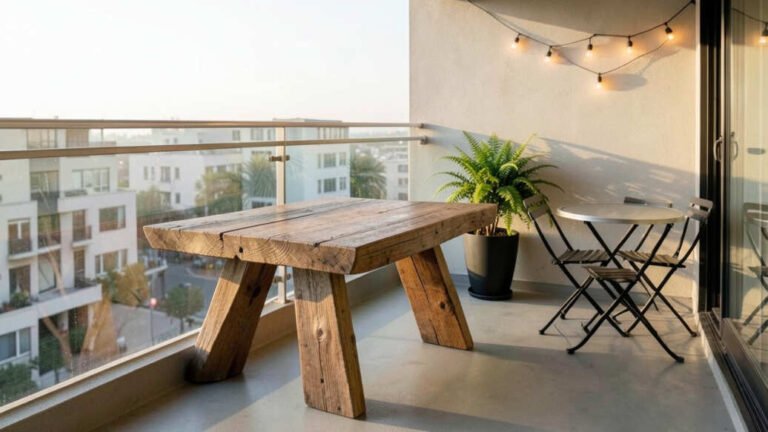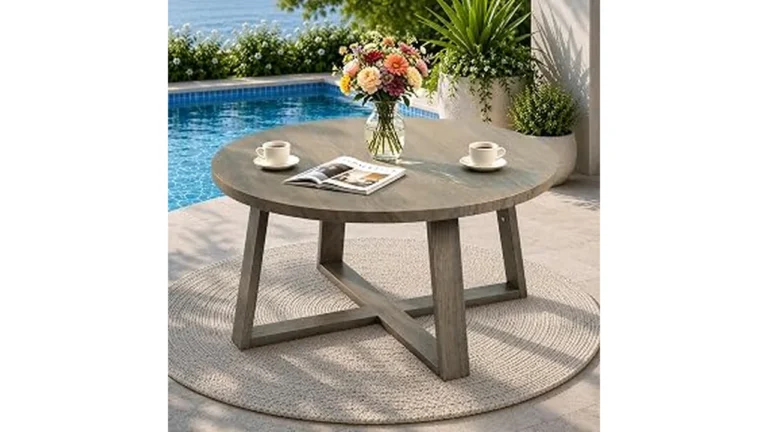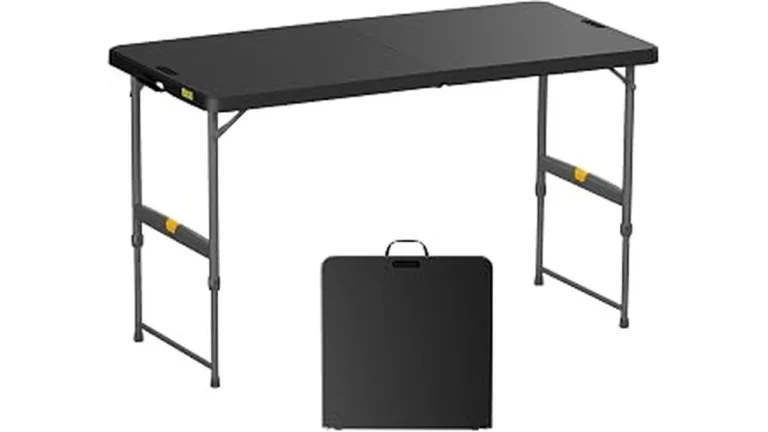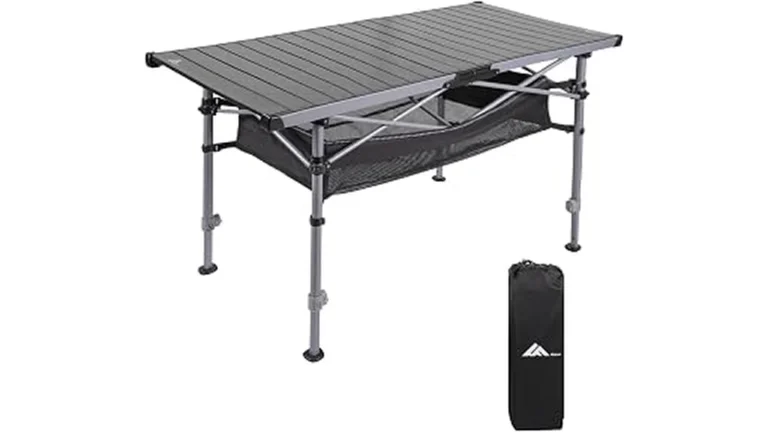
For best results on an apartment balcony, place your outdoor coffee table in the most accessible corner that leaves at least 30 inches of clear walking space, anchoring it against a railing or wall for stability. Consider the balcony's size and shape—narrow balconies benefit from table placement along the longest wall, while square layouts work with a centered table and surrounding seating. Avoid blocking entry doors, grill areas, or power outlets, and position the table away from direct afternoon sun to prevent fading and keep surfaces comfortable.
Your apartment balcony is a small outdoor space that can become a comfortable retreat. The right placement for an outdoor coffee table turns it into a functional area for morning coffee, evening relaxation, or casual entertaining.
Quick Verdict: Place your outdoor coffee table in the most accessible corner of your balcony that leaves at least 30 inches of walking space around it. For narrow balconies, position the table against the longest wall or railing. For square balconies, center the table with seating arranged around it. Avoid blocking entry doors, grill areas, or utility connections.
Key Takeaways
- Measuring your balcony dimensions is the first step to finding the best coffee table placement for your layout.
- Leaving at least 30 inches of clear walking space around the table ensures comfortable movement and easy access to seating.
- Positioning the coffee table near a power outlet allows you to use outdoor lamps, phone chargers, or small appliances.
- Placing the table away from direct afternoon sun protects your furniture from fading and keeps surfaces cooler for use.
- Anchoring the table against a railing or wall prevents tipping in windy conditions and maximizes usable floor space.
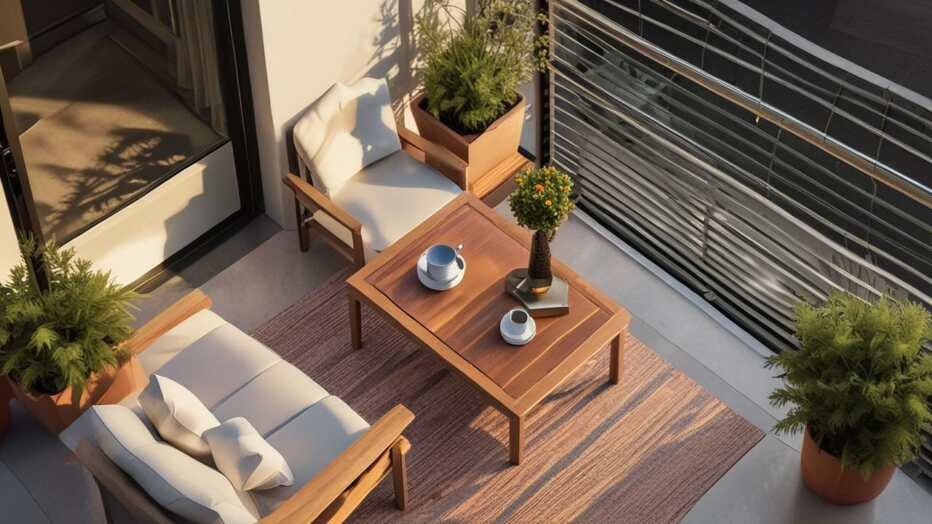
What Factors Determine the Best Coffee Table Placement
Several factors influence where an outdoor coffee table works best on an apartment balcony. Each factor affects comfort, safety, and usability in different ways.
Balcony Size and Shape
The dimensions of your balcony are the most important factor. A narrow balcony of 4 by 8 feet works differently than a square balcony of 8 by 8 feet.
For narrow balconies, position the table against the longest wall or railing. This leaves the center of the balcony open for walking. For square balconies, you have more options. Center the table with seating around it or tuck it into a corner.
According to the, the average apartment balcony in the United States measures about 4 by 10 feet. This means most renters work with a long, narrow space.
Traffic Flow and Entry Points
You need a clear path from the balcony door to the railing. Do not block this path with the coffee table. People should walk through the space without bumping into furniture.
Leave at least 30 inches of clearance around the table. This is the minimum width for comfortable walking in a residential setting. If you have a grill or storage unit, keep those areas clear too.
Sun and Wind Exposure
The sun moves across your balcony throughout the day. Morning sun is gentle and pleasant. Afternoon sun is intense and can damage table surfaces over time.
Warning: Do not place your coffee table in direct afternoon sunlight for more than 4 hours per day. This can warp wood finishes, fade powder-coated metal, and crack resin tabletops. Use an umbrella or shade sail if you cannot avoid full sun exposure.
Wind is another factor on higher floors. A lightweight table can tip over in strong gusts. Choose a heavier table or one with a base that you can anchor down.
Views and Focal Points
Think about what you want to look at while sitting at the table. Position the table and seating to face the best view. This could be the skyline, a garden, or the street below.
Do not place the table with your back to the best view. Arrange seating so the primary sightline is toward the most interesting part of your surroundings.
Utilities and Access Points
Most apartment balconies have a power outlet, a water spigot, or an HVAC vent. Do not block these access points with furniture.
If you plan to use an outdoor lamp or charge a phone, position the table within reach of the power outlet. Extension cords across walking paths are trip hazards and violate most fire codes.
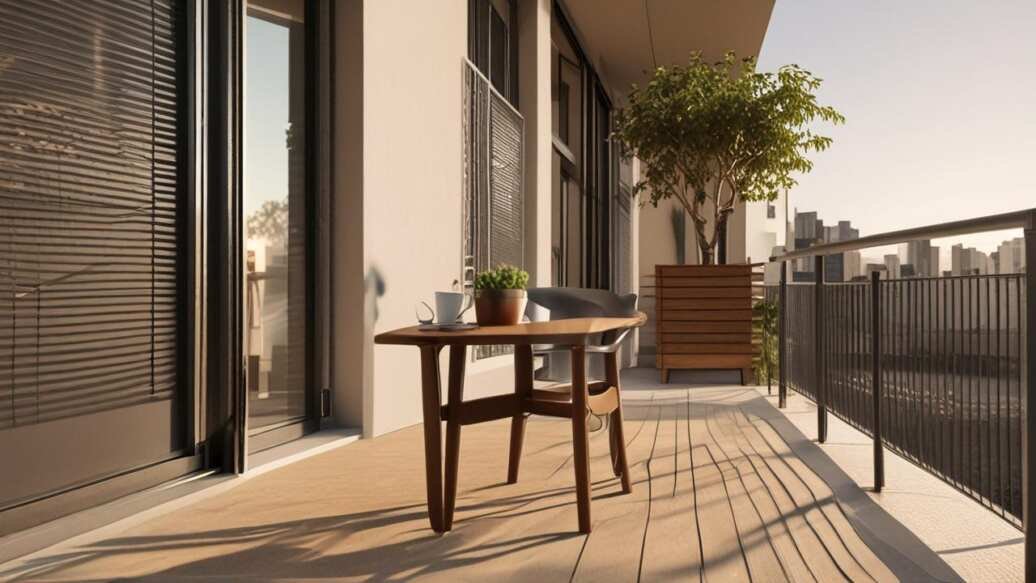
Step-by-Step Guide to Positioning Your Outdoor Coffee Table
Follow these steps to find the ideal spot for your outdoor coffee table on your apartment balcony. Each step builds on the last one.
Step 1: Measure Your Balcony
Start by measuring the length and width of your balcony floor. Use a tape measure and write down the numbers. Note where the door swings open, where the railing starts, and where any vents or outlets are located.
Draw a simple floor plan on graph paper or use a free app like RoomSketcher. Mark the door swing arc, the railing line, and any fixed elements like a utility box or water spigot.
Step 2: Define Your Primary Use
Decide how you will use the table most often. Common uses include:
- Morning coffee or tea with a book or phone
- Casual meals for one or two people
- Entertaining guests with drinks and snacks
- Working on a laptop in good weather
- Displaying plants or decorative items
Each use affects the ideal height, size, and position of the table. For dining, you need a table that is about 30 inches tall. For coffee and drinks, a standard 18-inch coffee table works well.
Step 3: Map Out Walking Paths
Walk from the door to the railing. Identify the natural walking path. You will walk this path every time you step onto the balcony.
Place your coffee table away from this path. The table should sit in a zone next to the path, not in the middle of it.
Use painter tape on the floor to mark the table footprint. Walk around the tape to test if the path feels comfortable. Adjust the tape until the path meets the 30-inch clearance rule.
Step 4: Test Two to Three Positions
Try different spots before settling on one. Common placement options include:
- Against the longest wall with seating facing outward toward the view
- In a corner with seating angled at 45 degrees to the corner
- Centered on a square balcony with seating on two sides
Place the actual table in each position. Sit in each seat. Move around the table. Notice how each position feels for the activities you plan to do.
Step 5: Check Safety and Stability
Push on the table from different angles. Does it wobble? Does it tip? If the table feels unstable, move it to a more protected spot or add weight to the base.
Check that the table does not block any utility access points. Confirm that the door still opens fully and that you can reach the railing lock or latch.
Important: Always check your apartment lease or HOA rules before adding furniture to a balcony. Some buildings restrict the type of furniture allowed or require a minimum setback from the railing for fire safety.
Step 6: Add Seating Around the Table
Once the table position is set, arrange seating around it. For a standard 24-inch square coffee table, two chairs or a small loveseat work well. For a larger table, you can fit up to four seats.
Leave at least 18 inches between the table edge and the seat edge. This gives enough room for legs and knees. For dining use, leave 24 inches for comfortable eating posture.
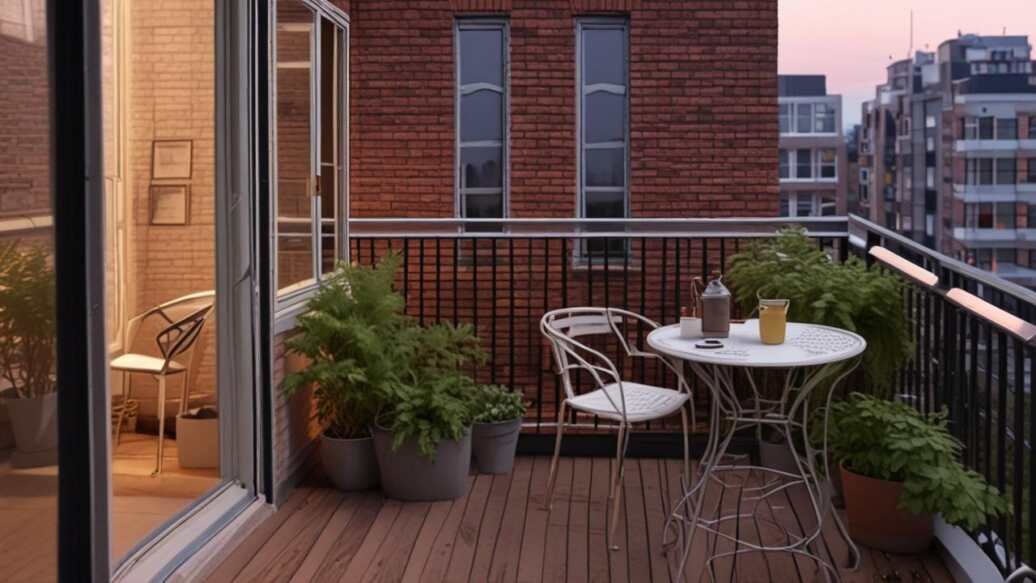
Common Placement Mistakes to Avoid
Many people make the same mistakes when placing a coffee table on a balcony. Avoid these common errors to get the best results.
- Blocking the door swing – The table should not sit within the arc of the door opening. Measure the full swing of the door before placing the table.
- Ignoring wind patterns – Lightweight tables can blow over or slide on smooth floors. Use a heavier table or add weight to the base in exposed locations.
- Placing the table in direct afternoon sun – Intense sun damages most outdoor furniture materials over time. Position the table in morning sun or partial shade.
- Overcrowding the space – Do not fill the entire balcony with furniture. Leave open floor space for standing, moving, and cleaning.
- Forgetting about rain drainage – Do not place the table directly under a roof drip line or against a wall where rainwater collects. This causes water damage to the table legs and floor.
According to, approximately 60% of apartment renters consider balcony space a key factor in their rental decision. Yet many renters fail to measure their balcony before buying furniture, leading to poor placement.
Pro Tips for Balcony Coffee Table Placement
These advanced strategies help you get the most from your balcony coffee table placement. Use them to refine your setup over time.
- Use a table with wheels or casters if you want to move it for different uses throughout the day. Lock the wheels when the table is in position.
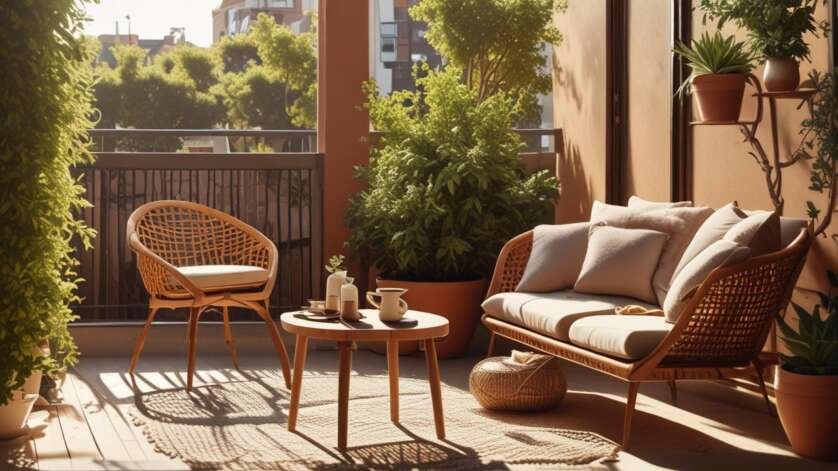
- Place a small outdoor rug under the table to define the seating zone. This creates visual separation from the walking path.
- Angle the table at 45 degrees in a corner for a more conversational layout. This works well for square balconies with two chairs.
- Use a table with a lower shelf for storing books, plants, or a small cooler. This keeps items off the floor and within easy reach.
- Install a small wall-mounted fold-down table if floor space is very limited. This frees up the floor when the table is not in use.
Tip: For very small balconies under 4 by 6 feet, consider a nesting table set. Use one table for coffee and stack the second one nearby for guests. Stack them together when not in use to maximize space.
According to, over 30% of households in major urban areas live in apartments with balconies or patios. This means millions of people face the same space constraints when choosing furniture placement.
Common Myths vs Facts About Balcony Coffee Tables
Several misconceptions exist about placing coffee tables on small balconies. Here are the facts that correct these myths.
| Myth | Fact |
|---|---|
| You must center the table on the balcony for balance. | Off-center placement often works better because it preserves walking space and aligns the table with the view. |
| A small balcony cannot fit a coffee table at all. | Narrow tables, corner tables, and wall-mounted tables work well on balconies as small as 3 by 5 feet. |
| You should place the table against the railing for the best view. | Placing the table a foot away from the railing creates a better sightline and prevents items from falling through gaps. |
The American Society of Landscape Architects reports that over 85% of homeowners want functional outdoor living spaces. This trend drives innovation in small-space furniture design, making balcony coffee tables more versatile than ever.
Frequently Asked Questions
What size coffee table is best for a small apartment balcony?
A table between 20 and 28 inches wide works best for most apartment balconies. If your balcony is smaller than 4 by 6 feet, choose a table no larger than 20 by 20 inches. According to interior design guidelines from, the table should take up no more than 30% of the balcony floor area.
Can I use a regular indoor coffee table on my balcony?
You can, but it will not last long outdoors. Indoor tables lack weather-resistant finishes and UV protection. They warp, crack, and fade within a few months of outdoor exposure. Use only furniture labeled for outdoor use on your balcony.
How far should the coffee table be from the railing?
Leave at least 8 to 12 inches between the table edge and the railing. This gap prevents items from falling through railing gaps and allows cleaning access. It also creates a visual buffer that makes the space feel larger.
Should I place the coffee table in the sun or shade?
Place the table in partial shade or morning sun for best results. Direct afternoon sun causes fading, warping, and surface heat that makes the table too hot to touch. Use an umbrella or shade sail if your balcony gets full afternoon sun.
What is the best material for a balcony coffee table in windy conditions?
Heavy materials like powder-coated steel, solid teak, or concrete work best in windy locations. Avoid lightweight aluminum or plastic tables unless they have weighted bases. According to furniture manufacturers like and, powder-coated steel offers the best balance of weight and weather resistance for exposed balconies.
Final Thoughts
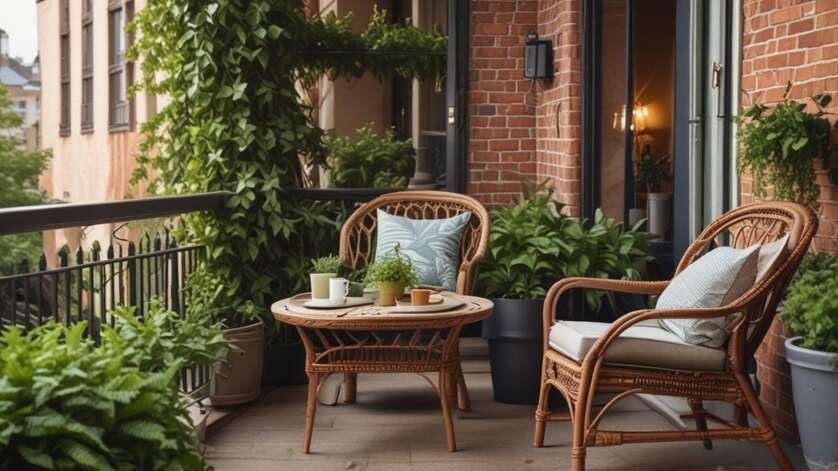
Placing your outdoor coffee table in the right spot on an apartment balcony comes down to measuring your space and following the 30-inch clearance rule. Focus on traffic flow, sun exposure, and the view when choosing a position. Adjust the placement gradually as you learn how you use the space throughout the day.